Mercury’s complex legacy at Idrija’s Smelting Plant
Engaging guides and focused exhibitions trace five centuries of mercury production, its many uses and its lasting environmental consequences.
More photos


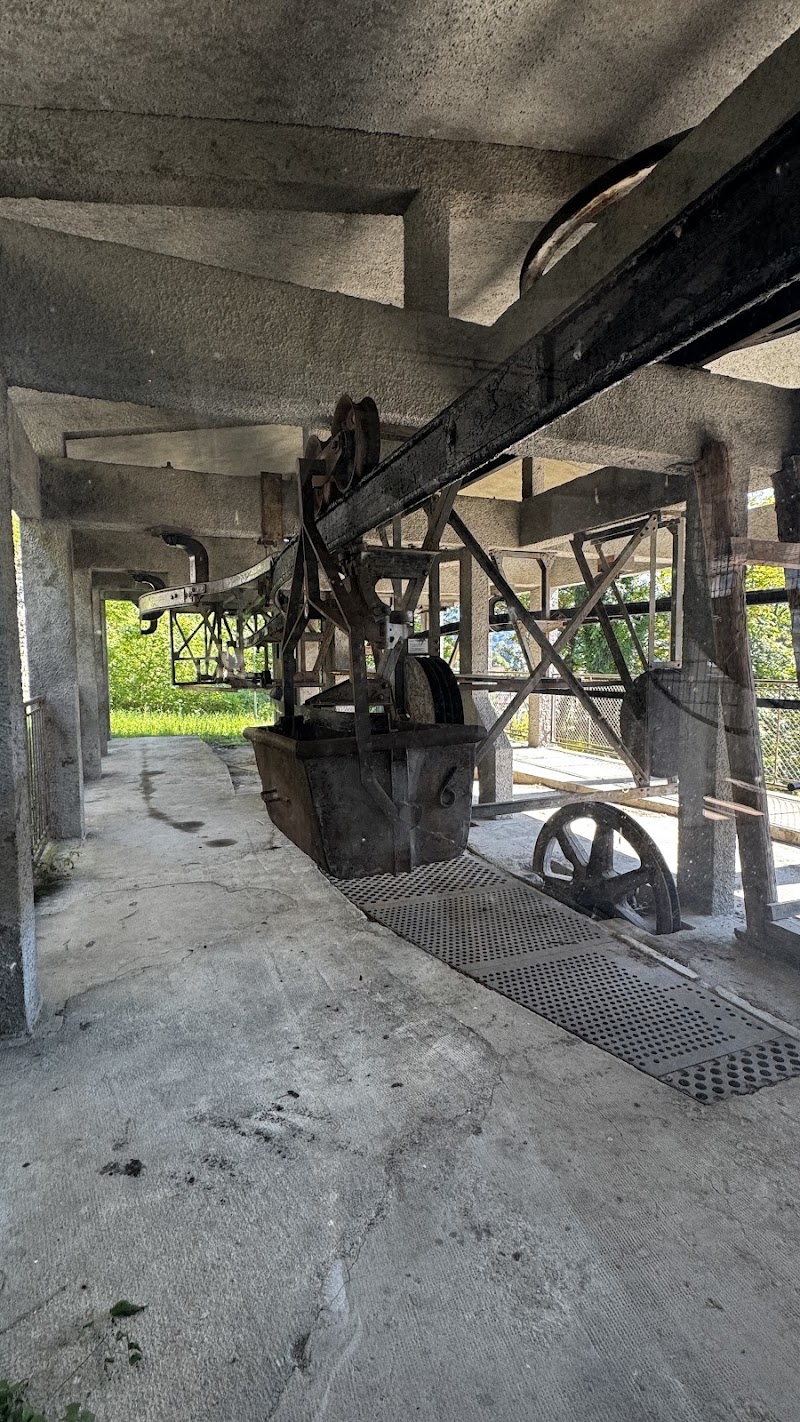
Photos published by travelers on Google, not AI generated.
What stands out
- Engaging and humorous guides
- Five centuries of mercury history
- Exhibitions on smelting and mercury uses
- Clear discussion of environmental impacts
Worth knowing
- Environmental and health themes can be sobering
Don't miss
What comes up most in public reviews
- The mercury-use exhibition
- The smelting plant history exhibition
- A guided explanation of cinnabar processing
- The account of mining’s environmental legacy
Worth the trip?
Why it stands out
Idrija’s Smelting Plant turns a highly technical subject into one of the town’s most approachable heritage experiences. Based on its 4.7 Google rating from 85 reviews, the attraction earns especially strong praise for guided interpretation that combines knowledge, humour and clear storytelling. Several visitors describe it as a favourite among the sites connected with Idrija’s former mercury mine.
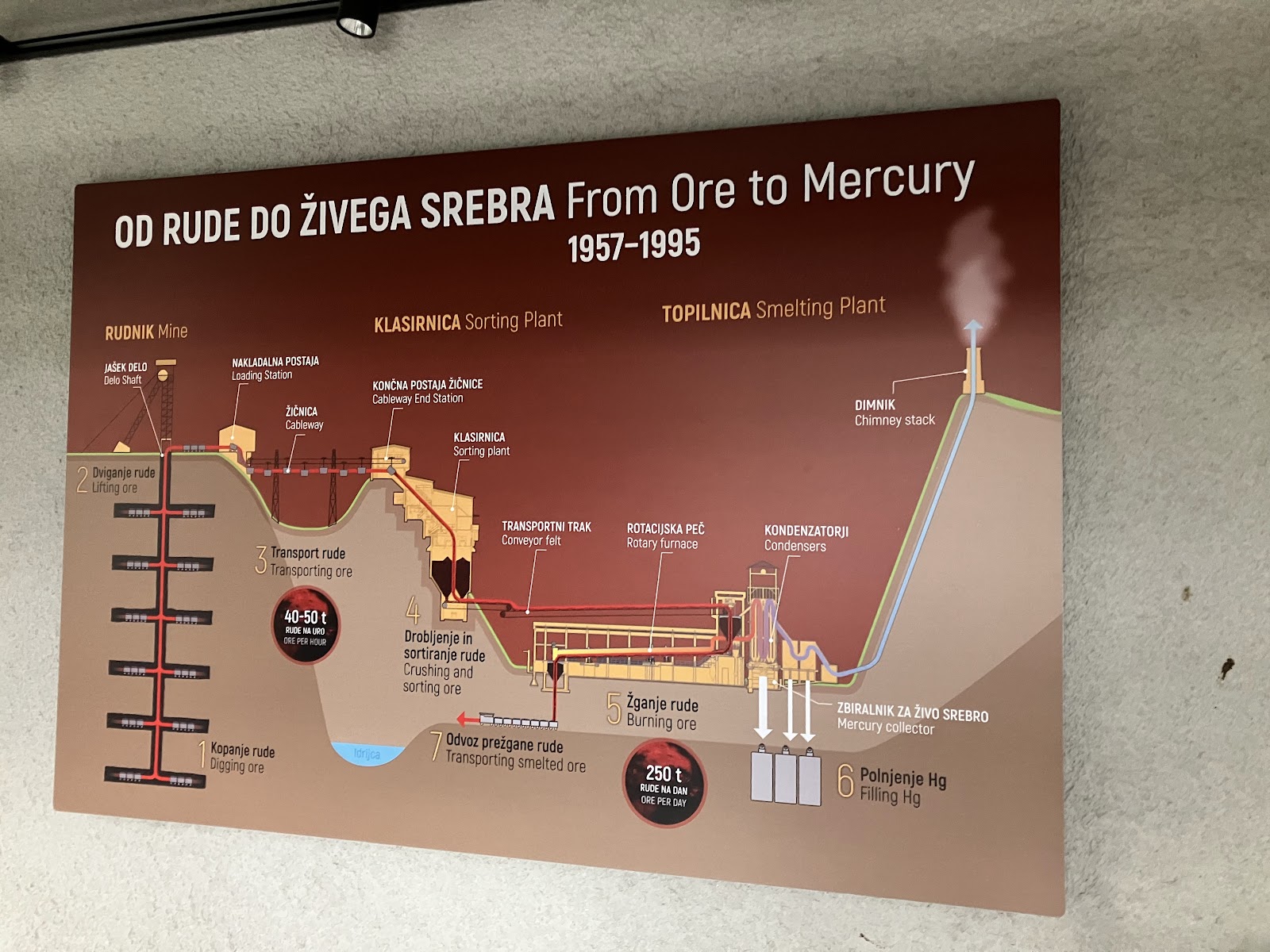
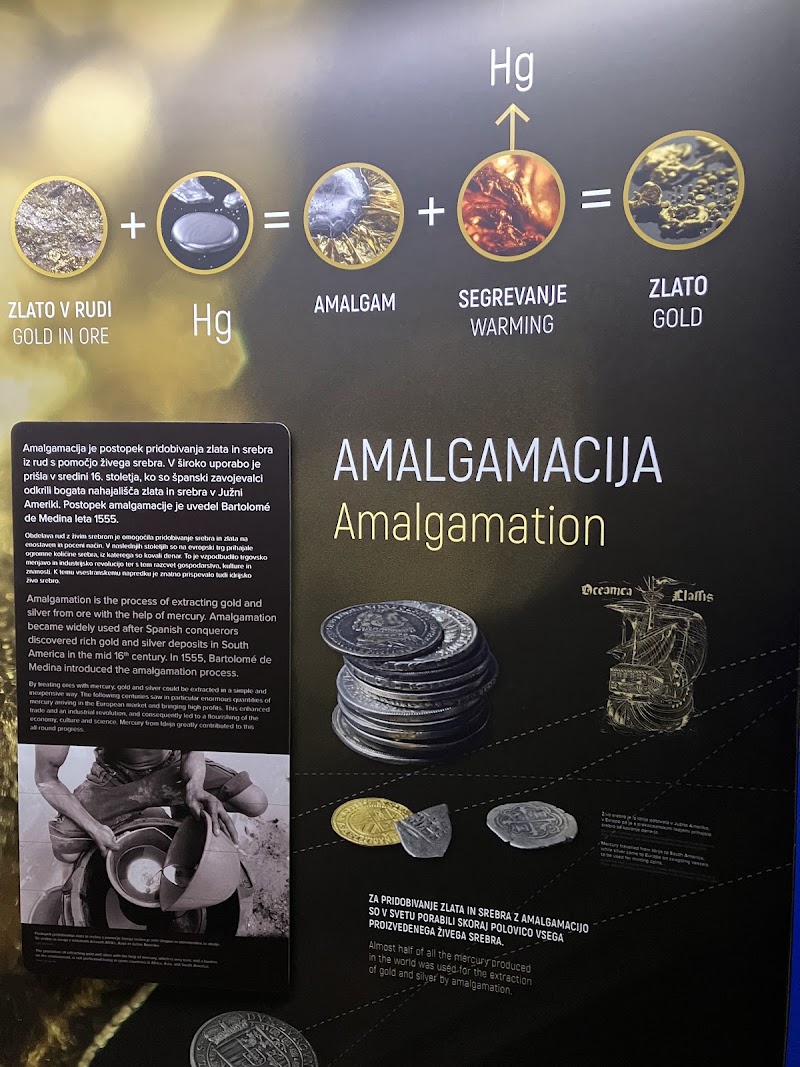
The museum focuses on how cinnabar ore was processed into mercury and how that industry shaped Idrija over roughly five centuries. Rather than presenting mining as an isolated underground activity, the exhibitions follow the material through smelting, production and practical use. That broader approach appears to be a major strength: reviewers repeatedly mention being surprised by the range of products and fields in which mercury once played a role.
The exhibitions and guided experience
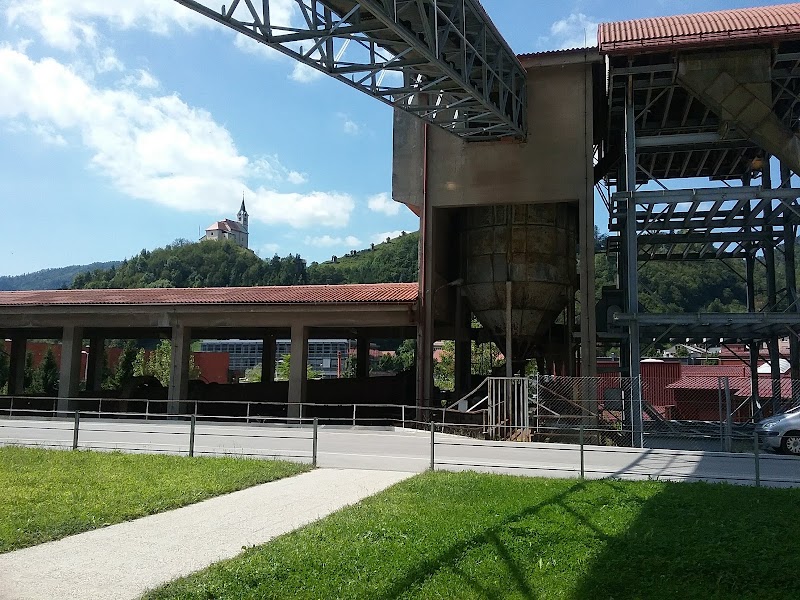
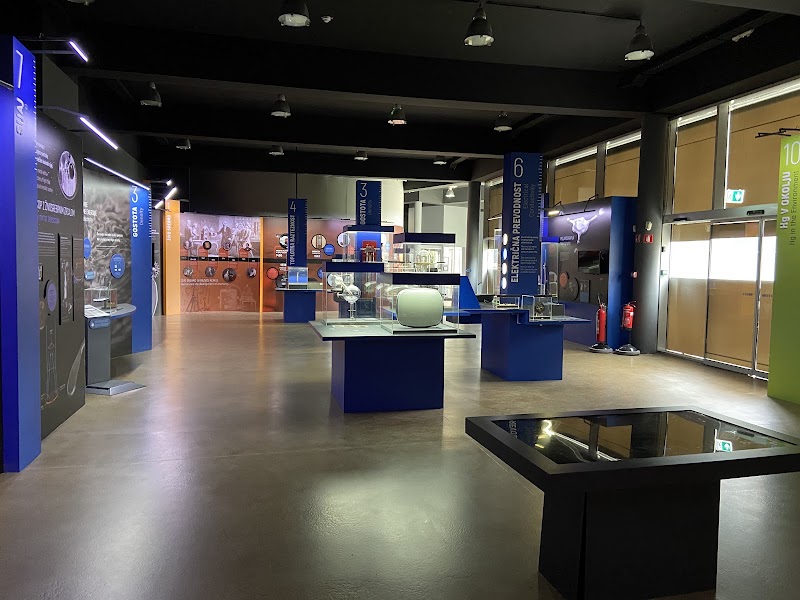
Public reviews consistently identify two core exhibition themes. One covers the history and operation of the smelting plant, while the other explores the uses of mercury. Together, they provide context for both the industrial process and the reasons mercury became so economically important.
The guides receive some of the warmest feedback. Visitors describe explanations delivered with passion, humour and an accessible teaching style, making unfamiliar science and industrial history easier to follow. One review specifically found the presentation effective for children, suggesting that families with curious older kids may get more from the visit than the museum’s specialist subject initially implies.
The experience also works well for travellers arriving with little prior knowledge. Reviewers who knew almost nothing about mercury mining before visiting report leaving surprised by the scale of the industry and the breadth of mercury’s former applications. This is not simply a display of machinery or ore. Its appeal lies in the way the exhibits and guides connect a substance, a production process and the history of an entire town.
A story with difficult consequences
The museum does not appear to romanticise Idrija’s mining past. Reviews highlight attention to the environmental and human consequences left by centuries of mercury extraction and processing. Mercury’s circulation in the environment, occupational health concerns and the continuing legacy of industrial activity all form part of the story visitors take away.
That balance gives the attraction more weight than a straightforward industrial museum. The achievements of the mine and smelting operation sit alongside questions about pollution, worker health and the long-term cost of production. Some of this material may feel sobering, particularly for families, but it is central to understanding why Idrija’s mercury heritage matters.
Who should visit
The Smelting Plant is best suited to industrial-history enthusiasts, science-minded travellers and visitors exploring Idrija’s UNESCO-recognised mercury heritage. Families may also find it rewarding when a guided visit is available, given the praise for lively, child-friendly explanations.
Reviews suggest that the strongest experience combines both exhibitions with the guide’s interpretation. Travellers choosing among Idrija’s mining-related attractions should consider placing the Smelting Plant high on the list, particularly if they want the clearest account of how cinnabar became mercury, what the metal was used for and what consequences the industry left behind.
Ask anything
Looking for somewhere else?
Keep exploring around Idrija
More from Slovenia
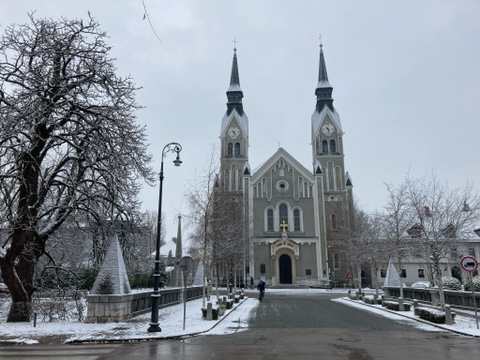
Slovenia · Ljubljana
Plečnik’s Trnovo Bridge: Architecture on the Gradaščica
This tree-planted crossing extends Trnovo Church’s square across the river, combining everyday infrastructure with Plečnik’s distinctive civic design.
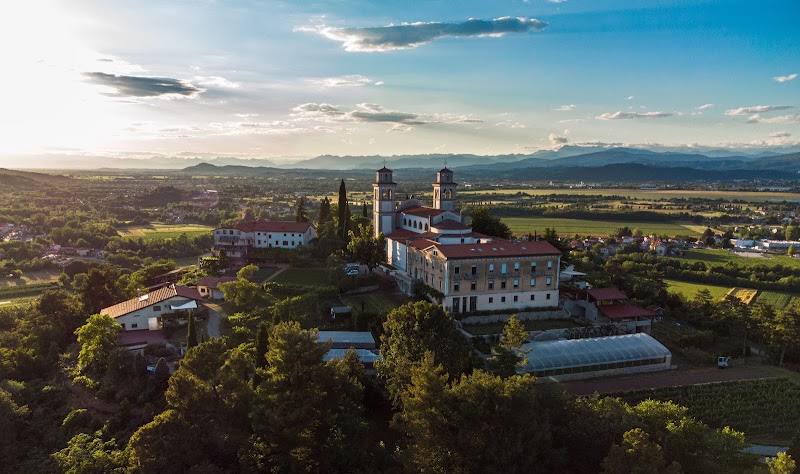
Slovenia · Miren
Miren Castle: A Peaceful Church and Valley Viewpoint
Public reviews frame Miren Castle as a tranquil church site valued more for its natural setting and broad views than for castle architecture.
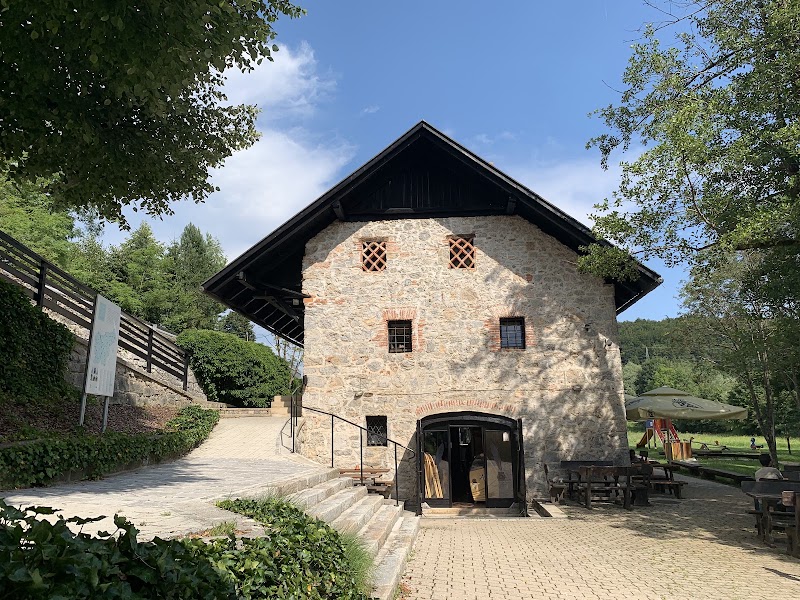
Slovenia · Velike Lašče
Trubar: Slovenian history beside a working mill
This small museum and riverside homestead combines the story of Primož Trubar with shaded grounds, a cafe-bar and an educational trail.
Slovenia · Šmarješke Toplice
Klevevž Castle: nature and bathing, not castle ruins
Public reviews favor Klevevž for its scenery and natural bathing pool, while warning that little remains of the castle itself.