Slave Route Monument: Reflection beneath Le Morne
Stone artworks, mountain views and Mauritius’ history of slavery make this peaceful memorial near Le Morne Beach a worthwhile stop.
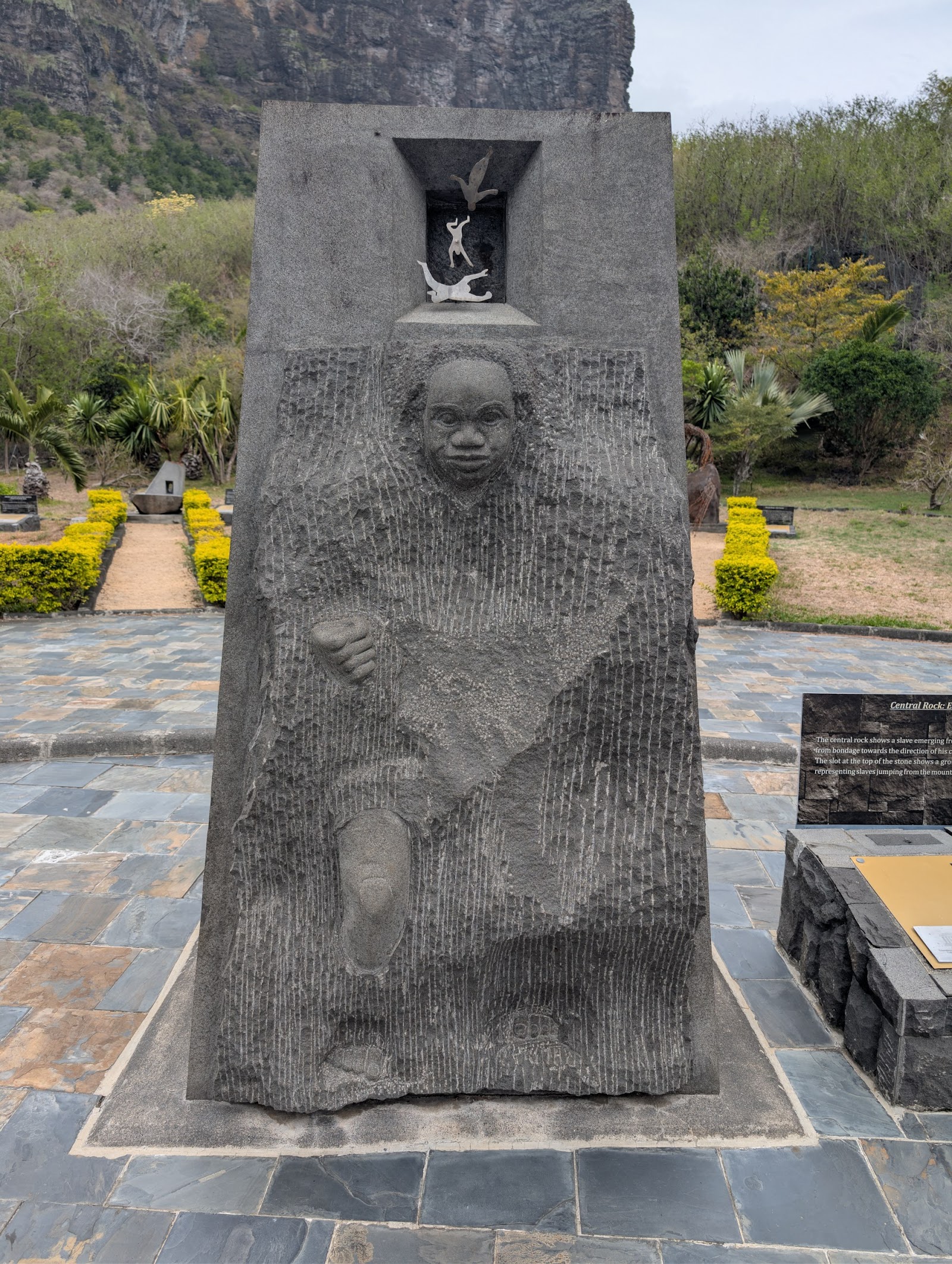
More photos

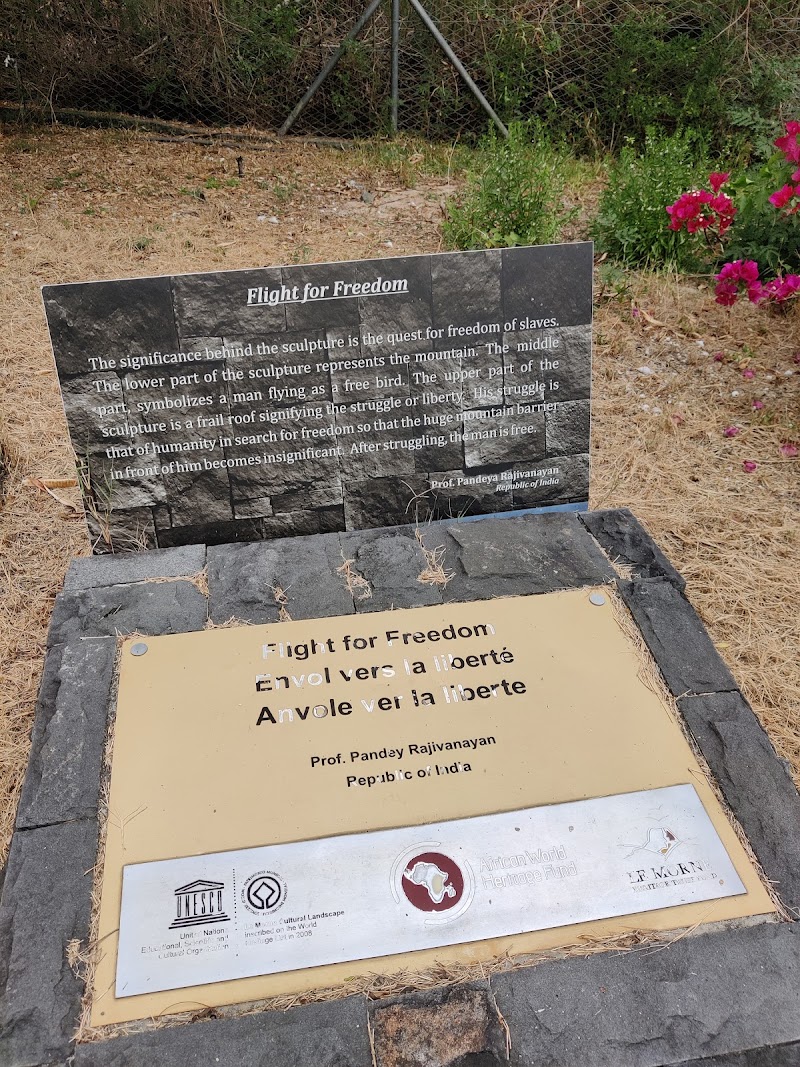


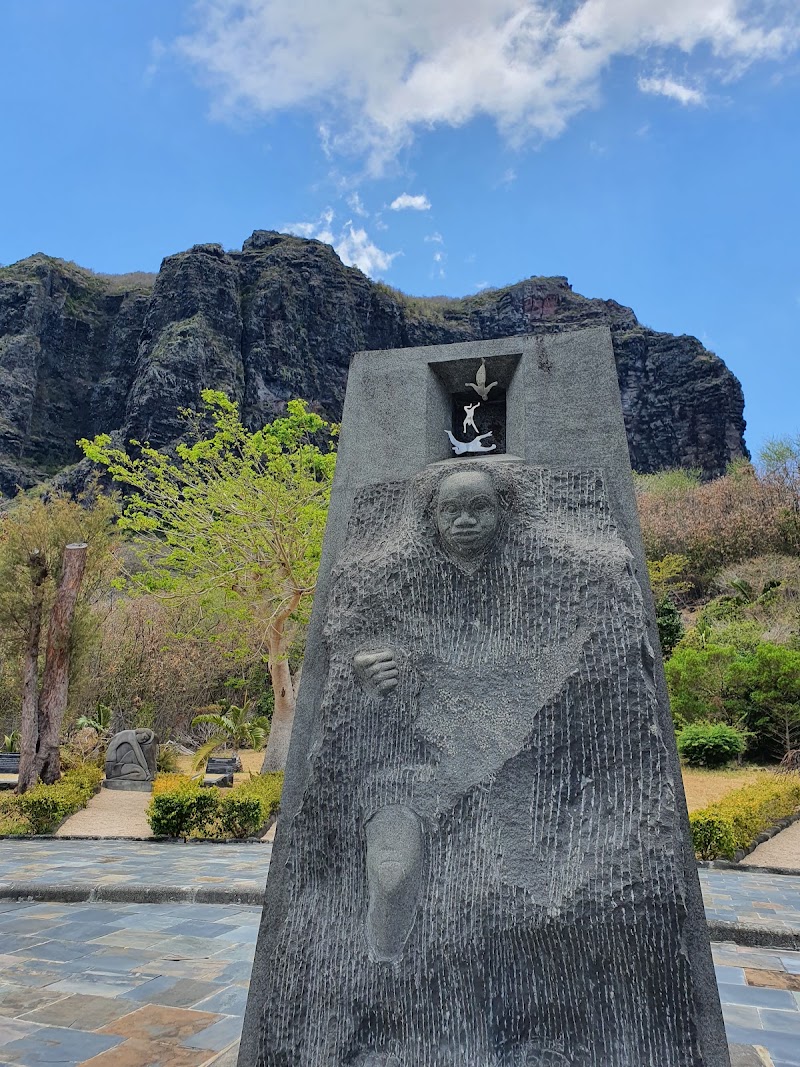
Photos published by travelers on Google, not AI generated.
What stands out
- Stone memorial artworks
- Views of Le Morne Mountain
- English and French explanations
- Peaceful, well-maintained grounds
- Public beach directly opposite
Worth knowing
- The memorial is a small park rather than an extensive museum
- Parking is across the road at the beach
Don't miss
What comes up most in public reviews
- Read the bilingual artwork explanations
- View Le Morne from the monument circle
- Examine the stone installations
- Combine the stop with Le Morne Beach
Worth the trip?
Why it matters
Public feedback presents the Slave Route Monument as a compact but culturally significant place of remembrance. With a Google rating of 4.5 from 225 reviews, it is repeatedly described as meaningful, peaceful and thought-provoking rather than as a conventional sightseeing attraction.
The monument commemorates enslaved people in Mauritius and draws attention to the island’s history of slavery, resistance and the struggle for freedom. Reviews often connect the memorial with Le Morne Mountain, which served as a refuge for escaped enslaved people, known as maroons, during the 18th and early 19th centuries. That wider historical context gives the site much of its emotional weight.
Travellers tend to recommend it as a worthwhile stop while exploring the Le Morne area. Its appeal lies in the combination of history, art and landscape, with the mountain forming a striking backdrop and the public beach directly opposite.
Art, interpretation and atmosphere
The memorial occupies a small park-like space containing multiple stone artworks and installations. Reviewers note that pieces come from around the world, creating a broader reflection on slavery and its legacy. The installations are arranged within a monument circle, with Le Morne visible beyond them.
Explanatory material in English and French helps visitors understand the artworks and the history they represent. One reviewer also mentions clear, concise information from a guide. Across the feedback, the interpretation is considered accessible enough to make the stop informative without overwhelming the setting itself.
The atmosphere receives almost as much praise as the memorial content. Reviews describe the grounds as well maintained, calm and suitable for quiet reflection. This is not presented as a large museum or an attraction filled with activities. Instead, it is a contemplative outdoor space where the carvings, historical narrative and scenery work together.
Views and practicalities
Several reviewers single out the view of Le Morne Mountain from inside the monument circle. The proximity of the beach adds another scenic element, with mountain views in one direction and the public shoreline behind the memorial. That setting makes the monument easy to combine with time at Le Morne Beach.
Parking is reported to be plentiful across the road at the beach, followed by roughly a one-minute walk to the monument. The site itself is described as a small park area, so most travellers are likely to treat it as a short stop rather than a half-day attraction. Its modest scale is part of the experience, but visitors expecting an extensive museum may find it limited.
Editorial verdict
Synthesised public reviews suggest that the Slave Route Monument succeeds through clarity, setting and restraint. The stone installations provide a tangible focus for learning about Mauritius’ history of slavery, while Le Morne Mountain reinforces the connection to resistance and freedom.
It is best approached with enough time to read the bilingual explanations, examine the individual artworks and pause for the mountain view. For travellers already visiting Le Morne, the memorial adds essential historical context to a landscape more commonly associated with beaches and scenery.
Ask anything
Looking for somewhere else?
Keep exploring around Le Morne
More from Mauritius
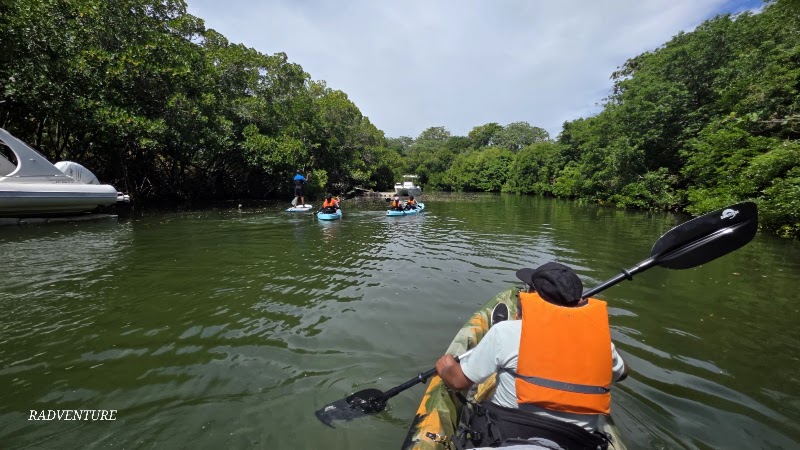
Mauritius · Rivière du Rempart
Radventure Experience Mauritius: Kayaking with confidence
Strong public feedback points to supportive guides, well-paced kayaking and memorable river-to-sea scenery around Mauritius.
Mauritius · Curepipe
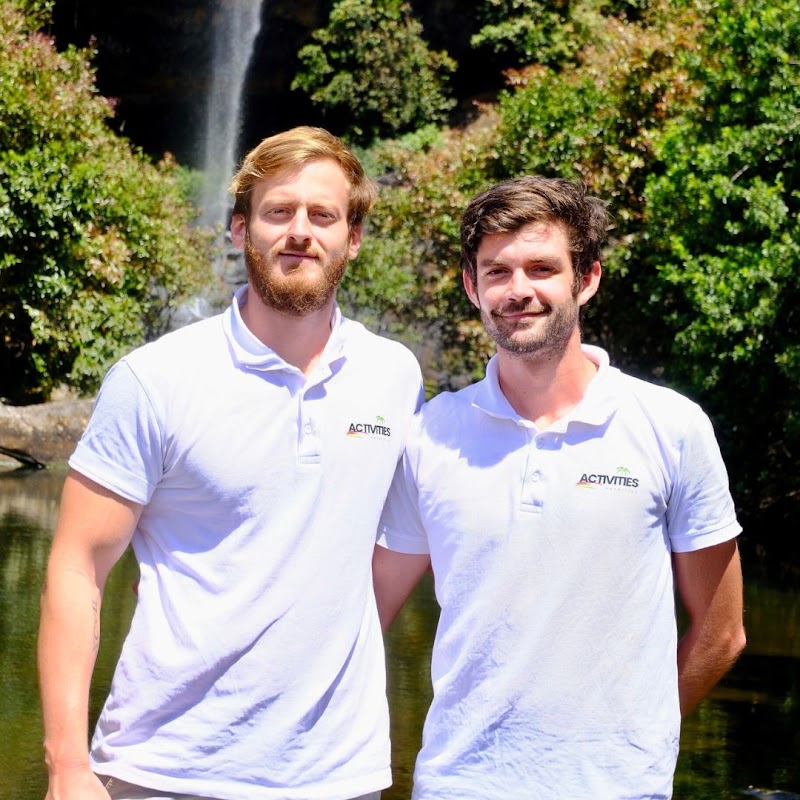
Activities Mauritius: Guided Hikes With a Personal Touch
Strong guide feedback and memorable routes make this Curepipe operator a compelling choice for active days in Mauritius.

Mauritius · Tamarin
Lokal Adventure: Dolphin Kayaking and Waterfall Hikes
Strong reviews highlight respectful dolphin encounters, memorable guided hikes and attentive photography, though guide engagement can vary.
Mauritius · Chamarel
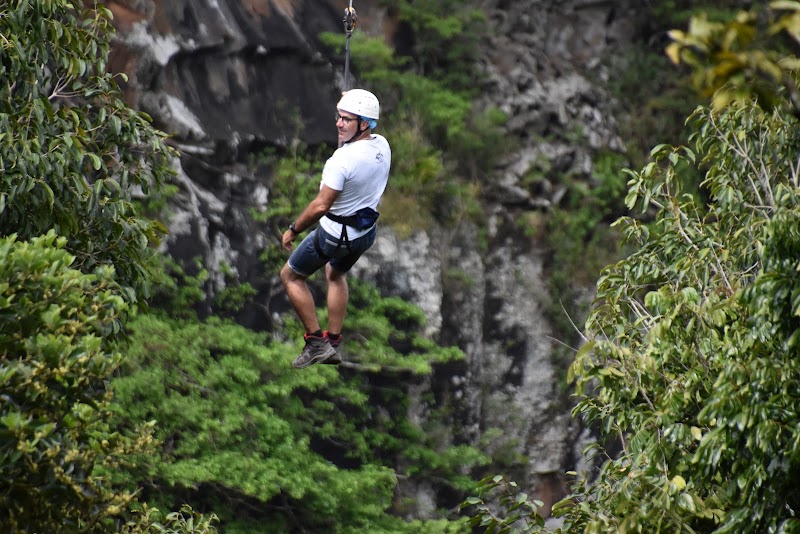
Lavilleon Adventure Park: Forest Views and Outdoor Action
Public reviews point to a scenic Chamarel adventure park combining ziplining, quad biking, hiking, horse riding and quiet forest walks.