Skogskyrkogården: Architecture in a Living Cemetery
Stockholm’s UNESCO-listed woodland cemetery combines Gunnar Asplund’s architecture with expansive grounds shaped for quiet reflection.
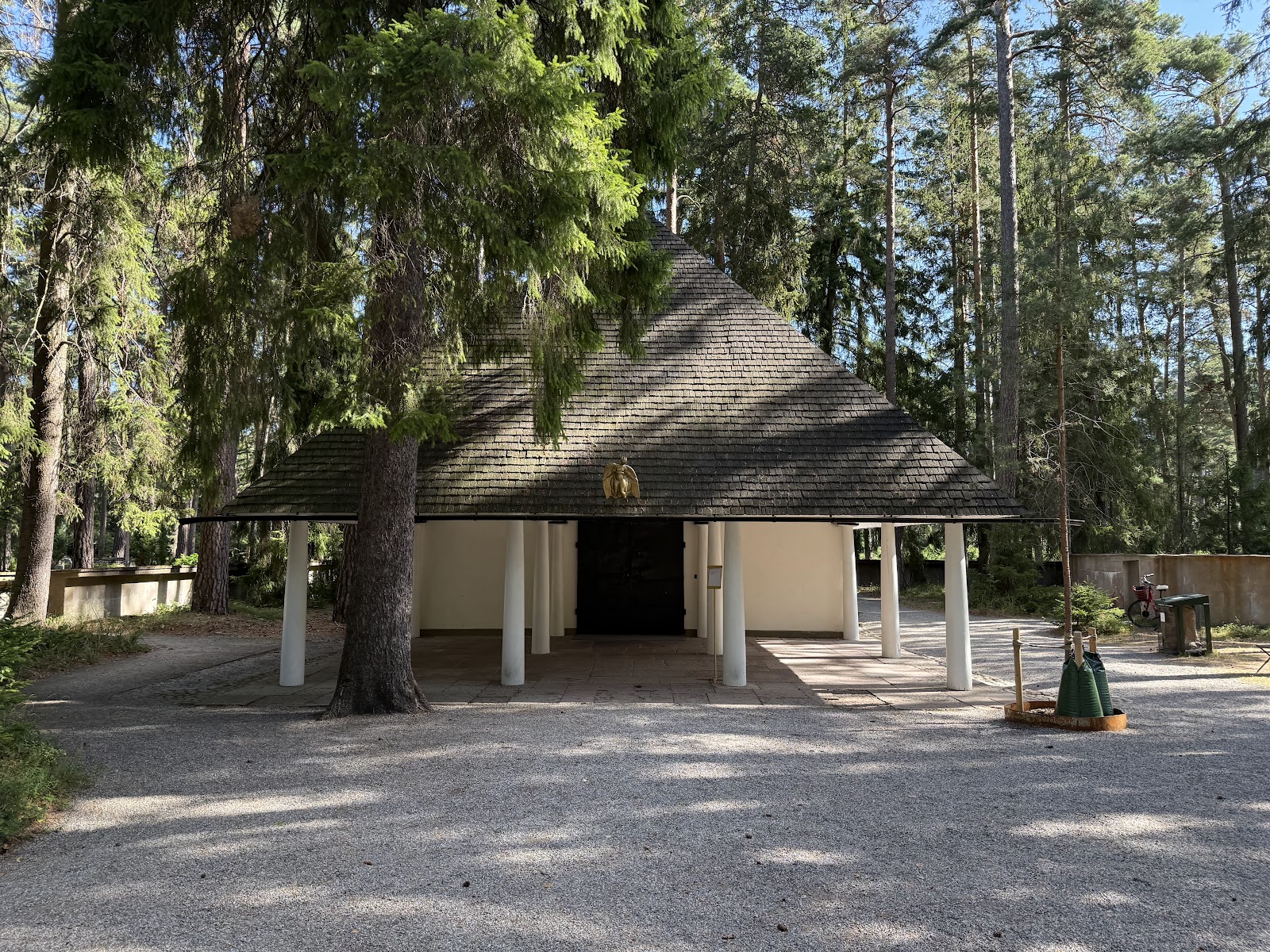
More photos
Photos published by travelers on Google, not AI generated.
What stands out
- Gunnar Asplund’s architecture
- Expansive woodland grounds
- Calm, contemplative atmosphere
- Woodland Crematorium and chapels
- Visitor centre and cafe
Worth knowing
- Visitor centre closes during winter
- Chapel interiors are generally inaccessible
- Past reviews mention renovation obstructions
Don't miss
What comes up most in public reviews
- Downloadable history and architecture audio guide
- Woodland Crematorium and chapels
- Gunnar Asplund’s grave
- Greta Garbo’s grave
- Visitor centre and cafe
Worth the trip?
Why it stands out
Synthesizing its 4.7 Google rating from 587 reviews, Skogskyrkogården emerges as one of Stockholm’s most distinctive architectural landscapes. Visitors repeatedly describe an unusual balance between monumental design, woodland scenery and the everyday rhythms of an active cemetery. The atmosphere is calm rather than conventionally touristic, with locals also using the extensive grounds for walking and jogging.
Its UNESCO World Heritage status may not be immediately self-explanatory to every visitor. Some reviewers admit that the significance only becomes clear after learning more about the site’s planning, history and architecture. Those arriving solely to see a famous grave may still be struck by the scale. One traveller who came to pay respects to Greta Garbo described being surprised by how vast the cemetery felt.
Architecture and landscape
Architecture is the strongest recurring reason to visit. Reviewers single out Gunnar Asplund’s work and the Woodland Crematorium and chapels near the main entrance. The buildings are integrated into a broad landscape of trees, paths, lawns and burial areas, creating an experience that unfolds gradually rather than around one central landmark.
The chapels are part of a working cemetery and are regularly used for services, so interior access should not be assumed. A reviewer notes that small glass openings provide limited views inside. Past reports also mention renovation equipment blocking parts of the main architectural view, making it sensible to check current conditions before travelling specifically for photography or building access.
Beyond the principal structures, the grounds receive consistent praise for tranquillity. Even a reviewer initially concerned that the visitor centre and cafe might create inappropriate noise found that this was not a problem. Public feedback generally portrays the site as spacious enough to absorb visitors without losing its contemplative character.
Planning the visit
One reviewer estimates the journey from central Stockholm at around 40 minutes by train. Combined with the size of the cemetery, that makes half a day a more comfortable allowance than a rushed stop. The grounds can involve substantial walking, particularly for anyone seeking individual graves as well as the main architectural ensemble.
The visitor centre is reported to close during the winter season, so travellers interested in its interpretation facilities should favour another time of year and confirm opening details. The cafe is also praised, although its availability should be checked alongside the visitor centre.
A downloadable audio guide is repeatedly useful in explaining why the landscape matters. One reviewer found that its historical and architectural context substantially improved the visit and noted that it could be saved as a podcast for offline listening. Preparing it before arrival is especially practical if on-site services are closed.
Editorial verdict
Skogskyrkogården is best suited to travellers interested in architecture, landscape design and cultural approaches to remembrance. It is less appropriate for anyone expecting unrestricted chapel interiors or a compact sightseeing circuit. The strongest visit combines the audio guide, the principal buildings and an unhurried walk through the woodland grounds, while respecting funerals and mourners throughout.
Plan the rest of the trip
Ask anything
Looking for somewhere else?
Keep exploring around Stockholm
More from Sweden
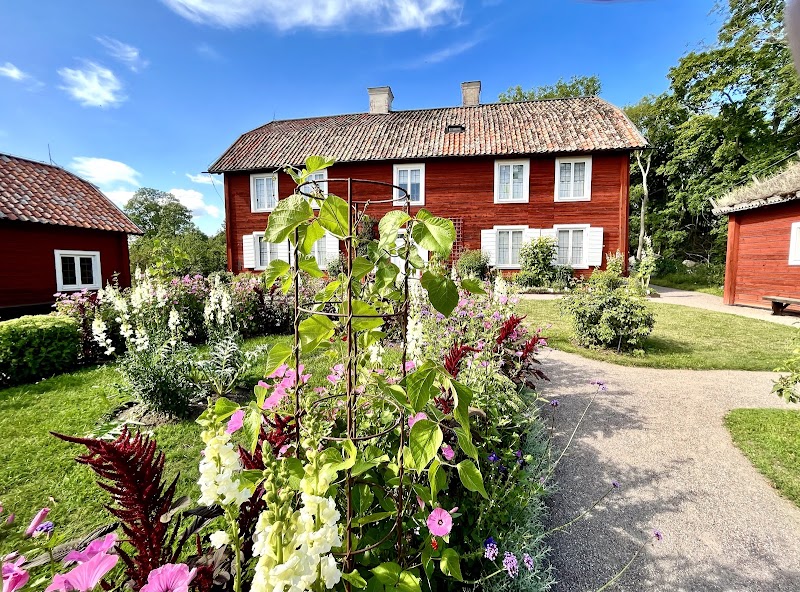
Sweden · Uppsala
Linnaeus’ Hammarby: Botany and history beyond Uppsala
Carl Linnaeus’ former summer residence combines preserved interiors, historic gardens and countryside walks outside central Uppsala.
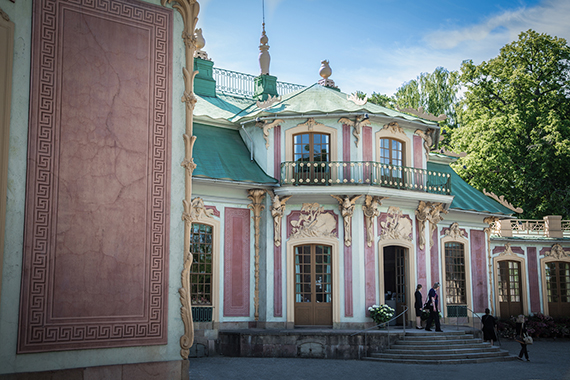
Sweden · Drottningholm
The Chinese Pavilion: A Worthwhile Drottningholm Add-On
A small, atmospheric pavilion reached through Drottningholm’s gardens, best treated as a companion to the palace rather than a standalone outing.
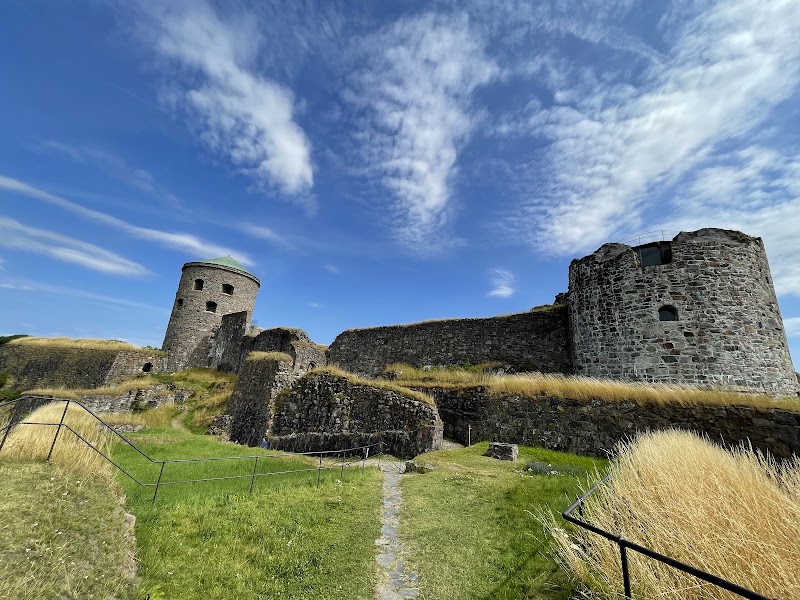
Sweden · Kungälv
Bohus Fortress: Battles, Ruins and Family Activities
Public reviews praise this imposing Kungälv fortress for its turbulent history, atmospheric ruins and summer activities for children.
Sweden · Örebro
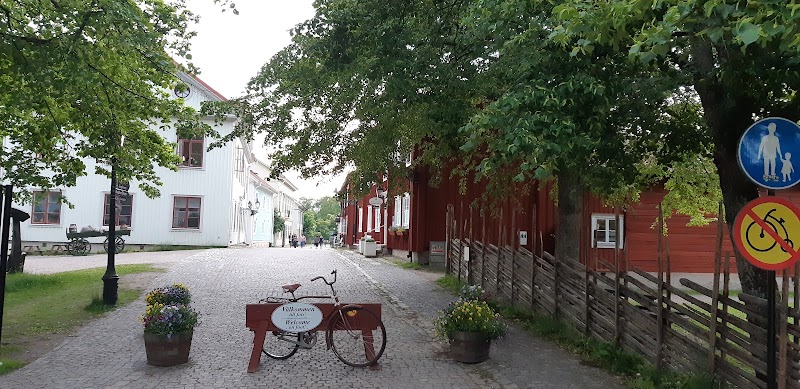
Wadköping: Historic Streets and Riverside Calm in Örebro
Preserved buildings, small shops and nearby parkland make Wadköping an easy, unhurried introduction to Örebro’s past.