Site Museum Farm 6: Stone Spheres and Cultural Context
A compact, thoughtfully presented museum and archaeological site exploring Costa Rica’s stone spheres, Indigenous history and cultural heritage.
More photos

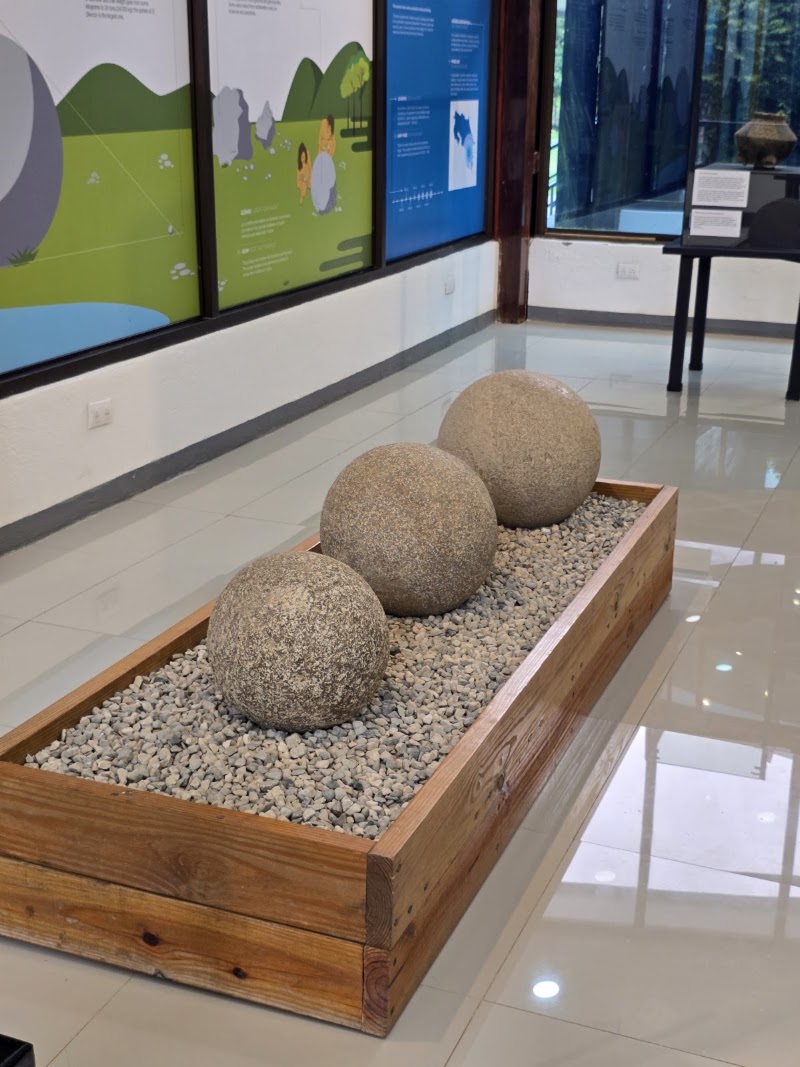

Photos published by travelers on Google, not AI generated.
What stands out
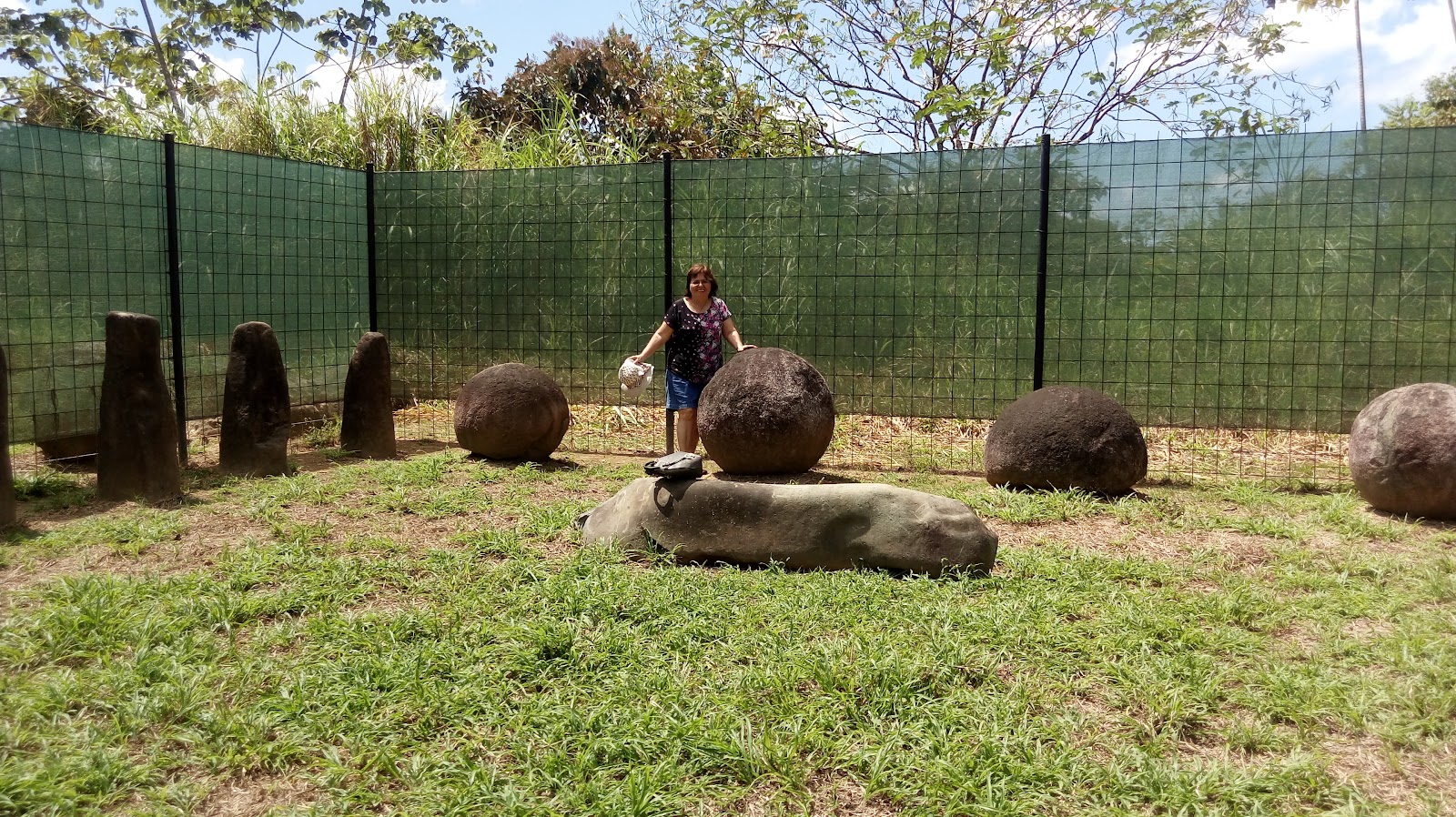
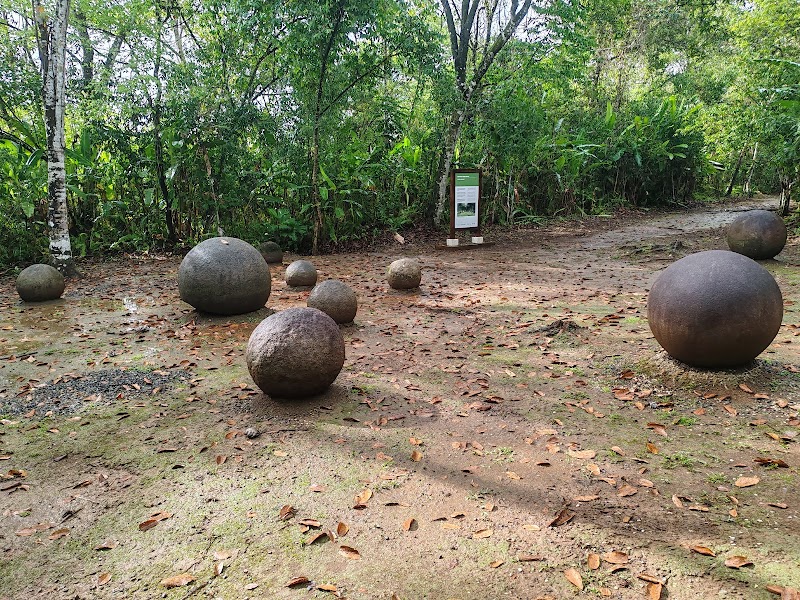
- Stone spheres viewed in person
- Modern, informative museum displays
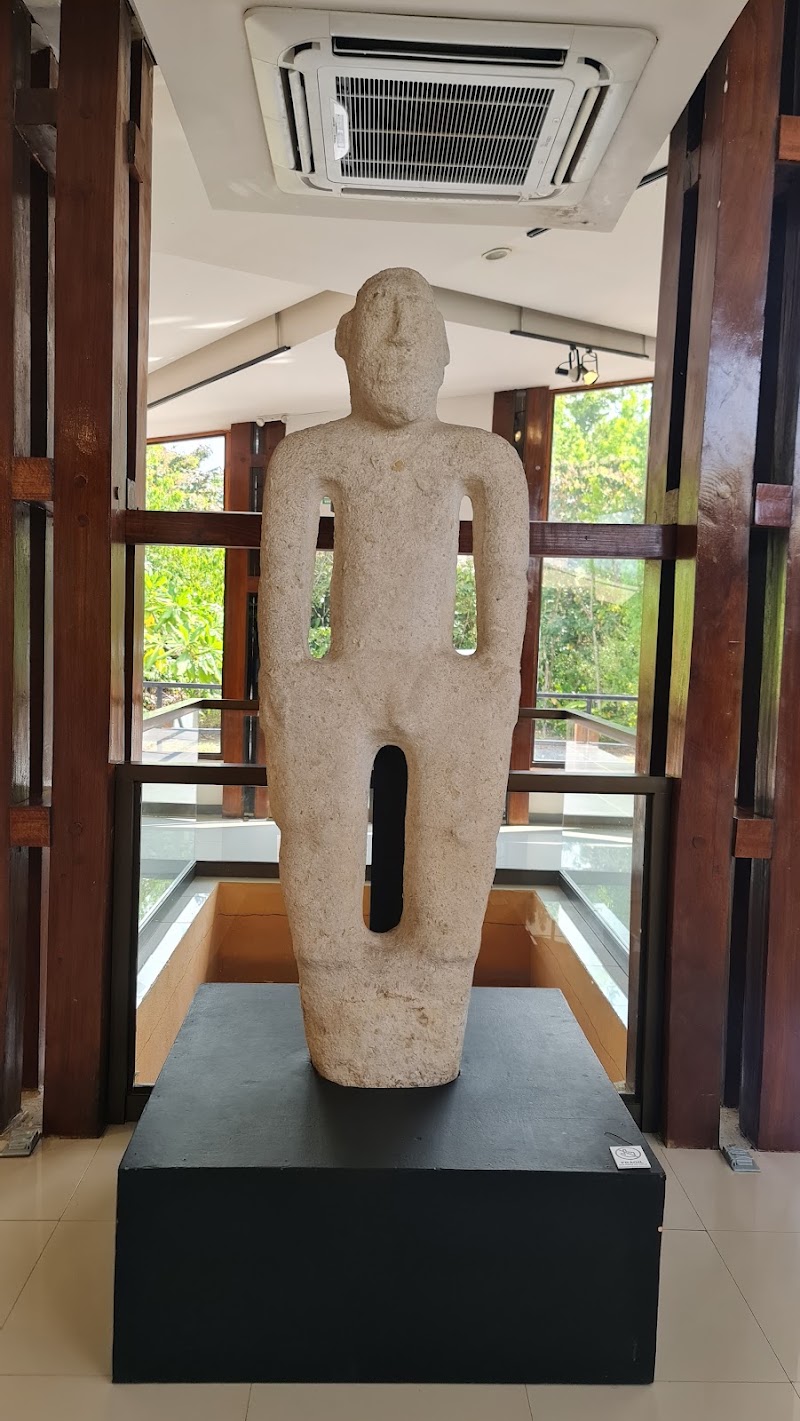
- Pre-Columbian artefacts
- Well-kept archaeological grounds
- Strong cultural heritage focus
Worth knowing
- The indoor museum is relatively small
- The site may require a dedicated drive
Don't miss
What comes up most in public reviews
- The stone spheres
- Displays on possible purposes of the spheres
- Pre-Columbian artefacts
- Interpretation of Indigenous history
Worth the trip?
What public reviews say
Site Museum Farm 6 earns a Google rating of 4.6 from 679 reviews, with public feedback repeatedly praising its informative displays, careful presentation and well-maintained grounds. The stone spheres are the principal draw, but visitors often leave with a broader appreciation of Costa Rican anthropology and the Indigenous communities connected to the site.
The atmosphere also receives positive attention. Reviewers describe the place as special and meaningful rather than merely photogenic, with heritage protection running through the interpretation. One visitor who arrived on a Friday morning reported having the site to themselves, although that single experience should not be treated as a guarantee of light crowds.
Museum and interpretation
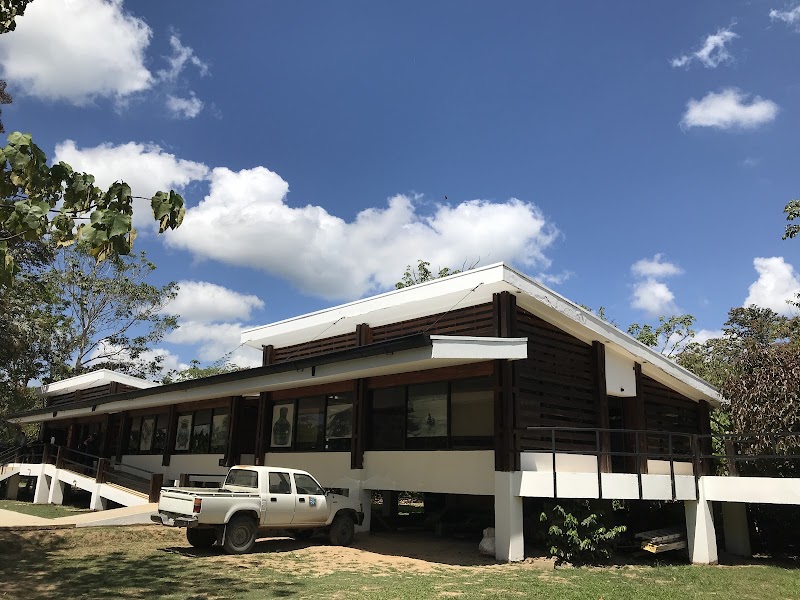
The museum is described as small and modern, with detailed explanations that establish context before or alongside exploration of the outdoor site. Reviews suggest that the exhibition works particularly well for travellers arriving with limited prior knowledge. It introduces the people associated with the area, presents possible interpretations of the spheres’ purpose and displays other pre-Columbian artefacts.
Several reviewers highlight the quality and clarity of the information. The displays appear to do more than identify objects, placing them within wider themes of cultural heritage, Indigenous history and Costa Rican anthropology. This gives the attraction substance despite the museum’s compact scale.
Public feedback also points to a wider historical frame. One reviewer valued the connection between the museum, surrounding towns and the influence of foreign commercial interests on the region. That subject is not emphasized equally in every review, but it suggests the visit can prompt reflection on more recent political and economic history as well as the pre-Columbian past.
The stone spheres and grounds
Seeing the stone spheres in person is the recurring highlight. Visitors who had previously encountered them through documentaries or other media describe the physical experience as impressive. The spheres are presented as part of the archaeological setting rather than as isolated curiosities, helping the museum and grounds feel like a coherent visit.
The site itself is frequently characterized as well cared for. Reviewers appreciate the combination of indoor displays, artefacts and outdoor exploration, along with the sense that the presentation has been designed with respect for the material. Travellers interested in archaeology are likely to find the journey especially worthwhile, while casual visitors may appreciate that the museum provides a clear overview without becoming overwhelming.
Planning the visit
This is best approached as a half-day cultural stop, allowing enough time for the museum, the spheres and the surrounding grounds. The compact exhibition means it may not satisfy travellers seeking a large museum complex, and some reviewers frame it as a destination worth the drive when time permits.
Food need not be part of the attraction itself. One review notes that there are local places to eat in the surrounding area after exploring the park. Combining the museum with nearby towns may also add useful context to the history presented inside.
Ask anything
Looking for somewhere else?
Keep exploring
More from Costa Rica
Costa Rica · Buenos Aires
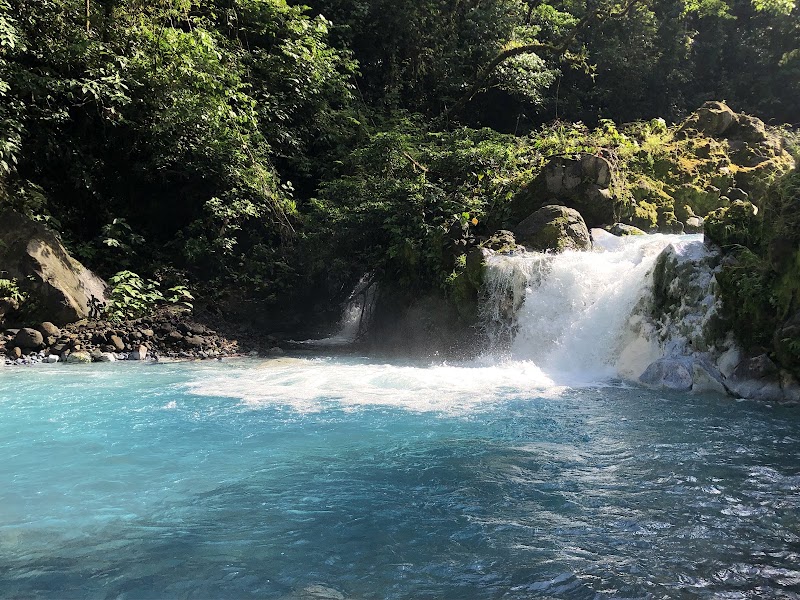
Sensoria: Guided rainforest walks and waterfall swims
Sensoria combines a mild tropical-forest hike, waterfall swimming and detailed nature interpretation in a peaceful guided outing.
Costa Rica · San Pedro
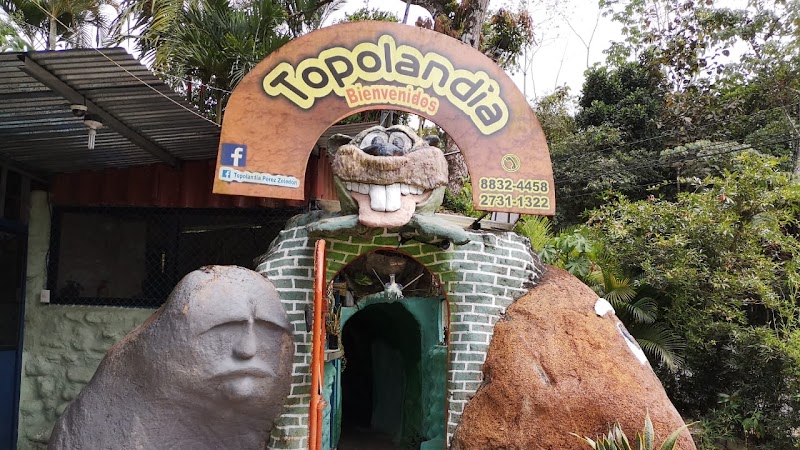
Topolandia: a hand-dug subterranean world in San Pedro
Hand-cut tunnels, underground rooms, carvings and colorful paintings make this family-run attraction one of San Pedro’s more unusual stops.
Costa Rica
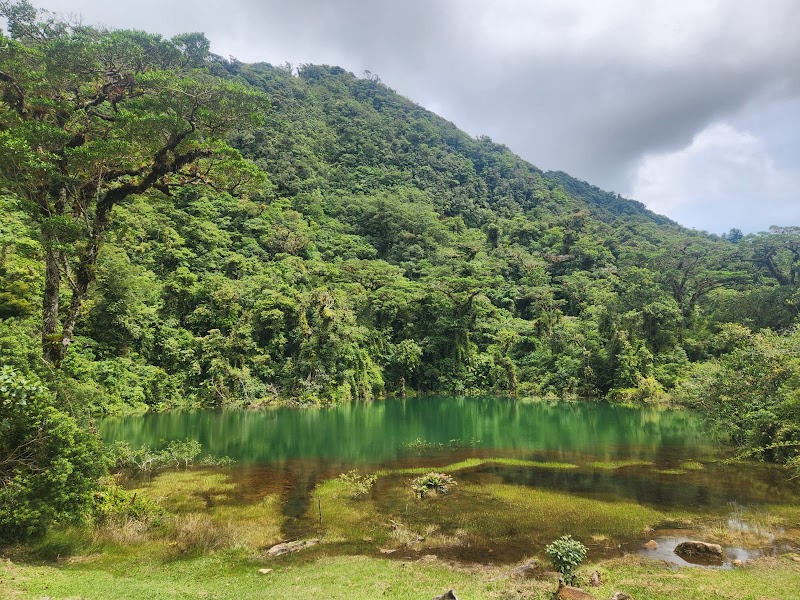
Juan Castro Blanco: Cloud Forest With Access Caveats
Strong reviews praise the scenery and quiet trails, but conflicting access reports make advance confirmation essential.
Costa Rica
Hacienda El Viejo Wetlands: Wildlife, Rum and Culture
Boat trips through wildlife-rich wetlands pair with rum, sugar cane and tortilla experiences at this well-reviewed Costa Rican attraction.