Sinharaja Forest Reserve rewards patient wildlife watchers
Guided walks through dense rainforest reveal endemic birds, reptiles, waterfalls and fungi, with a full day giving visitors the best chance of sightings.

More photos
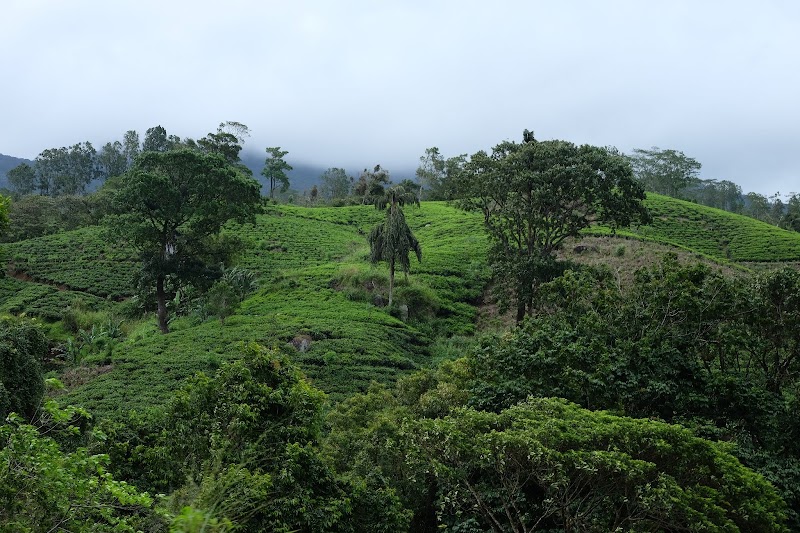
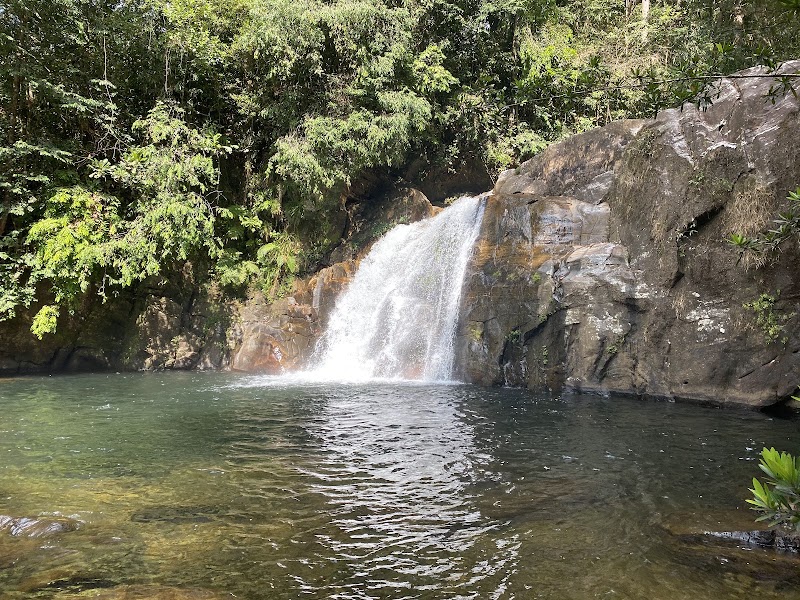
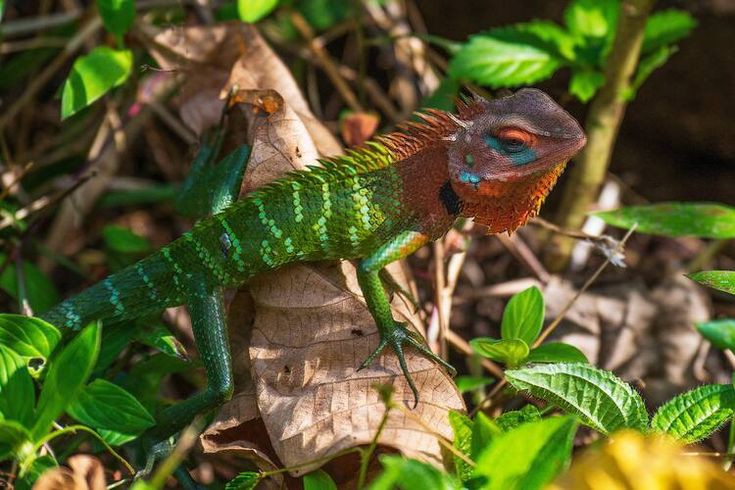
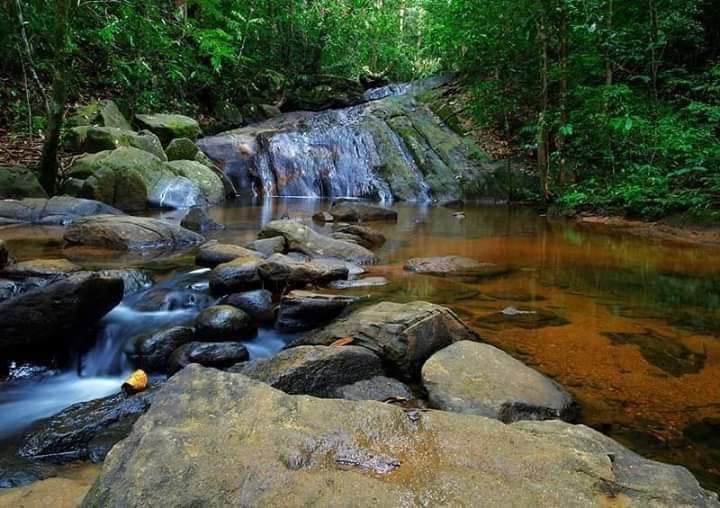
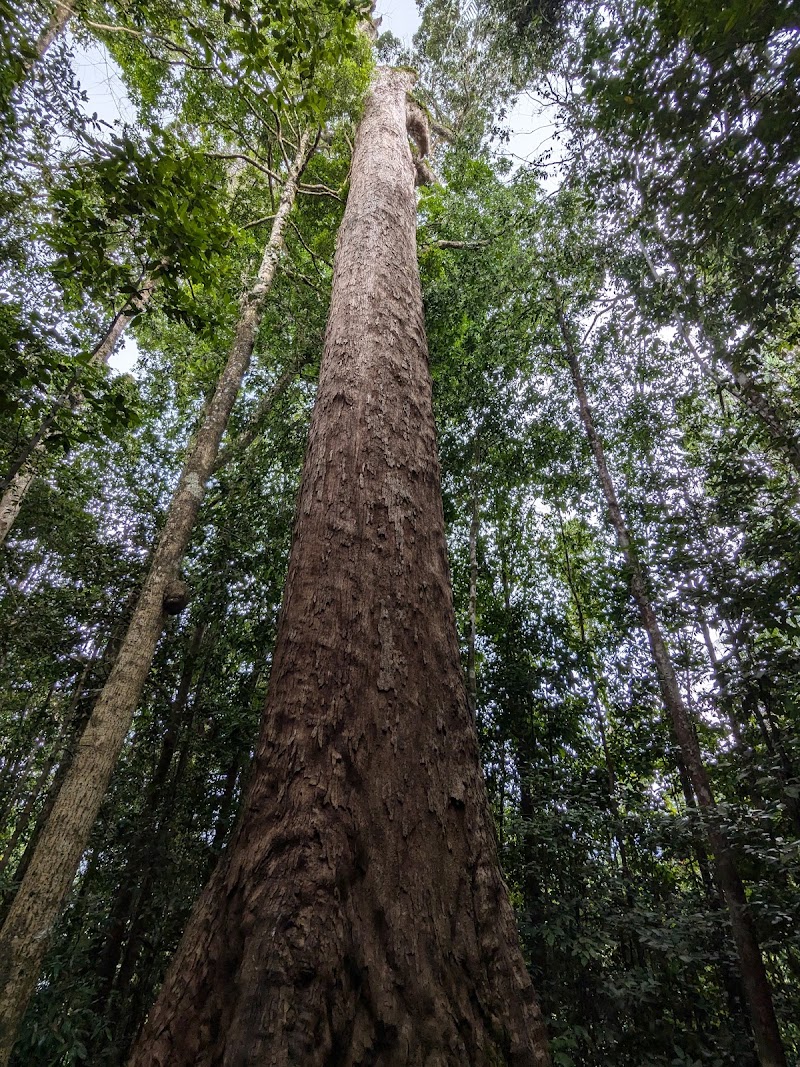
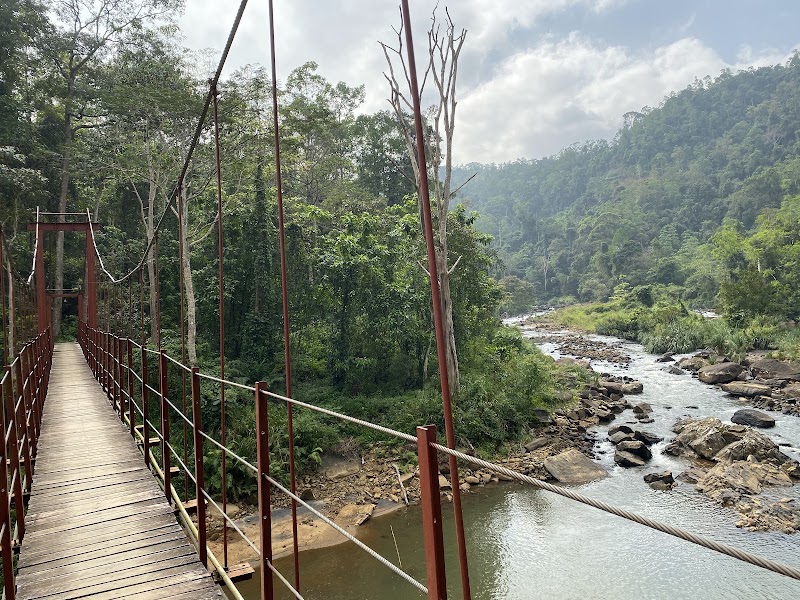
Photos published by travelers on Google, not AI generated.
What stands out
- Endemic wildlife sightings
- Guide-assisted bird and reptile spotting
- Forest waterfalls
- Mushrooms and dense vegetation
Worth knowing
- A guide is described as mandatory
- Allow time to arrange tickets and a route
- Wildlife sightings cannot be guaranteed
Don't miss
What comes up most in public reviews
- Ask guides to spot endemic birds
- Choose destinations using the entrance map
- Look for lizards, snakes and mushrooms
- Include waterfalls in the route
Worth the trip?
Why Sinharaja stands out
Sinharaja Forest Reserve earns a Google rating of 4.6 from 2454 reviews, with public feedback repeatedly praising its dense vegetation, varied wildlife and guided forest walks. Travellers often describe the reserve as a striking contrast to other stops on a Sri Lankan itinerary. The emphasis is less on covering distance and more on moving slowly enough to notice what lives among the trees.
Reviews report sightings of endemic species alongside monkeys, squirrels, spiders, snakes, water lizards and other reptiles. Birds are a major draw, with magpies and several other species mentioned. Fungi also attract attention, particularly when guides point out mushrooms that visitors might otherwise pass without noticing.
The guided experience
Public reviews indicate that visitors should expect to arrange a guide at the entrance. One account from the Kalawana side describes buying tickets at the counter, studying a map and selecting one or more destinations before setting out. The same reviewer understood guides to be compulsory, while others simply described them as mandatory.
This requirement is generally presented as a benefit rather than an inconvenience. Travellers say guides help with navigation and dramatically improve wildlife spotting. Several reviews suggest that many birds, lizards, snakes and smaller forest creatures would have gone unseen without an experienced person identifying movement in the foliage. Explanations about each sighting also add depth to the walk.
The forest’s size is another reason to value local guidance. Routes can be chosen around particular destinations, and reviews describe guides leading visitors safely through the reserve. Some experiences also included transport farther into the park and lunch, although those extras should be confirmed when arranging a visit rather than assumed.
What a visit feels like
A full-day outing receives the strongest endorsement in the available feedback. One traveller chose a wildlife-focused hike rather than a walk centred on distance and reported seeing numerous endemic species. Another left Hiriketiya at dawn and considered the journey worthwhile after a day involving waterfalls, birds, reptiles and mushrooms.
The terrain and exact route are not detailed consistently across the reviews, but the overall pattern is clear: Sinharaja suits visitors prepared to spend time observing. Wildlife sightings cannot be guaranteed, yet guides appear to increase the odds by noticing animals that blend into the forest. Waterfalls add a scenic focus beyond animal watching, and several accounts convey a sense of being looked after throughout the excursion.
Planning the day
Visitors should allow enough time at the entrance to buy tickets, arrange a guide and discuss route choices. Anyone entering from the Kalawana side can ask to see the map mentioned in reviews and select destinations according to available time and interests.
An early start makes sense for a full-day experience, especially for travellers arriving from another part of southern Sri Lanka. The reserve is best approached as an attentive nature excursion rather than a fast sightseeing stop. Those most interested in endemic birds, reptiles and forest ecology are likely to gain the most, while the guidance system makes the large reserve feel more manageable.
Ask anything
Looking for somewhere else?
Keep exploring
More from Sri Lanka

Sri Lanka · Dambulla
Dambulla Rock Inscription and the Wider Cave Complex
Strong reviews praise Dambulla’s caves, paintings and Buddha statues, though they offer little detail about the rock inscription itself.
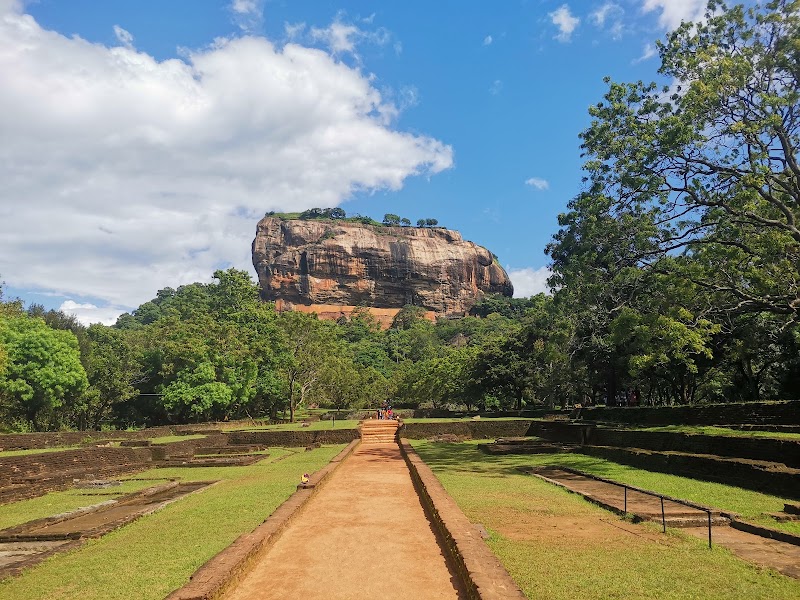
Sri Lanka · Sigiriya
Preaching Rock: Elevated Views Across Sigiriya
Travellers praise the rewarding climb and broad views, while warning that heat, crowds and bottlenecks can complicate the experience.
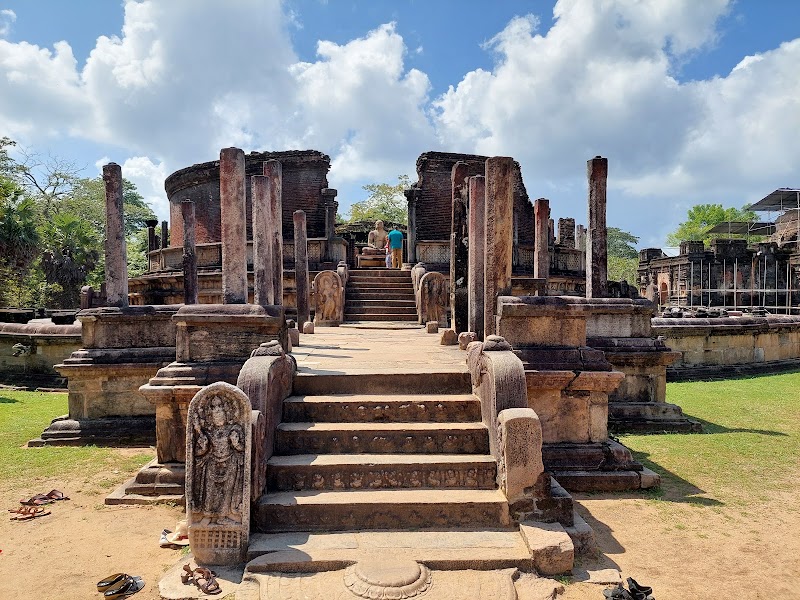
Sri Lanka · Polonnaruwa
Vatadage: Polonnaruwa’s Refined Circular Relic House
Intricate carvings, balanced architecture and serene Buddha statues make the Vatadage a standout within Polonnaruwa’s ancient city.
Sri Lanka · Polonnaruwa
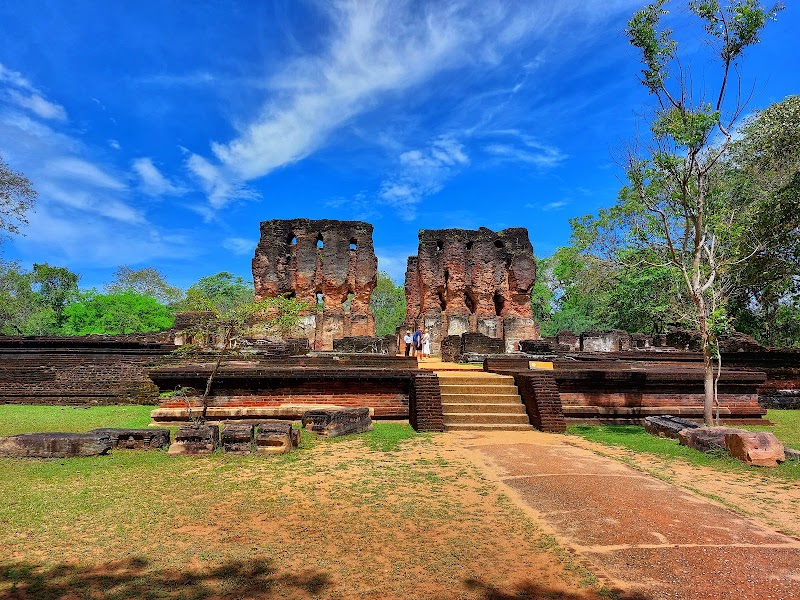
Royal Palace of King Parakramabahu: Monumental Ruins
Massive brick walls and traces of timber construction reveal the scale of this ancient royal complex in Polonnaruwa.