Simtokha Dzong: Bhutanese history in a quieter setting
Public reviews praise Simtokha Dzong for its historic architecture, Buddhist artwork, calm atmosphere and strong sense of spiritual continuity.
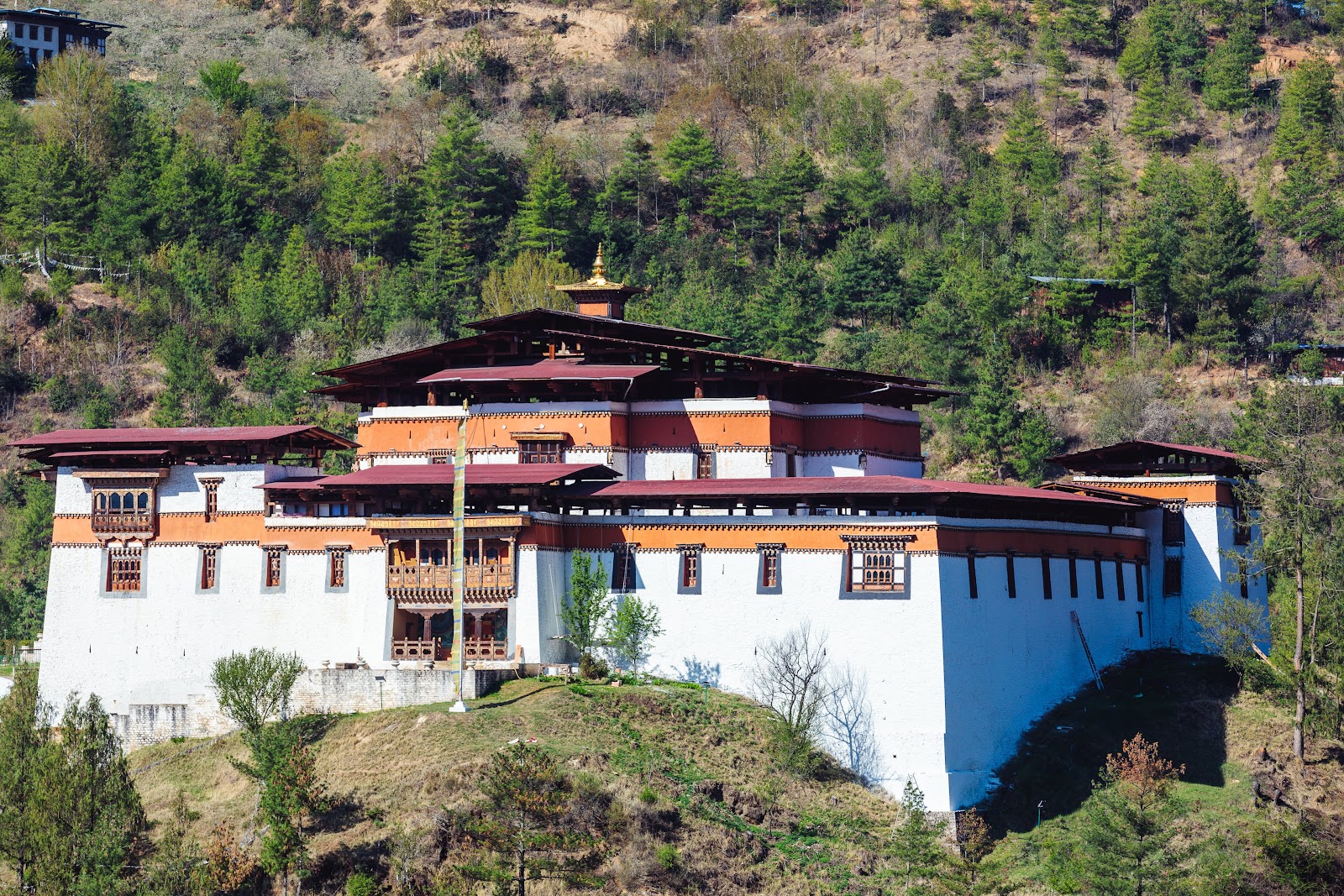
More photos
Photos published by travelers on Google, not AI generated.
What stands out
- Historic fortress-monastery
- Traditional 17th-century architecture
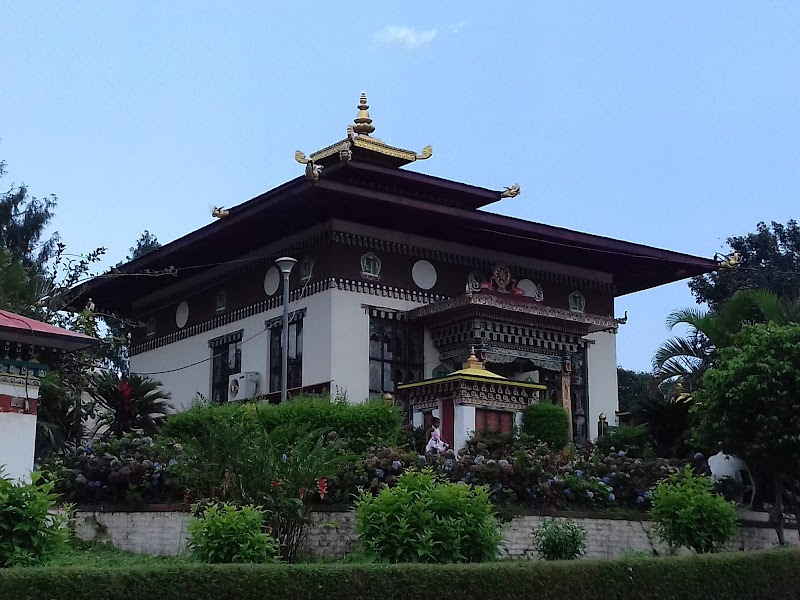
- Buddhist murals, mandalas and carvings
- Calm, contemplative atmosphere
Don't miss
What comes up most in public reviews
- Study the Buddhist murals and sacred artwork
- Look closely at the traditional dzong architecture
- Explore its fortress-monastery history
Worth the trip?
Why it stands out
With a Google rating of 4.5 from 479 reviews, Simtokha Dzong draws frequent praise for its historical importance and contemplative atmosphere. Visitors call it Bhutan’s oldest surviving dzong, built in 1629 by Zhabdrung Ngawang Namgyal, the figure associated with the unification of Bhutan.
Public reviews commonly present the structure as an early example of Bhutan’s distinctive fortress-monastery tradition. It once served religious, defensive and administrative functions, according to reviewers, so there is more to take in here than an attractive historic building. That history carries real weight for travellers interested in the close development of Bhutanese political and spiritual life.
There is folklore, too. One review recounts the legend behind the name, translated there as “Demoness on the Stone.” In that account, the dzong was built over a rock to contain a hostile spirit, adding another layer to its recorded history.
Architecture and sacred art
Traditional 17th-century architecture comes up repeatedly in reviews. Simtokha Dzong is smaller than some other Bhutanese dzongs, but visitors often treat that scale as an advantage. They point to its age and preserved character, along with the chance to examine architectural details without feeling overwhelmed by the building.
Inside, reviews mention murals, mandalas, sacred carvings and artwork depicting Buddhist teachings. One account singles out rows of clean, sparkling butter lamps or diyas, as well as a large seated Buddha in meditation. These are not described as incidental decoration. They sit at the heart of the visit.
The effect goes beyond appearance. Several reviewers link the art and architecture to humility, stillness and awe. Simtokha Dzong should therefore appeal most to travellers who care about atmosphere and cultural context as much as photography.
Atmosphere and setting
Calm is a constant thread in the available feedback. Reviewers compare Simtokha Dzong with busier attractions, describing it as quiet, meaningful and spiritually resonant. Crowds will inevitably vary from one day to another, but public comments suggest there is often room to look around without rushing.
The dzong is a short drive from Thimphu, making it a practical cultural stop that does not demand a long onward journey. One visitor also praises the views from the top, bringing a scenic dimension to a visit otherwise centred on history and religion.
Overall verdict
Synthesised public feedback points to Simtokha Dzong as a compact yet significant introduction to Bhutanese history, Buddhist art and traditional dzong architecture. Its age matters. So do the detailed interiors and the quiet mood visitors regularly report.
It may lack the monumental scale of larger fortress-monasteries, but reviews indicate that its intimacy is part of the attraction. Simtokha Dzong best suits travellers willing to slow down, inspect the artwork and consider the building’s historical role, rather than treating it as a quick photo stop.
Plan the rest of the trip
Ask anything
Looking for somewhere else?
Keep exploring around Tshatshobaykha
More from Bhutan
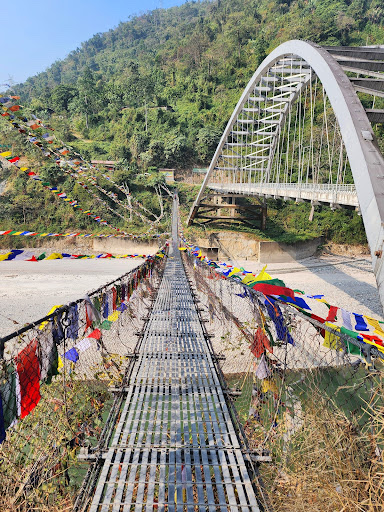
Bhutan · Pachu
Amochu Suspension Bridge: A Scenic Walk Over the River
Public reviews rate this Pachu attraction highly for its river views, mountain setting and short suspension-bridge walk near Phuentsholing.
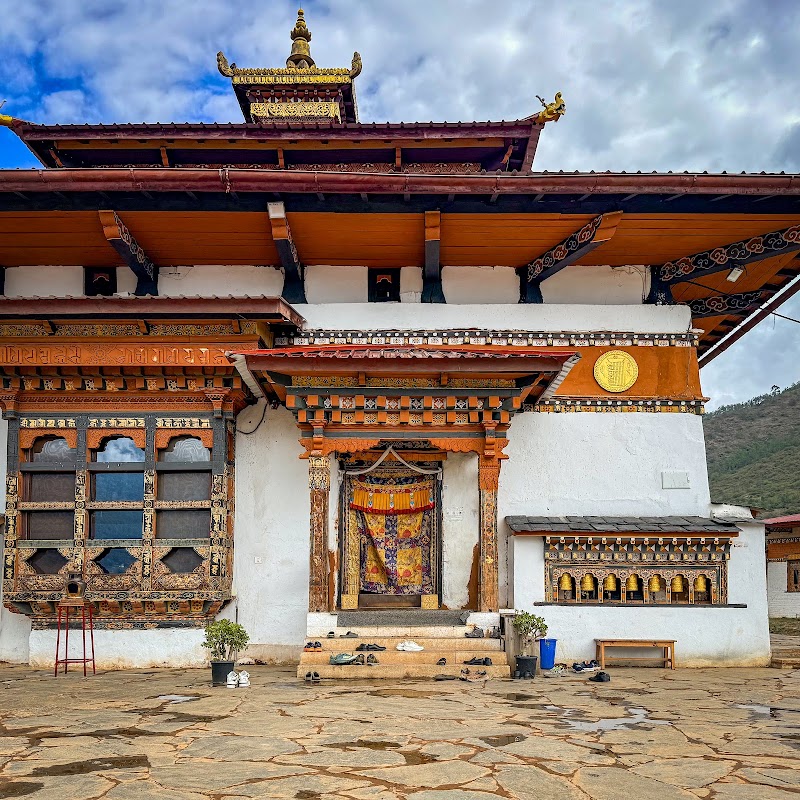
Bhutan · Teoprongchu
Chimi Lhakhang, Bhutan’s Fertility Temple in the Punakha Valley
Chimi Lhakhang combines a short rural walk, distinctive religious symbolism and the stories of Bhutan’s unconventional Divine Madman.
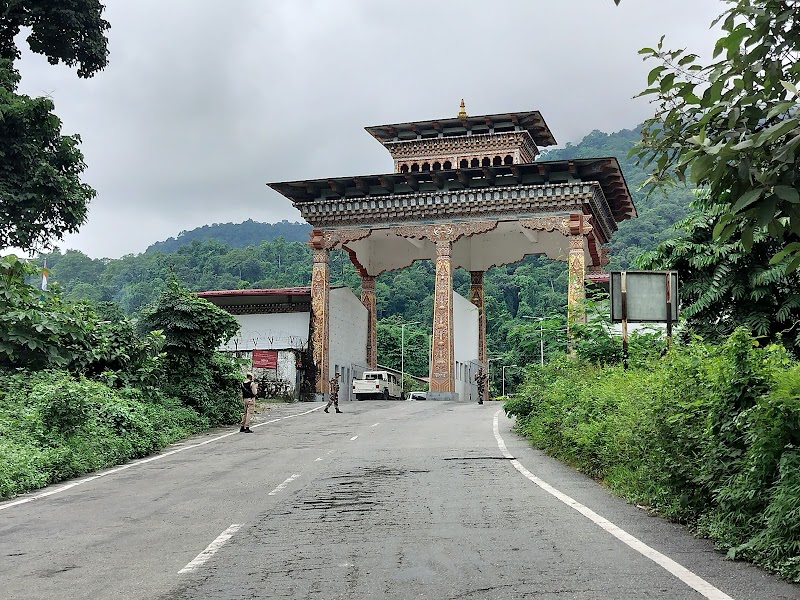
Bhutan · Chapna N.C.
Indo-Bhutan Border Gateway: A Practical Crossing Visit
This India-Bhutan gateway offers a brief cultural stop, photo opportunities and a firsthand look at the contrast between Jaigaon and Phuentsholing.
Bhutan · Phuentsholing
Kharbandi Monastery: Quiet Views Above Phuentsholing
Kharbandi Monastery combines Buddhist art, a peaceful hilltop setting and wide views across Phuentsholing and the plains of West Bengal, India.