Silver Pagoda: Sacred Detail Behind a Carpeted Floor
Inside Phnom Penh’s Royal Palace grounds, the Silver Pagoda rewards close attention, though its famous floor can be difficult to appreciate.
More photos

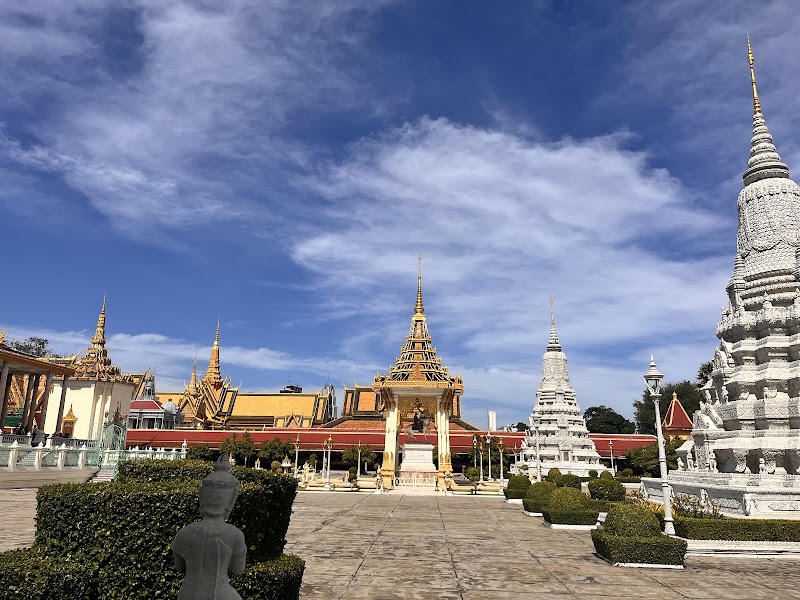

Photos published by travelers on Google, not AI generated.
What stands out
- Royal Palace setting
- Peaceful, solemn atmosphere
- Detailed stupas and sculptures
- Historically significant silver-tiled floor
Worth knowing
- Most silver floor tiles may be carpeted
- The main pagoda is easy to misidentify
- Public descriptions contain conflicting details
Don't miss
What comes up most in public reviews
- The central pagoda in the courtyard
- Visible sections of the silver-tiled floor
- The surrounding stupas
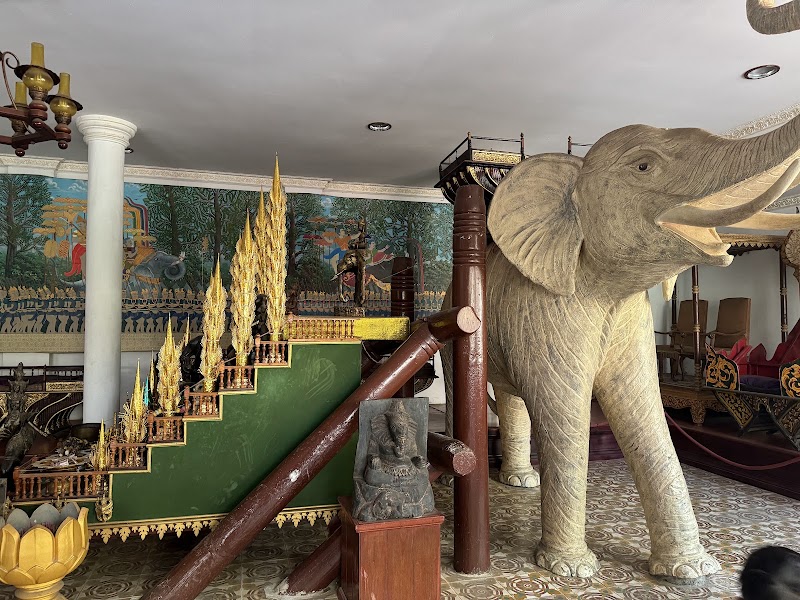
- Detailed sculptures and decoration
Worth the trip?
What the reviews suggest
The Silver Pagoda holds a Google rating of 4.4 from 2361 reviews, indicating broad approval despite a recurring mismatch between expectations and the experience on the ground. Public reviews describe a peaceful, solemn religious site with well-kept surroundings, detailed decoration and several prominent stupas. Its location within the Royal Palace complex also makes it a natural part of a wider palace visit rather than a separate attraction requiring another stop.
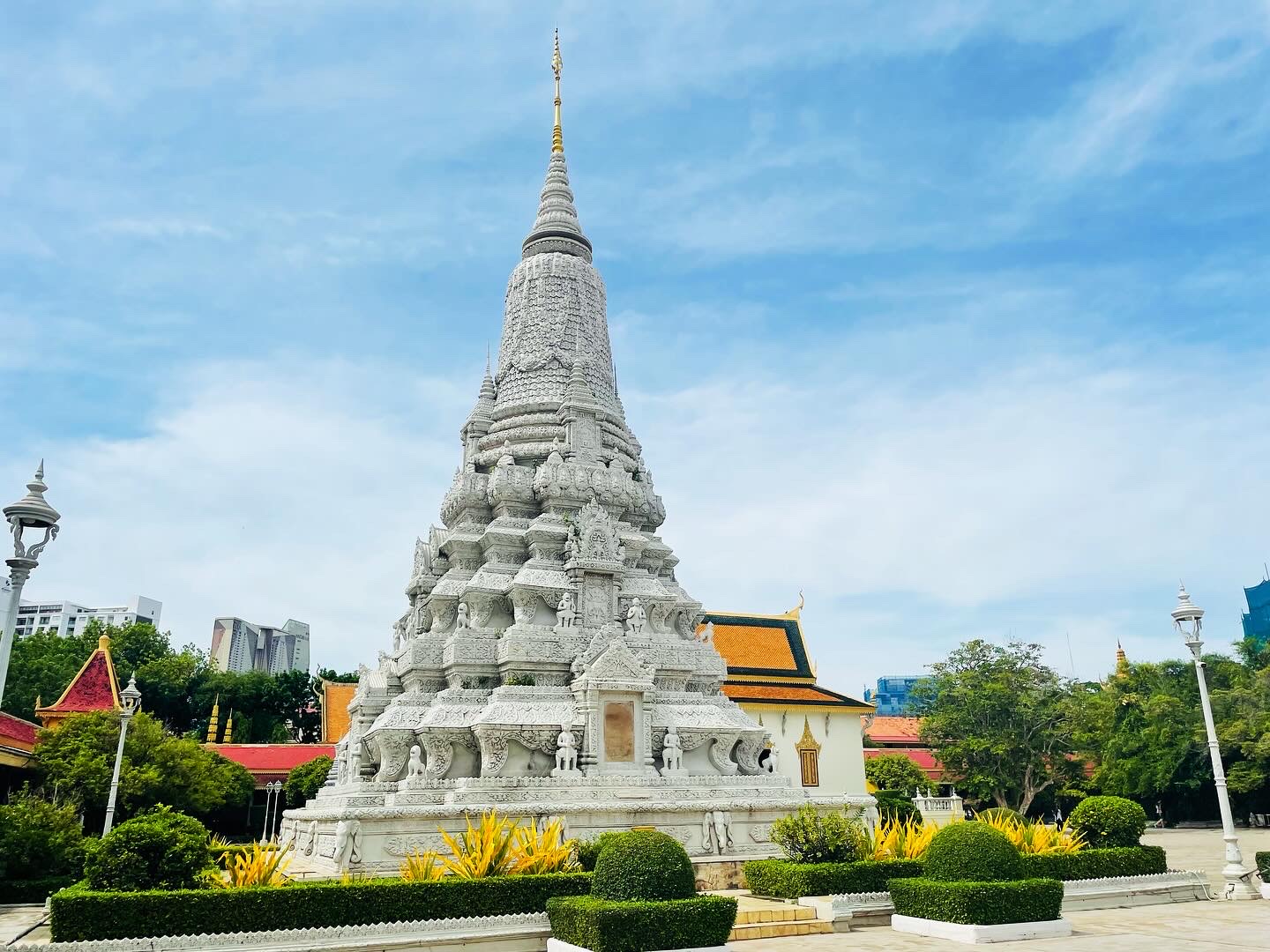
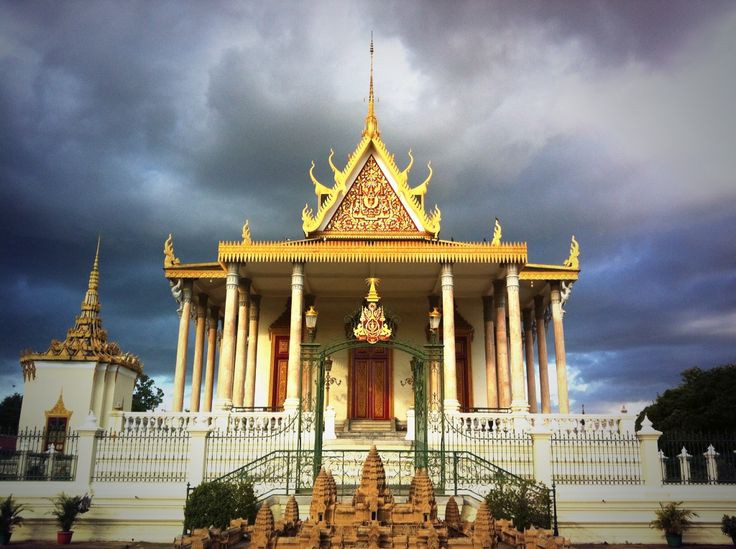
The name creates the most confusion. Some travellers expect an obviously silver building, only to find that the main pagoda does not look silver from outside. Others initially mistake the pale stupas around the courtyard for the attraction itself. Reviews generally identify the substantial structure at the centre of the courtyard as the Silver Pagoda.
The famous floor
The pagoda is named for its silver floor tiles, but several visitors report that carpeting covers almost all of them. That practical protection limits the visual impact and leaves some reviewers disappointed. Travellers expecting an expansive, glittering silver surface may therefore find the reality underwhelming.
Even so, the floor remains central to the building’s identity and historical interest. The better approach is to regard it as one element within a sacred complex rather than the sole reason to visit. Reviews place equal emphasis on the atmosphere, surrounding monuments and fine decorative work. Public commentary is inconsistent about the floor’s materials and quantities, so precise claims circulating online should be treated cautiously.
Courtyard, stupas and decoration
The courtyard appears to be a stronger visual highlight than the name alone might suggest. One review notes four stupas, while others praise the detailed sculptures and ornamentation around the complex. Pale monumental structures stand around the main pagoda, creating much of the site’s immediate architectural drama and also contributing to the confusion over which building is the Silver Pagoda.
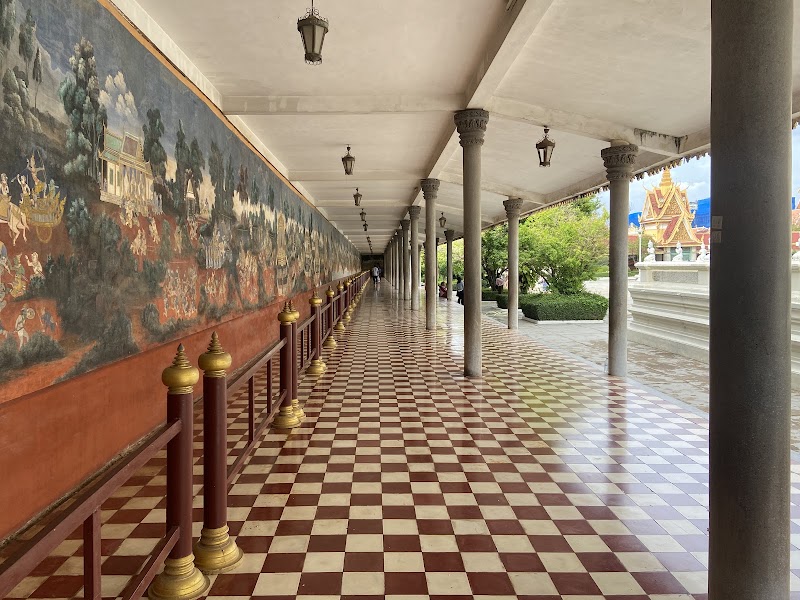
Visitors interested in Cambodian religious architecture, royal history and decorative craftsmanship are likely to get more from the stop than those arriving solely to see exposed silver tiles. The reviews repeatedly support slowing down to examine the stupas and smaller details rather than judging the attraction only by the covered floor.
Planning the visit
Reviews state that the pagoda sits beside or within the Royal Palace grounds and is covered by the same admission, with no separate purchase required. It therefore works best as part of a half-day exploration of the palace complex.
Clear expectations matter. The main pagoda should not be confused with the white or marble-looking stupas, and much of the celebrated floor may remain hidden beneath carpet. The supplied public reviews also contain conflicting historical explanations and building descriptions. On balance, the site earns its strong reputation through spiritual significance, architectural detail and the wider Royal Palace setting, but visitors focused on the literal promise of a visibly silver pagoda may leave less impressed.
Ask anything
Looking for somewhere else?
Keep exploring around Phnom Penh
More from Cambodia
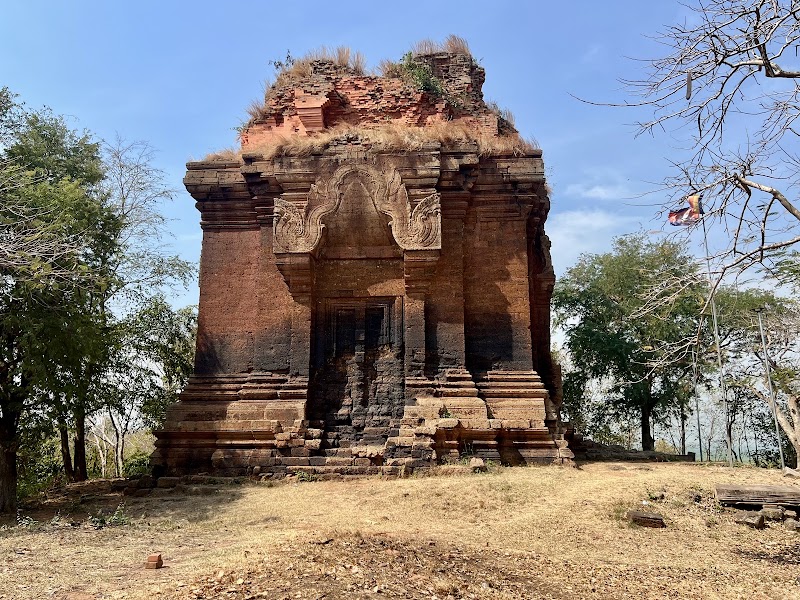
Cambodia · Angkor Borei
Phnom Da Temple: Hilltop History in Angkor Borei
An atmospheric hilltop temple where a short stair climb leads to ancient Khmer architecture, broad landscapes and a notably quiet setting.
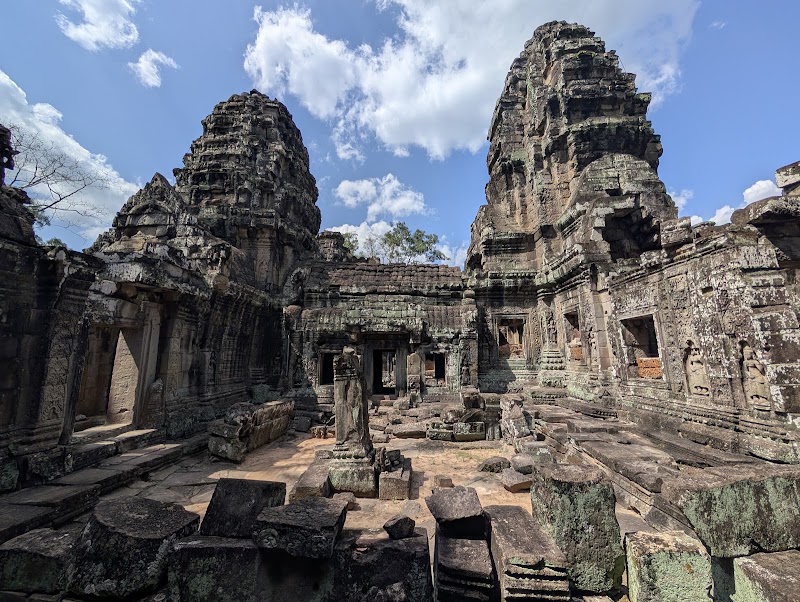
Cambodia · Krong Siem Reap
Banteay Kdei offers a calmer walk through Angkor’s ruins
Long corridors, apsara carvings and tree-framed stonework make this an appealing, easily accessed stop opposite Srah Srang.
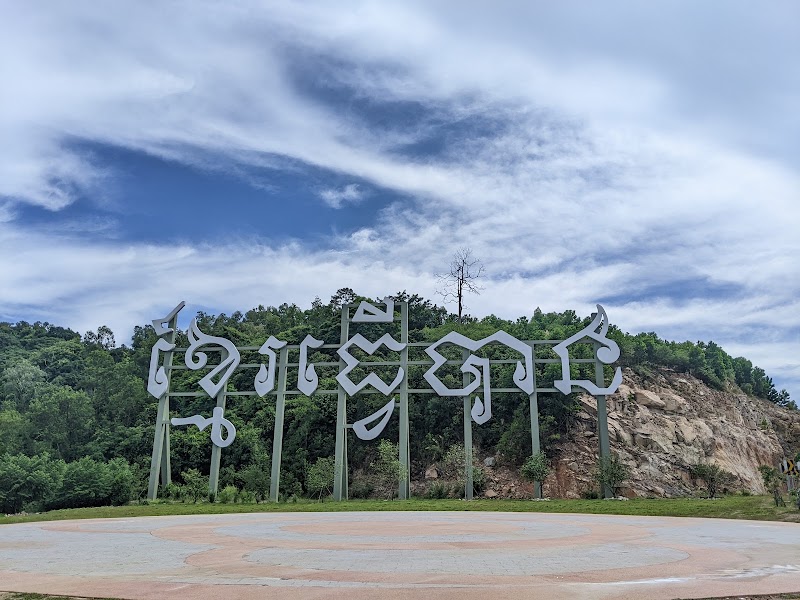
Cambodia
Cambodian Can Do It: A Scenic Sihanoukville Viewpoint
Public reviews highlight a photogenic hilltop panorama where the sea, mountains and Sihanoukville surroundings come together.
Cambodia · Krong Siem Reap
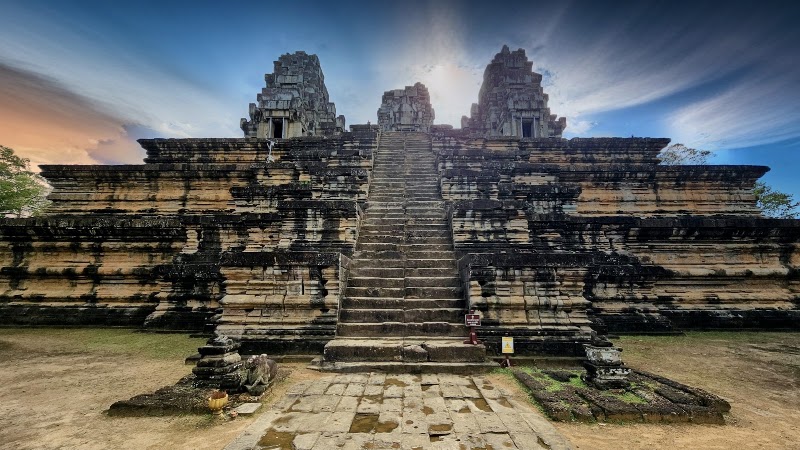
Ta Keo Temple: A Steep Sandstone Pyramid at Angkor
Ta Keo rewards a short stop with imposing tiered architecture, an unfinished character and broad views after a demanding climb.