Silk Road Samarkand: A Modern Take on Central Asia
A vast leisure and cultural complex combining recreated historic architecture, hotels, restaurants, parkland and an artificial lake.

More photos
Photos published by travelers on Google, not AI generated.
What stands out
- Eternal City architecture
- Large parks and public spaces
- Cycling and lakeside recreation
- Restaurants, cafes and bazaar shopping
- Silk clothing and scarves
Worth knowing
- The complex covers a very large area
- Recreated heritage may feel artificial
- Limited English reported by one reviewer
Don't miss
What comes up most in public reviews
- Explore the Eternal City
- Visit the silk factory
- Browse loose tea and dried fruit at the bazaar
- Cycle through the recreation areas
- Stop by the artificial lake
Worth the trip?
A destination within Samarkand
Silk Road Samarkand is less a single attraction than a large, self-contained tourism complex. Public listings and traveller reviews describe eight hotels, 14 villas, an international congress centre, an exhibition centre, restaurants, cafes, bars, parks, sports areas and an artificial lake used for fishing. Its scale makes it suitable for an extended wander rather than a quick photo stop.
The complex holds a Google rating of 4.7 from 321 reviews. Positive feedback commonly focuses on the breadth of the site, its open-air spaces and the ability to combine architecture, food and recreation in one visit. Cycling, walking and simply getting fresh air are all mentioned as reasons to go. For travellers staying elsewhere in Samarkand, it works best as a half-day excursion rather than a substitute for the city’s original monuments.
The Eternal City experience
The principal sightseeing draw is the Eternal City area, where modern buildings use forms and details inspired by historic Central Asian architecture. Reviewers describe it as atmospheric and capable of suggesting another era, with craft, shopping and food contributing to the effect. Its mix of cultural influences also stands out in visitor impressions.
Not every response is uncritical. One reviewer characterises the project as a simulacrum of Central Asia and questions why Samarkand, an authentic Silk Road city, needs a recreated version of its own heritage. That tension defines the attraction. Visitors who enjoy polished, purpose-built cultural districts may find it absorbing, while those seeking original historic fabric may prefer Samarkand’s established architectural sites.
Crafts, food and recreation
Reviews identify several specific stops within the complex. The silk factory is recommended for visitors interested in dresses and silk scarves. The bazaar is associated with loose tea, dried fruit, saffron and roses, making it one of the more tangible places to browse for souvenirs. Restaurants and cafes also form a significant part of the experience, with food repeatedly included among the site’s strengths.
Beyond shopping and dining, the grounds offer space for relaxation and activity. Cycling is specifically praised, while the parks, public areas and lake broaden the appeal for groups with mixed interests. The combination can be useful for families or companions who do not all want a conventional museum or monument visit.
Planning the visit
The most consistent practical warning is size. One review suggests the grounds are large enough to warrant travelling around by car, so visitors should not assume every part can be covered quickly on foot. A sensible visit would prioritise the Eternal City, then add the silk factory, bazaar, lakeside areas or a meal according to interest.
One traveller also reported that little English was spoken during their visit. That may not apply throughout the complex, but translation tools could be useful when shopping or asking detailed questions. Overall, synthesized feedback presents Silk Road Samarkand as a polished leisure district with striking recreated architecture and plenty to do, albeit one that should be understood as a modern interpretation rather than historic Samarkand itself.
Plan the rest of the trip
Ask anything
Looking for somewhere else?
Keep exploring around Samarqand
More from Uzbekistan
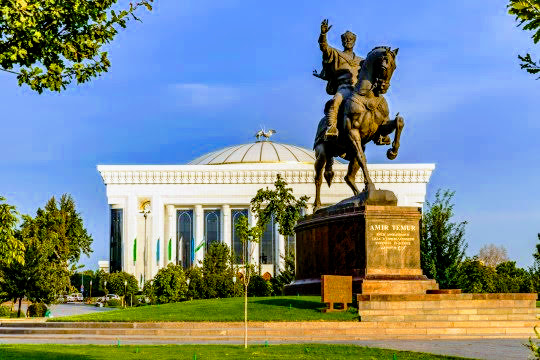
Uzbekistan · Тоshkent
Amir Temur Square, Tashkent’s Green Civic Landmark
Amir Temur Square combines a prominent monument, formal gardens and a relaxed central setting for an easy Tashkent stop.
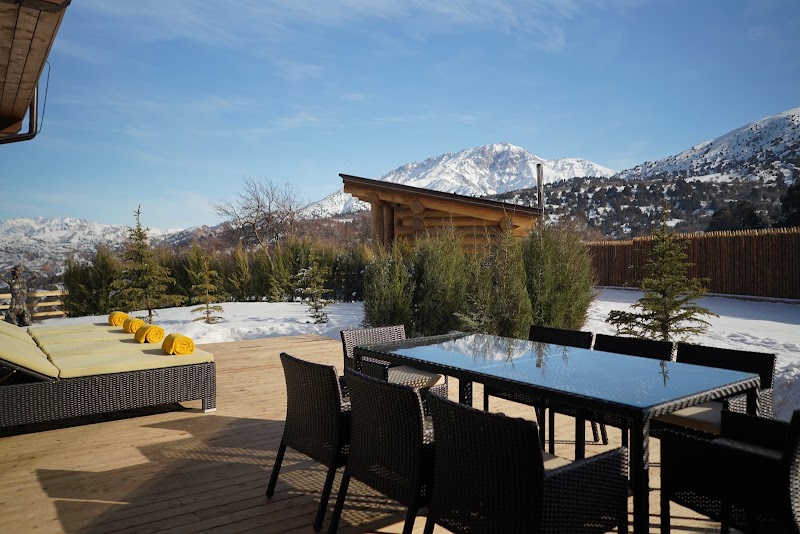
Uzbekistan · Gazalkant
Le Chalet by Amirsoy: Mountain Views and a Quiet Ski Stay
Public reviews highlight snow-covered scenery, warm cabins, attentive service and easy access to winter activities at this mountain resort near Gazalkant.
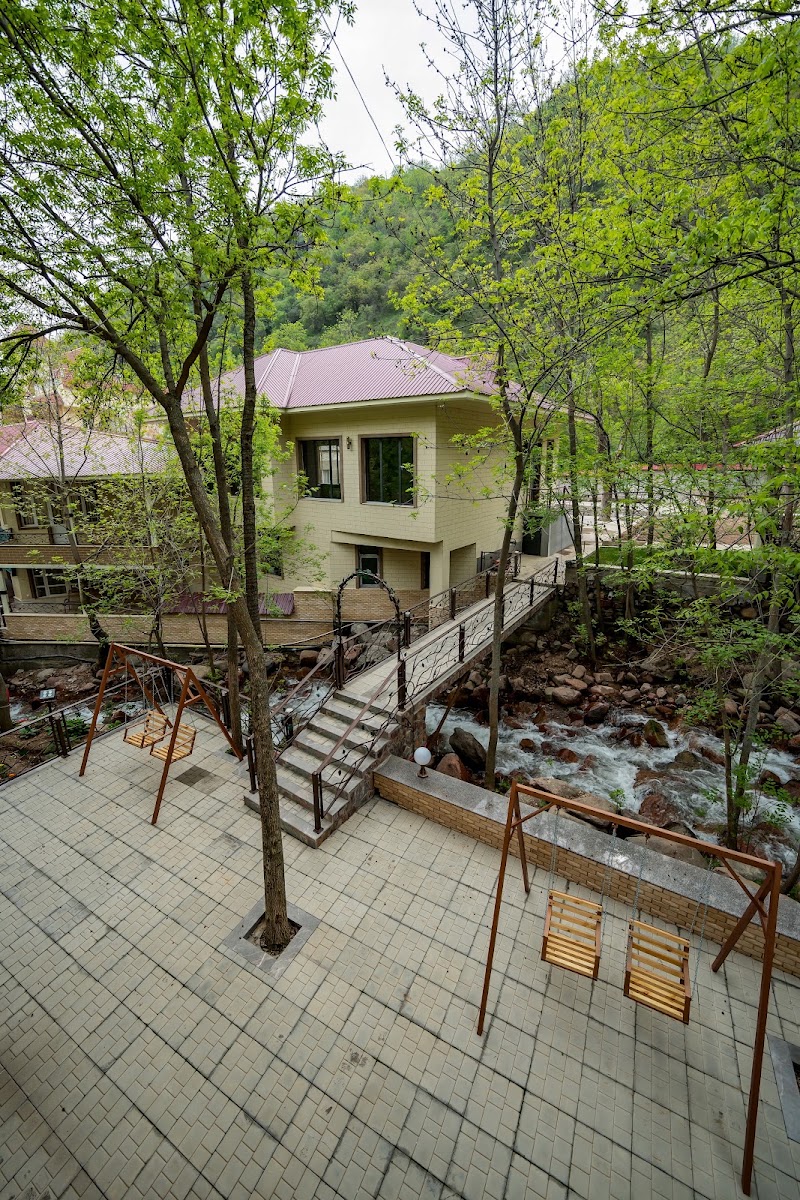
Uzbekistan · Saylyk
Oqtoshsoy Resort: A Nature-Led Stay with Uneven Service
Public reviews point to a scenic resort setting, but complaints about meals, hot water and service make expectations important.
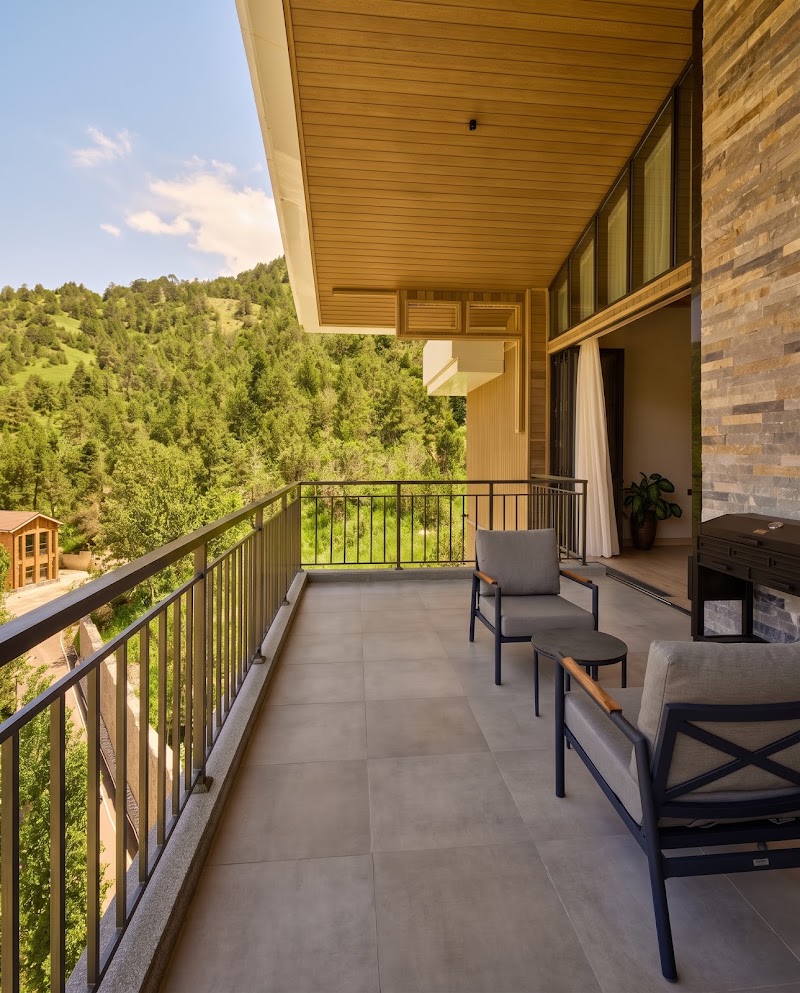
Uzbekistan · Заамин
Zamindor Resort Hotel: A Modern Base in Zaamin
Public reviews point to a new resort with mountain air, broad wellness facilities and some important service inconsistencies.