Shivta National Park: Ancient Streets in the Negev Desert
Public reviews describe a striking Nabataean and Byzantine settlement, with restored churches, broad streets and a quiet desert setting.

More photos
Photos published by travelers on Google, not AI generated.
What stands out
- Broad ancient streets
- Three restored churches
- Nabataean and Byzantine ruins
- Desert views
- Clean picnic area and restrooms
Worth knowing
- Limited on-site information
- The site may be completely deserted
- The settlement is larger than it first appears
Don't miss
What comes up most in public reviews
- Walk the broad ancient streets
- See the three churches
- Look for the mosque and wider village remains
- Pick up the leaflet or map
Worth the trip?
Shivta National Park is an archaeological site for travellers who want space, atmosphere and substantial ruins rather than a polished visitor attraction. Public reviews give it a 4.7 rating from 625 reviews, with repeated praise for the scale of the ancient settlement and the clarity of its remains.
A city shaped by desert trade
The site preserves an ancient settlement associated with the Nabataeans and the Incense Route. Reviews describe Shivta as one of the route’s desert cities, a prosperous waypoint whose streets and buildings remain unusually legible. The settlement later continued through Byzantine and early Muslim periods, giving the ruins several layers of history.
The layout is a major part of the appeal. Travellers mention broad streets, open views and buildings that can still be explored on foot. The result feels less like a single monument and more like a town left in place. One reviewer described being able to imagine how the village once worked. Another said the site was large enough that not everything could be seen in one visit.
Churches, ruins and open space
Three churches are repeatedly identified in the public reviews, and their surviving forms are among the clearest features of the park. A mosque is also mentioned, alongside the remains of the wider village. The mix makes Shivta useful for visitors interested in how the settlement changed over time, not only in its Nabataean beginnings.
The surrounding landscape is stark and expansive. Reviewers value the desert views and the sense of quiet, with one calling the site a place for contemplation. The setting also gives the ruins visual impact: low stone structures, open streets and distant desert sit in the same frame.
What the reviews say about visiting
Shivta appears to suit independent exploration. Public feedback describes walking through the streets, looking inside buildings and using a small leaflet or map available at the site. A clean picnic area and restrooms are also mentioned, which makes a longer stop more practical.
The same reviews point to limited on-site interpretation. One visitor found only the leaflet and map for information, while another noted that the site was completely deserted during the visit. That solitude is a strength for travellers seeking a quiet archaeological experience, but it means visitors should not expect a staffed attraction or a busy programme of explanations.
Who should go
This is a strong choice for archaeology enthusiasts, landscape photographers and travellers exploring the Negev Desert by car. It rewards time spent wandering rather than a quick photograph beside one landmark. The public feedback also suggests that the site works well for visitors who enjoy reconstructing a place through its street plan, churches and surviving buildings.
Shivta is less suitable for anyone who needs extensive signage, guided commentary or a tightly structured visit. The site’s appeal lies in its scale and stillness. Plan for a self-directed walk, allow enough time to see the settlement properly, and bring the leaflet or map offered at the entrance.
Plan the rest of the trip
Ask anything
Looking for somewhere else?
Keep exploring
More from Israel
Israel
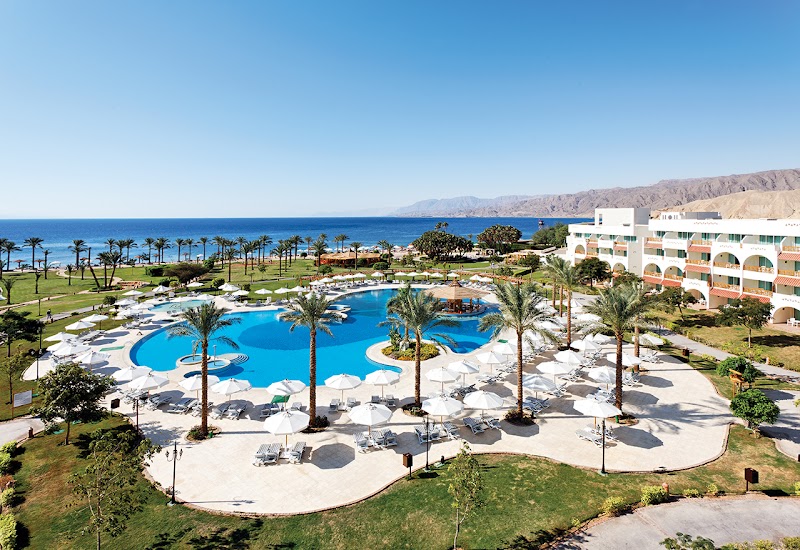
Mövenpick Taba: A Calm Resort With Busy Pool Hours
Public reviews praise the clean rooms, welcoming staff, pool and seaside setting, while noise and crowded facilities are the main cautions.
Israel · Eilat
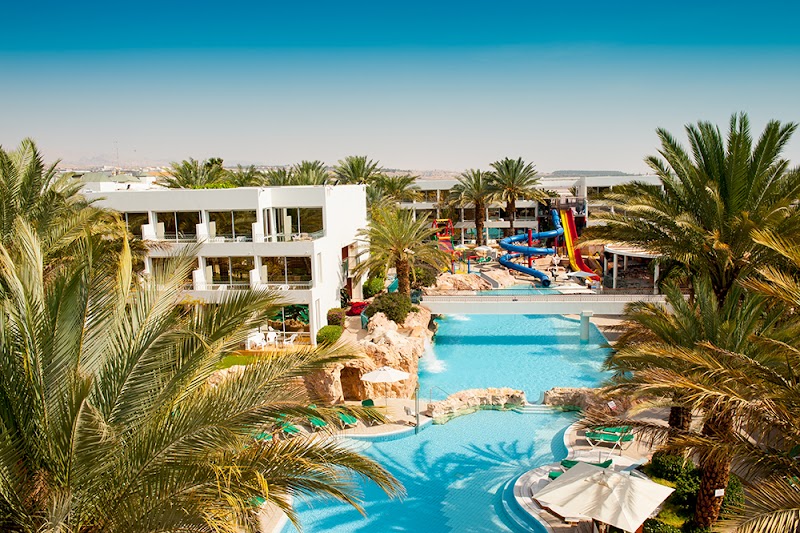
Leonardo Club Eilat suits easy family holidays
Public reviews point to a family-focused Eilat hotel with strong food, a popular kids’ club and a lively pool area.
Israel · עין בוקק
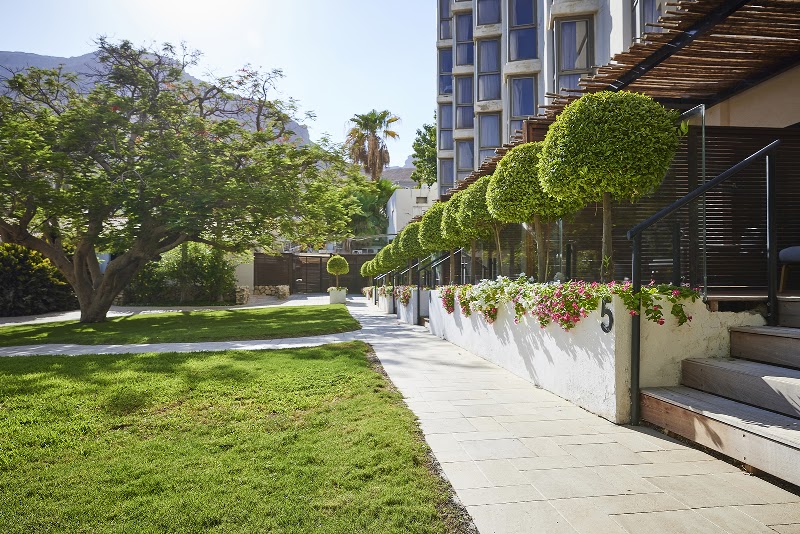
Oasis Spa Club Dead Sea: A Quiet Ein Bokek Retreat
This adults-only resort suits couples and grown-up weekenders who want a calm Dead Sea base, with spa facilities and mixed feedback on upkeep and extras.
Israel · Eilat
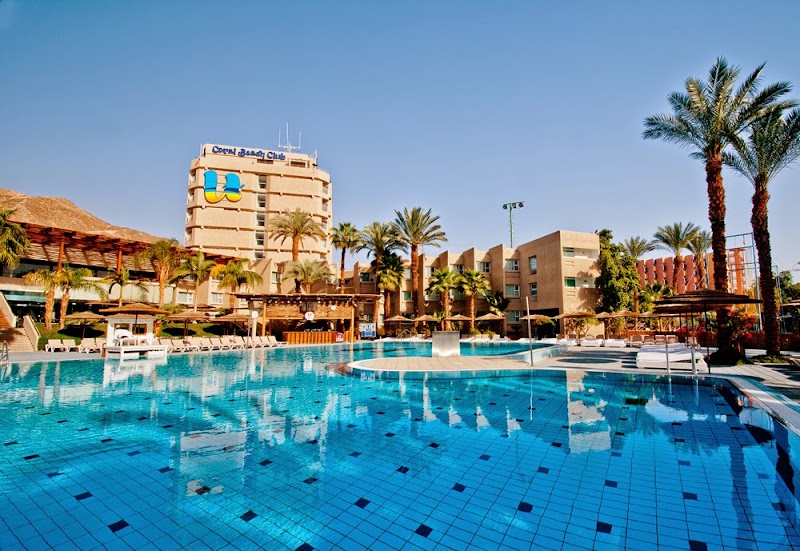
U Coral Beach Club: A Family Resort by Eilat’s Reef
Public reviews present U Coral Beach Club as an activity-led, all-inclusive family resort with excellent marine access and some serious upkeep concerns.