Shirakawa-go: Thatched Farmhouses and Mountain Views
Historic gassho-zukuri houses, mountain scenery and a panoramic viewpoint make Shirakawa-go a rewarding cultural detour in central Japan.
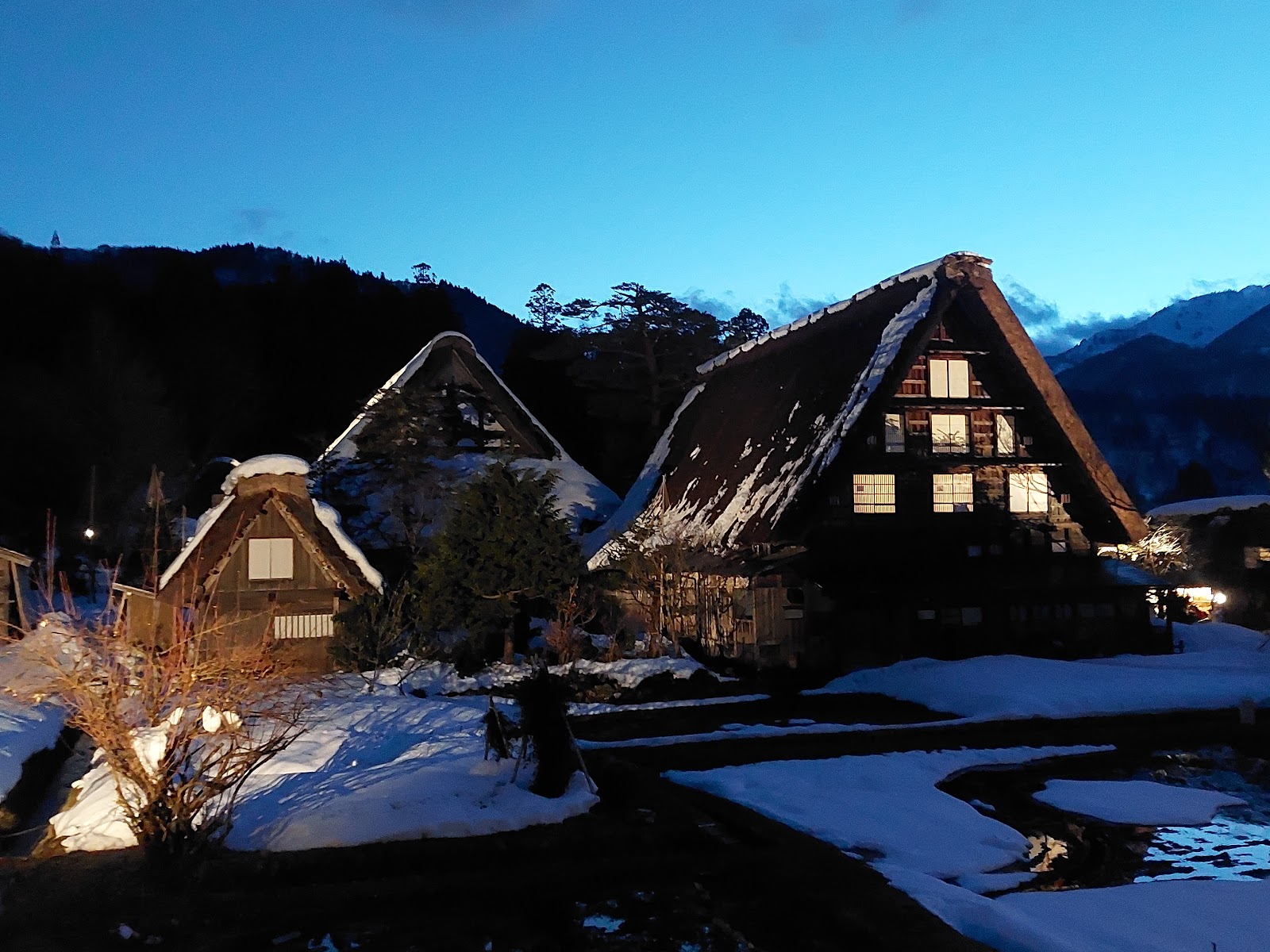
More photos
Photos published by travelers on Google, not AI generated.
What stands out
- Gassho-zukuri thatched farmhouses
- Panoramic mountain and village views
- Preserved historic village paths
- Photogenic scenery in every season
Worth knowing
- Popular bus services may sell out
- Sundays can be crowded
- Central paths may feel busy
Don't miss
What comes up most in public reviews
- Gassho-zukuri farmhouses in Ogimachi
- Village panorama from Shiroyama Observatory
- A walk through Ogimachi’s small paths
Worth the trip?
Why Shirakawa-go stands out
Shirakawa-go holds a 4.5 rating from 43119 Google reviews. Public feedback returns again and again to its unusual architecture and mountain setting, along with the strong sense of history. In the main village of Ogimachi, the best-known sights are the UNESCO-listed gassho-zukuri farmhouses. Their steep thatched roofs were designed to handle heavy snow.
Many reviewers rank the village among the highlights of a wider Japan itinerary. The preserved houses offer a look at traditional rural life, while the paths and fields open onto surrounding mountains and near-constant photography opportunities. Getting there can require careful bus planning, but several visitors still consider the detour worthwhile.
What to see and do
The main experience is simply walking through Ogimachi. Its small lanes reveal the angular roofs from changing perspectives and show how naturally the farmhouses sit within the landscape. Rather than presenting a long checklist of attractions, public reviews tend to dwell on the atmosphere created by the traditional buildings and natural scenery.
The elevated viewing area is mentioned just as often. Shiroyama Observatory overlooks the village, providing the broad panorama that appears in many photographs of Shirakawa-go. One reviewer notes that a local minibus serves the viewpoint, making the climb more accessible. Others keep it simple: the view is excellent.
Wada House is another cultural point of interest, especially for travellers who want to understand the history and construction of the gassho-style homes. A local meal can bring another regional element to the visit, including Hida beef.
Seasons and atmosphere
According to reviews, Shirakawa-go remains attractive throughout the year. Snow draws attention to the practical shape of those steep roofs. In greener seasons, the surrounding fields and mountains come forward instead. The village’s preservation and compact scale give it an almost storybook appearance, though tour groups and day-trippers can weaken that impression when the lanes fill up.
Photography is a major part of most visits. The observatory works best for wide village views, while Ogimachi’s paths provide closer compositions of roofs and gardens against mountain backdrops. The principal views can be covered in a couple of hours. Half a day, however, leaves room for a slower walk, a historic house or a local meal.
Planning the visit
Transport needs advance attention. One reviewer booked bus seats roughly a month ahead and then saw same-day travellers unable to secure tickets. Not every service will necessarily sell out, but the account is a clear warning for anyone working with a fixed itinerary.
Crowding is the other notable drawback. Sunday was reported as particularly busy, and Shirakawa-go’s popularity can leave the central paths feeling less peaceful than the scenery might suggest. Travellers with some flexibility should consider a weekday, then allow enough time to move beyond the busiest arrival areas. For most first-time visitors, public feedback indicates that the architecture, observatory view and mountain setting justify the journey.
Plan the rest of the trip
Ask anything
Looking for somewhere else?
Keep exploring around Shirakawa
More from Japan
Japan · Osaka
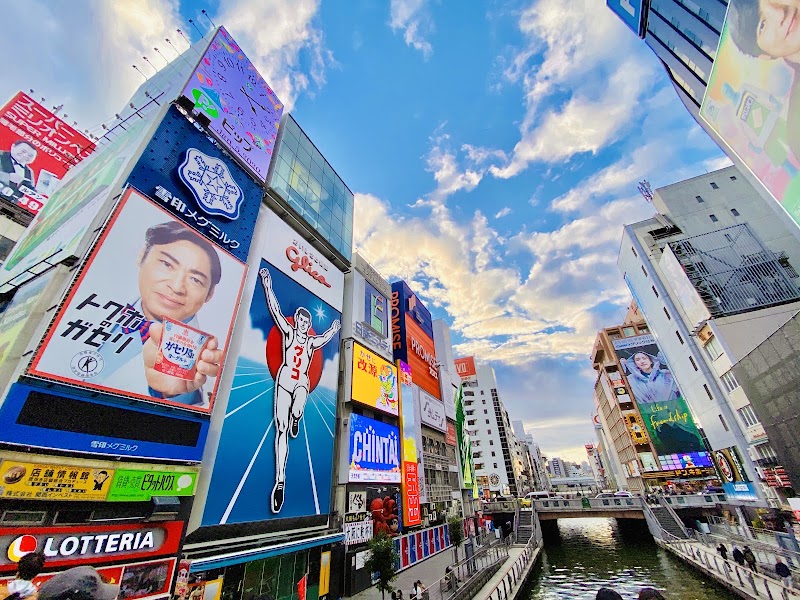
Dotonbori After Dark: Osaka’s Neon-Filled Riverfront
Dotonbori delivers Osaka’s biggest concentration of neon signs, food spots, shops and canal-side energy, with the Glico running man at its centre.
Japan · Kyoto
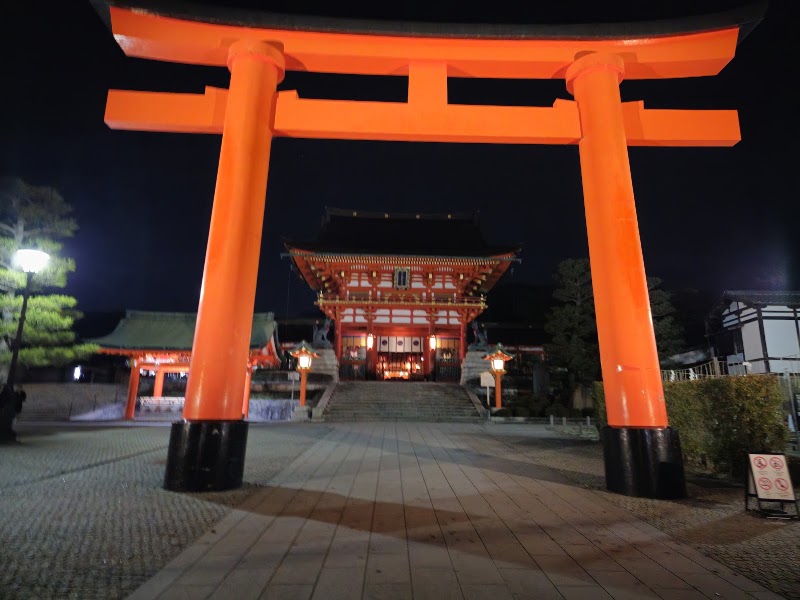
Fushimi Inari Taisha: Kyoto’s Torii-Gate Mountain Walk
Fushimi Inari Taisha pairs iconic vermilion torii gates with a demanding mountain route that grows quieter and more atmospheric higher up.
Japan · Taito City
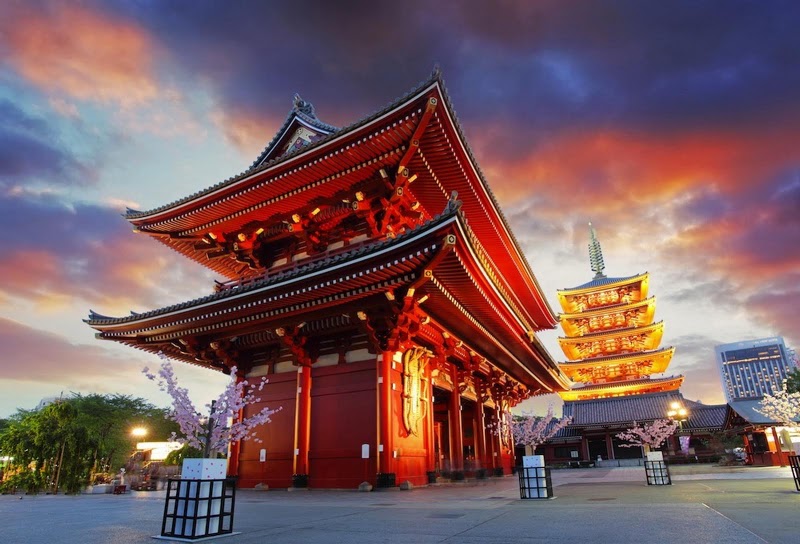
Sensō-ji, Tokyo’s Enduring Temple Landmark
Sensō-ji gives visitors a vivid introduction to Buddhist tradition, historic architecture and the busy street life of Asakusa.
Japan · Sumida City
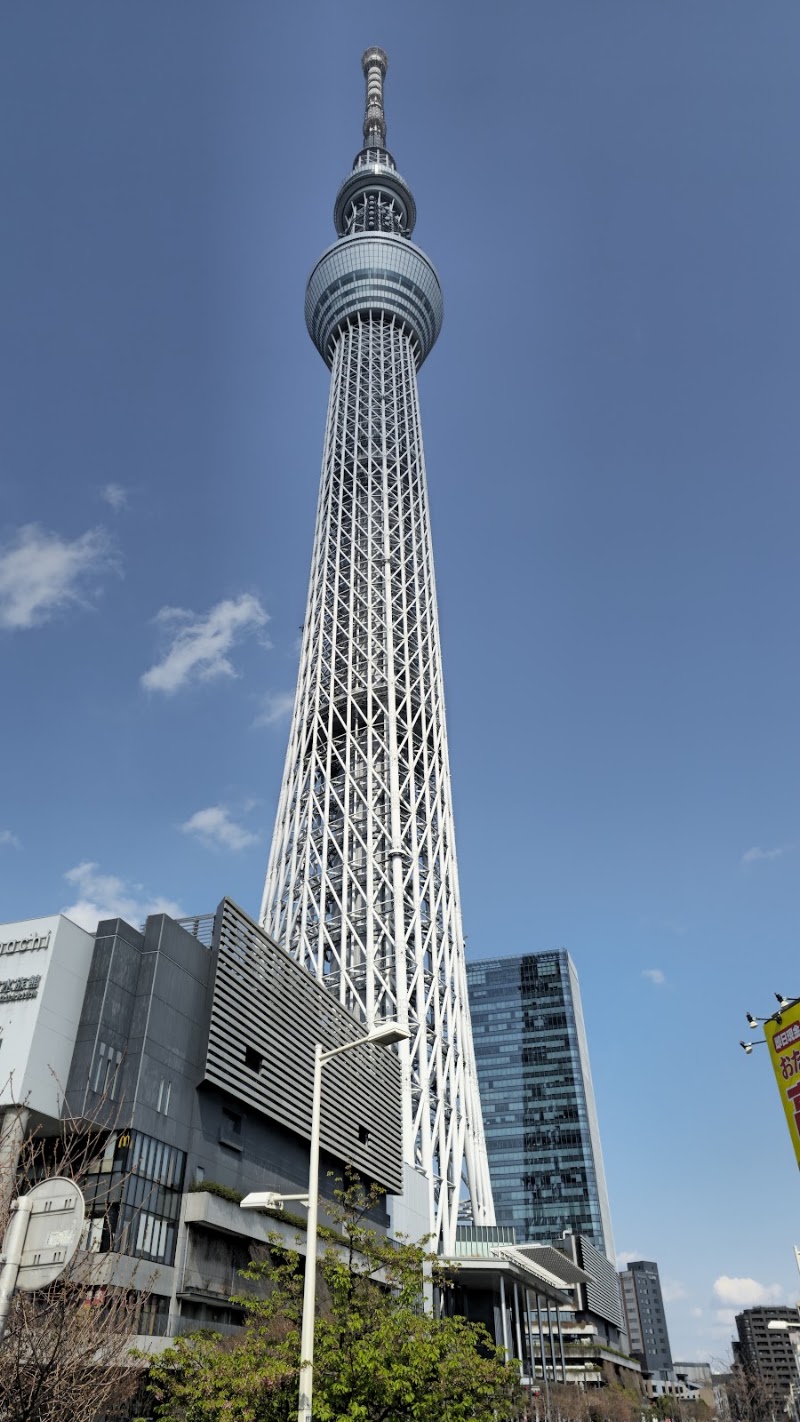
Tokyo Skytree Delivers Wide-Ranging Views Across Tokyo
Public reviews praise Tokyo Skytree for its panoramic observation decks, smooth organization and strong day-to-night views.