Shankh Monastery: A Weathered Buddhist Landmark Near Kharkhorin
Shankh Monastery offers a quiet look at Mongolia’s Buddhist history, though access, restoration and opening hours can be unpredictable.

More photos
Photos published by travelers on Google, not AI generated.
What stands out
- Historic monastery founded in 1648
- Main temple and two side temples
- Connection to Zanabazar and Tibetan Buddhism
- Surviving religious structures from before the 1930s
- Quiet setting near Kharkhorin
Worth knowing
- Bumpy paved road and a short dirt-road section
- May be closed or under renovation
- Buildings need significant maintenance
Don't miss
What comes up most in public reviews
- See the main temple
- Look at the two side temples
- Ask locally about opening status
- Learn about the black military banner tradition
Worth the trip?
What the reviews show
Public reviews give Shankh Monastery a 4.4 rating from 76 reviews. Travellers describe it as one of Mongolia’s oldest monasteries and a worthwhile stop for visitors interested in religious history, even when the buildings are closed or in poor condition.
The site is associated with Shankh Khiid, founded in 1648 by Zanabazar, a major figure in Tibetan Buddhism and a direct descendant of Genghis Khan. One review says the monastery was reputed to have housed Chinggis Khan’s black military banner. It was also known as the West Monastery and reportedly once had more than 1,500 monks.
The setting and arrival
Shankh Monastery is roughly a 30-minute drive from Kharkhorin, according to a traveller review. That estimate may stretch longer in practice. The paved road is described as bumpy, followed by a short dirt-road section after leaving the main route.
That approach is part of the experience. The site is not presented as a polished visitor attraction. It is a working place of worship with historic structures, limited visitor information and signs of deferred maintenance. Travellers should allow extra time for the drive and avoid assuming that a visit will follow a standard sightseeing format.
What visitors can see
Reviews mention a large main temple and two smaller side temples. One visitor entered through a small side door and reported no entrance fee, though the main temple was under renovation at the time. Another found the monastery closed but still considered the visit worthwhile.
The condition of the buildings is a recurring concern. The main temple is described as heavily weathered, with bushes growing on the roof and walls that appear inclined. Several reviews call for more maintenance and preservation. Those details may disappoint visitors expecting a restored complex, but they also explain why the site feels historically significant rather than museum-like.
The monastery survived the destruction that affected many religious buildings in Mongolia during the 1930s, according to one public review. Its remaining structures therefore carry unusual historical weight, even where the physical fabric is damaged.
Who should go
Shankh Monastery suits travellers already visiting the Kharkhorin area who value atmosphere, history and religious heritage over extensive facilities. It is a better fit for a flexible half-day outing than for visitors seeking a fully managed attraction.
The visit requires patience. Opening status may change, renovation work can affect access, and the road is rough. Respectful behaviour is essential because this remains a religious site, not simply a photo stop. Visitors should check locally before setting out, then take time to look at the main temple, side temples and surviving details of the complex.
The overall verdict is positive but measured. Shankh Monastery is historically important and visually memorable, yet its condition and uncertain access keep it from being an easy recommendation for every traveller.
Plan the rest of the trip
Ask anything
Looking for somewhere else?
Keep exploring around Shankh Monastery
More from Mongolia
Mongolia · ND - 6 khoroo
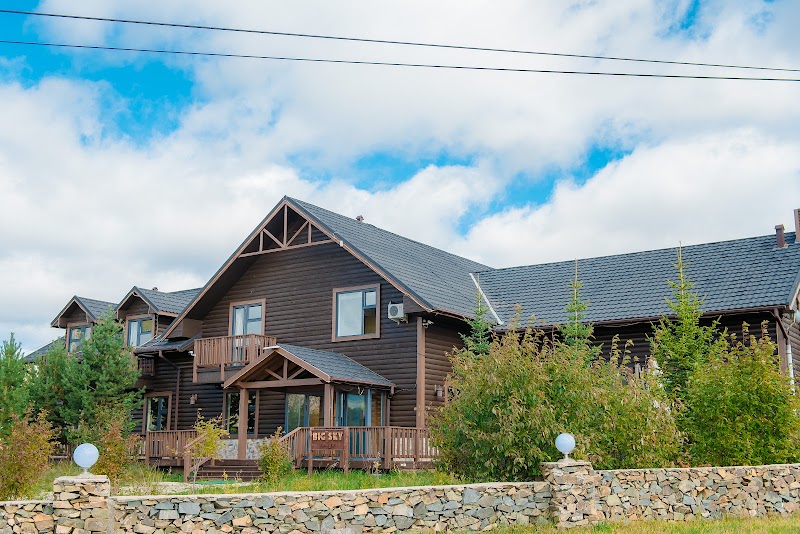
Big Sky Lodge Terelj: Comfort in Mongolia’s Quiet Hills
Public reviews highlight polished ger accommodation, strong food and peaceful scenery, with service that can be less capable than advertised.
Mongolia
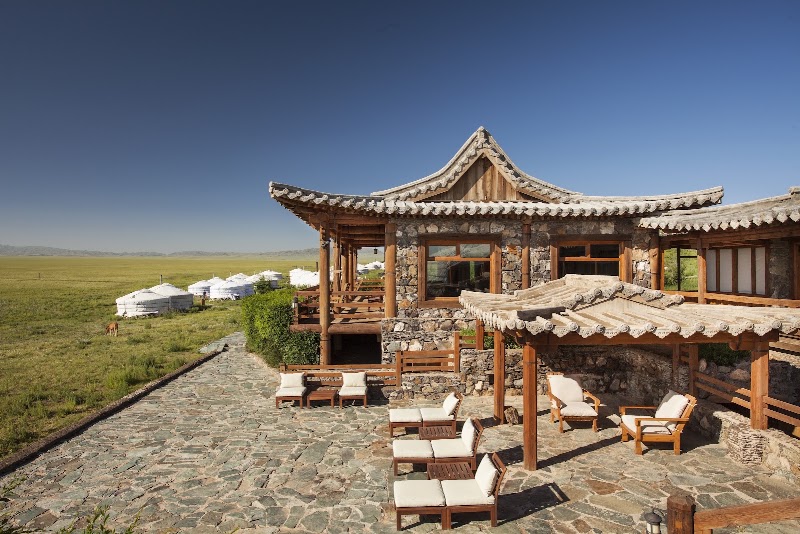
Three Camel Lodge: A Refined Base in Mongolia’s Gobi Desert
Public reviews describe an atmospheric ger stay with memorable desert landscapes, strong meals and well-organised experiences around the Southern Gobi.

Mongolia · Kharkhorin
Secret of the Silk Road Resort: A Comfortable Ger Stay
This upscale resort pairs spacious traditional gers with a grand main building, reliable heating and well-reviewed buffet meals near Kharkhorin.
Mongolia · Ulaanbaatar
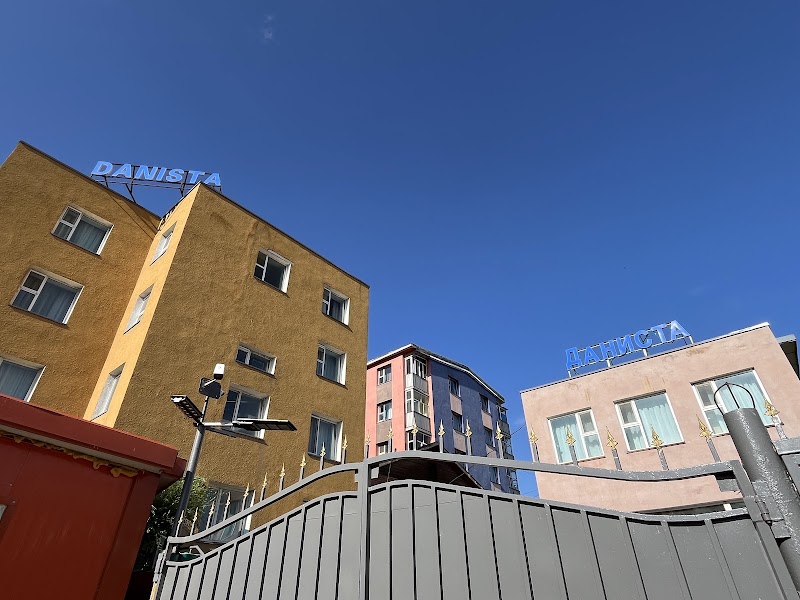
Danista Nomads: A Friendly Base for Ulaanbaatar Tours
A well-reviewed guesthouse in Ulaanbaatar where warm service, practical advice and organised Mongolia tours shape the stay.