Shah-i-Zinda: Samarkand’s Avenue of Blue Mausoleums
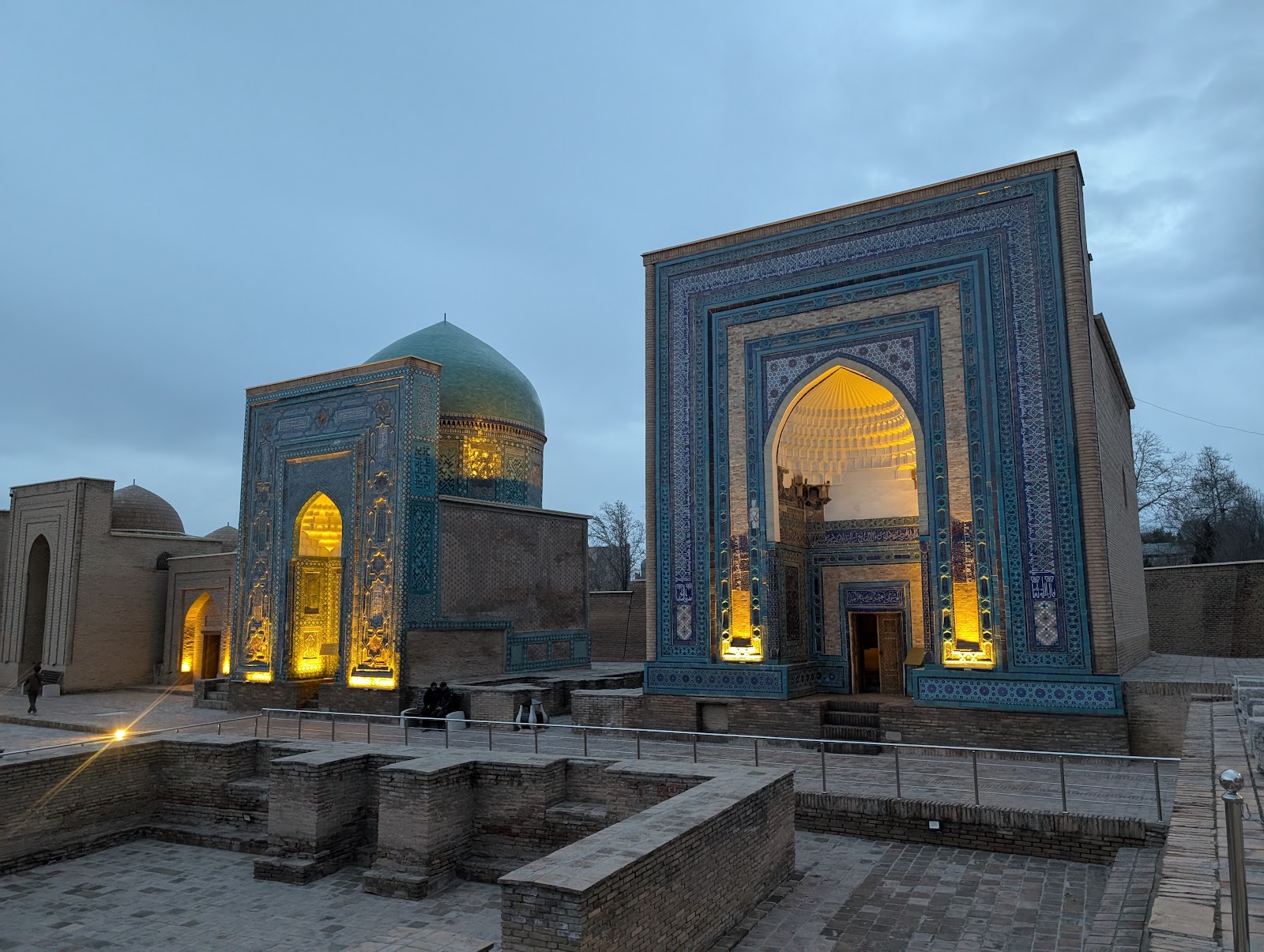
Shimmering mosaics, turquoise domes and richly varied mausoleums make Shah-i-Zinda one of Samarkand’s most compelling landmarks.
More photos
Photos published by travelers on Google, not AI generated.
What stands out
- Turquoise domes and blue-tiled facades
- Intricate mosaics and geometric patterns
- Different decoration in each mausoleum
- Atmospheric avenue of mausoleums
Worth knowing
- Crowds around golden hour
- Steps and uphill sections
- Some areas may be closed
Don't miss
What comes up most in public reviews
- The monumental blue-tiled entrance portal
- The mausoleum avenue
- Individual mosaic and tilework details
- A combined visit with Registan Square
Worth the trip?
Why Shah-i-Zinda stands out
Shah-i-Zinda is a necropolis arranged as a narrow avenue of mausoleums, entered through a monumental tiled portal. Public feedback consistently places it among Samarkand’s essential sights, alongside Registan Square. It holds a Google rating of 4.8 from 5593 reviews, reflecting unusually strong enthusiasm for both its architecture and atmosphere.
The initial impression is dominated by colour. Turquoise domes, deep-blue facades and intricate mosaics line the passage, creating a sequence of highly decorated spaces rather than a single focal building. Reviewers frequently describe the complex as spectacular, enchanting and among the most impressive architectural sites in the city.
Architecture worth examining slowly
The greatest pleasure comes from looking beyond the overall blue palette. Travellers repeatedly note that individual mausoleums use different patterns, materials, colours and decorative techniques. Tilework ranges from tightly ordered geometric designs to elaborate mosaic surfaces, with details continuing around portals, walls and interior spaces.
That variety rewards an unhurried visit. Although Shah-i-Zinda is widely photographed as one continuous turquoise corridor, the public reviews suggest its real strength lies in comparing one building with the next. Visitors interested in Islamic architecture, ornament or photography are likely to spend longer here than those simply moving between Samarkand’s headline landmarks.
The complex also retains a solemn character. Some reviewers find moments of spiritual calm despite the steady flow of tourists, particularly once attention shifts away from the busiest photo positions. It remains a mausoleum complex, so respectful behaviour and clothing are appropriate even when the surroundings feel visually theatrical.
Crowds, steps and photography
Shah-i-Zinda is one of Samarkand’s best-known photo locations, and crowding is the most consistent drawback in the available feedback. Late afternoon and the period around golden hour can remain very busy, with visitors gathering at the most recognisable viewpoints. Early morning is the safer choice for those prioritising clearer photographs and a quieter atmosphere.
Photography benefits from the changing light across the glazed tiles, but the narrow route can make it difficult to frame facades without other visitors. Patience helps. A reviewer also reported that the octagonal area was closed during their visit, so access to every section should not be assumed.
Visitors should also expect stairs and some climbing. The effort is not described as extreme, but it may matter for travellers with limited mobility or anyone visiting in hot weather.
Planning the visit
Reviews indicate that Shah-i-Zinda can be paired easily with Registan Square, with some travellers walking between the two landmarks. For a one-day Samarkand itinerary, those two sites form a strong architectural pairing, though Shah-i-Zinda merits enough time to inspect its separate mausoleums rather than treating it as a quick photo stop.
Feedback describes the admission charge as worthwhile, but opening conditions and accessible sections may vary. Allowing two to three hours gives most visitors time for the climb, detailed tilework and photography without rushing through the complex.
Plan the rest of the trip
Ask anything
Looking for somewhere else?
Keep exploring around Samarqand
More from Uzbekistan
Uzbekistan · Shahrisabz
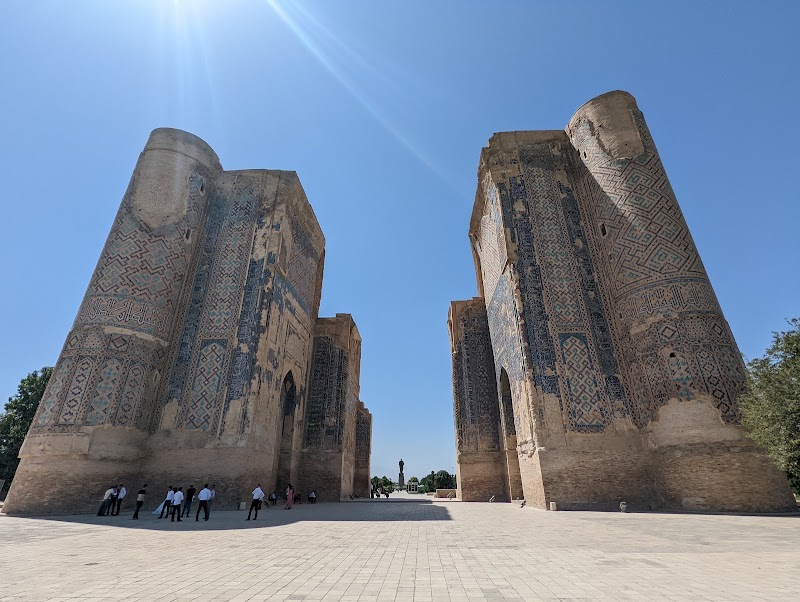
Ak-Saray Palace: Monumental Ruins in Shahrisabz
Timur’s ruined palace impresses with its towering portal and massive walls, though the journey from Samarkand divides opinion.
Uzbekistan · Samarqand
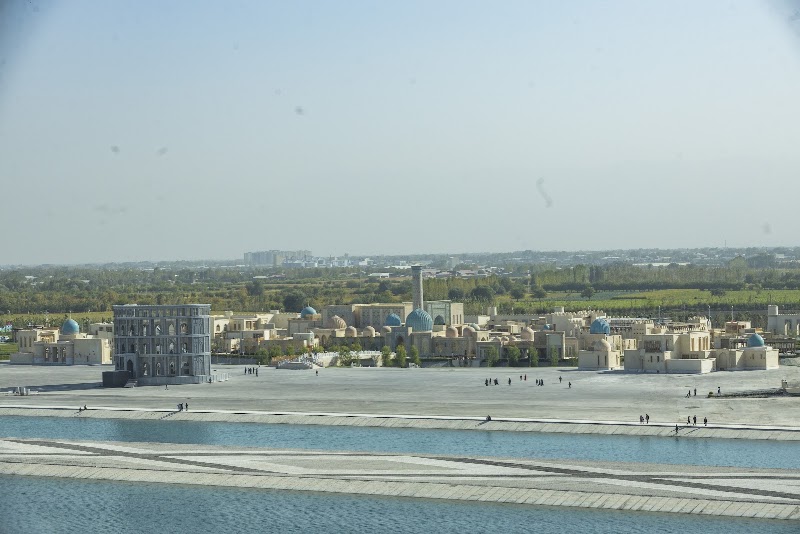
The Eternal City: a polished take on Silk Road Samarkand
The Eternal City is a polished Silk Road-themed ethnopark for photos, food and evening strolls, though reviews question its authenticity and convenience.
Uzbekistan · Khiva
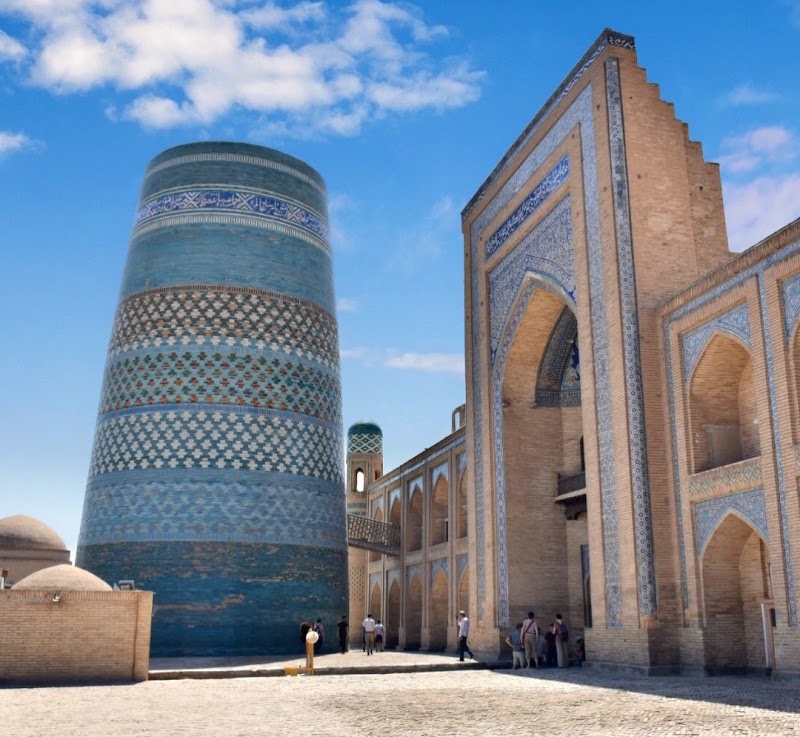
Kalta Minor Minaret: Khiva’s Unfinished Turquoise Icon
This broad, brilliantly tiled minaret near Ichan-Qala’s western gate is one of Khiva’s most recognisable landmarks and photo stops.
Uzbekistan · Buxoro
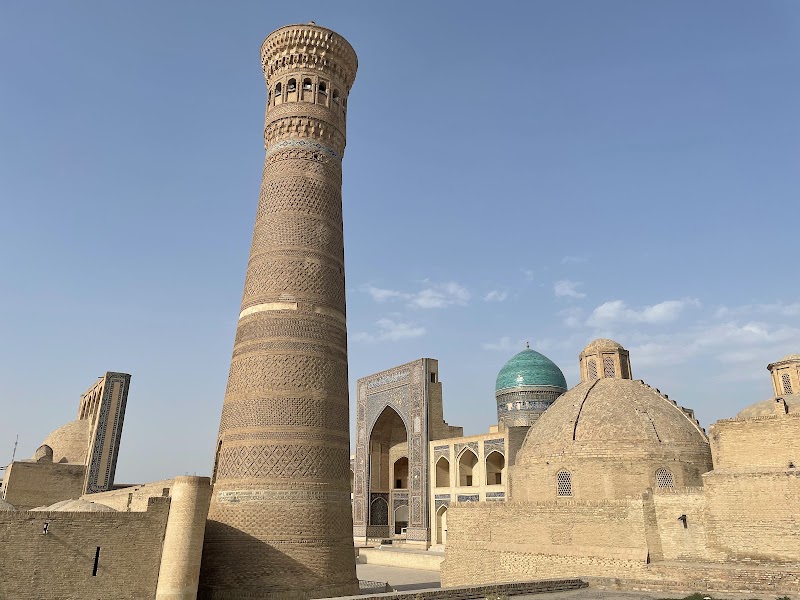
Kalan Minaret, Bukhara’s Defining Brick Landmark
Public reviews praise Kalan Minaret for its patterned brickwork, commanding presence and striking illumination after dark.