Serra da Capivara: Rock Art Across a Vast Landscape
Prehistoric paintings, dramatic views and well-kept trails make this national park rewarding, though advance guide arrangements are essential.

More photos

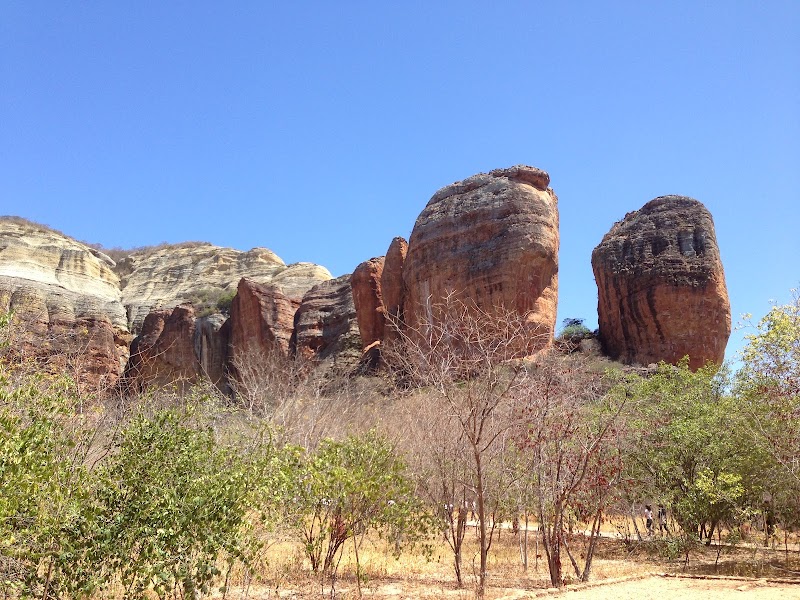
Photos published by travelers on Google, not AI generated.
What stands out
- Hundreds of preserved rock paintings
- Dramatic views across a vast landscape
- Well-kept trails and park roads
- Strong environmental conservation
- Accessible access at some archaeological sites
Worth knowing
- A local guide is required
- English-speaking guides can be difficult to find
- Advance planning is important
Don't miss
What comes up most in public reviews
- Prehistoric rock-art sites
- Hikes to the cave paintings
- Scenic viewpoints along the trails
- A guided tour covering different park areas
Worth the trip?
Why it stands out
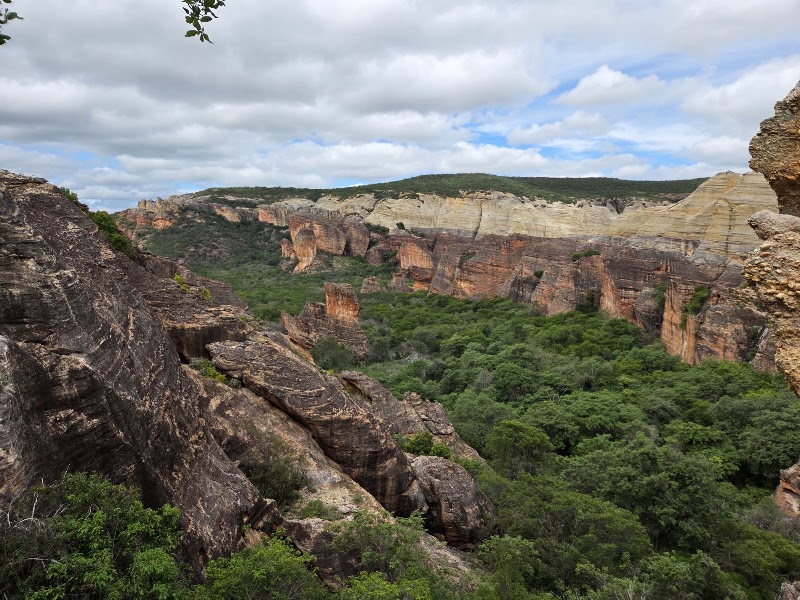
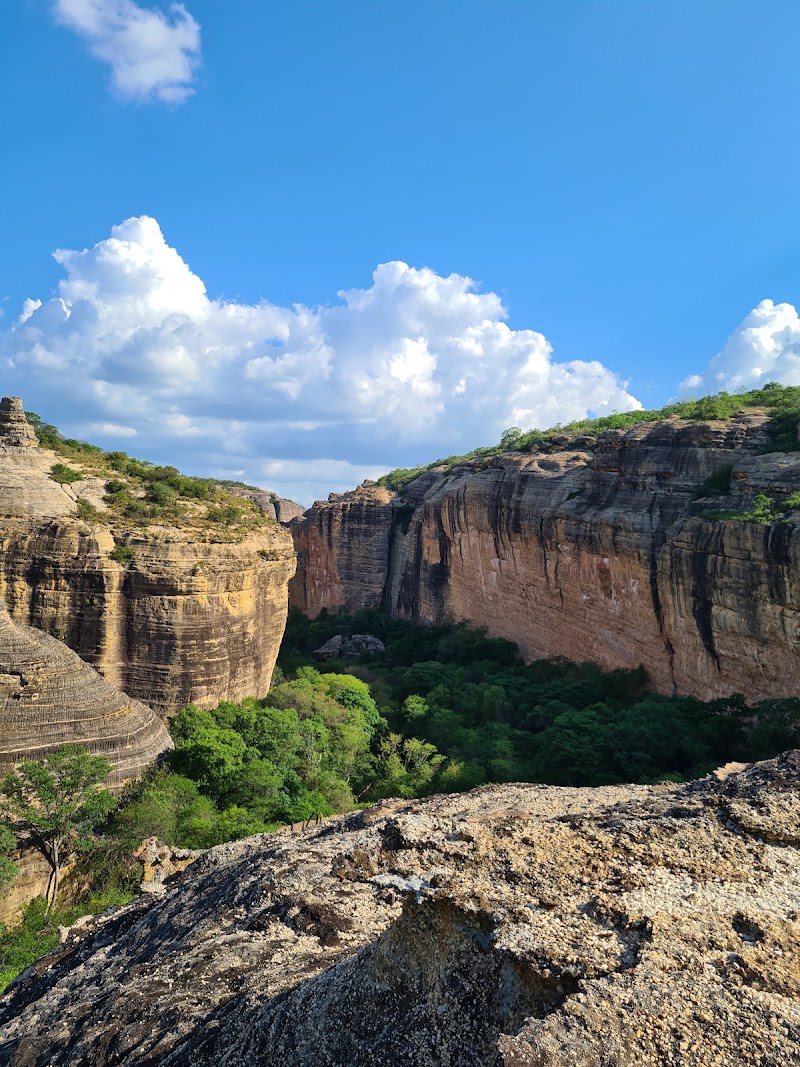
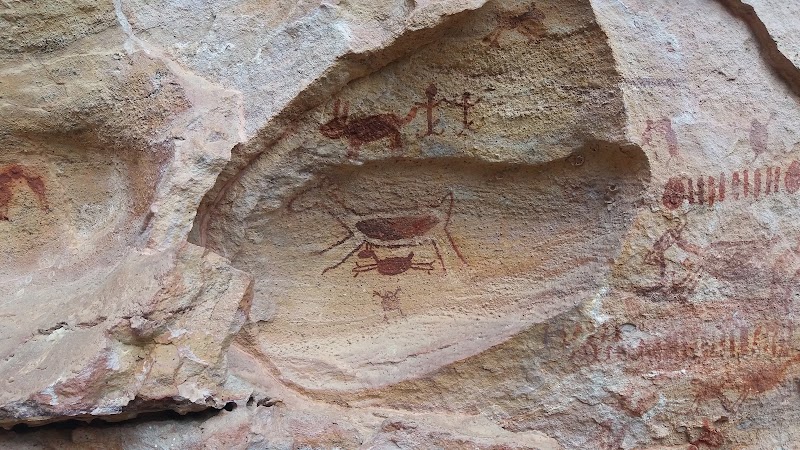
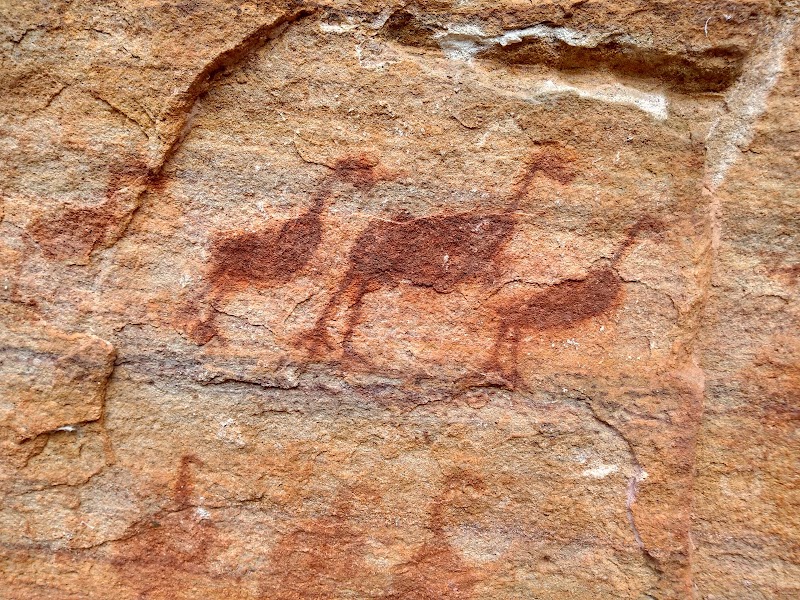
Serra da Capivara National Park earns a Google rating of 4.8 from 1676 reviews, with public feedback repeatedly focusing on its prehistoric rock art, striking scenery and strong conservation work. Travellers describe hundreds of preserved paintings distributed across an immense landscape of cliffs, caves and rugged natural terrain. Some reviewers rank it among the most beautiful national parks they have encountered.
The archaeological sites are the defining attraction. Reviews refer to paintings said to be thousands of years old, including one account describing works dating back around 15,000 years. Even without relying on a precise age, the scale and preservation of the rock art leave a clear impression. Visitors also praise the wider setting, where trails connect archaeological remains with expansive views and preserved nature.
Visiting the archaeological sites
Access to many of the painted sites is described as straightforward, with maintained roads and trails helping visitors reach key areas. One review also notes infrastructure that allows people with disabilities to visit some archaeological sites. The level of access is not described consistently enough to assume that every route is suitable, so travellers with mobility requirements should confirm arrangements before arrival.
The park’s size makes a guided visit more than a useful extra. Reviews state that a local guide is required, partly because the area is extensive and navigation can be difficult. A guide can also help structure the day around different sectors rather than treating the park as a single stop. One traveller spent 1.5 days touring separate areas, suggesting that a longer visit suits anyone interested in both the paintings and the landscape.
Planning challenges
The main criticism concerns guide organization. One reviewer struggled to find a guide when staying at accommodation without park connections, while several noted that most guides do not speak English. Travellers who are not fluent in Portuguese or Spanish may find interpretation limited unless an English-speaking guide is secured in advance.
This is not an attraction that rewards an improvised arrival. Accommodation providers with local contacts may be helpful, but independent visitors should arrange the required guide before reaching the park and clarify the meeting point, language and intended route. The reviews suggest that logistical preparation is the difference between a smooth visit and a frustrating one.
Editorial verdict
Synthesizing the rating and public reviews, Serra da Capivara is best suited to travellers drawn to archaeology, hiking and large-scale protected landscapes. The combination of ancient paintings, dramatic views and well-maintained routes receives unusually strong praise. Conservation efforts by park staff and FUMDHAM are also specifically commended.
The park’s tourism setup appears less polished than its trails and archaeological presentation, especially for international visitors seeking English-language guidance. With a guide confirmed beforehand and enough time to cover more than one area, however, it promises a culturally significant and visually memorable experience.
Ask anything
Looking for somewhere else?
Keep exploring around Milonga
More from Brazil

Brazil · Barra da Tijuca
Rio Adventures Tour Operator: Calm Guidance in Rio
Strong reviews highlight professional instructors, reassuring guidance and straightforward booking for hang-gliding and outdoor experiences around Rio.
Brazil · Zona Rural
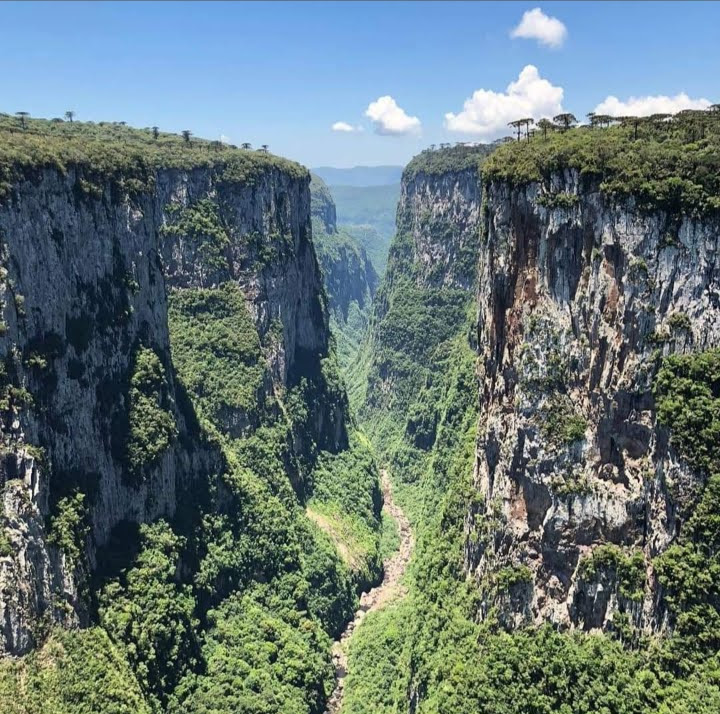
Aparados da Serra: Grand Views, Fog and Rough Edges
Dramatic canyon scenery earns strong praise, although fog, access costs and ageing visitor facilities can complicate a day in the park.
Brazil · Centro
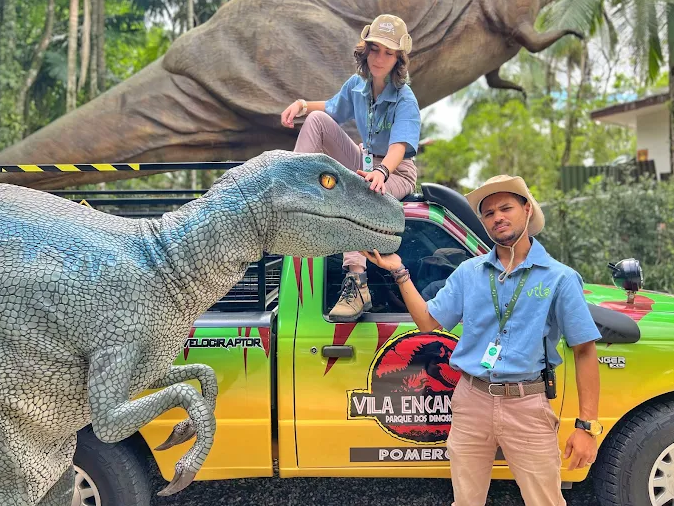
Vila Encantada Parque dos Dinossauros: Family Guide
A compact dinosaur-themed park where fossil digging, jungle gyms and educational workshops keep children busy in covered, shaded spaces.
Brazil · Vila do Abraão
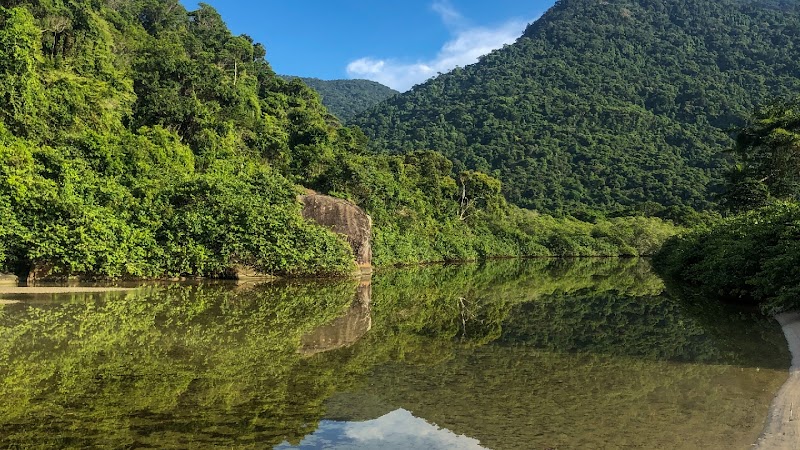
George of the Jungle Adventure: Guided Ilha Grande Treks
Strong public feedback highlights attentive guiding, jungle knowledge and memorable sunrise hikes from Vila do Abraão.