Sefa-Utaki: Okinawa’s Sacred Woodland Landmark
A compact spiritual site in Nanjo where Ryukyu history, sacred rock formations and dense greenery create a contemplative visit.
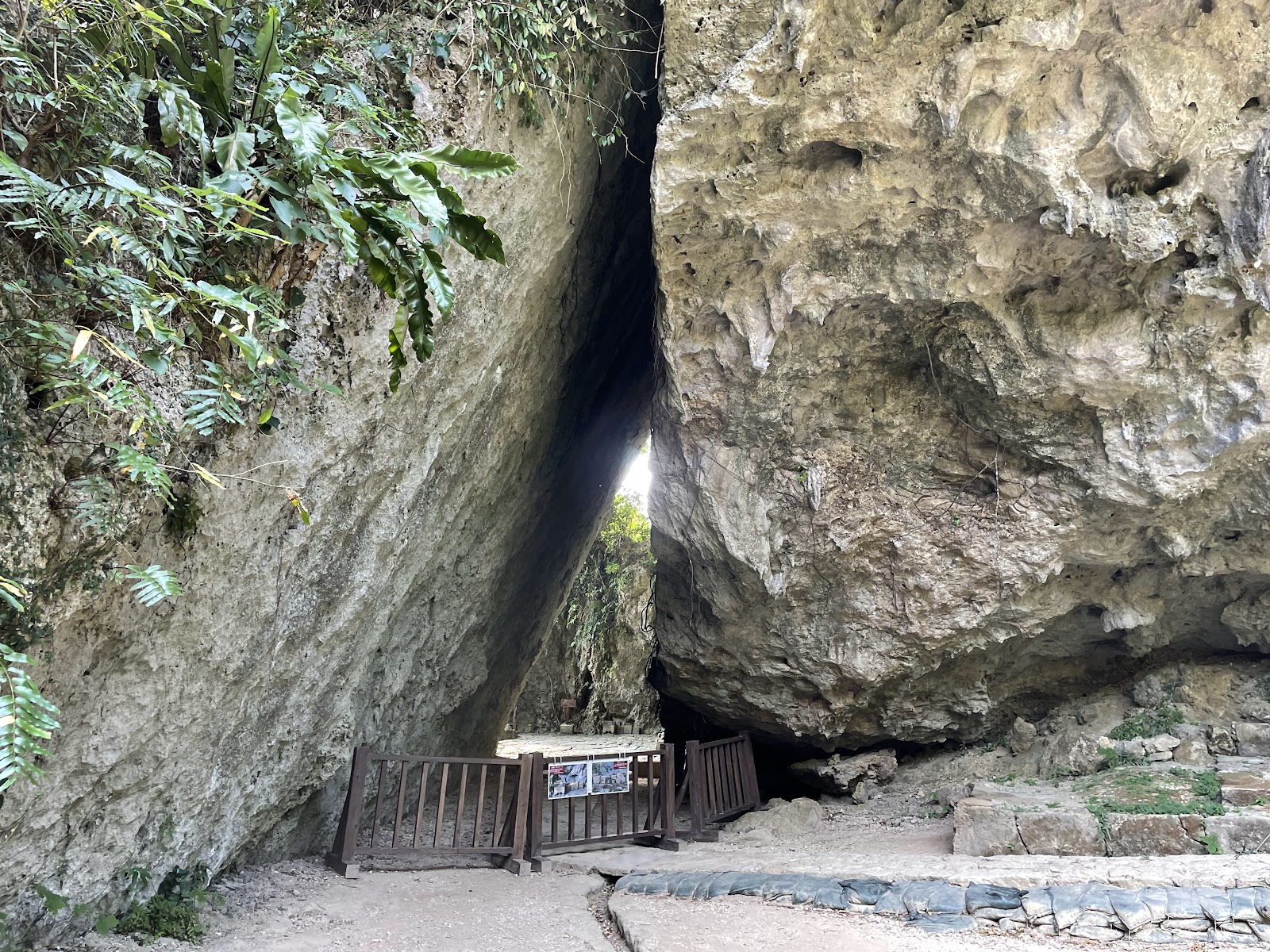
More photos
Photos published by travelers on Google, not AI generated.
What stands out
- Sacred Ryukyu Kingdom history
- Peaceful path through dense greenery
- Natural rock formations
- Pacific Ocean and landscape views
Worth knowing
- Limited parking near the site
- Summer conditions can be hot
- Construction may restrict access
Don't miss
What comes up most in public reviews
- Walk the woodland path
- Pause at the sacred rock formations
- Learn about Ryukyu Kingdom spirituality
- Look for Pacific Ocean views
Worth the trip?
Why Sefa-Utaki matters
Sefa-Utaki is one of Okinawa’s most important sacred places, valued for its connection to Ryukyu Kingdom history and spirituality. Public feedback, reflected in a Google rating of 4.3 from 5090 reviews, consistently describes an atmosphere that feels peaceful, reverent and distinct from a conventional sightseeing stop.
The site is also identified by reviewers as a UNESCO heritage location. Its significance comes less from elaborate buildings or decorative shrines than from the relationship between the forest, natural rock formations and places of worship. Some visitors find that simplicity powerful. Others arrive expecting a larger or more visually ornate attraction and leave underwhelmed. The most rewarding approach is to treat Sefa-Utaki as a place of cultural and spiritual importance rather than a collection of monumental structures.
What the visit is like
The route follows a path through thick vegetation to sacred areas formed around stone and rock. Reviews often mention the filtered sunlight, quiet surroundings and sense of separation from the busier tourist environment outside. The natural setting is central to the experience, with the changing light through the leaves adding much of the visual appeal.
Visitors generally describe the grounds as compact and manageable in less than an hour. That makes Sefa-Utaki easy to include in a wider Nanjo itinerary, though travellers interested in reflection, prayer or Ryukyu history may prefer to move slowly. Public reviews also mention views towards the surrounding landscape and Pacific Ocean, giving the visit a scenic dimension beyond the forest path.
Despite its sacred character, the site can feel touristy. Respectful behaviour is particularly important, as the rocks and natural spaces are not merely scenery but parts of an active spiritual landscape.
Practical considerations
Parking is reported to be limited near the landmark, with visitors directed to park by the visitor centre. Allowing time for the approach avoids turning a short visit into a rushed one.
Summer heat is another recurring concern. The trees provide atmosphere and some shade, but reviewers still describe hot conditions, so a cooler part of the day is preferable. Comfortable footwear is sensible for the natural path, particularly where the surface may be uneven.
One review reported construction, fencing and restricted access during a November visit, including closure around a principal sacred area. That report should not be treated as a permanent condition, but prospective visitors should check the latest access information before travelling. Restricted sections can materially change the experience because the site is already relatively small.
Editorial verdict
Sefa-Utaki is best suited to travellers drawn to Okinawan history, sacred landscapes and quiet nature walks. Its appeal is subtle rather than spectacular. The site’s modest scale and austere rock features will not meet every visitor’s expectations, especially when access is restricted.
For those who understand its cultural context, however, the combination of forest, stone, sunlight and spiritual history can be deeply affecting. It works particularly well as a focused stop within a broader day exploring Nanjo rather than as a full-day attraction in its own right.
Plan the rest of the trip
Ask anything
Looking for somewhere else?
Keep exploring around Nanjo
More from Japan
Japan · Kyoto
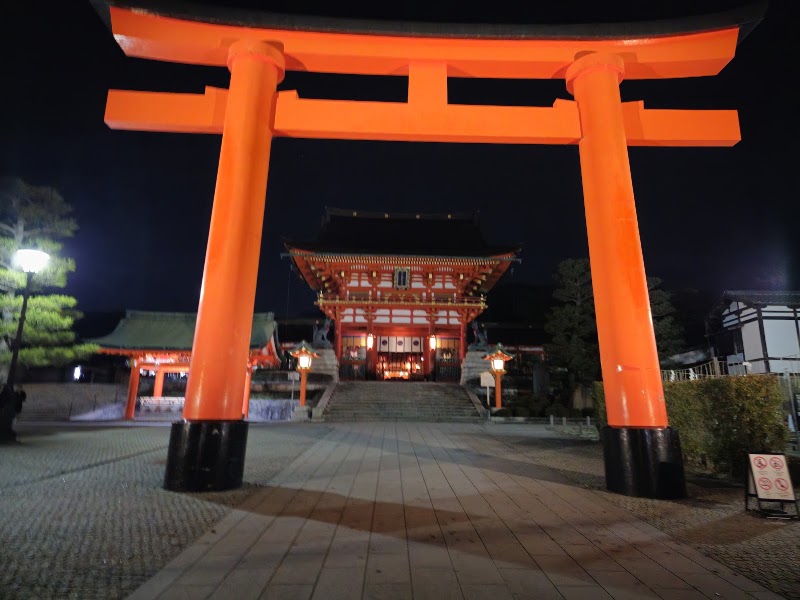
Fushimi Inari Taisha: Kyoto’s Torii-Gate Mountain Walk
Fushimi Inari Taisha pairs iconic vermilion torii gates with a demanding mountain route that grows quieter and more atmospheric higher up.
Japan · Taito City
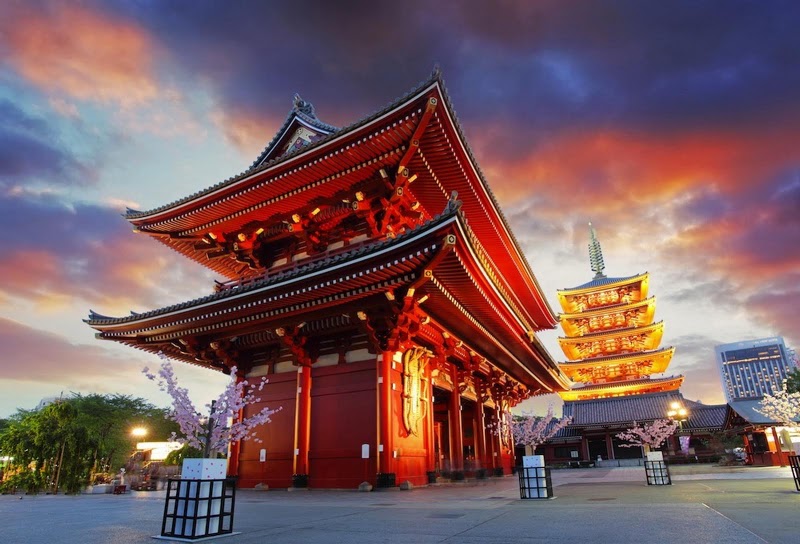
Sensō-ji, Tokyo’s Enduring Temple Landmark
Sensō-ji gives visitors a vivid introduction to Buddhist tradition, historic architecture and the busy street life of Asakusa.
Japan · Sumida City
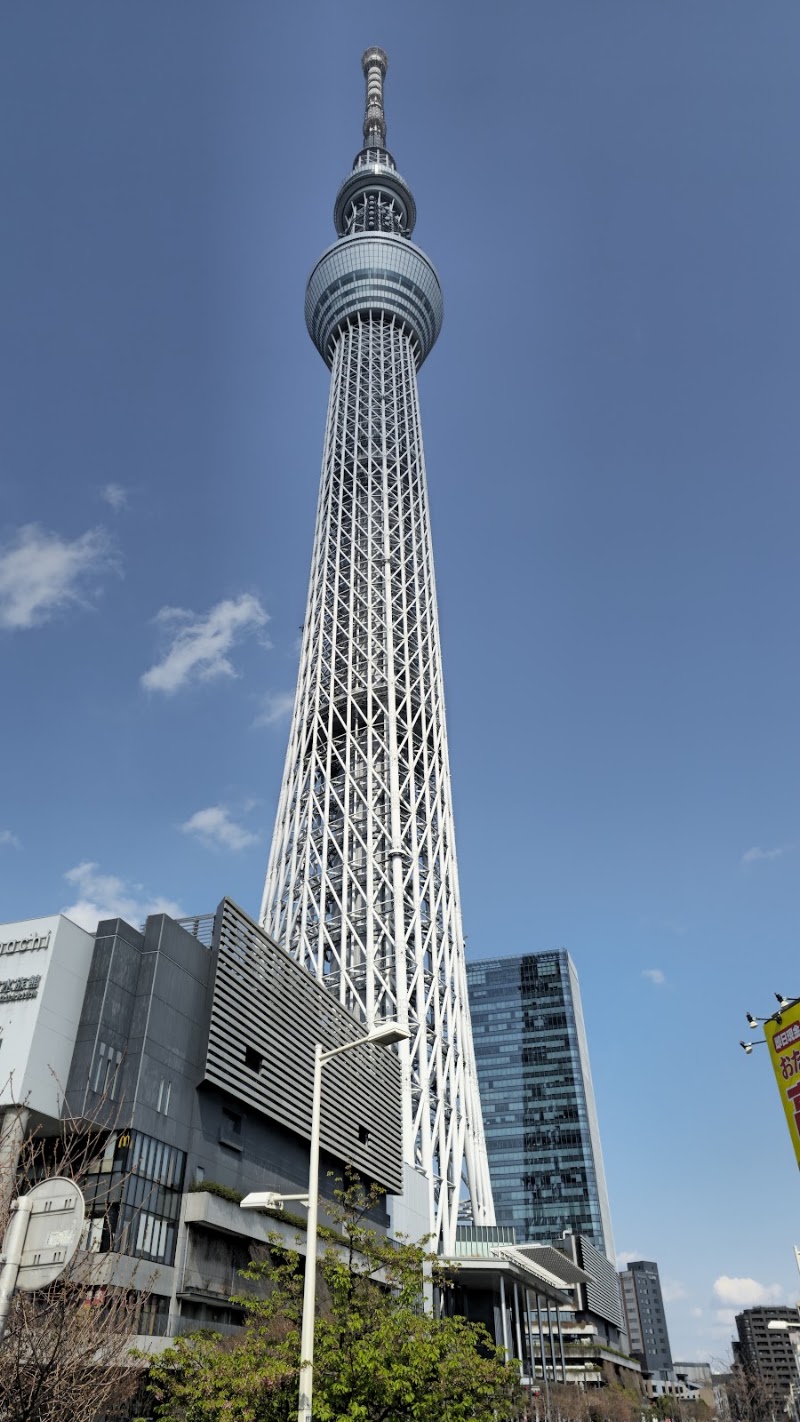
Tokyo Skytree Delivers Wide-Ranging Views Across Tokyo
Public reviews praise Tokyo Skytree for its panoramic observation decks, smooth organization and strong day-to-night views.
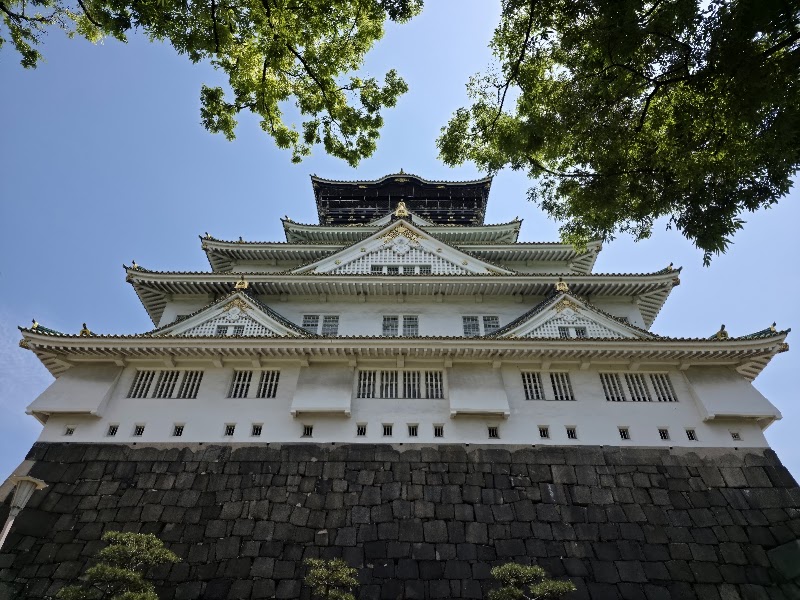
Japan · Osaka
Osaka Castle: striking grounds, layered history and a modern interior
Osaka Castle earns strong public praise for its architecture, parkland and historical importance, though the museum interior may surprise visitors expecting original rooms.