Sannai Maruyama Site: Aomori’s Window on Prehistoric Japan
This extensive archaeological site pairs reconstructed ruins with a museum full of Jōmon-era artifacts, around 30 minutes from central Aomori by bus.
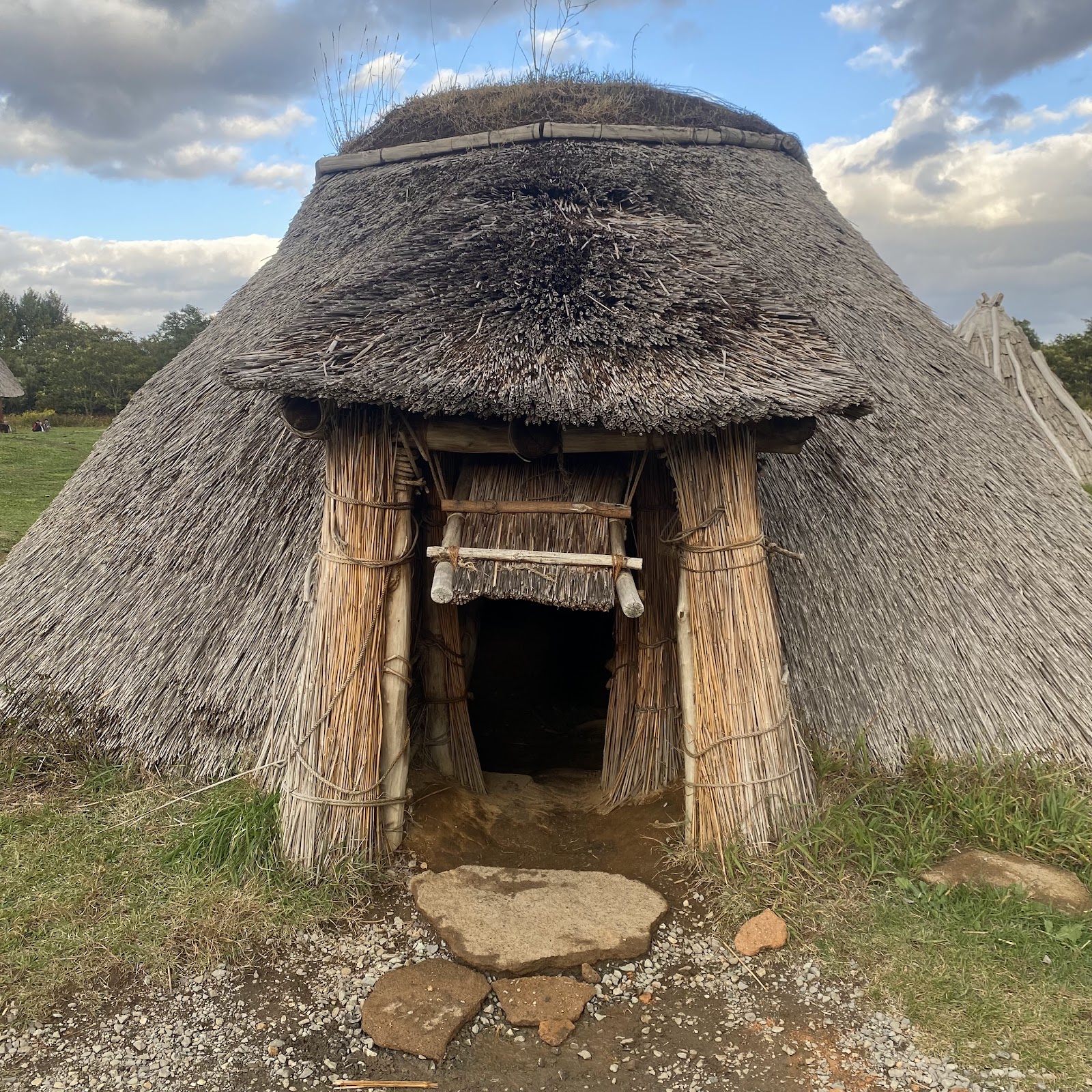
More photos
Photos published by travelers on Google, not AI generated.
What stands out
- Reconstructed prehistoric settlement
- Museum with 6,000-plus-year-old artifacts
- Excavation areas and historic ruins
- English signage and audio guide options
- Bus access from Aomori Station
Worth knowing
- Return buses may be about an hour apart
- Most guided tours are in Japanese
- English tour availability may vary
Don't miss
What comes up most in public reviews
- Explore the museum exhibits
- Walk through the reconstructed site
- See the excavation areas
- Ask about an English-language tour
- Check the S51 return bus
Worth the trip?
Why visit
Sannai Maruyama Site is a serious historical stop for travellers interested in prehistoric Japan. Public reviews give it a 4.4 rating from 5,386 reviews, with repeated praise for its clean presentation, reconstructed structures and large collection of artifacts. Reviewers describe a site connected with a lesser-known prehistoric culture, with remains and objects dating back more than 6,000 years.
The visit combines open-air excavation areas with reconstructed buildings and a museum. That combination matters. The ruins show the scale and layout of the settlement, while the indoor displays provide the context that the outdoor site cannot supply on its own. One reviewer singled out a large wall and a storage display among the museum’s exhibits.
What the visit is like
The site is commonly described as easy to reach by bus from Aomori Station. The S51 service takes roughly 30 minutes, according to one public review. Travellers arriving by shinkansen can also find a direct bus connection to Shin-Aomori Station.
A typical visit can fill half a day, especially if the museum, excavation areas and a guided explanation are all included. One reviewer reported an on-site tour lasting around 50 minutes to one hour. The reconstructed areas are the visual centre of the visit, but the museum deserves proper time rather than a quick pass through.
The public feedback is clear on one practical point: bus planning matters. Services may be spaced about an hour apart, and visitors are advised to check the return timetable before starting the tour. Missing the bus can extend the visit considerably.
Guides and language
Guided tours are available, but several reviews say that the regular volunteer or site explanations are in Japanese. That can make the archaeological details difficult for visitors who do not understand Japanese, particularly outdoors in windy conditions.
English signage is available in the museum and around the site, and one reviewer mentioned audio guides for the theatre show. An English version of a site tour was available to one visitor, but the reviews do not establish how regularly that option runs. Travellers who want detailed interpretation should check current language arrangements before arrival.
Editor’s verdict
Sannai Maruyama Site suits visitors who enjoy archaeology, museums and reconstructed historic environments. It is not a quick photo stop. The strongest reviews reward the quality of the restoration and the depth of the exhibits, while the main frustrations concern transport intervals and limited English-language guiding.
The site works best as a planned half-day outing from Aomori. Checking the bus schedule first, allowing time for the museum and asking about available English support should make the visit smoother. For travellers with an interest in Japan’s deep history, the evidence in public reviews supports making the journey.
Plan the rest of the trip
Ask anything
Looking for somewhere else?
Keep exploring around Aomori
More from Japan
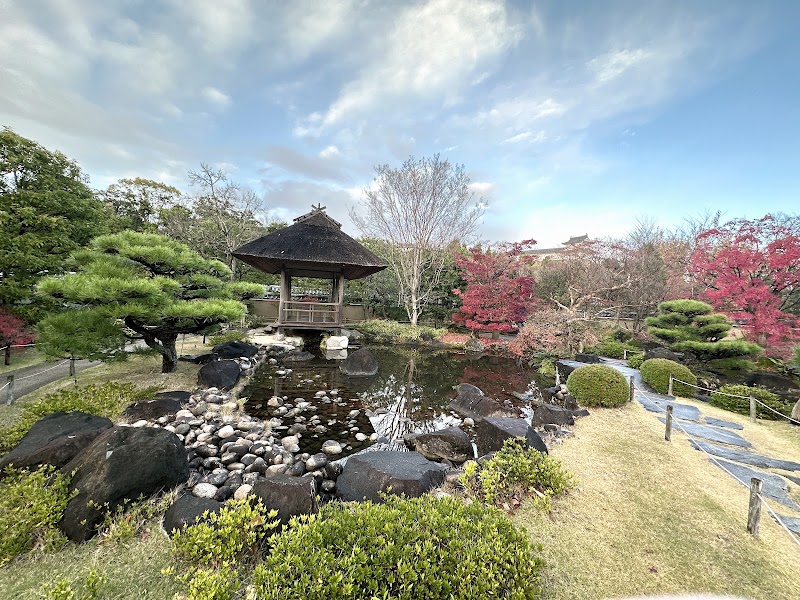
Japan · Himeji
Koko-en Garden: A Quiet Counterpoint to Himeji Castle
Koko-en Garden pairs carefully shaped landscapes, reflective pools and traditional architecture with a slower visit beside Himeji Castle.
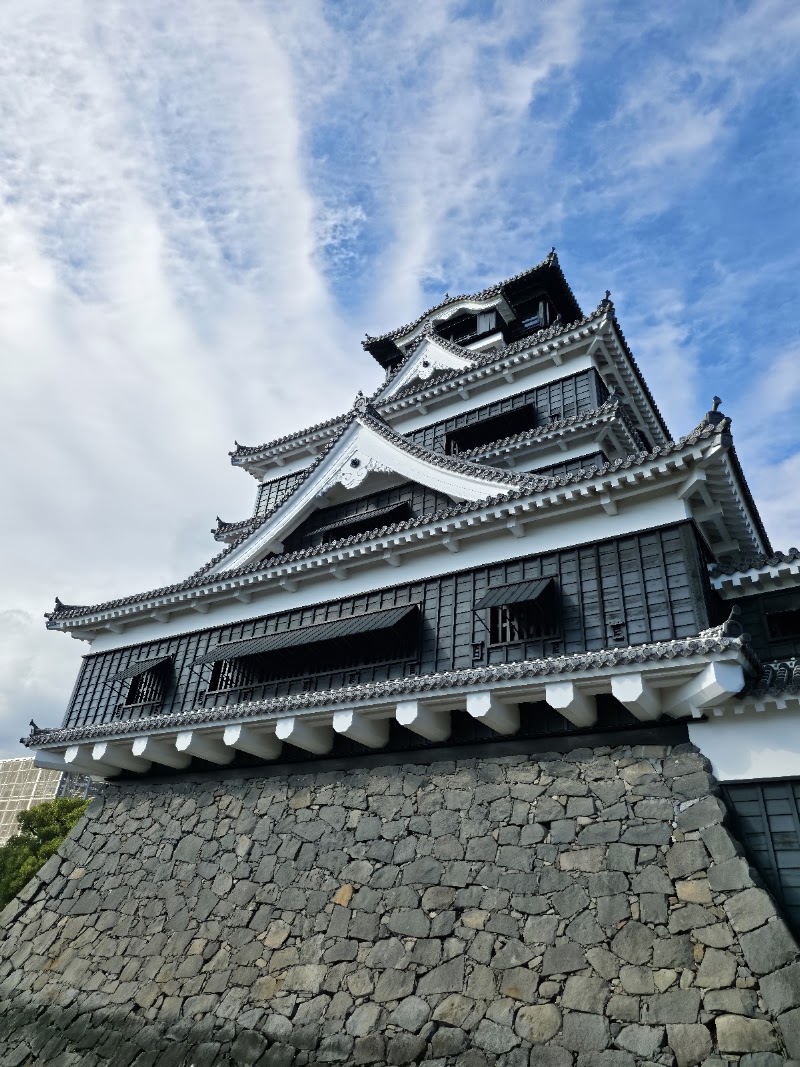
Japan · Kumamoto
Kumamoto Castle: A Powerful Reconstruction and History Stop
Public reviews describe Kumamoto Castle as an impressive, accessible landmark with strong exhibits, commanding views and visible earthquake-recovery work.

Japan · Matsumoto
Matsumoto Castle: A Striking Landmark with a Demanding Climb
Matsumoto Castle rewards visitors with dramatic architecture, calm grounds and excellent upper-level views, though its steep wooden stairs require care.

Japan · Setagaya City
Arigato Travel: Japan Food Tours Led by Local Stories
Public reviews praise Arigato Travel’s food tours for knowledgeable guides, generous tastings and a strong sense of place across Tokyo, Kyoto and Osaka.