A country estate museum with rooms, courtyards and chapel
Original furnishings and adobe architecture make this rural museum an illuminating look at grand-house life in south-central Chile.
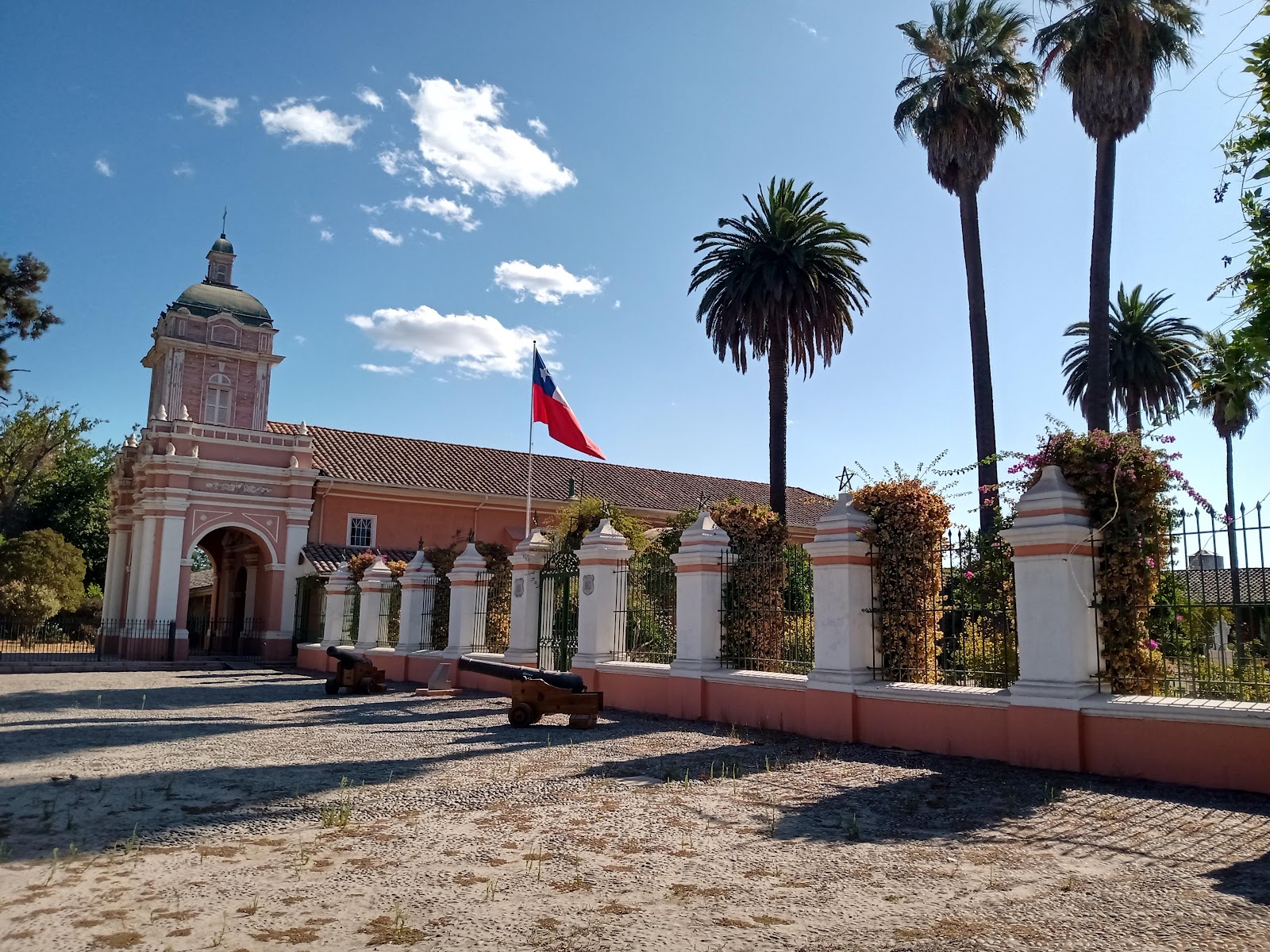
More photos
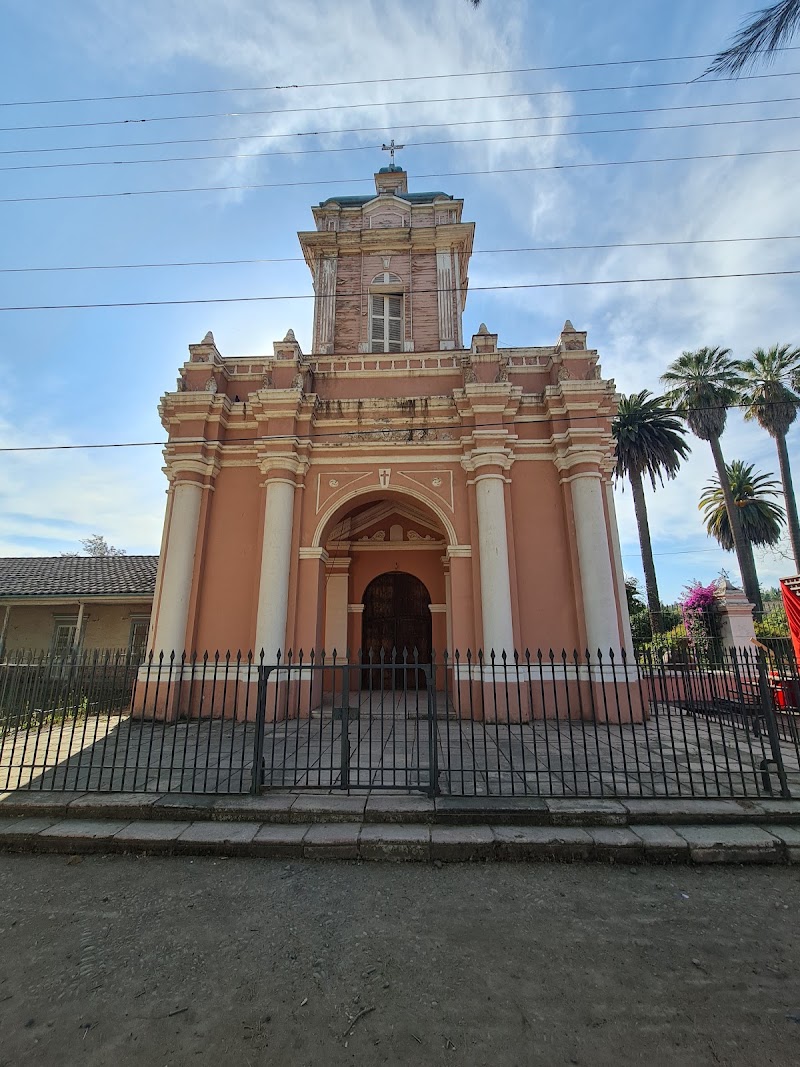
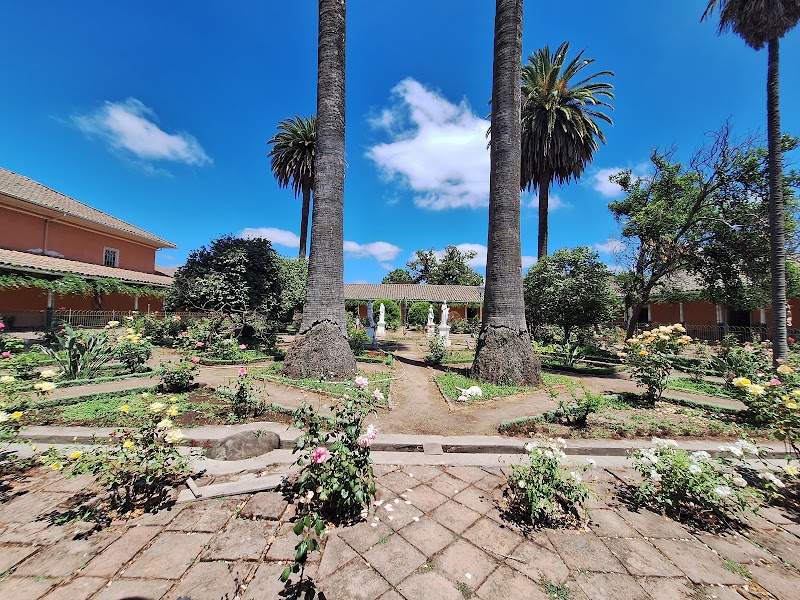
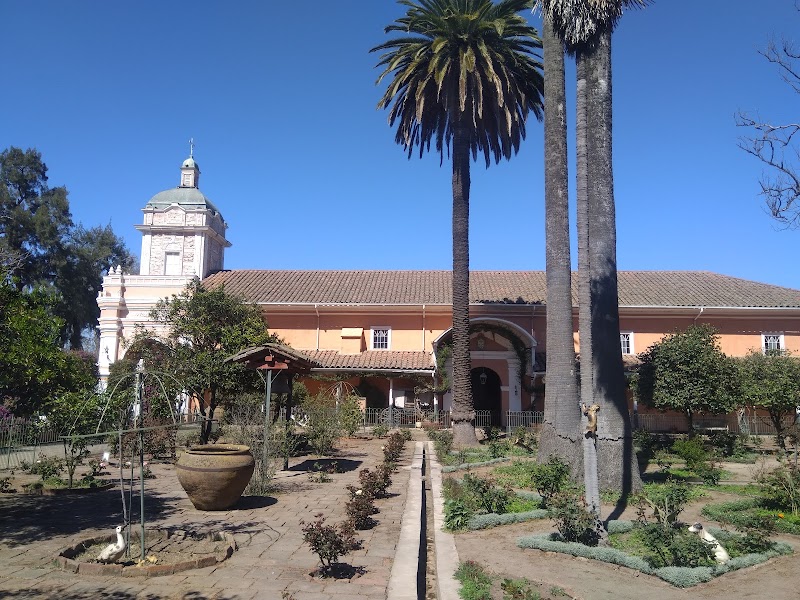

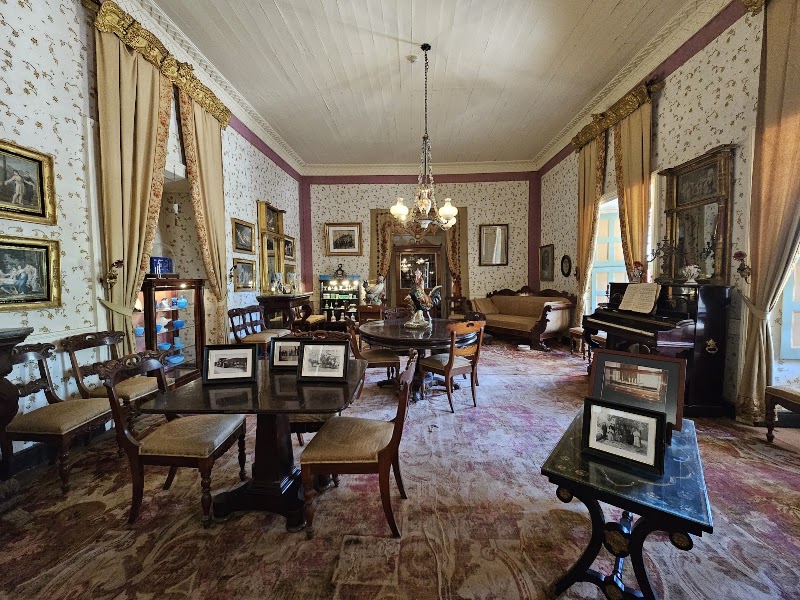
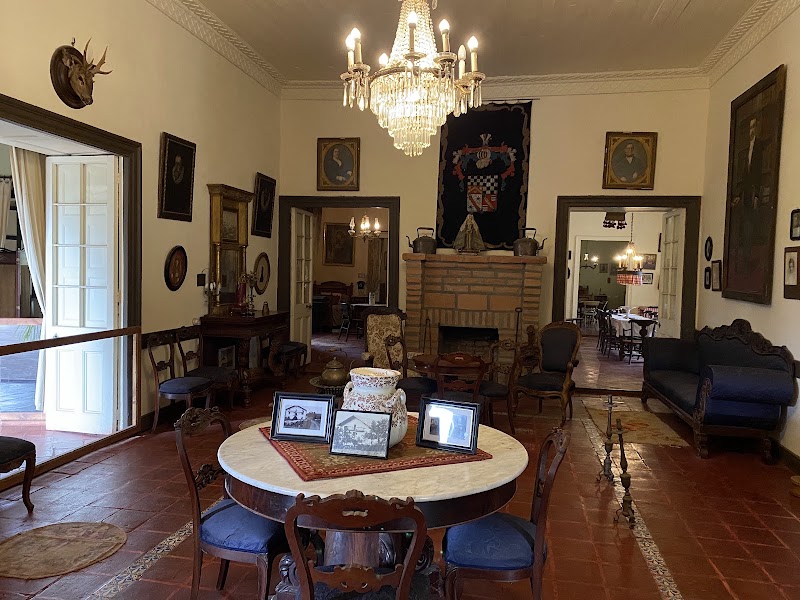
Photos published by travelers on Google, not AI generated.
What stands out
- Original decorations and furnishings
- Adobe and wood architecture
- Multiple courtyards and historic rooms
- Imposing chapel
- Insight into countryside Chile
Worth knowing
- Some visitors report an air of neglect
Don't miss
What comes up most in public reviews
- Walk through the furnished rooms
- Explore the estate courtyards
- See the chapel
- Examine the adobe and wood structures
Worth the trip?
The overall impression
San José del Carmen Historical Museum of El Huique earns a strong Google rating of 4.7 from 788 reviews. Public feedback repeatedly describes it as an enlightening window onto a vanished rural lifestyle, with enough character and historical interest to justify travelling beyond Chile’s better-known urban sights. One reviewer even considers it worthy of a substantial detour.
The appeal is not limited to individual objects. Visitors respond to the estate as a complete setting, where furnished rooms, several courtyards and traditional buildings help convey how a grand country house once operated. Reviews place that story within south-central Chile, spanning the late 18th through the 20th centuries.
What visitors come to see
The original decorations and furnishings are among the clearest highlights in the available feedback. Rather than presenting the past only through display cases, the museum appears to preserve the atmosphere of domestic spaces, allowing visitors to move through rooms that still suggest their former purpose and scale.
The adobe and wood structures also attract attention. Reviews note that the complex has endured major earthquakes through reconstruction and maintenance, making the surviving architecture part of the experience. Several courtyards add to the sense of a substantial rural property and give the visit more variety than a single-building museum.
The chapel receives especially warm praise. It is described as both beautiful and imposing, and it stands out as the most specifically recommended feature in the public comments. For travellers interested in architecture, interiors or Chilean social history, it is likely to be a focal point.
A broader view of rural Chile
Feedback often frames El Huique as an antidote to a Santiago-centred view of the country. The setting and collections offer what one reviewer calls “countryside Chile,” presenting an aspect of national history that can be missed on city-based itineraries.
That makes the museum particularly suitable for culturally curious travellers exploring south-central Chile by road. Its value lies in context: the buildings, furnishings, courtyards and chapel work together to illustrate life in a grand rural household over a long period. Reviews suggest that the site rewards visitors who enjoy looking closely at historic interiors rather than those seeking a fast, activity-led attraction.
Reservations and verdict
The principal criticism is an impression of neglect. This does not dominate the feedback, but it is specific enough to note, particularly because the site’s attraction depends heavily on the condition and presentation of old structures and interiors. Expectations should therefore allow for a historic complex that may not feel uniformly polished.
Even with that reservation, the overall pattern is highly positive. Reviewers describe the museum as lovely, interesting and worth going out of the way to see. Its strongest qualities are the completeness of the estate setting, the retained furnishings and the chance to understand a less urban side of Chilean history. For travellers already exploring the region, it merits around half a day rather than a hurried stop.
Ask anything
Looking for somewhere else?
Keep exploring around San José del Carmen
More from Chile
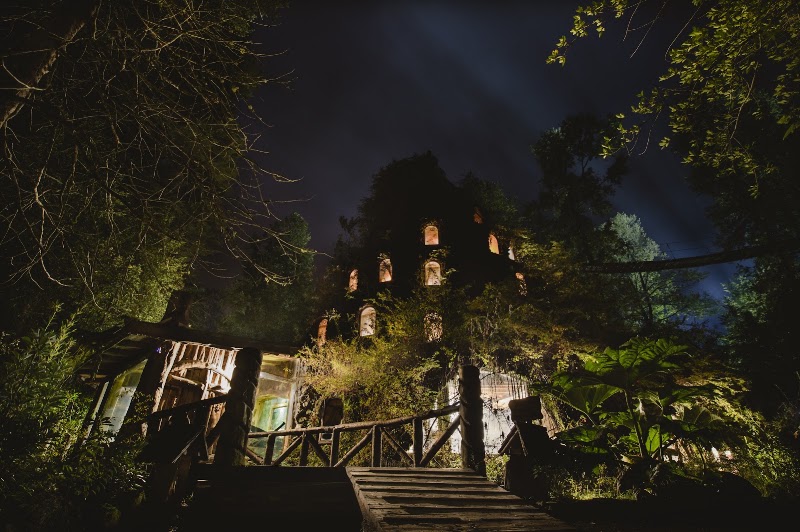
Chile · Panguipulli
Montaña Mágica Lodge: striking design, uneven service
This forest lodge near Panguipulli stands out for its architecture, trails and spa, though reviews raise concerns about service, navigation and value.

Chile · Los Quenes
Chilean Adventures: White-Water Rafting in Los Quenes
Strong reviews for reassuring guides, lively white-water rafting and memorable river scenery make this a compelling Los Quenes adventure.
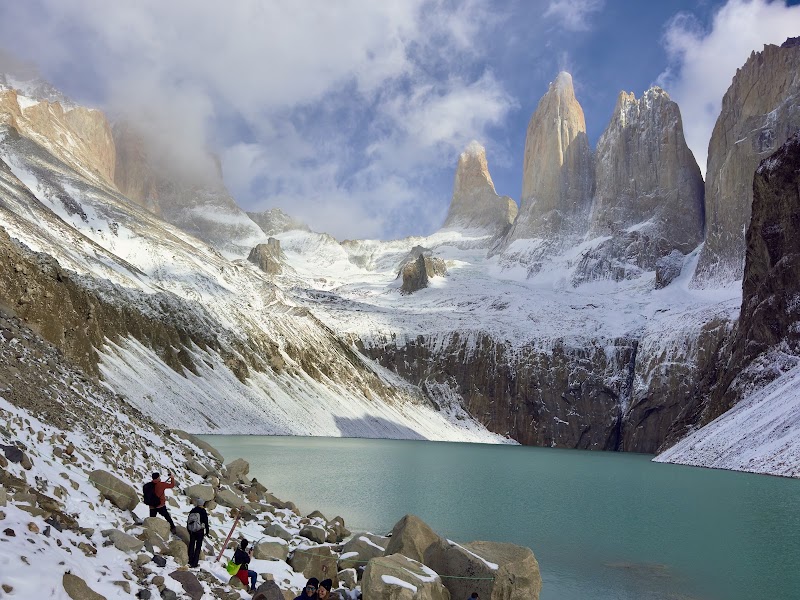
Chile · Torres de Paine
Mirador Las Torres Base: a demanding Patagonian hike
A strenuous full-day trek through forest and rugged terrain, culminating in close-up views of Torres del Paine’s three granite towers.
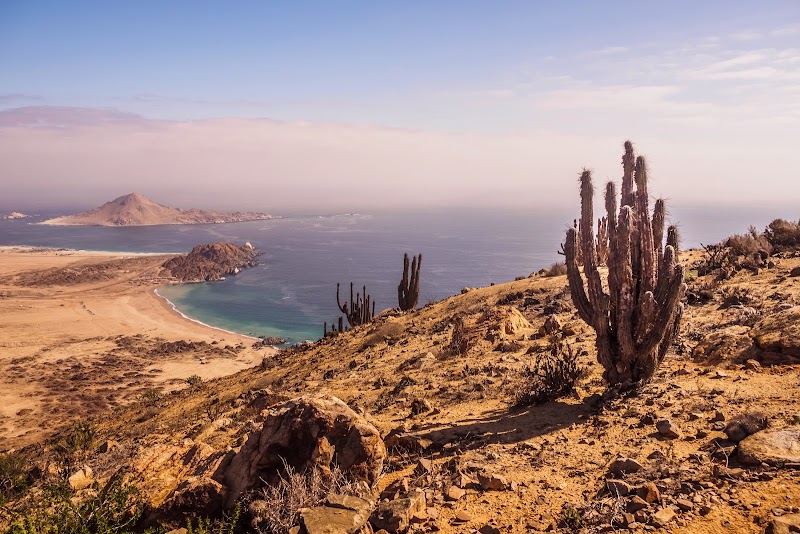
Chile
Parque Nacional Pan de Azúcar: Coast, Cacti and Camping
This remote Chilean national park pairs a striking desert coastline with cactus-lined trails, beach camping and memorable sunset views.