San Francisco Monastery: Historic Ruins in Santo Domingo
Centuries-old masonry and a striking urban setting make these compact ruins a worthwhile, if brief, stop for history-focused travellers.
More photos
Photos published by travelers on Google, not AI generated.
What stands out
- Centuries-old ruined architecture
- Contrast with modern city life
- Compact and easy to explore
- Reported Sunday tropical music
Worth knowing
- Restoration may affect access or views
- Small site with a ruined structure
- Sunday concerts should be confirmed
Don't miss
What comes up most in public reviews
- Explore the surviving monastery walls
- Ask whether Sunday tropical music is scheduled
Worth the trip?
Why the ruins draw interest
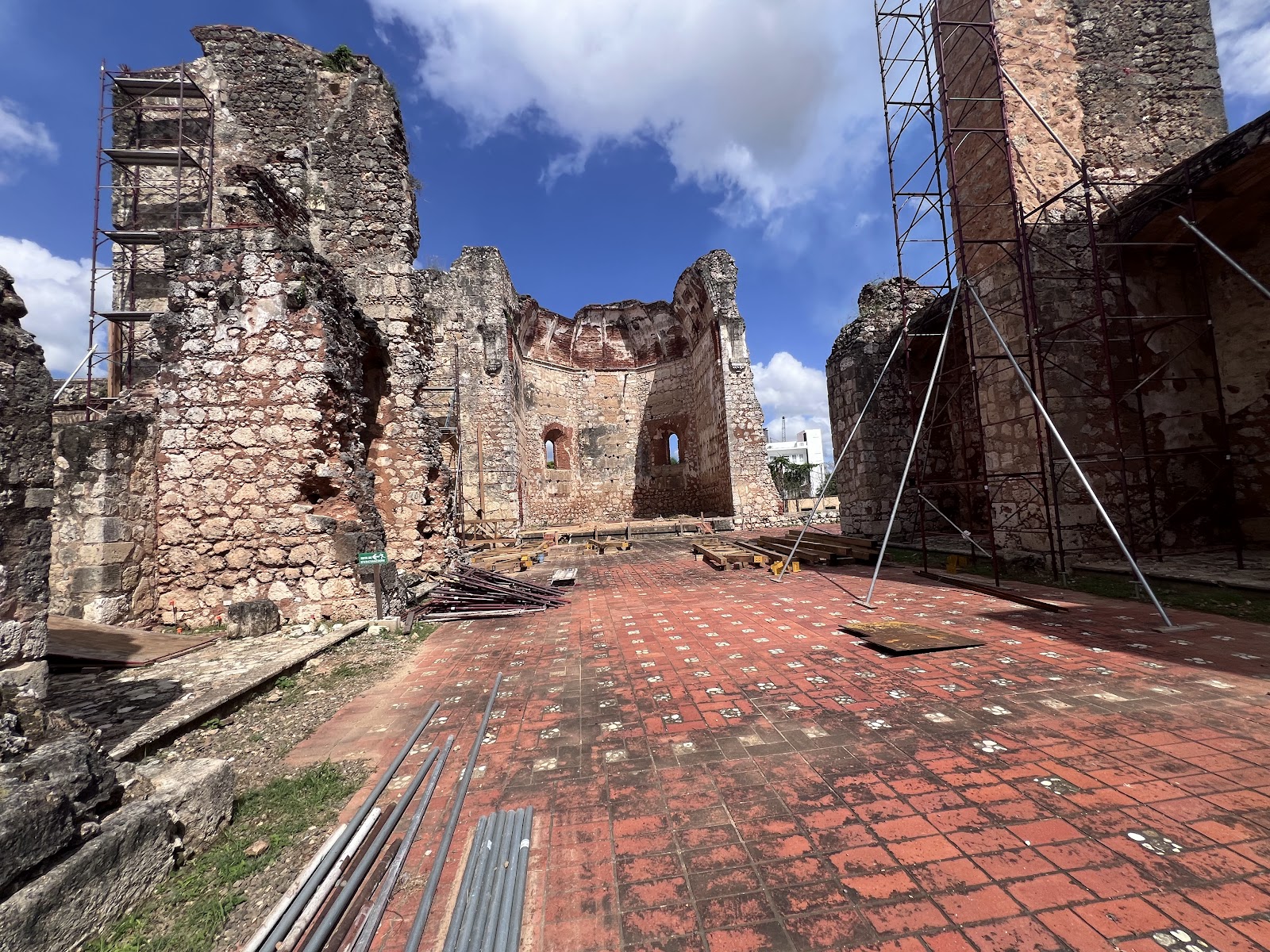
Public feedback presents San Francisco Monastery as a compact historical stop rather than a polished, attraction-packed experience. It holds a Google rating of 4.4 from 81 reviews, with much of its appeal tied to age, atmosphere and the survival of its architecture amid modern Santo Domingo.
Reviewers repeatedly describe the structure as a ruin, using phrases such as “crumbling rubble” with both admiration and disappointment. That divide is central to the experience. Travellers interested in early colonial architecture may find the weathered walls evocative, while those expecting an intact monastery, extensive interpretation or a fortress-like complex could leave underwhelmed.
One review identifies the site as part of Santo Domingo’s UNESCO World Heritage context. The contrast between old masonry and surrounding contemporary buildings is also singled out as a reason to pause and look more closely.
Historical significance
A detailed public review reports that construction was ordered by Frey Nicolás de Ovando in 1508 and continued until 1560. The same reviewer describes it as the first monastery of its kind in the Americas. Those claims give the remaining walls greater significance than their modest scale might initially suggest.
The site appears best suited to travellers who enjoy reading architecture through surviving stonework rather than furnished interiors. Reviews refer to it variously as a monastery, historical building, ruins and a small fortress. Whatever terminology visitors use, the dominant impression is of an exposed structure whose importance comes from its age and place in Santo Domingo’s history.
The reviews do not suggest a large collection, elaborate visitor facilities or a long sequence of rooms. Its value is more immediate: old architecture, visible decay and a close encounter with the city’s early built heritage.
How long to allow
One reviewer says the entire site can be explored within 30 minutes and describes the walk as easy. That makes the monastery suitable as a short stop rather than a half-day destination. History enthusiasts may spend longer examining the walls and considering the contrast between the ruins and the active city around them, but most travellers are unlikely to need more than an hour.
Restoration work may affect the experience. One visitor found the site under restoration but still considered it interesting to explore. As conditions can change, travellers with a strong interest in access or photography may want to check the current situation before going.
A separate review reports live tropical music on Sundays. The sample does not establish whether this remains a regular programme, so it is better treated as something to confirm locally rather than a guaranteed weekly event.
Overall verdict
San Francisco Monastery works best for travellers already interested in Santo Domingo’s historical architecture. Its compact footprint and ruined condition are either the main attraction or the principal limitation, depending on expectations.
The strong public rating suggests broad appreciation, but the written feedback is more nuanced. Some reviewers find the surviving structure fascinating and historically important; others see little beyond a small area of crumbling stone. Approached as a brief architectural encounter rather than a complete monastery visit, it should be a worthwhile addition to a history-led walk through the city.
Plan the rest of the trip
Ask anything
Looking for somewhere else?
Keep exploring around Santo Domingo
More from Dominican Republic
Dominican Republic · Santo Domingo
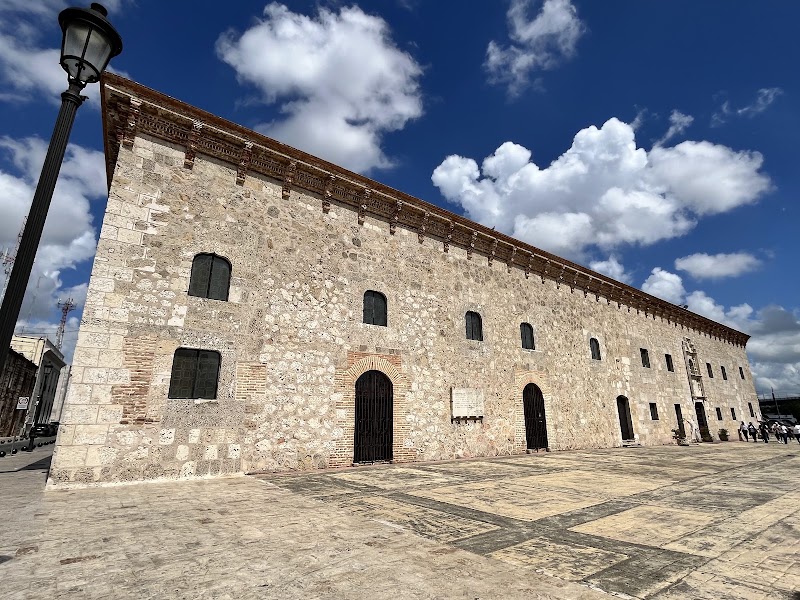
Museum of the Royal Houses: Santo Domingo’s History in Context
An audio-guided museum in Santo Domingo’s historic centre, valued by reviewers for its artifacts and accessible introduction to Hispaniola’s colonial past.
Dominican Republic · Damajagua
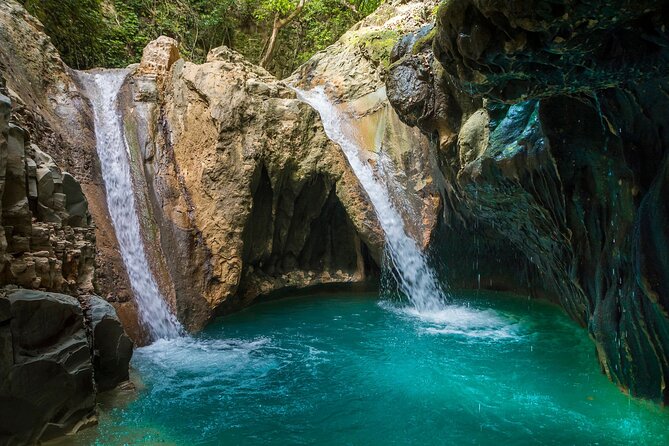
Damajagua Waterfalls: A Guided Rush Through Jungle and Water
Damajagua Waterfalls pairs a demanding jungle hike with rock slides, cliff jumps and cold pools, earning strong reviews for adventure and guide-led safety.
Dominican Republic · Damajagua
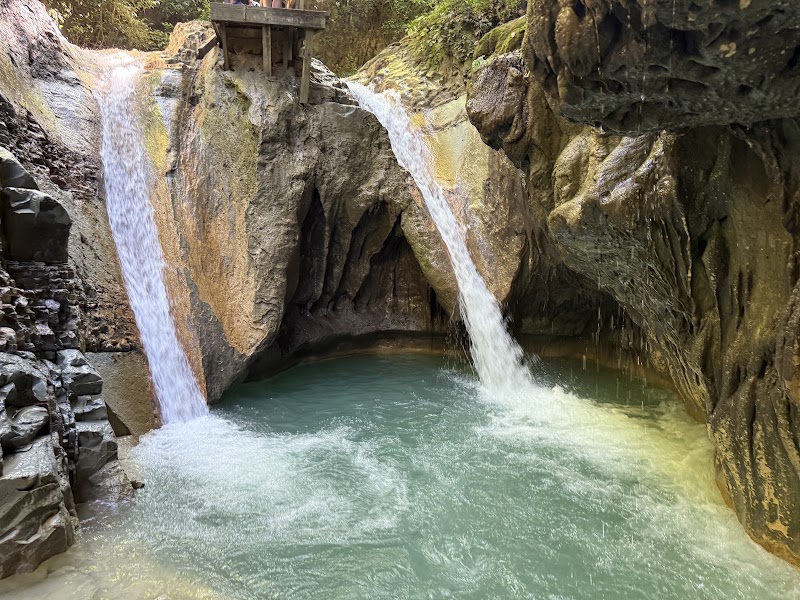
Damajagua Waterfalls: A Demanding, Thrilling Water Adventure
Damajagua Waterfalls rewards fit, confident visitors with jungle hiking, natural slides and waterfall jumps in the Dominican Republic.
Dominican Republic · Punta Cana
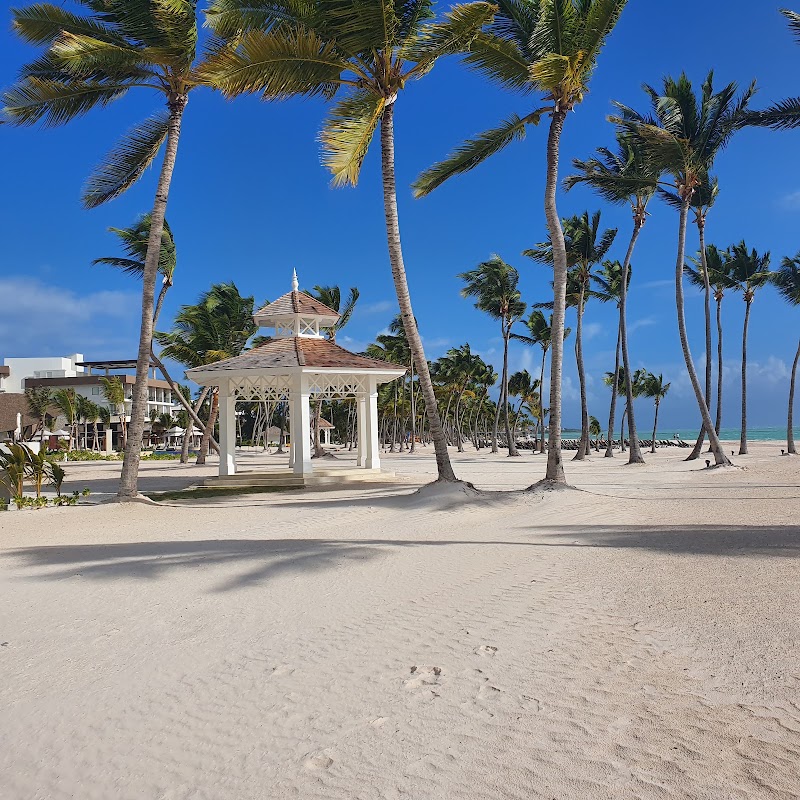
Juanillo Beach: Clean Shores, Crowds and Sargassum Risks
Public reviews praise Juanillo Beach for its spacious, tidy setting, though seaweed, private access and premium on-site costs can affect the day.