Castillo San Felipe de Barajas: Cartagena’s Great Fort
Cartagena’s monumental hilltop fortress combines military history, atmospheric tunnels and broad city views, but heat and steep gradients require planning.
More photos

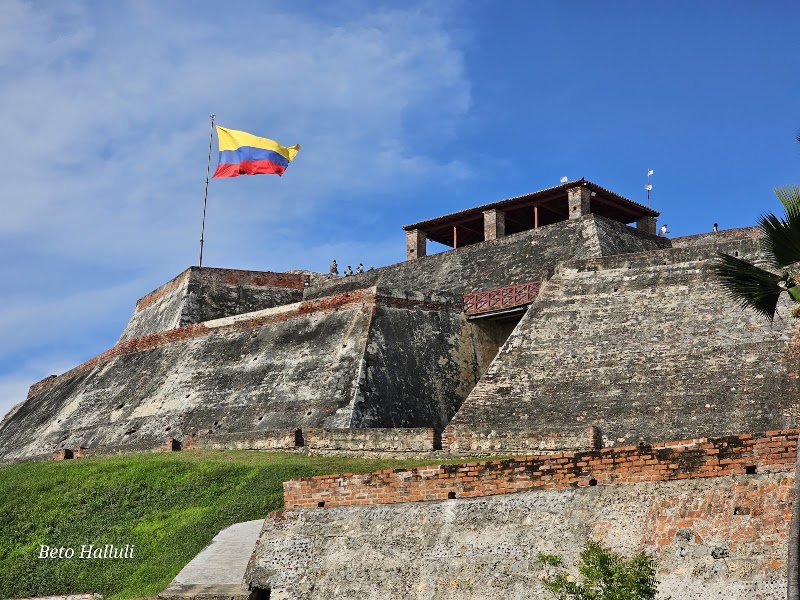
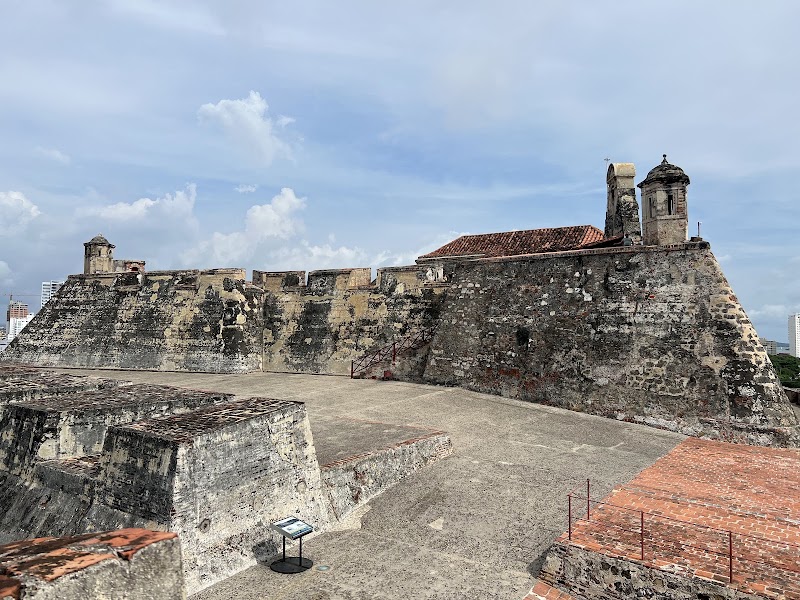
Photos published by travelers on Google, not AI generated.
What stands out
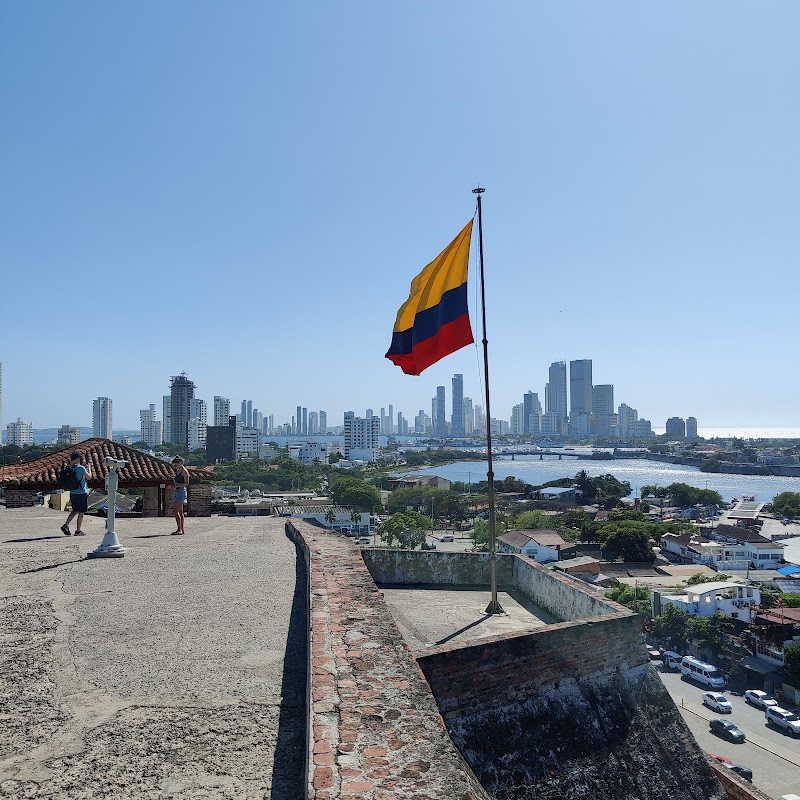
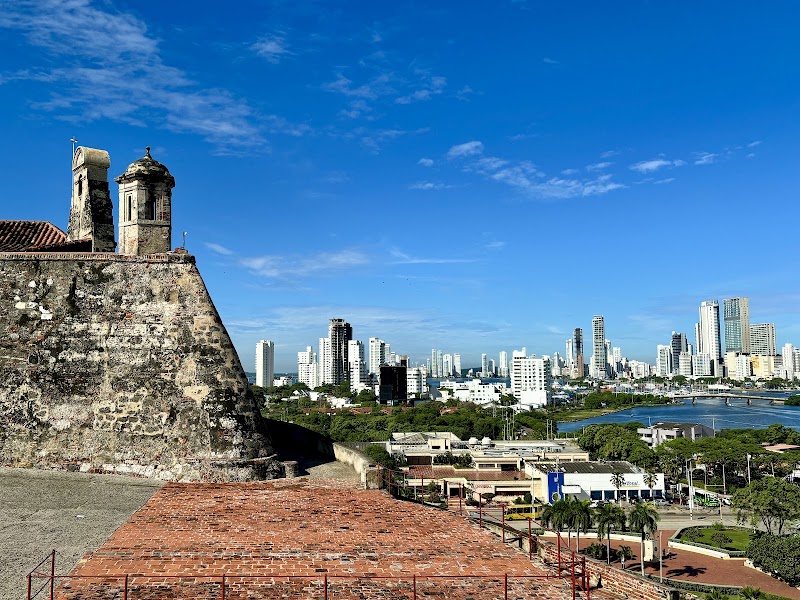
- Panoramic views across Cartagena
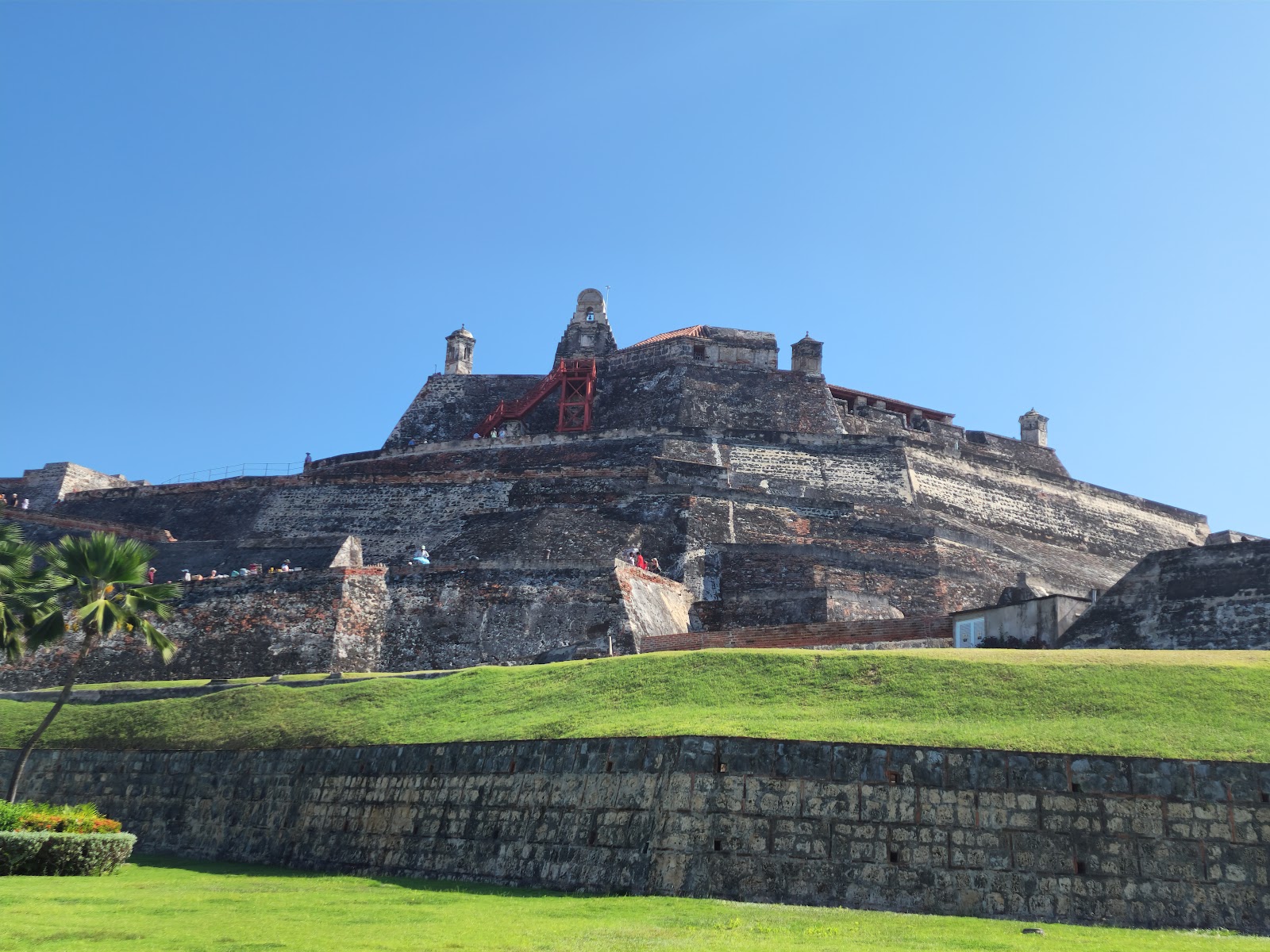
- Massive stone walls and fortifications
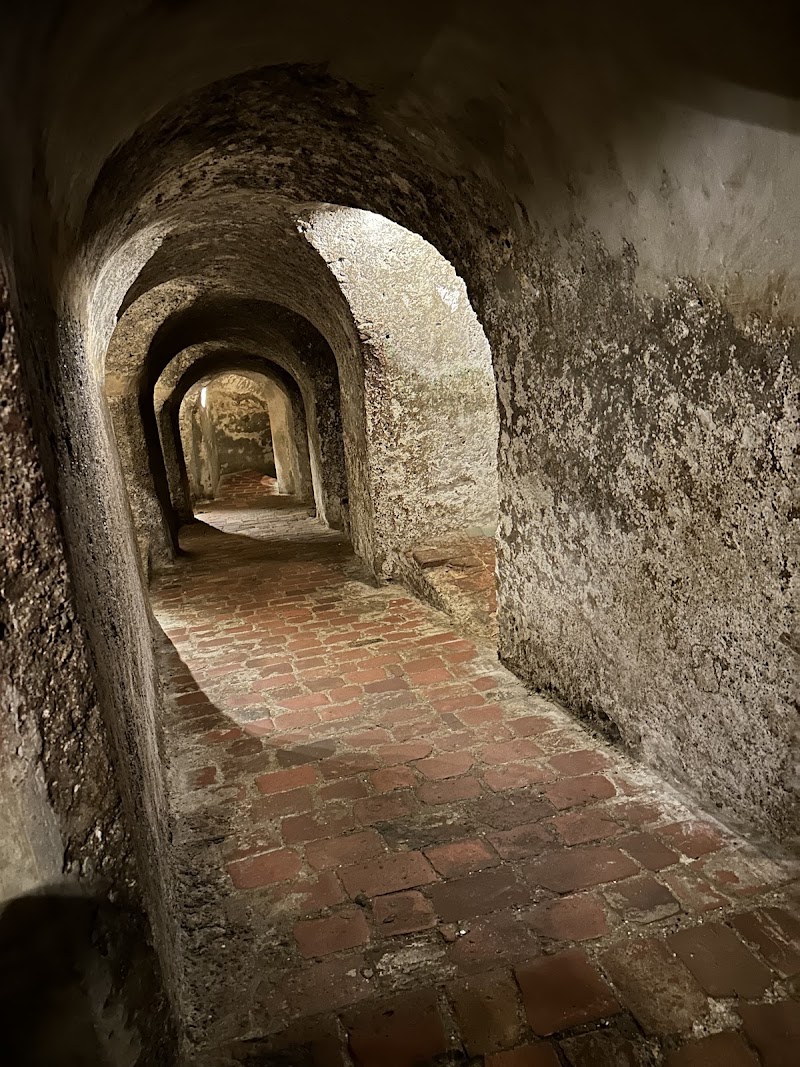
- Atmospheric tunnel network
- Well-preserved historic structure
Worth knowing
- Steep slopes, stairs and uneven surfaces
- Limited shade and no reliable refreshments
- English interpretation may be limited
Don't miss
What comes up most in public reviews
- Walk through the fortress tunnels
- Climb to the upper walls for city views
- Study the defensive fortifications
- Ask about an English-speaking guide
Worth the trip?
Why it stands out
Castillo San Felipe de Barajas is one of Cartagena’s defining landmarks, with a Google rating of 4.7 from 67614 reviews. Public feedback consistently praises the scale of its stone walls, the strategic layout of the fortifications and its commanding position on San Lázaro Hill. Reviewers describe it as the largest and most important fortress built by the Spanish in the Americas, begun in 1536 and expanded over subsequent centuries to defend Cartagena from pirates and foreign forces.
The appeal goes beyond sheer size. Visitors can walk along elevated ramparts, examine defensive features and enter parts of the tunnel network. Those dark, confined passages add atmosphere, while the exposed upper levels provide a sharp visual contrast and wide views across the city.
The visitor experience
Most reviewers suggest allowing around an hour to explore the principal routes, although history enthusiasts and visitors using a guide may stay longer. The walk is generally considered manageable for reasonably fit travellers, but the combination of steep slopes, stairs and uneven historic surfaces makes supportive footwear important.
Interpretation receives mixed feedback. Some reviewers find the explanatory panels useful for understanding the fortress design, while at least one reports a lack of information in English. Travellers seeking deeper historical context may benefit from hiring a guide, particularly one able to explain the tunnels, construction phases and defensive strategy in their preferred language. Guides are reported to be available for an additional fee, though arrangements and language availability should be confirmed locally.
Conservation is frequently praised. Reviewers also mention visible security, restrooms near the top and taxis outside the site. A small gift shop has been reported at the upper level, but visitors should not rely on finding water or refreshments there.
Views, weather and timing
The panoramic outlook is a recurring highlight. From the walls, visitors can take in Cartagena’s skyline and see how the fortress dominates its surroundings. Sunset can be particularly attractive, but one evening visitor reported that the entrance closed at 6 pm, so current access times merit checking before planning a late visit.
Early morning receives the strongest practical recommendation. A reviewer arriving before 8 am found conditions cool and pleasant, with entry around 8 am and roughly an hour needed for the circuit. This timing also reduces exposure to Cartagena’s intense sun. Shade exists in places, but much of the route is open.
Who should visit
The fort suits history-focused travellers, photographers and first-time Cartagena visitors looking for a landmark with both substance and strong views. Families with older children may enjoy the tunnels, provided everyone is comfortable with steep steps and enclosed spaces.
It is a more difficult proposition for travellers with limited mobility. The gradients, stairways and historic surfaces are repeatedly flagged in reviews, and the exposed setting can become tiring in hot weather. For most visitors, an early start, water and secure footwear will make the experience considerably more comfortable.
Ask anything
Looking for somewhere else?
Keep exploring around Cartagena de Indias
More from Colombia
Colombia
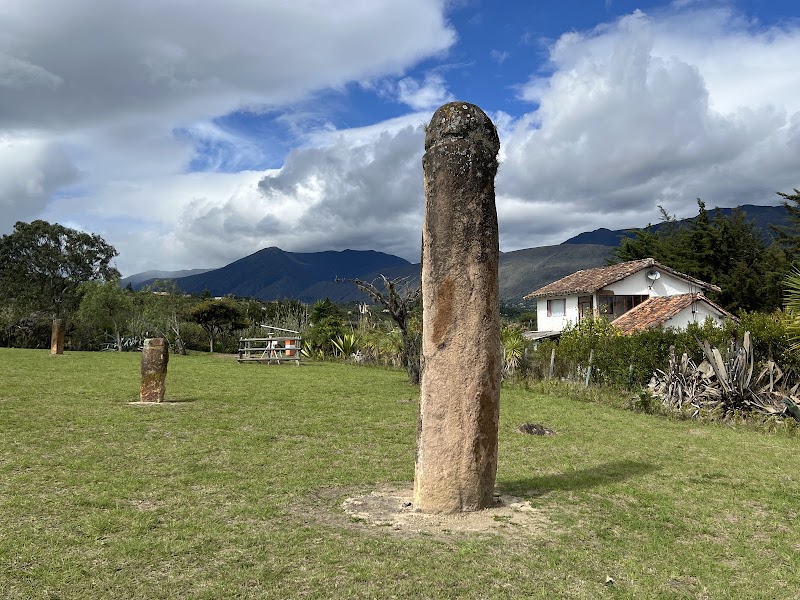
Muisca astronomy and stone alignments at Zaquenzipa
Near Villa de Leyva, this archaeological attraction draws interest for its Muisca solar calendar, aligned stone rows and guided interpretation.
Colombia · San Agustín
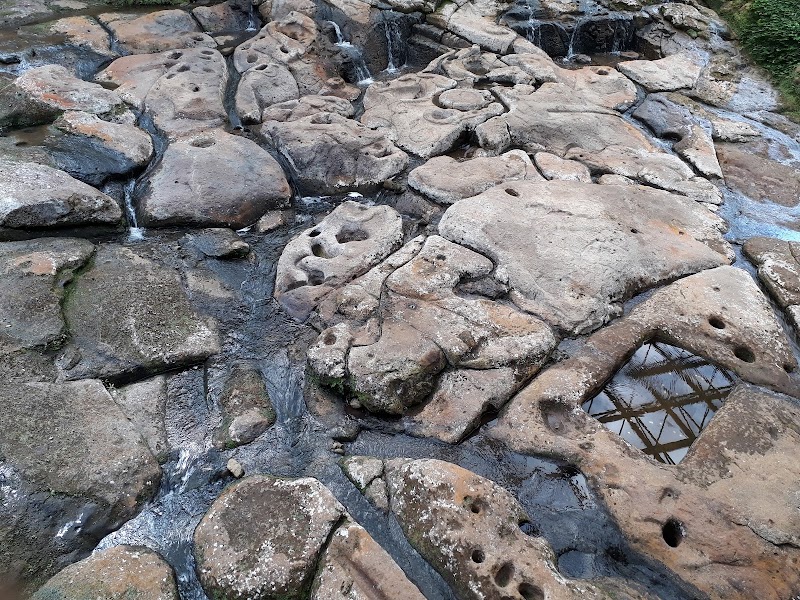
Alto de Lavapatas: Carved Pools and Calming Views
A scenic archaeological park stop where carved pools, intriguing figures and a relaxing uphill walk reward close inspection.
Colombia · Montería
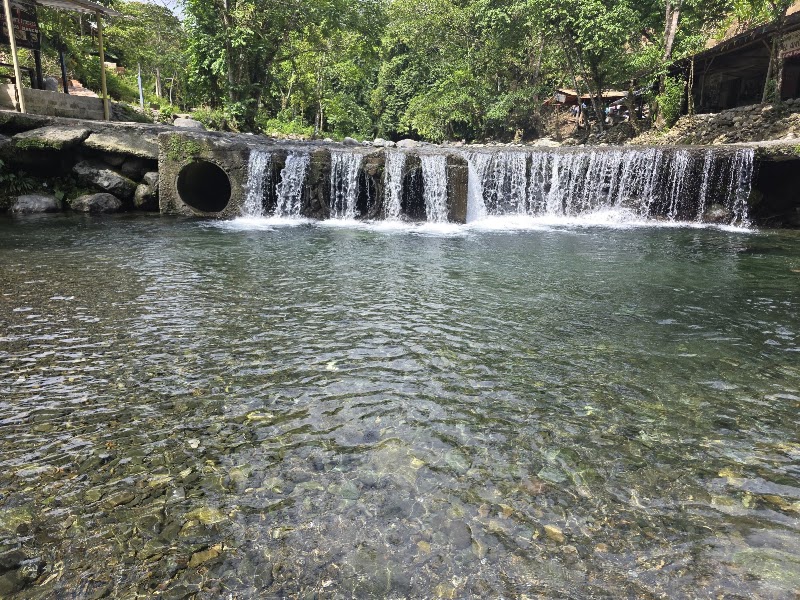
Paramillo National Park: Strong Praise, Few Details
Public feedback is highly positive, but sparse reviews offer little practical guidance on what to see or how long to spend in the park.
Colombia · Cartagena de Indias
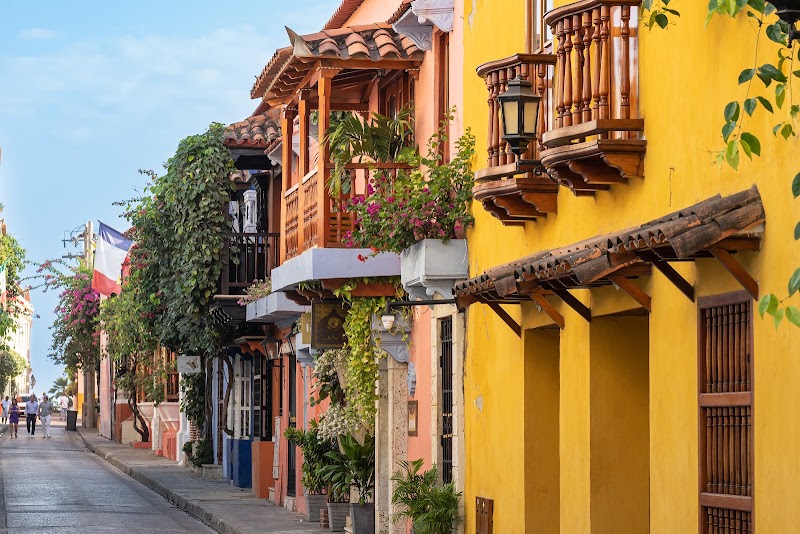
Centro Histórico de Cartagena: Colour, Walls and Colonial Charm
Cartagena’s walled historic centre pairs vivid colonial architecture, cobbled lanes and flower-filled balconies with a lively street scene.