Saline Royale d'Arc-et-Senans: architecture and industry
Ledoux’s monumental saltworks combines industrial history, architectural theory, interactive interpretation and extensive gardens.
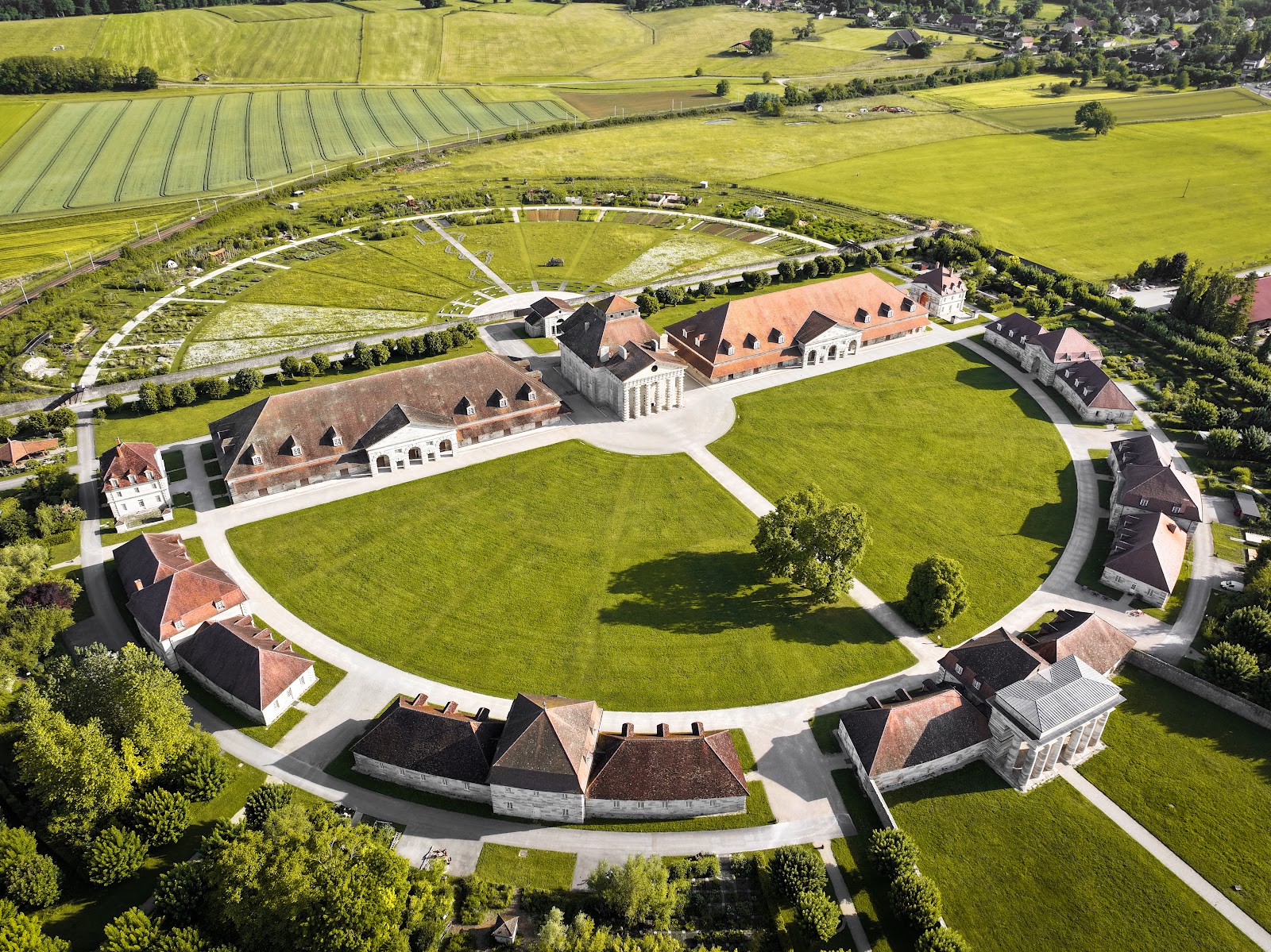
More photos
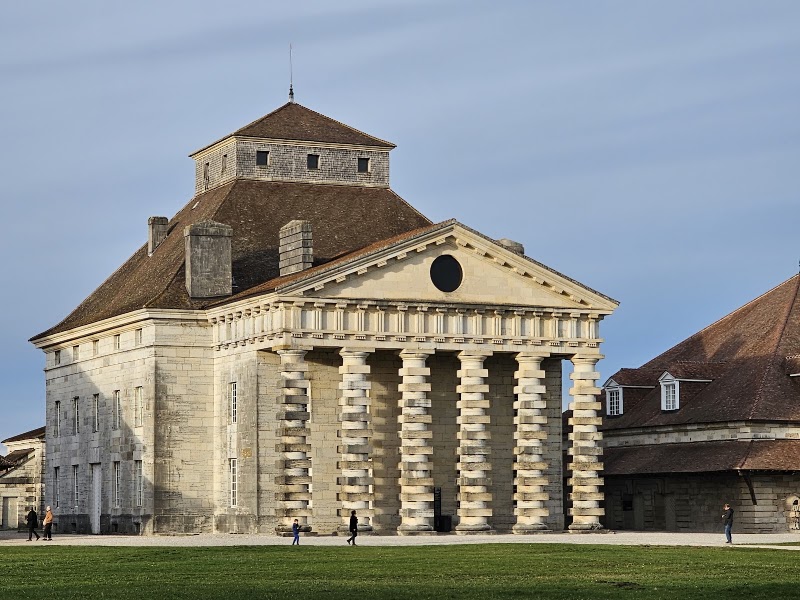
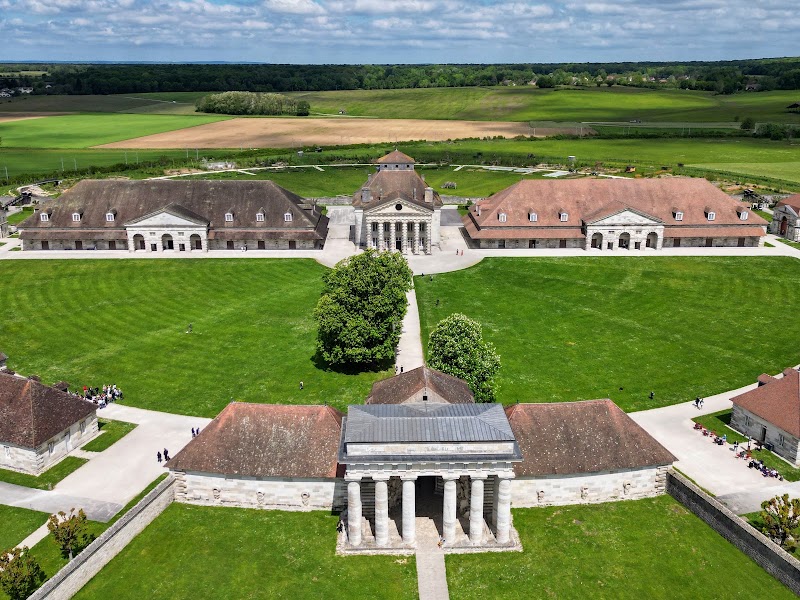
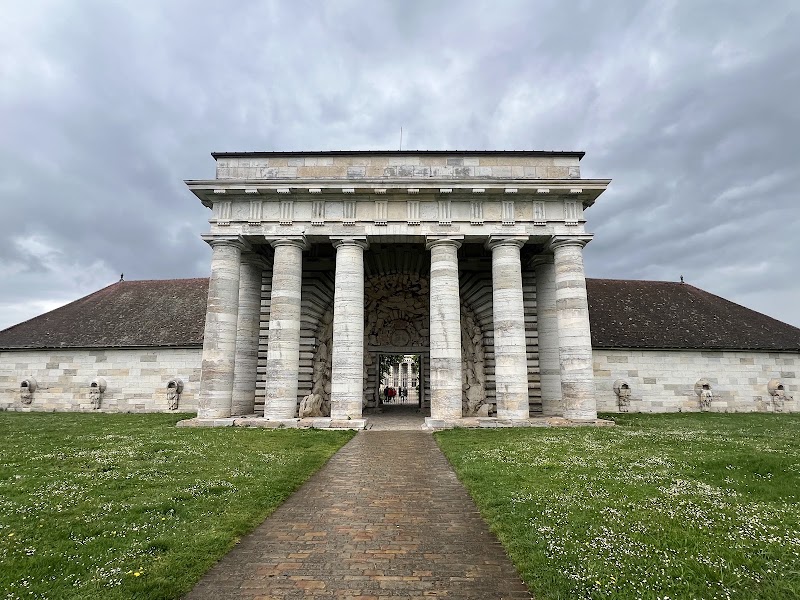
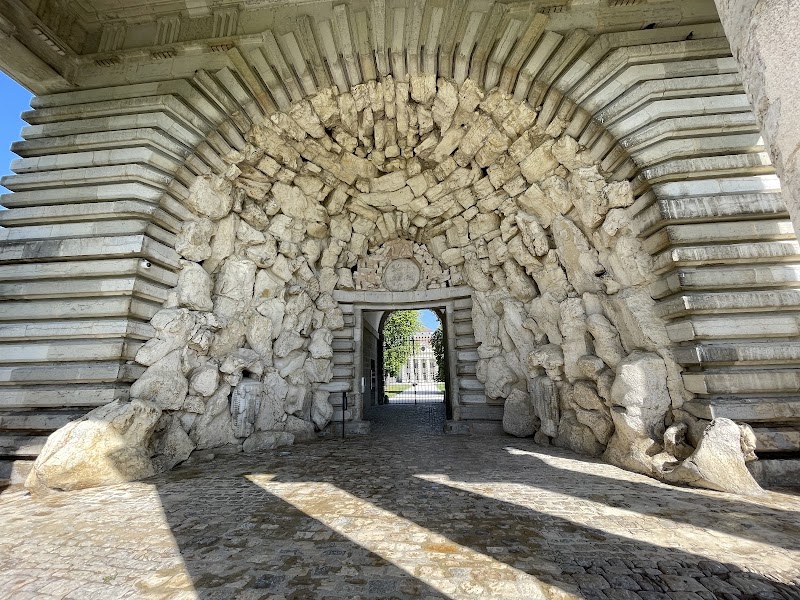
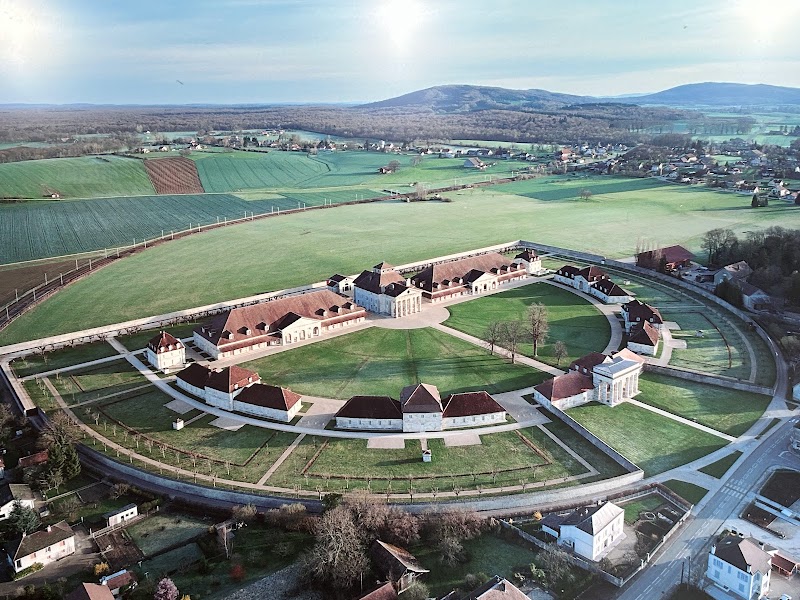
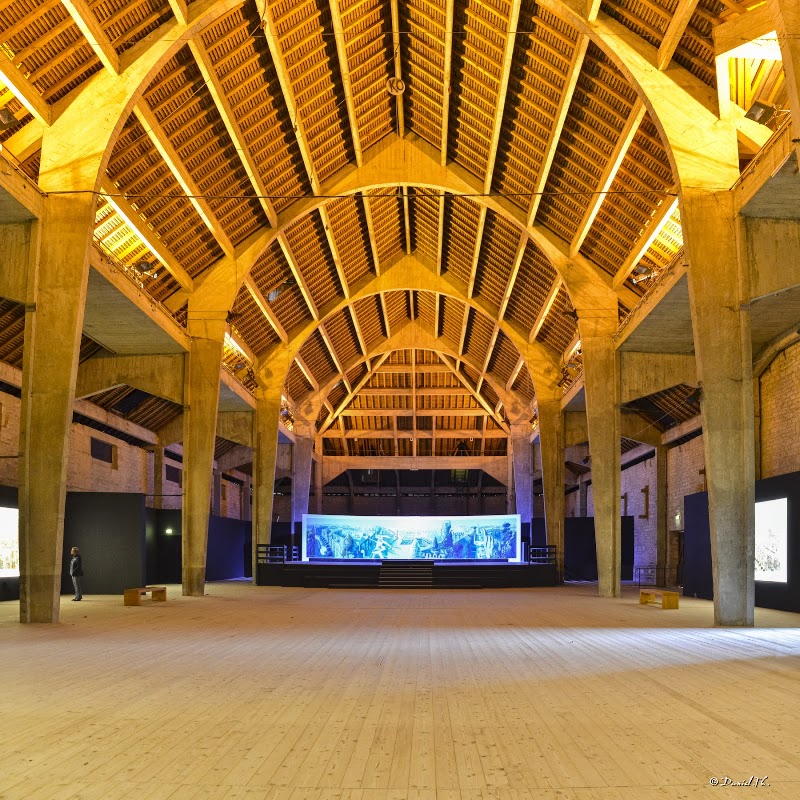
Photos published by travelers on Google, not AI generated.
What stands out
- Ledoux’s architectural design
- Interactive HistoPad experience
- Extensive architectural exhibition
- Gardens and side gardens
- Industrial heritage setting
Worth knowing
- Salt-production interpretation may feel limited
- Dogs reportedly cannot enter the buildings
Don't miss
What comes up most in public reviews
- The architectural design exhibition
- The interactive HistoPad guide
- The side gardens
- The saltworks museum spaces
Worth the trip?
Why it stands out
Public feedback presents the Saline Royale d'Arc-et-Senans as an unusual meeting point between industrial history and ambitious architectural design. Created by Claude-Nicolas Ledoux, the former saltworks is repeatedly described as both a major production site and an Enlightenment-inspired architectural project. Reviewers interested in the history of France, Europe and industrial processes find plenty of significance in the complex, while architecture enthusiasts tend to respond especially strongly to its design and exhibitions.
The attraction has a Google rating of 4.3 from 7185 reviews. Across the supplied feedback, the buildings, scale of the complex and well-maintained museum spaces make the strongest impression. The site's UNESCO World Heritage status also adds context to its wider cultural importance.
Museums and interpretation
Several reviews praise the modern interactive visitor support. The HistoPad, also referred to as a tablet-based HistoApp, helps families explore the museums through visual material and game-like tasks. One family reported that a search for golden coins kept children aged four and seven engaged for around two and a half hours, while another reviewer also found the device particularly effective for children.
The architectural exhibition is a major component. One reviewer considered it extensive enough to make the attraction especially rewarding for anyone interested in architectural design. However, the same review found the interpretation of salt production and the work once carried out in the chambers less complete than expected. Visitors primarily motivated by industrial processes may therefore leave wanting a clearer or deeper explanation of how the saltworks operated.
Gardens and visit length
The gardens are not merely an add-on. They recur as a highlight, with reviewers describing a sequence of varied spaces and recommending the side gardens in particular. Families appear able to divide a visit between indoor interpretation and outdoor exploration, helping younger visitors avoid spending the entire day inside museum rooms.
A realistic visit lasts four to five hours. One family split roughly two and a half hours in the museums and another two in the gardens, while other reviewers reported spending four or five hours across the site. The range of indoor and outdoor areas also helped one visitor enjoy the attraction through cloudy, rainy and sunny conditions.
Practical considerations
One reviewer visited with a dog and reported that dogs were allowed on the lawns and in the gardens but not inside the buildings. Travellers bringing a pet should confirm the current policy directly before arrival.
Overall, the public feedback supports the Saline Royale most strongly for architecture enthusiasts, history-minded adults and families willing to use the interactive tablet. Its architecture and gardens appear more consistently satisfying than its account of salt manufacturing. Allowing most of a day gives the museum spaces, architectural exhibition and outdoor areas enough time without forcing the visit.
Ask anything
Looking for somewhere else?
Keep exploring around Arc-et-Senans
More from France

France · Château-Thierry
Château-Thierry American Monument: History and Wide Views
A well-kept Great War memorial where a strong visitor centre, imposing architecture and expansive views reward the journey.

France · Saint-Savin
Abbey of Saint-Savin: Frescoes Worth Looking Up For
Impressive architecture and vivid church murals make this medieval abbey rewarding, though some exhibition spaces receive mixed reviews.
France · Montbard
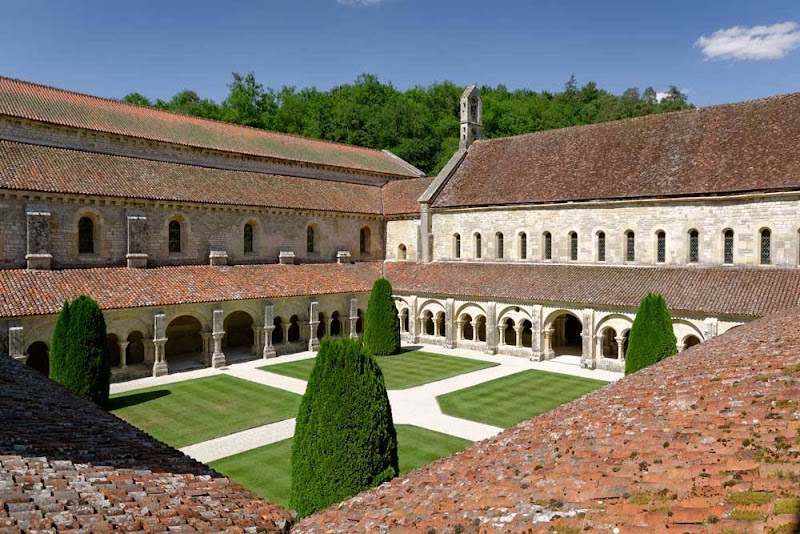
Fontenay Abbey: Restrained Beauty and Monastic History
Serene gardens, austere interiors and a memorable forge make this restored abbey near Montbard a rewarding half-day visit.
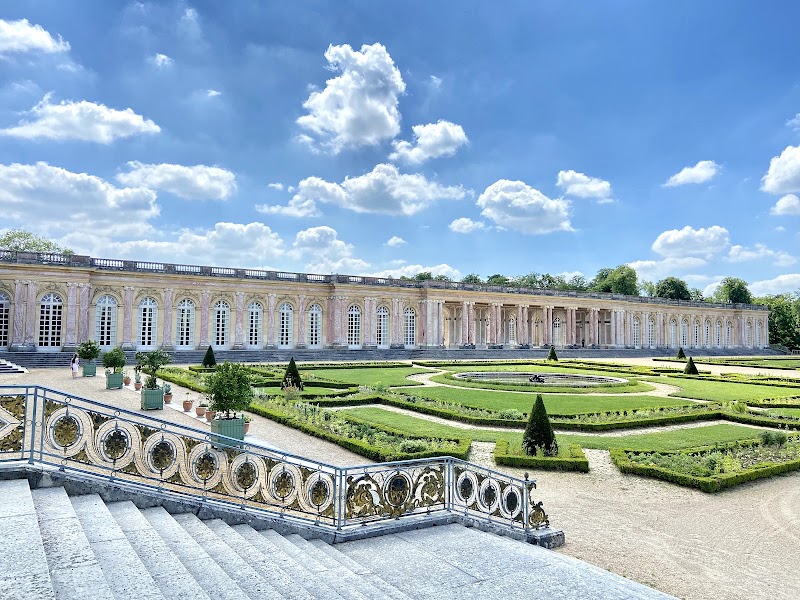
France · Versailles
Grand Trianon: A Calmer Counterpoint to Versailles
Pink marble, refined rooms and a more intimate scale make this royal retreat appealing, though queues can undermine its quieter atmosphere.