Sakteng Wildlife Sanctuary: Wild Eastern Bhutan
A remote protected landscape near Merak, praised for temperate forests, wildlife, mountain scenery and its enduring mythical snowman lore.
More photos


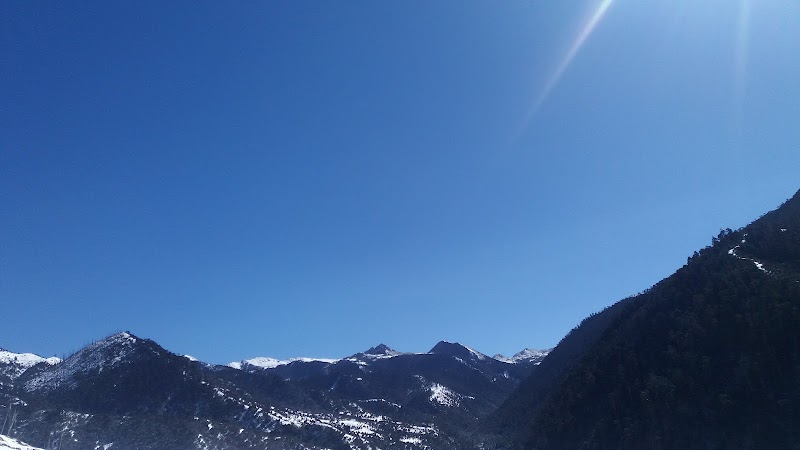
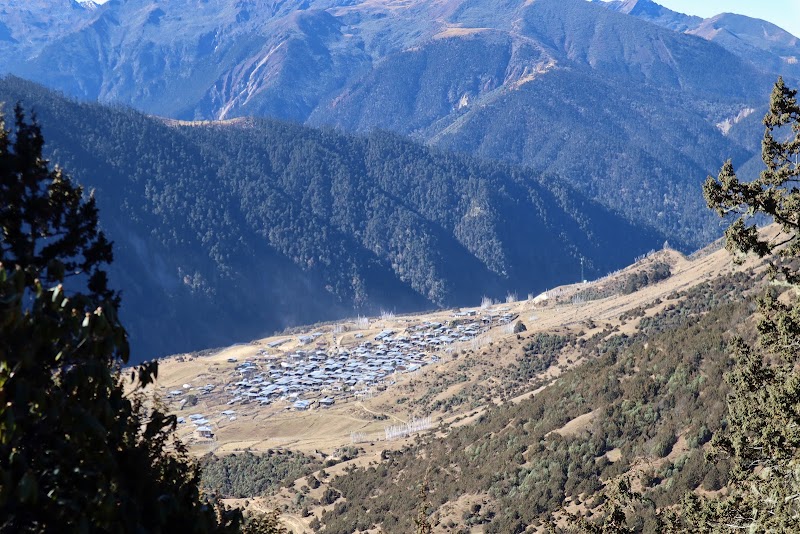
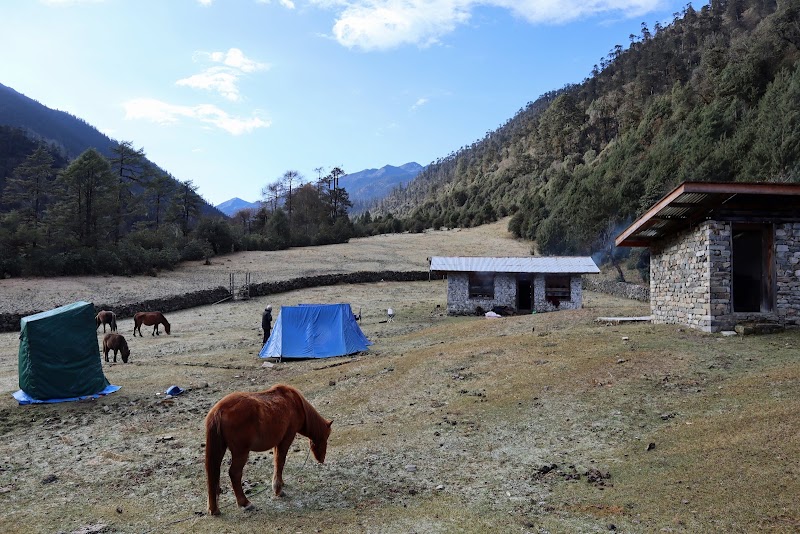
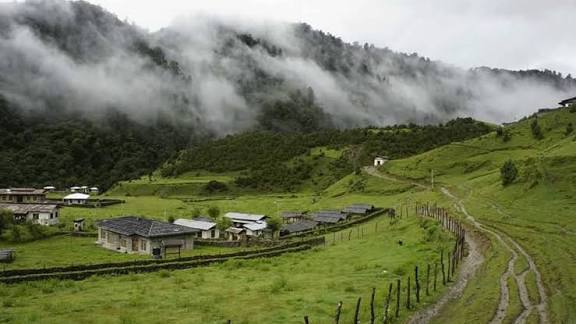
Photos published by travelers on Google, not AI generated.
What stands out
- Extensive temperate forests
- Remote eastern Bhutan landscapes
- Rich wildlife habitat
- Mythical snowman folklore
- Merak and Sakteng setting
Worth knowing
- Cold winter conditions
- Limited practical detail in reviews
- Wildlife sightings are not guaranteed
Don't miss
What comes up most in public reviews
- Explore the temperate forest landscapes
- Learn about the mythical snowman folklore
- Look for signs of the sanctuary’s wildlife
- Ask about access through Merak and Sakteng
Worth the trip?
What public reviews say
Sakteng Wildlife Sanctuary earns a Google rating of 4.4 from 83 reviews. The recurring theme is scale: reviewers describe a broad, largely unspoiled protected landscape suited to nature lovers and adventurous travellers rather than casual sightseers seeking a compact attraction. Forests, biodiversity and the sanctuary’s remote eastern setting receive the strongest praise.
The public feedback is enthusiastic but not especially detailed about practical arrangements. Several entries repeat background information about the sanctuary rather than describing a complete visit. That makes the overall appeal clear, while leaving questions about trail conditions, access, guides and facilities to be confirmed before travel.
Landscape and wildlife
The sanctuary covers a reported 650 square kilometres, mostly within the Merak and Sakteng gewogs of Trashigang District, with part extending into Samdrup Jongkhar District. Reviewers identify it as one of Bhutan’s protected areas and describe it as representing the country’s easternmost temperate ecosystems and landscapes.
Forested terrain and wildlife are central to its reputation. One review specifically mentions snow leopards, though that should be treated as evidence of the sanctuary’s ecological importance rather than an assurance of a sighting. The broader pattern in the feedback points toward landscape appreciation, forest exploration and wildlife interest. Travellers expecting a managed animal-viewing experience may find the emphasis here is instead on habitat, remoteness and conservation.
Public reviews also note that the sanctuary appears on Bhutan’s tentative list for possible UNESCO inclusion. That status adds context to the landscape’s significance, but the scenery and biodiversity remain the main reasons reviewers recommend the area.
Folklore and local identity
Sakteng’s most unusual recurring theme is its association with a mythical snowman. One reviewer says the sanctuary was established with an objective of protecting the creature and refers to local accounts of sightings and footprints. These claims belong to folklore rather than verified wildlife records, but they give the sanctuary a distinctive cultural dimension.
That story is best approached as part of the region’s local identity. Visitors interested in Bhutanese traditions may find the relationship between protected nature, community narratives and the landscape as compelling as the prospect of seeing wildlife.
Timing and overall verdict
One traveller who visited at the beginning of January found conditions cold and specifically recommended spring or autumn. Based on the available feedback, those seasons appear preferable for travellers hoping to explore the sanctuary more comfortably. Warm layers and advance planning remain sensible given the remote mountain setting.
Taken together, the ratings and reviews present Sakteng as a rewarding choice for travellers drawn to extensive forests, eastern Bhutan’s temperate landscapes and conservation-focused travel. It is less clearly suited to visitors who require detailed infrastructure, predictable wildlife encounters or a quick roadside stop. Because the reviews provide limited logistical guidance, arrangements should be checked locally before departure, especially for access through Merak or Sakteng and any guide requirements.
Ask anything
Looking for somewhere else?
Keep exploring around Merak
More from Bhutan

Bhutan · ཐིམ་ཕུུུུ
Ludrong Memorial Garden: A Calm Green Break in Thimphu
Riverside paths, lawns, ponds and Dzong views make this well-liked garden a restorative break from central Thimphu.
Bhutan · Dochula
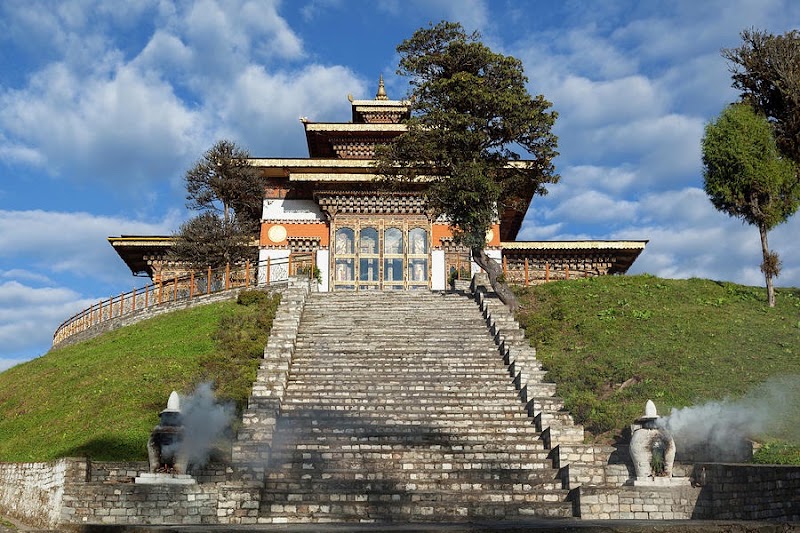
Druk Wangyal Lhakhang: Sacred Art at Dochula Pass
Facing Dochula’s 108 stupas, this serene Buddhist temple pairs richly painted interiors with expansive mountain-pass scenery.
Bhutan · Trongsa
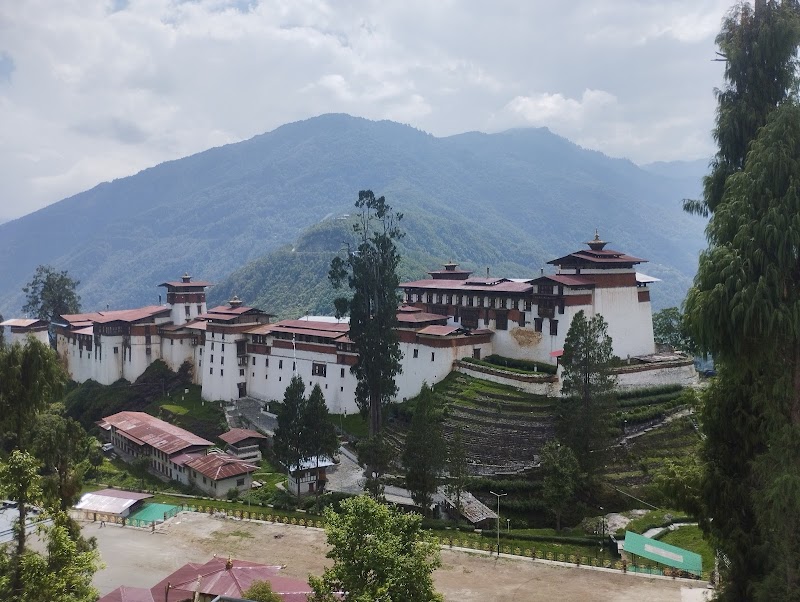
Trongsa Dzong: Bhutan’s Dramatic Ridge-Top Fortress
Public reviews praise this vast fortress complex for its intricate interiors, spiritual atmosphere and commanding views across the Trongsa valleys.
Bhutan · Jakar
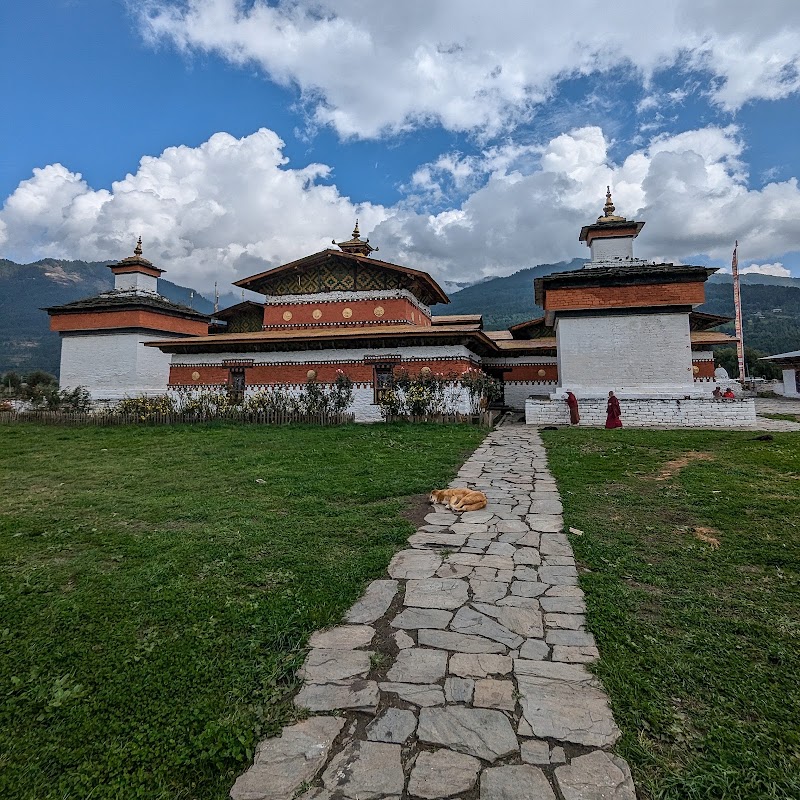
Jambay Lhakhang: ancient spirituality in Bumthang
This compact, active temple near Jakar combines deep religious significance with a quiet valley setting and centuries of Bhutanese history.