Sadus Heritage Village: A Quiet Window Into Najdi History
A preserved mud-brick village northwest of Riyadh, Sadus offers walkable heritage, traditional architecture and a quieter outing away from crowded attractions.

More photos
Photos published by travelers on Google, not AI generated.
What stands out
- Traditional Najdi mud-brick architecture
- Fortified walls, towers and watch tower
- Walkable restored rooms and passageways
- Quiet setting away from crowded areas
- Local artwork and crochet toys
Worth knowing
- Opening days should be checked before travel
- Some passageways may feel dark or slightly unsettling
- Refreshments and food availability may vary
Don't miss
What comes up most in public reviews
- Explore the watch tower
- Walk through the preserved passageways
- Look for the ancient obelisk
- Ask about a museum tour
- Try Saudi coffee if available
Worth the trip?
Sadus Heritage Village is a compact historic site northwest of Riyadh, suited to travellers who want a slower look at Saudi Arabia’s architectural and cultural past. Public reviews give it a Google rating of 4.5 from 381 reviews. The recurring impression is clear: this is a peaceful, walkable heritage stop rather than a large, highly commercial attraction.
A preserved Najdi setting
Reviews describe traditional Najdi buildings made with mud brick, tamarix wood and limestone. A fortified wall and towers surround the village, while restored rooms, passageways, doors and windows give the site its strongest visual character. Some visitors mention an ancient obelisk and a watch tower, adding points of interest beyond the main houses.
The buildings are not presented as a polished modern museum complex. Their appeal lies in seeing the materials and layout of an older settlement, including sections that remain intact. One review describes the passageway as slightly scary, a reminder that parts of the village retain a more atmospheric, aged feel.
What visitors do there
The main activity is walking around and inside the preserved village. Reviews repeatedly mention exploring the houses, passageways and tower while taking in the surrounding walls. The site gives visitors a practical sense of how the town and region looked in earlier periods, rather than presenting history only through displays.
Some visitors report meeting a guide connected with the museum. One group said its tour was provided by the museum’s general manager, though that should not be treated as a guaranteed service. Travellers interested in a guided visit can ask on arrival.
The reviews also mention Saudi coffee available at a pantry and home-cooked Saudi food available for purchase. These details suggest that refreshments may form part of some visits, but availability can vary. Small local stalls and creative work add another layer: visitors have reported crochet toys and artwork displayed by local women.
Planning the visit
Sadus works well as a half-day outing for families, heritage-focused travellers and small groups driving out from Riyadh. One public review describes the journey as roughly an hour by car, though actual travel time depends on the starting point and road conditions. Children aged 8 to 13 were included in that visit, and the site was also visited by a larger group of cars and motorcycles.
A review states that the village is open Thursday through Saturday. Opening arrangements can change, so checking current information before setting out is sensible. Evening visits have also been reported, including a late visit on a Saturday at the end of March. Daylight may make the architecture easier to examine, while later hours can suit visitors seeking a quieter atmosphere.
The editorial take
Sadus Heritage Village is strongest for atmosphere, architecture and an unhurried walk. It is less suitable for travellers expecting extensive facilities, a large collection of formal exhibits or a tightly scheduled attraction. The public feedback points to a genuine historic setting with enough detail for curious visitors to spend several hours exploring. It is a worthwhile detour from Riyadh for anyone interested in Najdi building traditions and local history.
Plan the rest of the trip
Ask anything
Looking for somewhere else?
Keep exploring around Sadus
More from Saudi Arabia
Saudi Arabia
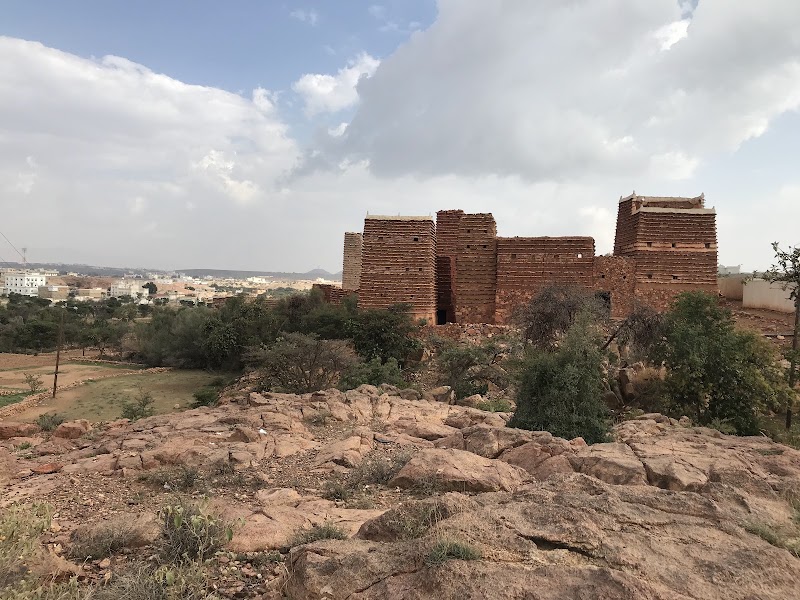
Al-Jahamah Historical Village: A Quiet Red-Hewn Heritage Stop
Public reviews describe a striking but fragile heritage village, best approached as a short, self-guided detour with care around unrestored buildings.
Saudi Arabia · Diriyah
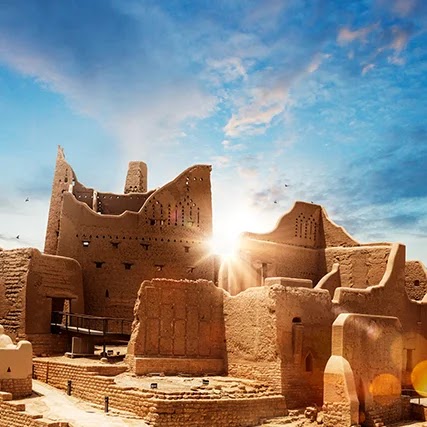
Historic Diriyah Fort: Saudi Arabia’s Mud-Brick Heritage District
Public reviews praise Historic Diriyah Fort for its restored Najdi architecture, museums, walking paths and atmospheric evening visits.
Saudi Arabia · Hegra
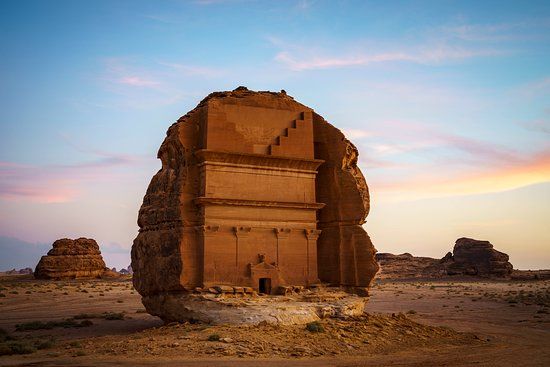
Hegra South Gate: Ancient Tombs in a Desert Landscape
Public reviews praise Hegra’s carved tombs and organised visits, while repeated warnings make advance booking essential.
Saudi Arabia · Alqourhah
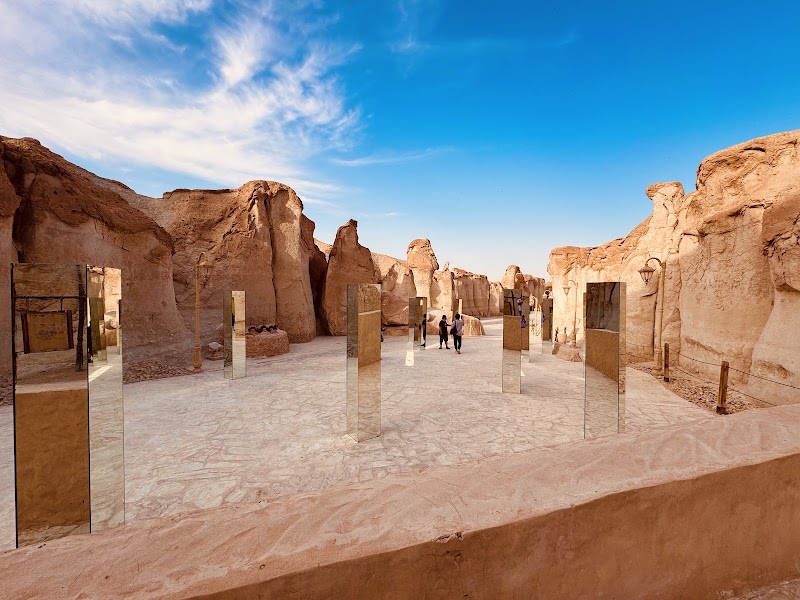
Al Qarah Mountain: Caves, Cool Air and Oasis Views
Al Qarah Mountain gives visitors a close look at unusual rock formations, cave passages and wide views across the Al Ahsa oasis.