Ruwanweli Maha Seya: Anuradhapura’s great white stupa
A monumental white stupa where striking architecture, active worship and a contemplative atmosphere come together.
More photos
Photos published by travelers on Google, not AI generated.
What stands out
- Monumental white stupa
- Peaceful, contemplative atmosphere
- Active prayer and worship
- White dome against blue sky
Worth knowing
- Footwear removal in the sacred area
- Modest, respectful clothing expected
- Keep quiet around worshippers
Don't miss
What comes up most in public reviews
- Walk around the white stupa
- See the dome against the blue sky
Worth the trip?
Why it stands out
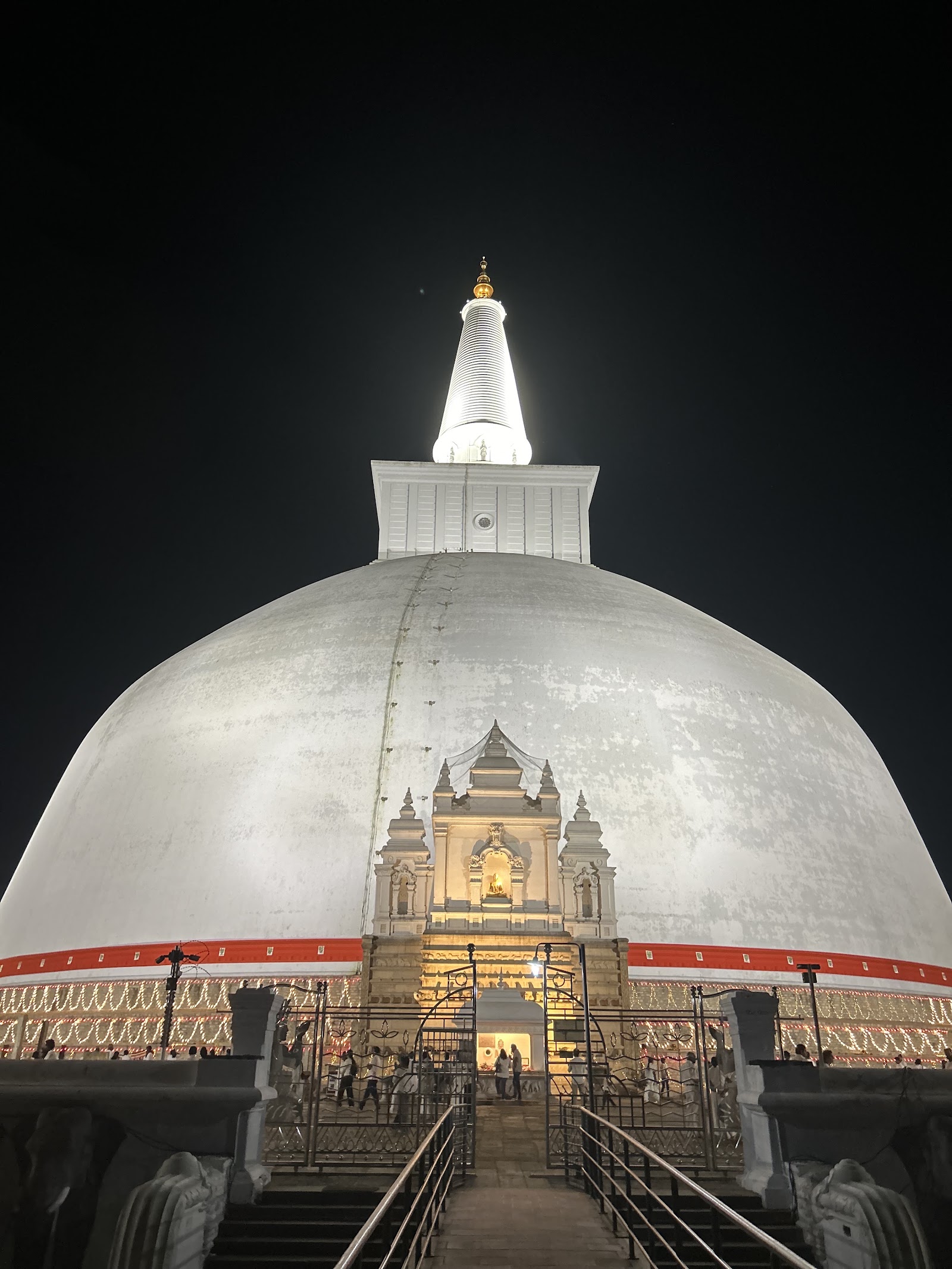
A 4.9 Google rating from 18848 reviews puts Ruwanweli Maha Seya in exceptional territory. Public feedback seldom presents it as just another sightseeing stop. Reviewers describe an imposing historical landmark that remains deeply sacred, centred on a vast white stupa, its bright dome sharply outlined against Sri Lanka’s blue sky.
The scale is the first thing many visitors notice. The mood stays with them. Peaceful, serene and spiritual recur throughout the reviews, even with pilgrims and tourists moving around the grounds. Many visitors find the atmosphere calm and contemplative. That balance of grandeur and quiet devotion explains why Ruwanweli Maha Seya is frequently named as a highlight of Anuradhapura, and by some travellers as a highlight of a wider Sri Lanka itinerary.
A living place of worship
One point comes through clearly in public reviews: Ruwanweli Maha Seya is not merely an architectural backdrop. Devotees pray, chant and leave offerings around the stupa. Buddhist practice forms part of daily life here. Some reviewers join in worship, while others observe the rituals and the respectful movement through the sacred space.
This active religious role lends greater depth to the historical surroundings. Reviewers associate the stupa with King Dutugemunu, and repeatedly connect its monumental form with Sri Lanka’s cultural and religious heritage. Yet the strongest responses tend to be emotional rather than academic. Visitors write about stillness, devotion and a sense of connection to history.
The setting encourages a slower pace. A gradual circuit around the stupa allows time to absorb its proportions, watch worship respectfully and notice the white dome changing against the sky. Judging from the reviews, it is particularly worthwhile for travellers interested in Buddhist culture, sacred architecture and places where heritage remains part of everyday spiritual life.
What to see
The white stupa is the principal sight. Reviews suggest that its size is most striking on the approach, when the full scale gradually comes into view. One account singles out the entrance view, where old stone pillars frame the dome and create a strong photographic composition. Across the broader feedback, however, the lasting image is simpler: a clean white form rising into a clear blue sky.
What happens around the stupa matters just as much. Flower offerings feature throughout the reviews, along with chanting, prayer and worship. Travellers who pause to watch instead of moving through quickly are more likely to understand why the landmark holds such meaning for pilgrims.
Practical etiquette
Several public reviews mention walking barefoot, so visitors should expect to remove their footwear inside the sacred area. Clothing needs to be modest and respectful. One reviewer specifically recommends white clothing, although respectful dress matters more than colour. Quiet behaviour is appropriate near ceremonies and people at prayer.
The supplied reviews offer no consistent advice about the best season or time of day. Clear weather naturally gives the white stupa its most dramatic background, but reviewers place more emphasis on the spiritual atmosphere than on photography. For most Anuradhapura itineraries, one to two hours should be sufficient for a focused visit, covering the approach, a walk around the stupa and time to observe worship without rushing.
Plan the rest of the trip
Ask anything
Looking for somewhere else?
Keep exploring around Anuradhapura
More from Sri Lanka
Sri Lanka · Henebadda
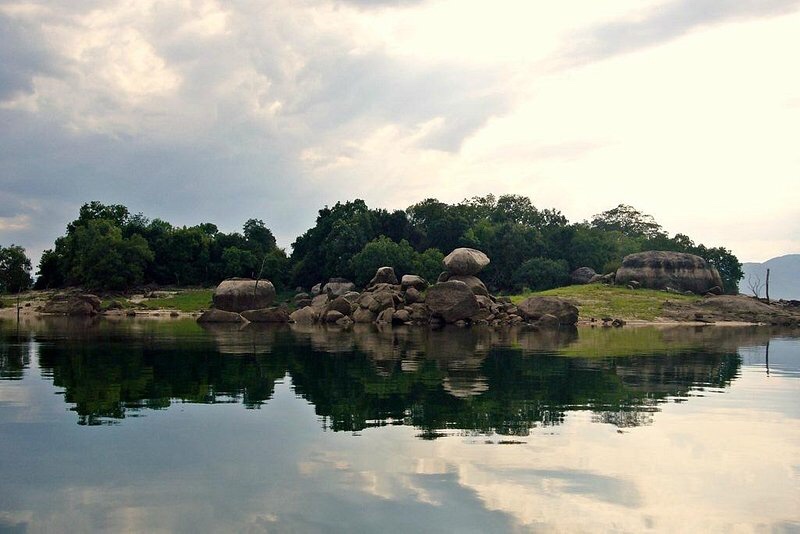
Gal Oya Valley National Park for Quiet Wildlife Encounters
Public reviews rate Gal Oya Valley National Park highly for its reservoir scenery, peaceful setting and boat-based wildlife viewing.
Sri Lanka · Illukkumbura
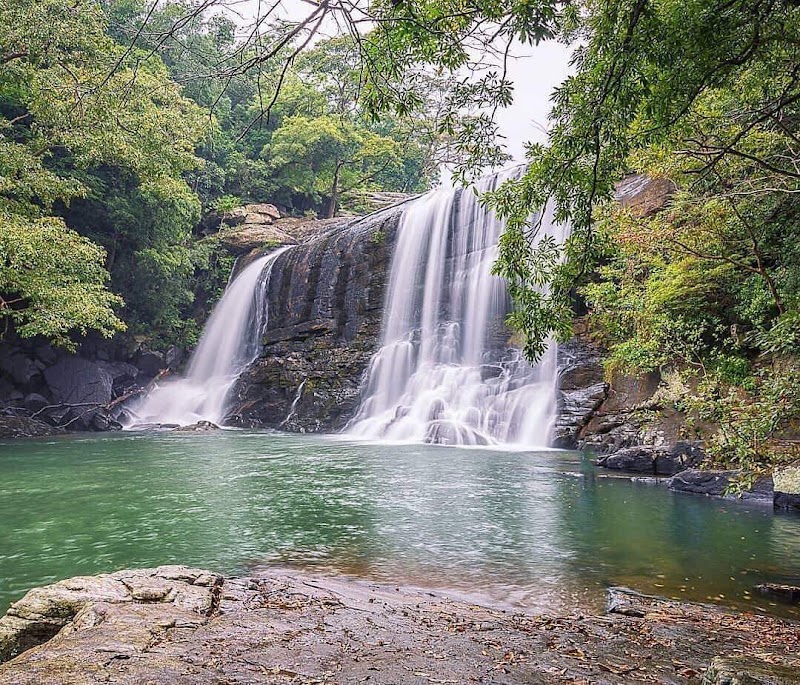
Sera Ella Water Fall: A Walk Behind the Cascade
Sera Ella Water Fall pairs a short forest hike with a rare chance to step into the rock cave behind its falling water.
Sri Lanka · Peliyagoda
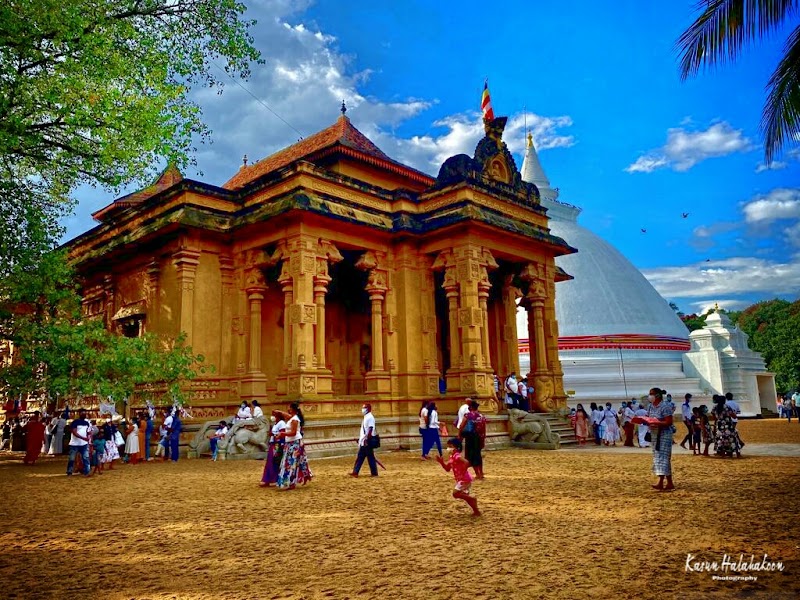
Kelaniya Raja Maha Viharaya: Murals, History and Quiet Reflection
A highly regarded Buddhist temple near Colombo, known for its peaceful grounds, striking murals and deep religious significance.
Sri Lanka
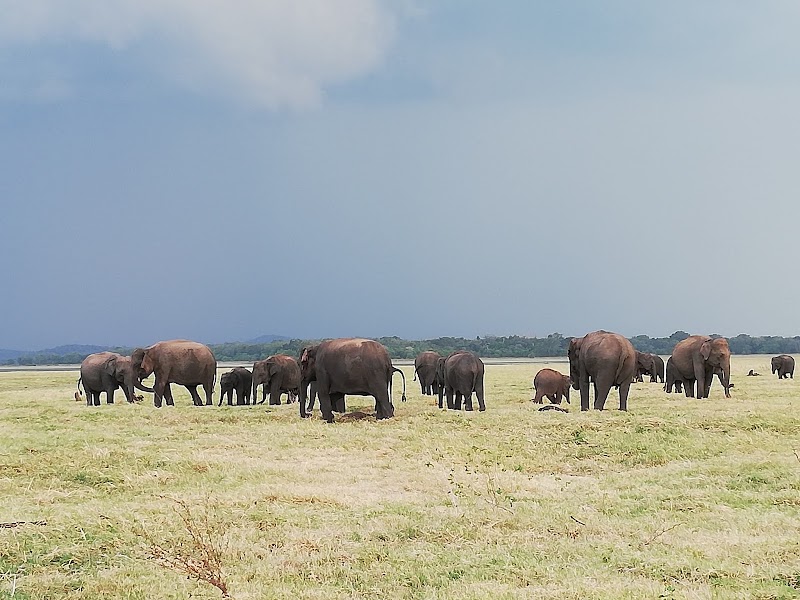
Minneriya National Park: Elephant Herds by the Reservoir
Public reviews consistently praise Minneriya for large elephant gatherings, open landscapes and memorable jeep safaris, despite heavy visitor traffic.