Ruiny Świątyni: Gozo’s monumental Ġgantija ruins
Massive prehistoric stonework and a clear visitor centre make this Xagħra landmark one of Gozo’s most compelling historical stops.
More photos
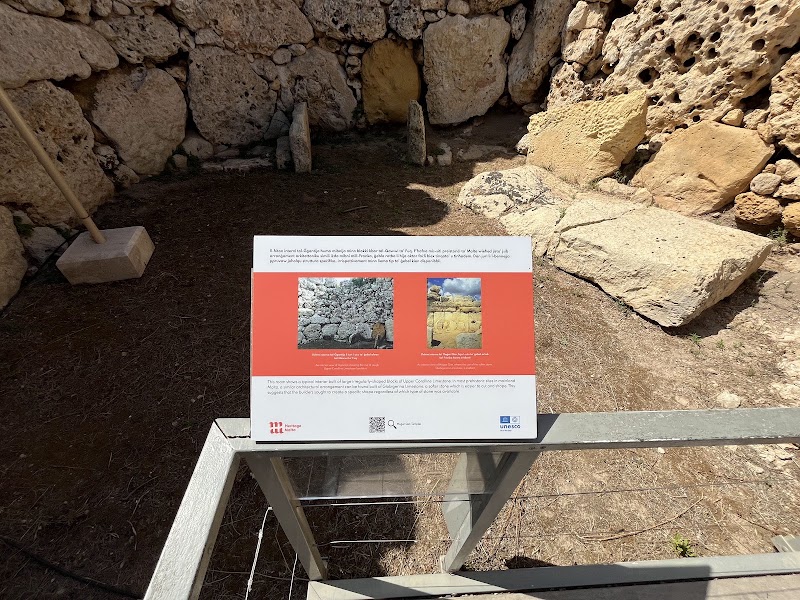
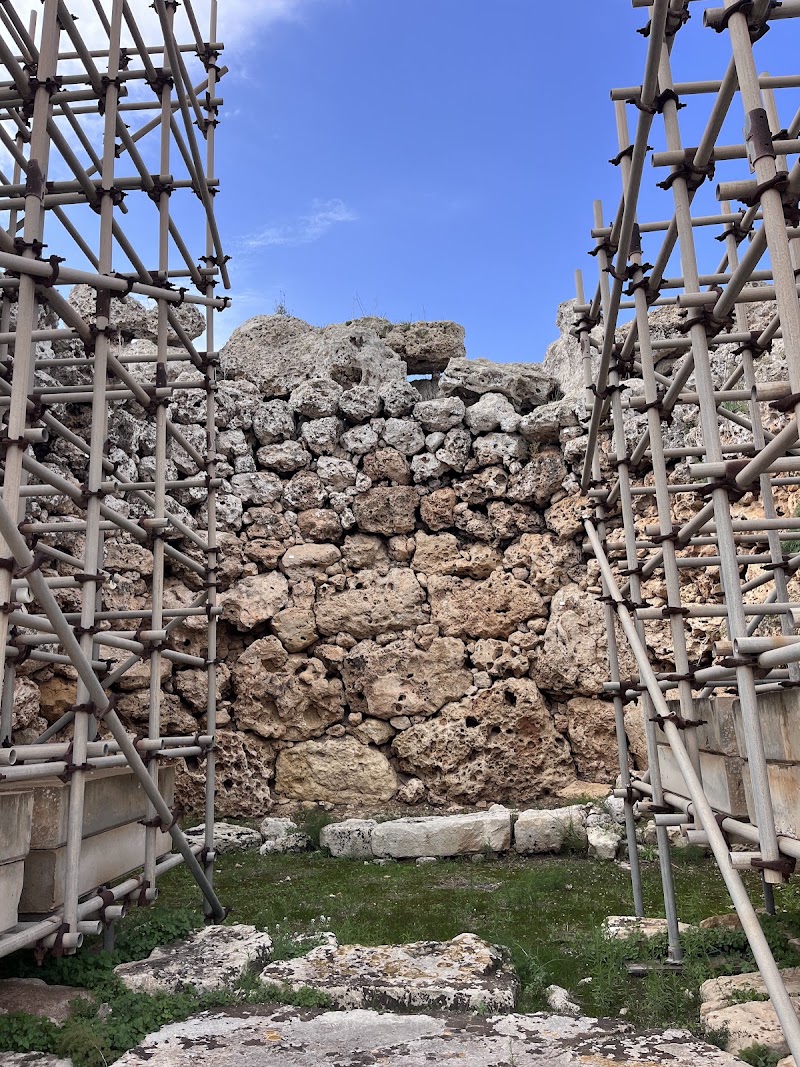
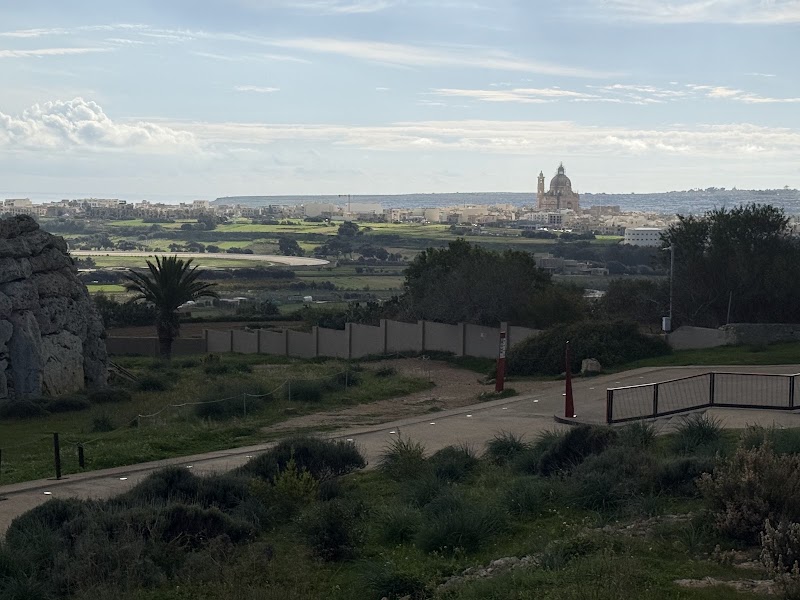
Photos published by travelers on Google, not AI generated.
What stands out
- Massive prehistoric stone structures
- Informative visitor centre
- Well-preserved archaeological site
- Views across Gozo
Worth knowing
- Fencing limits access around some outer walls
Don't miss
What comes up most in public reviews
- The visitor centre’s Neolithic displays
- A close look at the massive stone blocks
- The main Ġgantija temple remains
Worth the trip?
What public reviews reveal
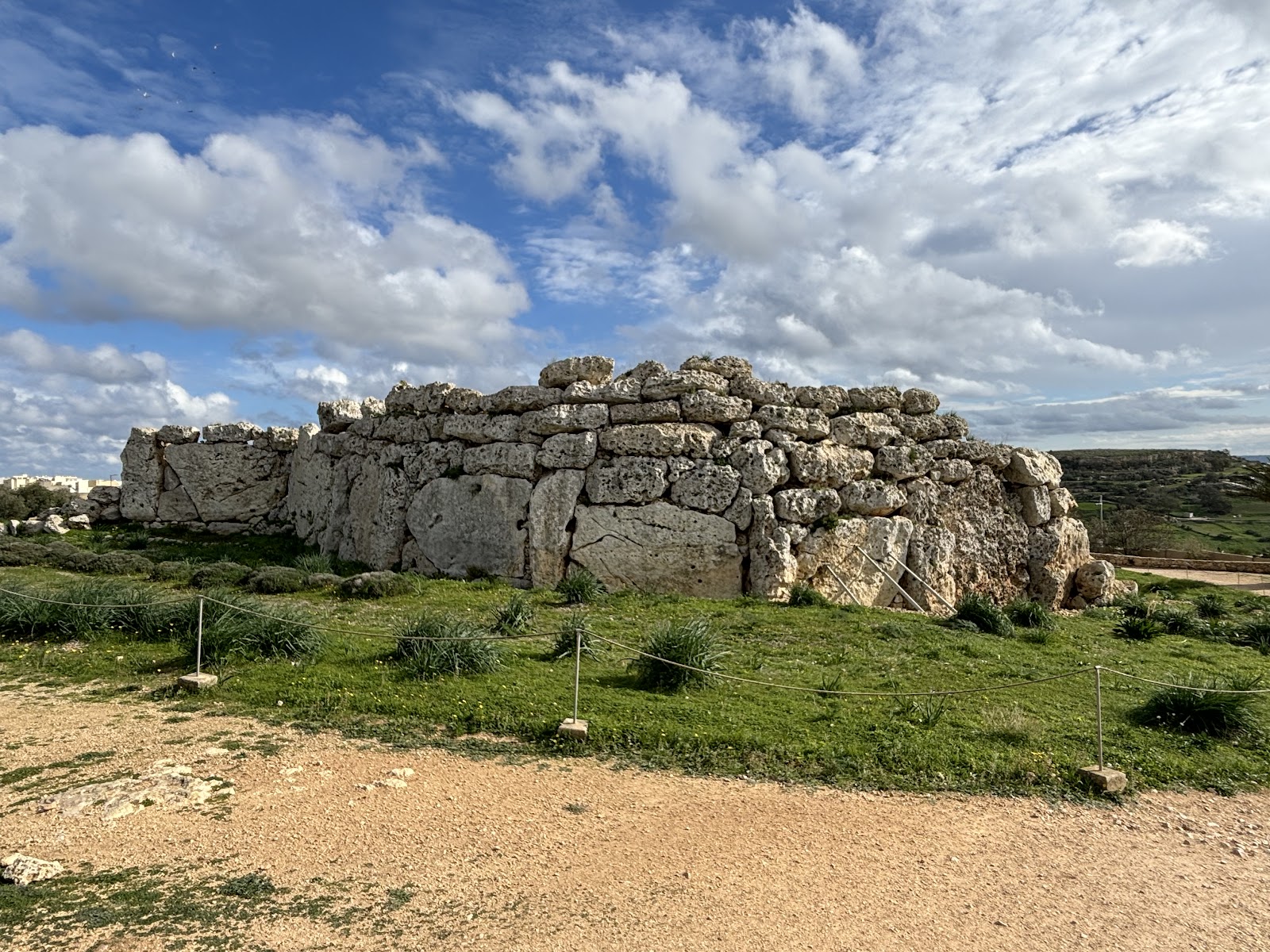
Ruiny Świątyni appears to be the Ġgantija temple complex in Xagħra, the prehistoric site known for the sheer size of its stone structures. It holds a Google rating of 4.4 from 196 reviews, with particularly enthusiastic responses from travellers drawn to ancient history. Reviewers call the temples awe-inspiring and breathtaking. Many also point out that they are older than the Egyptian pyramids.
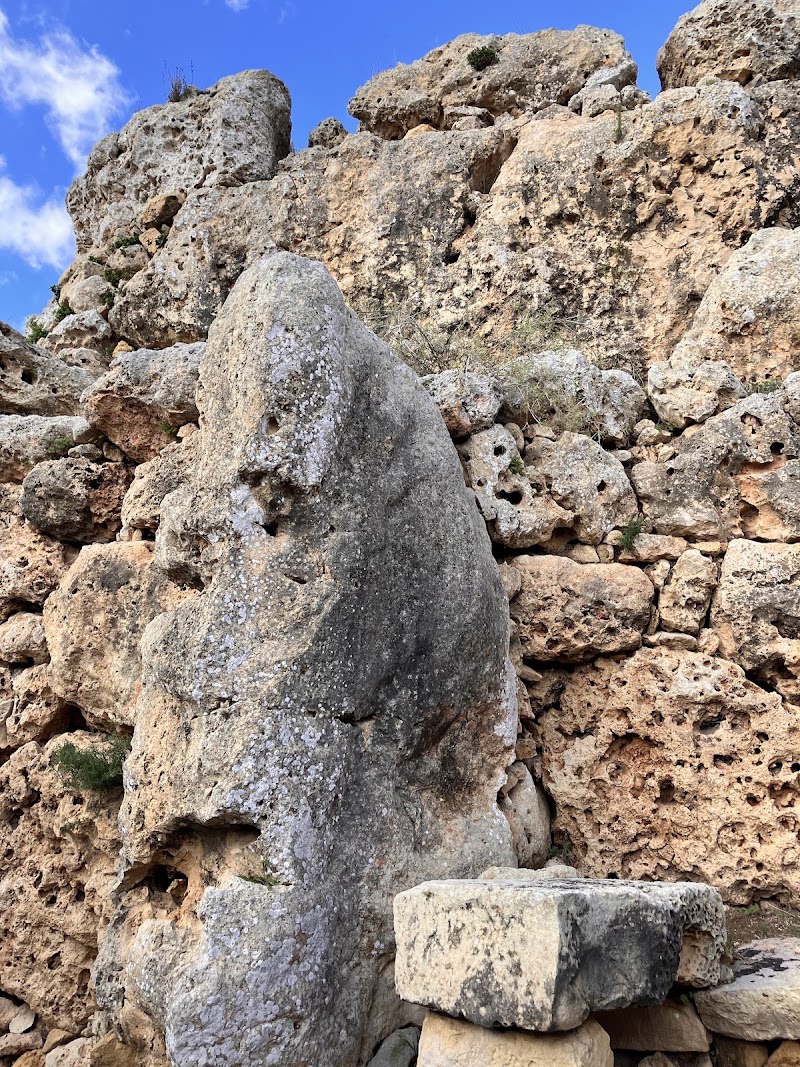
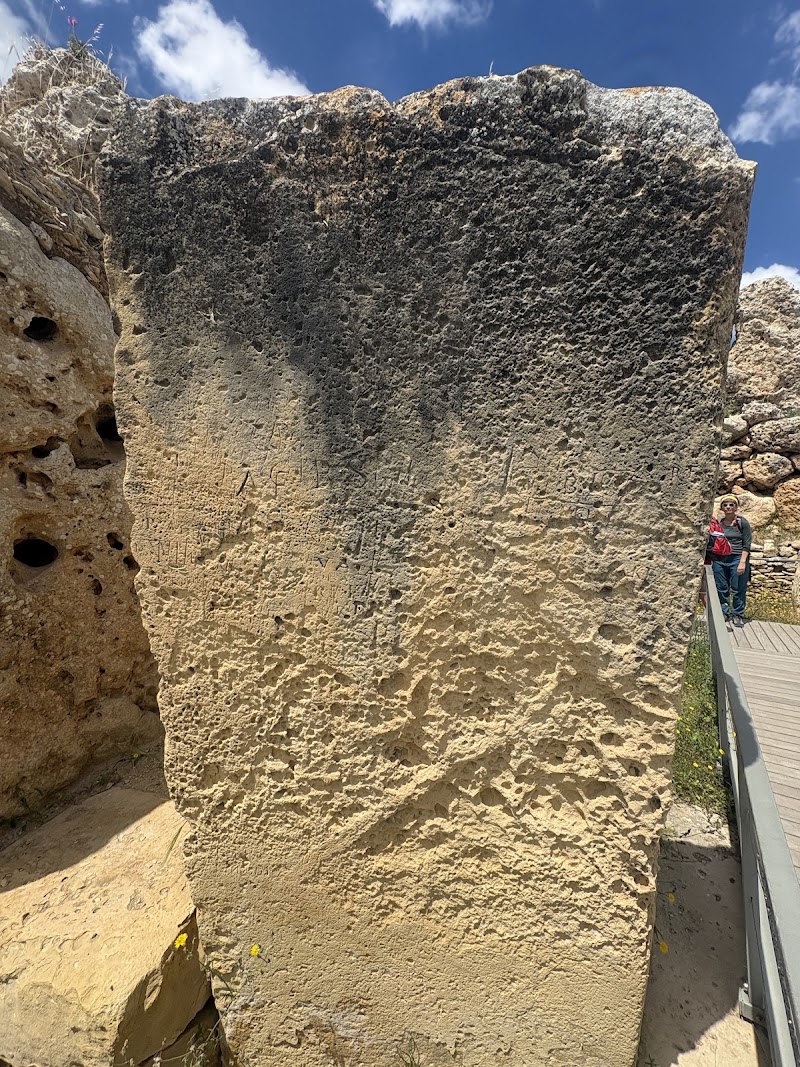
Much of the impact comes from seeing the stonework at close range. Photographs capture the broad walls and worn surfaces, but reviews tend to dwell on what it feels like to stand beside such enormous blocks. The scale is startling. It also raises the question of how a Neolithic community cut, moved and assembled them more than 5,500 years ago, a puzzle that remains central to the ruins’ appeal.
The visitor experience
According to reviews, the visitor centre is worth treating as the first part of the visit, not as an optional extra. Displays explain the Neolithic culture behind the temples and make the remains outside easier to read. The material is often described as informative without being overwhelming, which works for casual sightseers and those who already know something about Maltese prehistory.
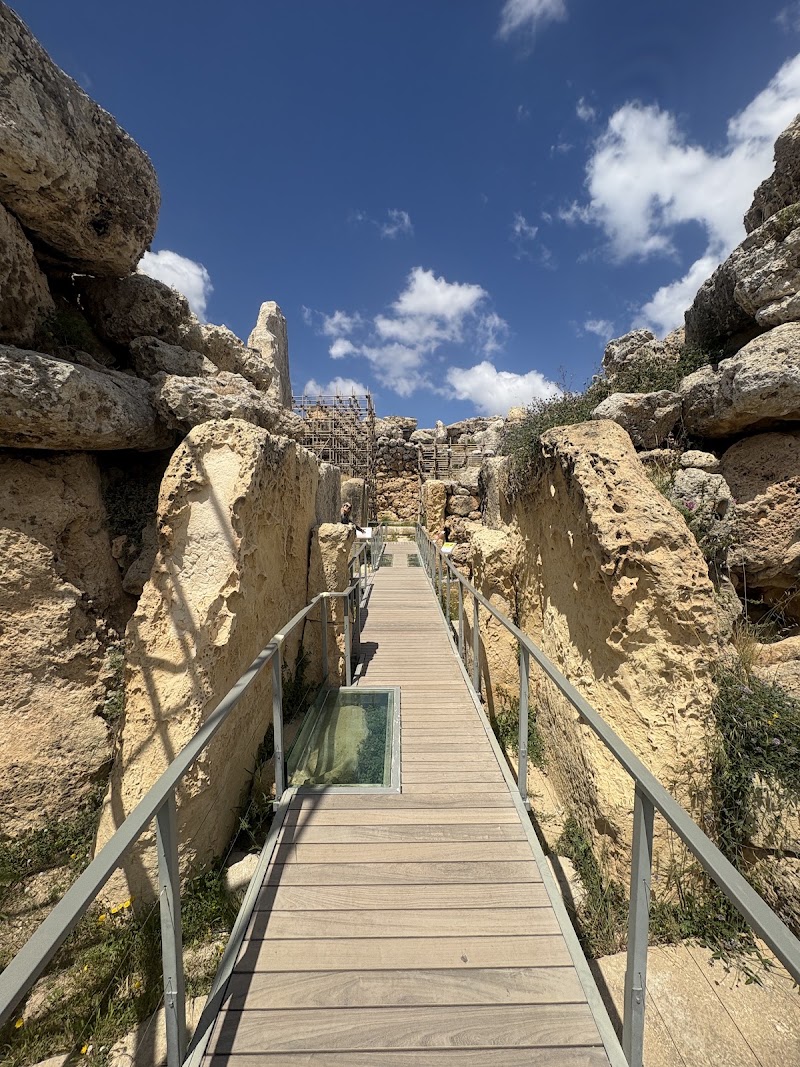
The route then leads from the visitor centre into the archaeological remains. Visitors can walk close to the massive stone structures, and reviewers say that proximity feels far more immediate than looking at them from a distance. Comments also regularly describe the site as well maintained and beautifully preserved. One reviewer singles out the attractive views across Gozo, bringing some landscape interest to an experience otherwise focused on archaeology.
What survives still requires some interpretation. Visitors will find monumental walls, chambers and individual stones, not an intact temple. That makes the visitor centre’s explanations useful, particularly for anyone hoping to understand more than the appearance of the ancient masonry.
What to combine with the temples
A reviewer mentions that the nearby windmill is only a short walk away and can be folded into the same outing. After the far older temple complex, it offers a contrasting historical stop. Even if the windmill is left out, the museum material and archaeological route can comfortably fill a focused half-day visit in Xagħra.
The site should appeal most to travellers interested in archaeology and early human history, especially those who enjoy places that leave questions unresolved. Families may find the amount of interpretation in the visitor centre manageable too, although the real attraction is the stonework rather than interactive entertainment.
Practical verdict
Across the supplied reviews, the same qualities keep coming through: scale, age and good presentation. Ġgantija’s huge stones deliver the first impression. The visitor centre then supplies enough context to stop the ruins feeling obscure. The main reservation is the fencing around parts of the outer walls, which one reviewer found difficult to understand. Despite that restriction, major sections of the complex can still be seen from close by.
On a Gozo itinerary, Ruiny Świątyni offers a concise yet substantial encounter with Malta’s prehistoric past. Monumental ruins and accessible interpretation give the visit its weight, while the nearby windmill adds another reason to stop. It amounts to more than a photo opportunity.
Ask anything
Looking for somewhere else?
Keep exploring around Xagħra
More from Malta
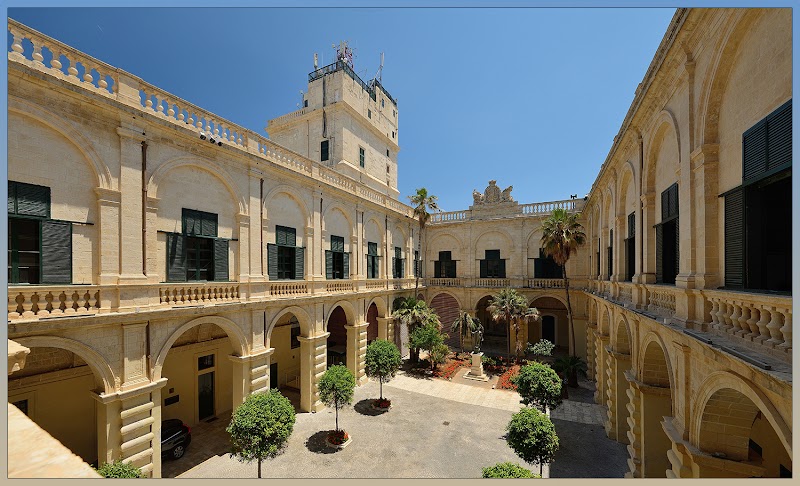
Malta · Il-Belt Valletta
Grand Master’s Palace: Valletta’s seat of power
Ornate state rooms, working presidential offices and an extensive armoury make this one of Valletta’s most rewarding historical landmarks.
Malta · St. Paul's Bay
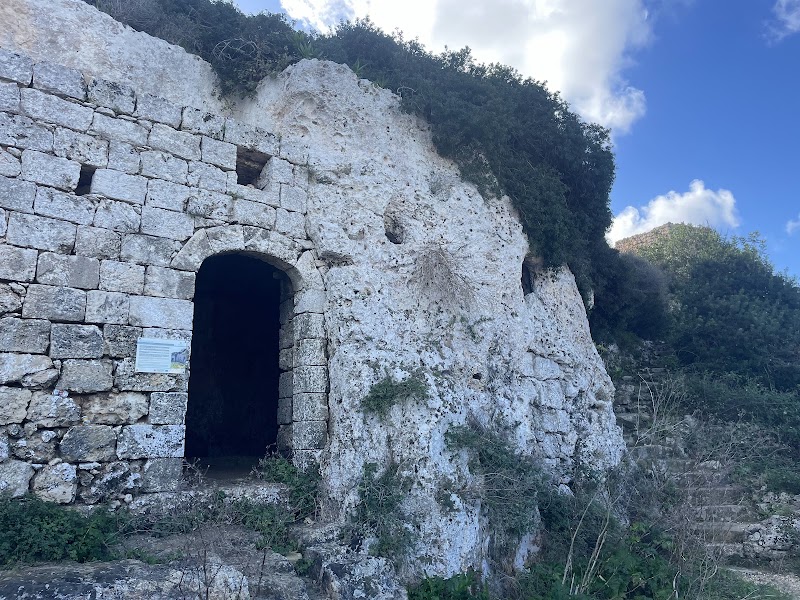
Roman Baths: Ancient Remains Beside Malta’s Cart Ruts
These remarkably intact baths reward careful-footed visitors with ancient structures, nearby cart ruts and an atmospheric approach.
Malta · Mdina
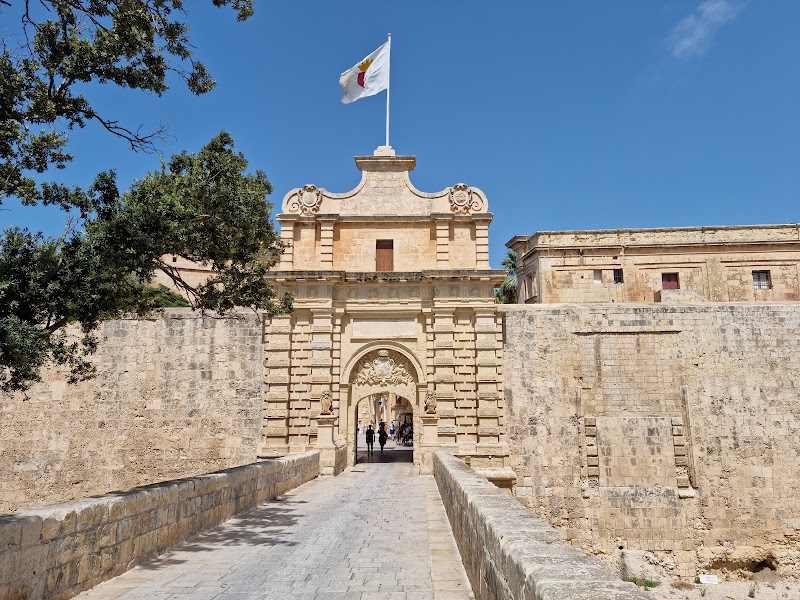
Mdina Gate: A Grand Entrance to Malta’s Silent City
Mdina’s monumental gateway sets the scene for medieval streets, historic architecture and one of Malta’s most atmospheric walks.
Malta · Valletta
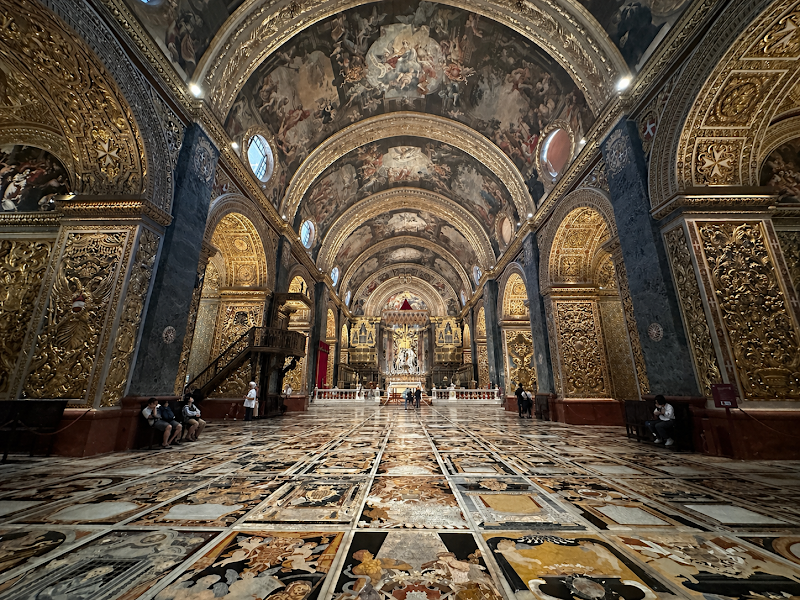
St John’s Co-Cathedral Museum: Valletta’s Baroque showpiece
Behind a restrained façade, this Valletta landmark delivers lavish Baroque decoration, Knights of Malta history and a major Caravaggio masterpiece.