Ruinas de Pore: Colonial Remains and Independence History
Pore’s stone ruins, cobbled streets and independence-era associations make this compact Colombian heritage town rewarding for history-focused visitors.
More photos

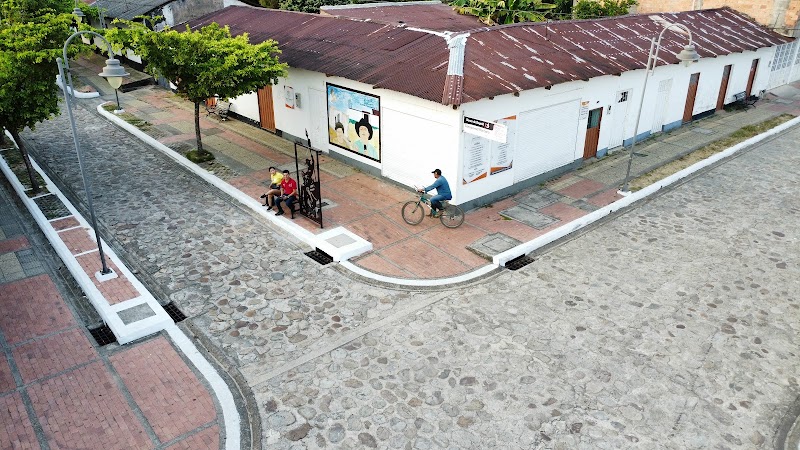
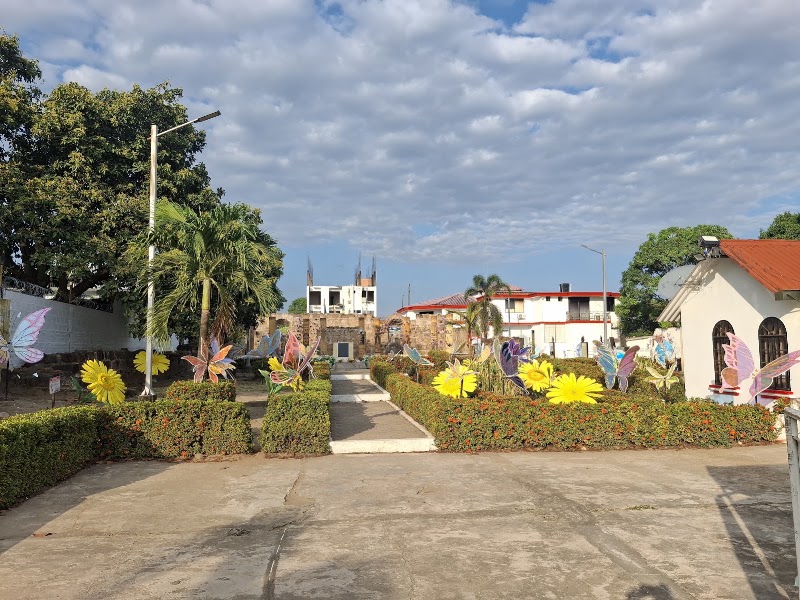
Photos published by travelers on Google, not AI generated.
What stands out
- Independence-era history
- Colonial stone architecture
- Old church ruins
- Cobbled streets
- Artisan Christmas lights in December
Worth knowing
- Compact rather than monumental
- Relatively undeveloped town setting
- Some remains are spread across Pore
Don't miss
What comes up most in public reviews
- Walk to the ruins of the old church
- Read the illustrated historical section
- Look for colonial stonework and cobblestone streets
- See the artisan Christmas lights in December
Worth the trip?
Why the ruins matter
Ruinas de Pore is less a conventional, self-contained attraction than an entry point into the layered history of a small Colombian town. Based on its 4.7 Google rating from 213 reviews, visitors respond most strongly to the combination of colonial remains, independence-era significance and a setting that can be explored on foot.
Public reviews repeatedly connect Pore with the early stages of Colombian independence. They describe the town as a strategic meeting point associated with Simón Bolívar and Francisco de Paula Santander, as well as a place that briefly served as the capital of New Granada. That broader story gives context to the surviving stonework and helps explain why a modest collection of ruins carries considerable local importance.
What visitors can see
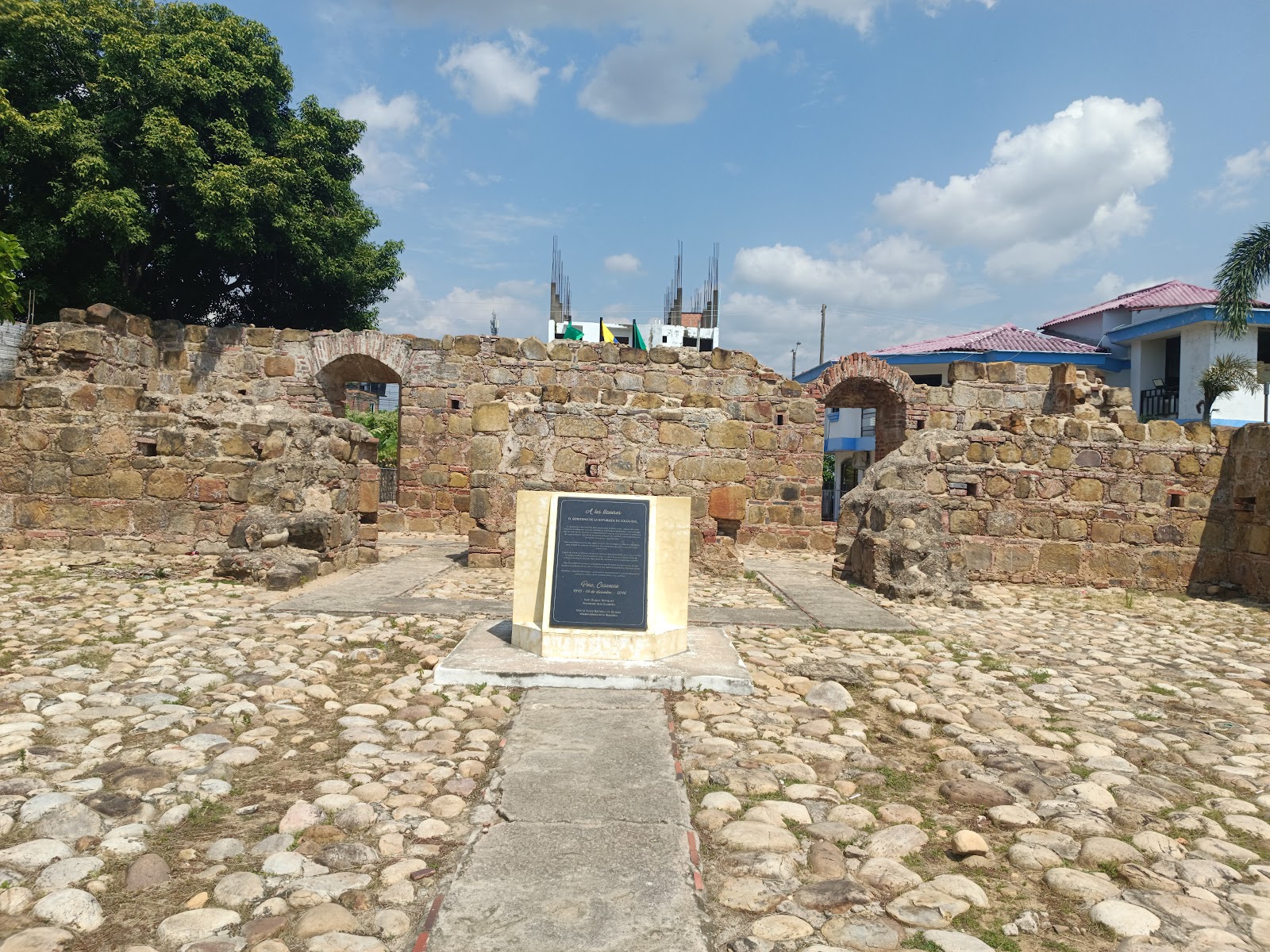
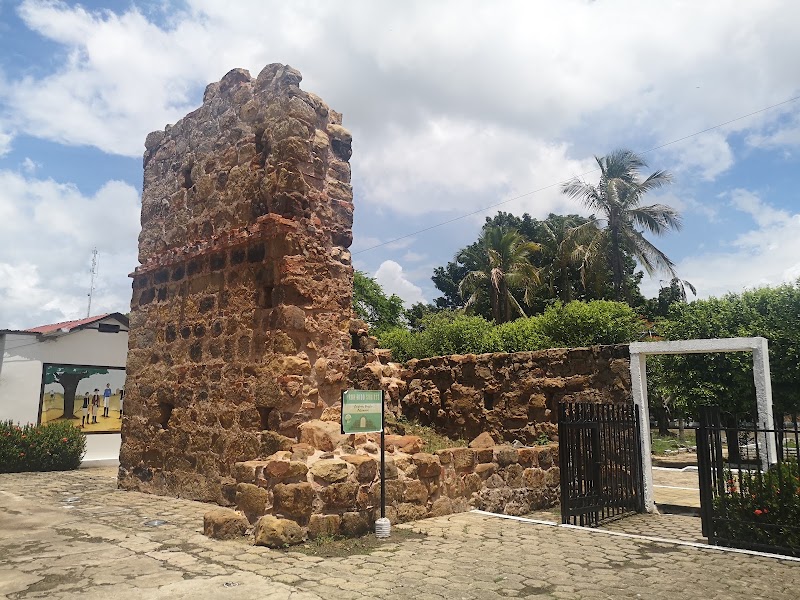
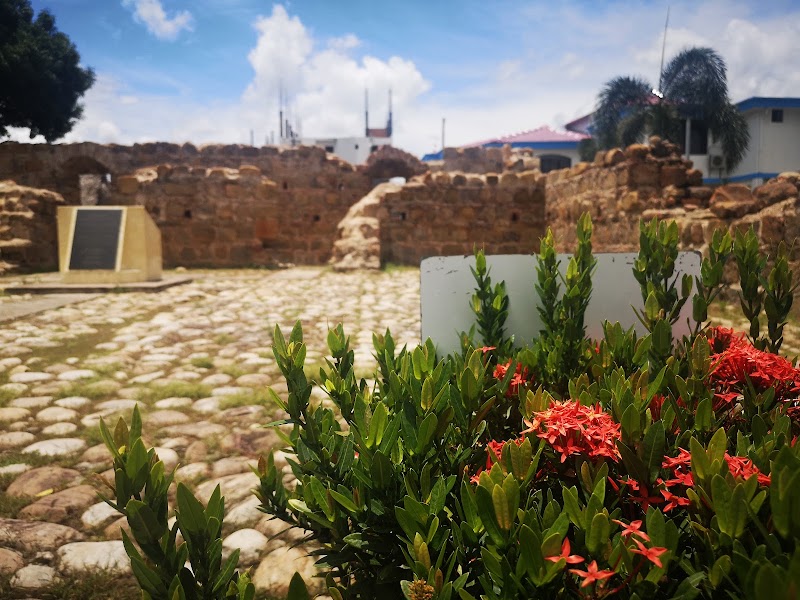
The old church ruins form a natural focal point, particularly at the end of a short walk through town. Reviews also mention colonial stone architecture, cobblestone streets, tunnels and remnants linked to former prisons and Jesuit convents. Not every account distinguishes clearly between what sits within the ruins and what is spread across Pore, so the experience is best approached as a compact historical circuit rather than a single monument.
Interpretation appears to be one of the site’s strengths. One reviewer specifically praises the historical section for being clearly explained and illustrated, while others appreciate how the monuments highlight Pore’s role in the independence movement. Visitors with limited prior knowledge of Colombian history may therefore find the displays particularly useful.
The physical remains seem relatively restrained in scale. Their appeal lies less in monumental grandeur and more in the chance to connect visible fragments of colonial Pore with a nationally important political narrative.
Atmosphere and seasonal appeal
Reviews portray Pore as small, old and relatively undeveloped, with a warm local atmosphere. Its manageable size suits a short walk, allowing visitors to combine the ruins with the surrounding streets and nearby food stops. Restaurants and enjoyable local food are mentioned positively, although the reviews do not provide enough detail to recommend individual venues.
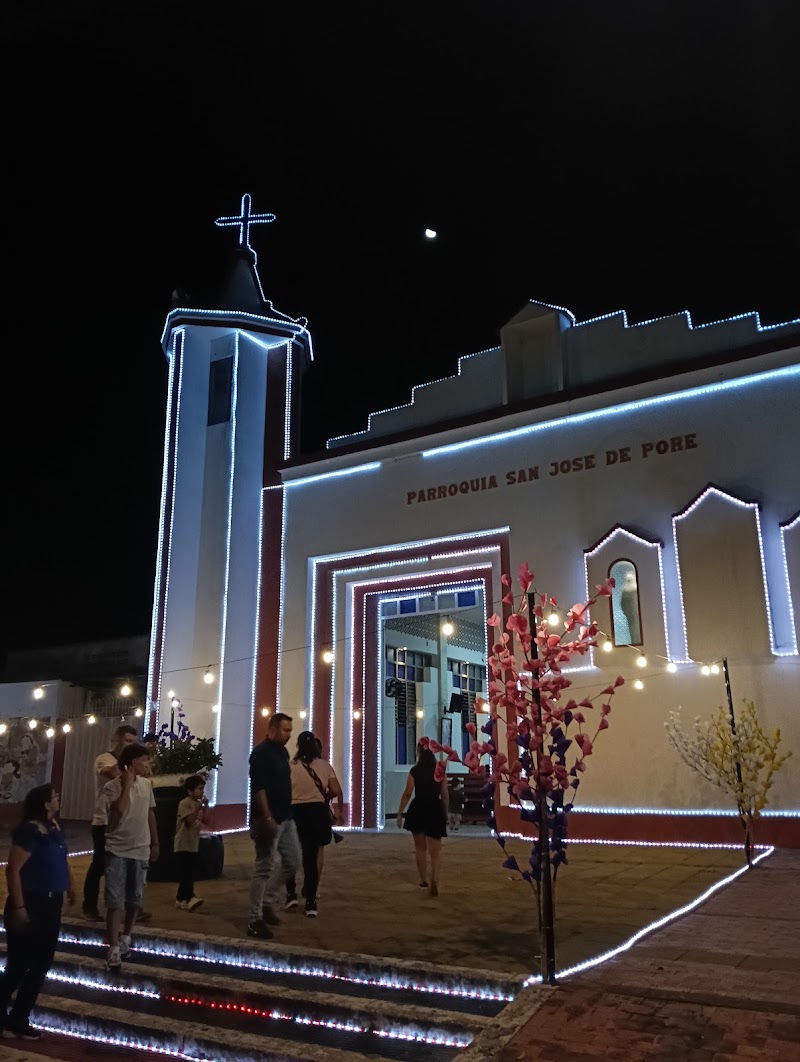
December brings a different character. Multiple reviewers highlight Christmas lights made by artisans, describing an evening walk through the displays that finishes near the ruins of the old church. This seasonal illumination appears to add energy and visual interest to the historical setting, making December the clearest time-specific recommendation supported by the available feedback.
Editorial verdict
Synthesized public feedback suggests that Ruinas de Pore is most rewarding for travellers already interested in colonial architecture, Colombian independence and small-town heritage. It is unlikely to require a full day on its own, but it works well as the anchor for a broader walk through Pore.
The strongest visit would combine the interpreted historical section, remaining stone architecture, cobbled streets and old church ruins. Expectations should remain calibrated: this is a compact, relatively undeveloped heritage setting, not a large archaeological complex. For visitors who value historical context over spectacle, however, Pore offers a focused and well-regarded stop with a distinctive place in Colombia’s independence story.
Ask anything
Looking for somewhere else?
Keep exploring around Pore
More from Colombia
Colombia
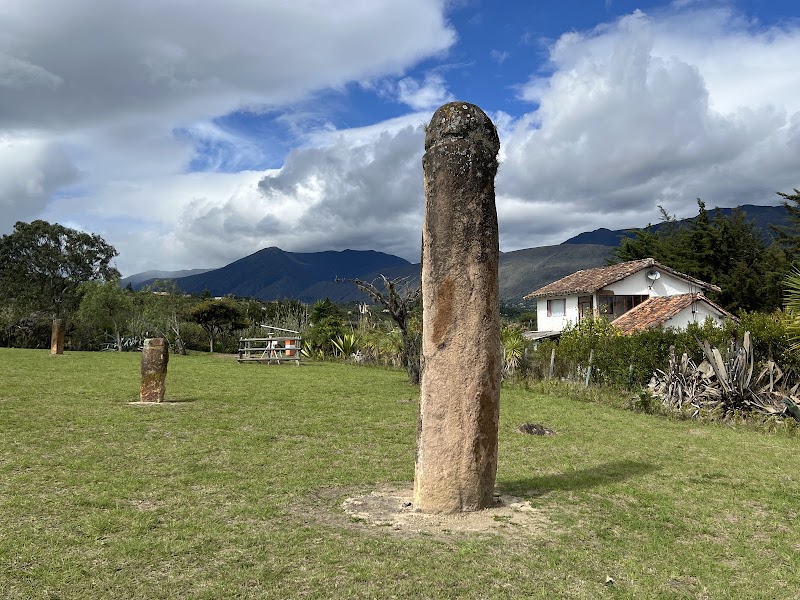
Muisca astronomy and stone alignments at Zaquenzipa
Near Villa de Leyva, this archaeological attraction draws interest for its Muisca solar calendar, aligned stone rows and guided interpretation.
Colombia · San Agustín
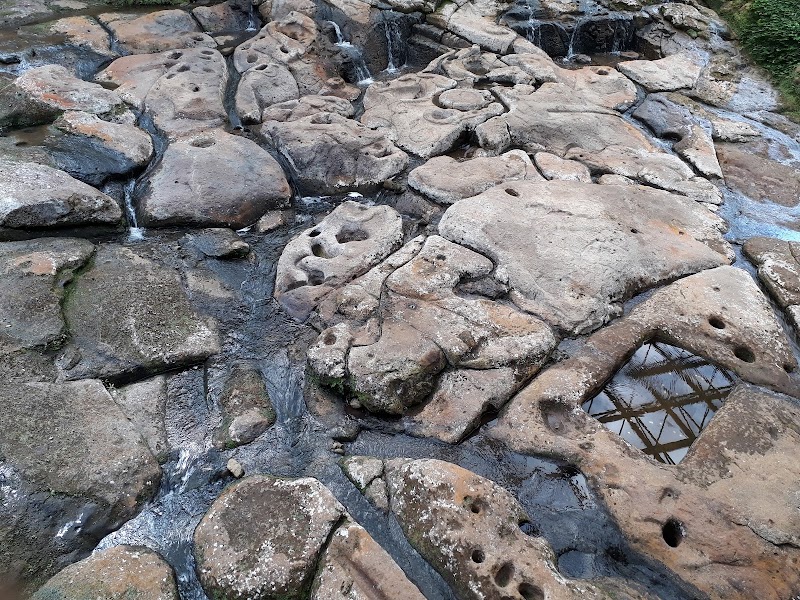
Alto de Lavapatas: Carved Pools and Calming Views
A scenic archaeological park stop where carved pools, intriguing figures and a relaxing uphill walk reward close inspection.
Colombia · Montería
Paramillo National Park: Strong Praise, Few Details
Public feedback is highly positive, but sparse reviews offer little practical guidance on what to see or how long to spend in the park.
Colombia · Cartagena de Indias
Centro Histórico de Cartagena: Colour, Walls and Colonial Charm
Cartagena’s walled historic centre pairs vivid colonial architecture, cobbled lanes and flower-filled balconies with a lively street scene.