Inside Antigua Guatemala’s Roofless Cathedral Ruins
A compact, atmospheric historic site where cathedral ruins, underground spaces and earthquake-scarred architecture reward close inspection.
More photos
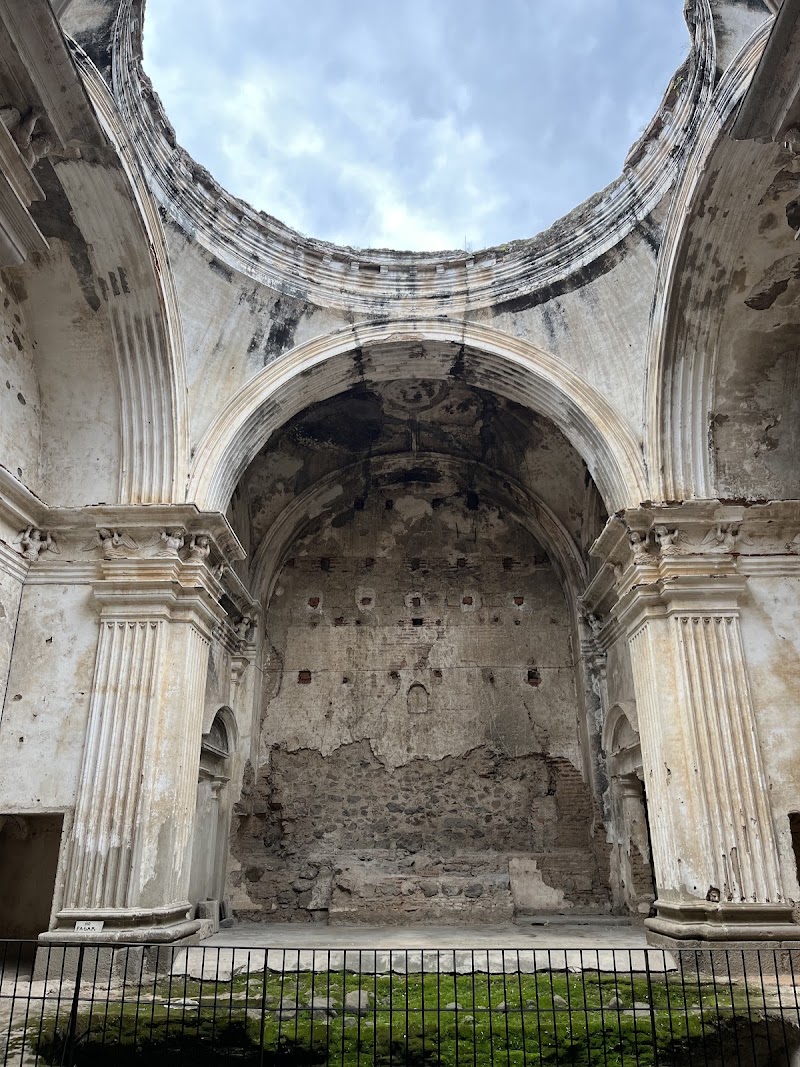
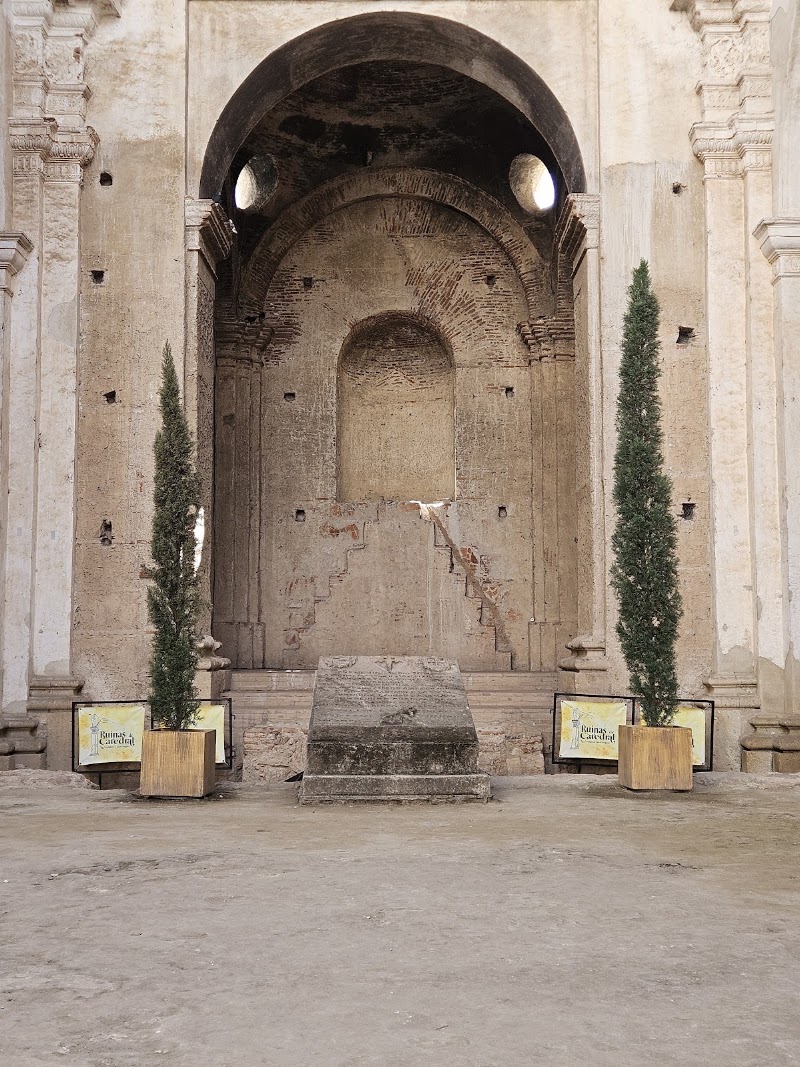
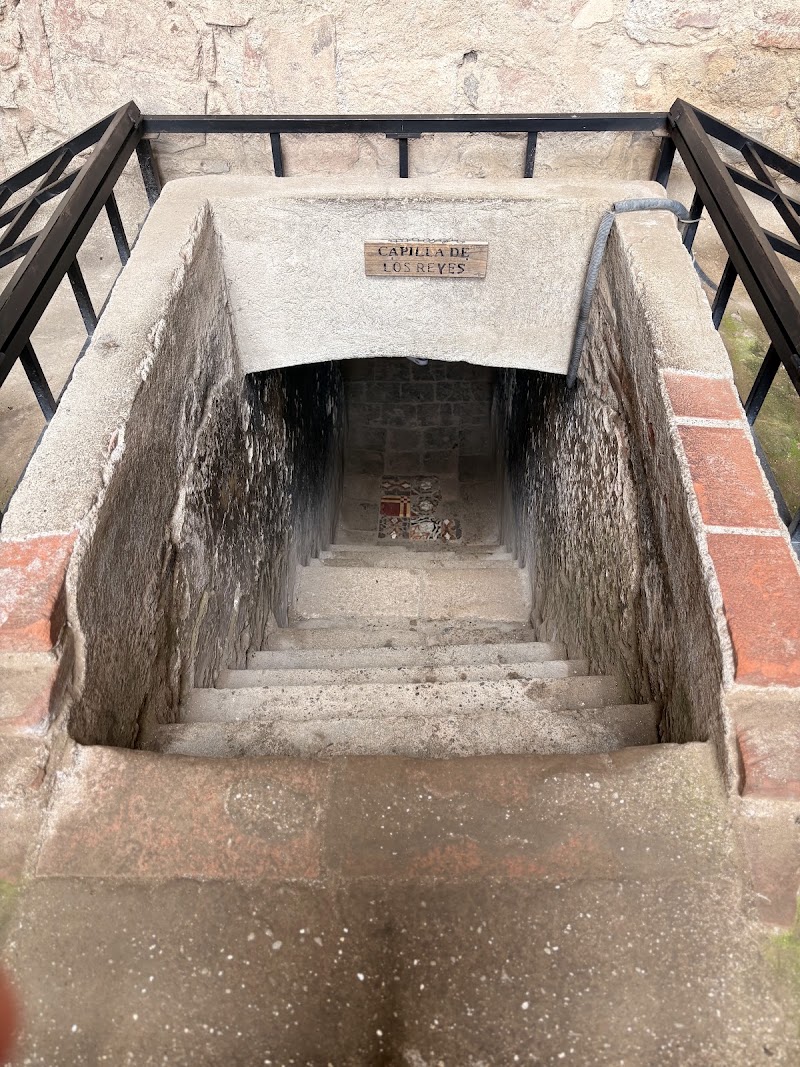
Photos published by travelers on Google, not AI generated.
What stands out
- Roofless cathedral shell
- Underground spaces
- Earthquake-scarred architecture
- Collapsed column
- Strong photo opportunities
Worth knowing
- Some visitors finish in 30 minutes or less
Don't miss
What comes up most in public reviews
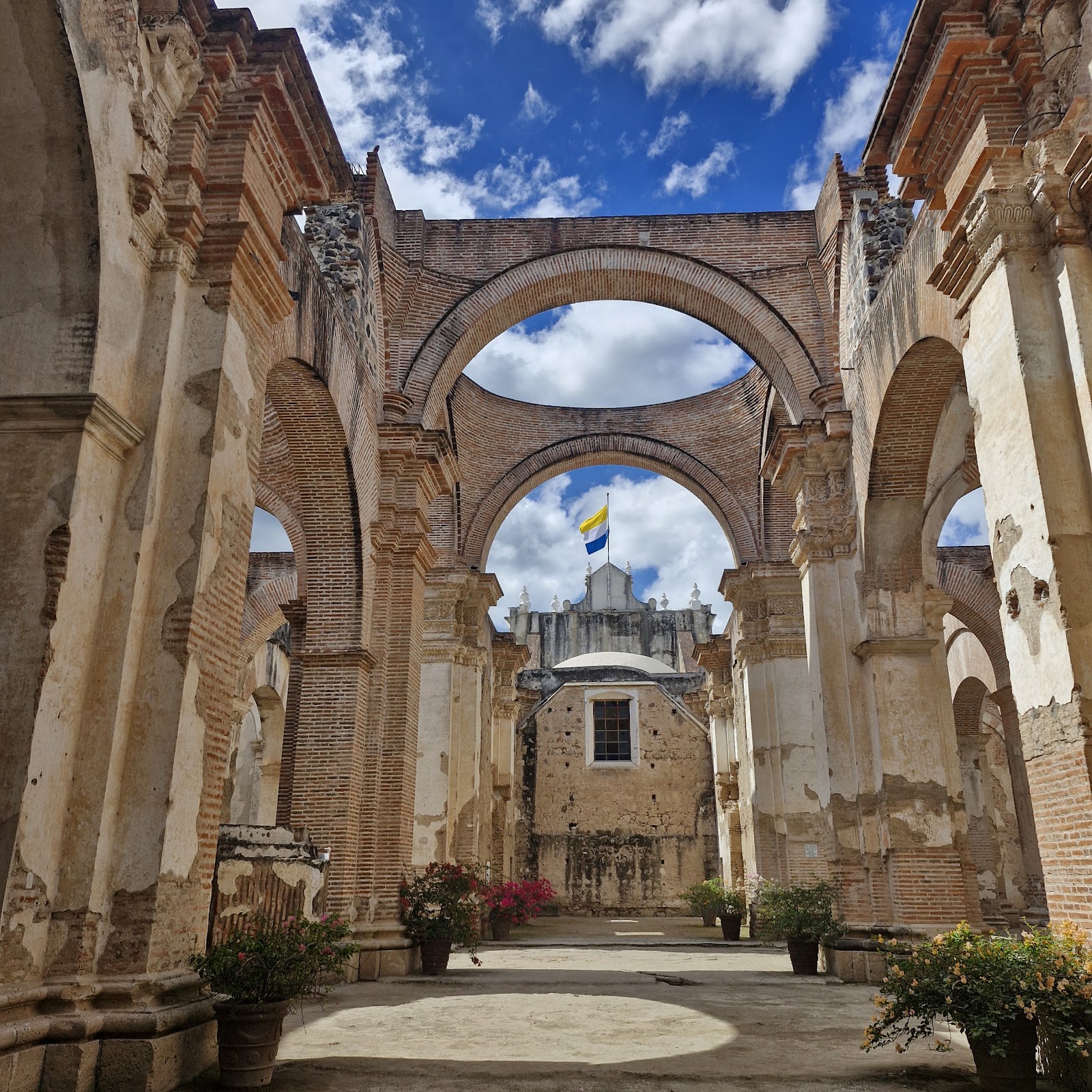
- Look up through the open cathedral shell
- Inspect the collapsed column
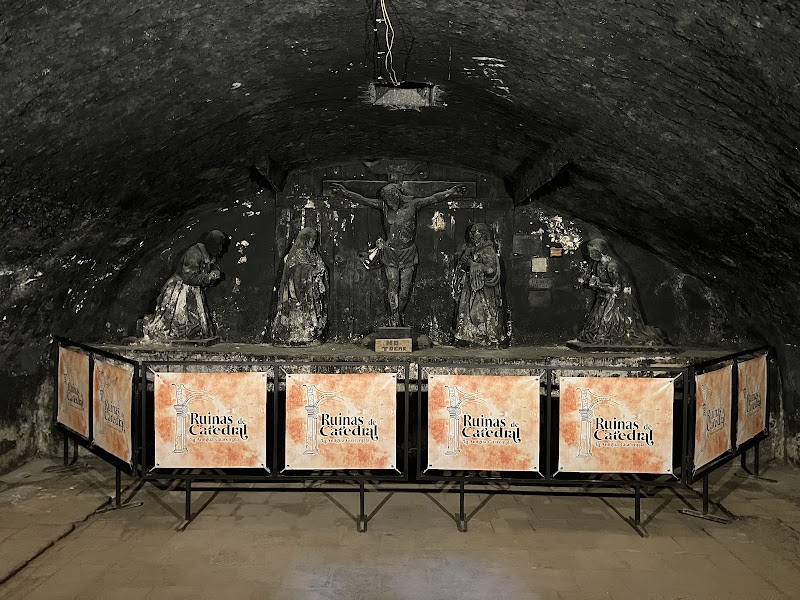
- Explore the underground spaces
- Read the historical descriptions
Worth the trip?
Why the ruins stand out
Public feedback presents the Ruinas de La Antigua Catedral Metropolitana as one of Antigua Guatemala’s most atmospheric historic sights. It holds a Google rating of 4.7 from 99 reviews, with travellers repeatedly praising the scale of the surviving architecture and the sensation of looking directly into the sky from inside a roofless cathedral shell.
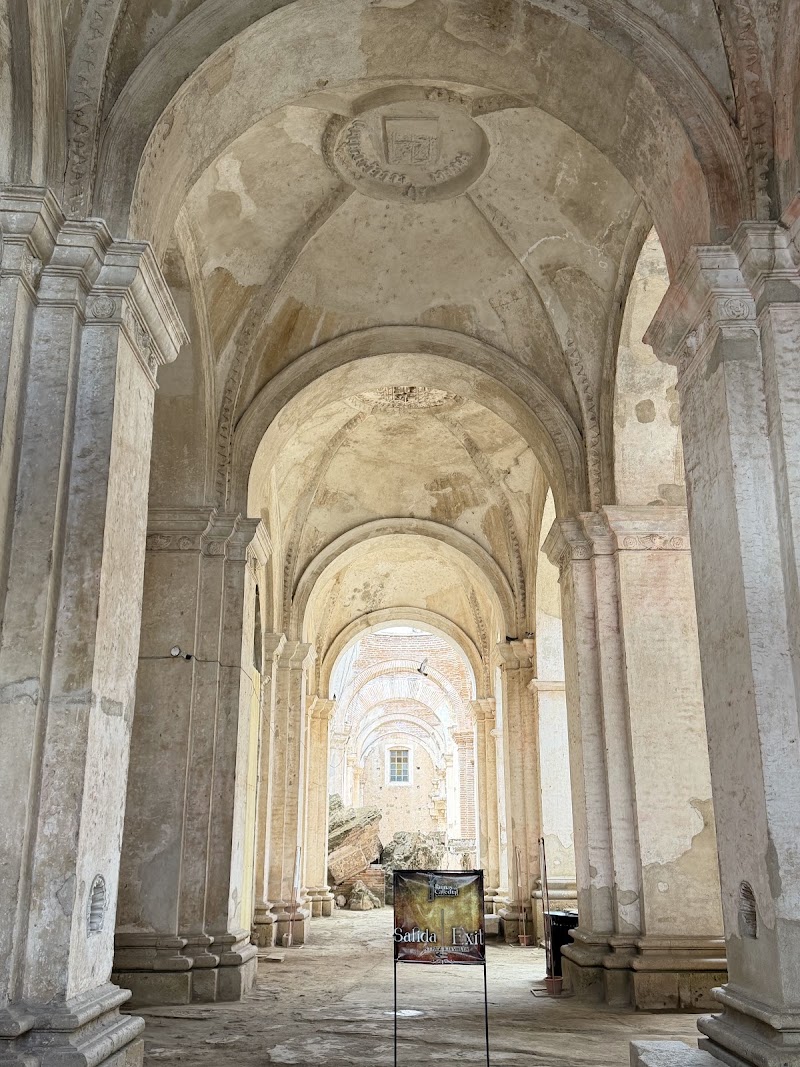
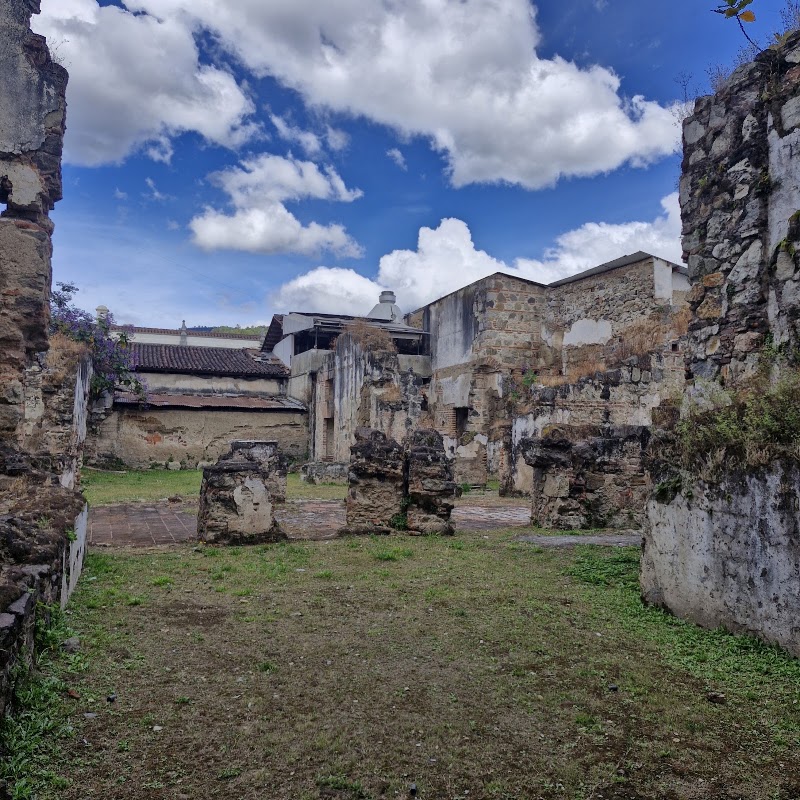
Rather than resembling a complete church interior, the site is experienced as a husked-out structure of stone walls, arches and fallen architectural elements. Reviewers describe it as transporting them back through several centuries. The setting also produces plenty of strong photographic compositions, particularly where open sky, weathered masonry and the remnants of the cathedral’s former layout meet.
Architecture shaped by earthquakes
The history is central to the visit. One detailed public review identifies the ruins as the remains of the fourth construction of the Cathedral of Santiago de Guatemala. It traces the first cathedral to 1545, followed by rebuilding and inauguration in 1680, then further destruction or damage during earthquakes in 1717, 1751 and 1773.
That repeated cycle of construction, collapse and rebuilding gives context to the broken columns and exposed structure seen today. A collapsed column is singled out as one of the most affecting features. Reviewers also mention plastic seating arranged in the manner of former pews, creating an unusual visual reminder of how the cathedral interior once functioned.
Visitors who read the available descriptions tend to get more from the site than those treating it solely as a quick photo stop. Public comments repeatedly connect the architectural remains with the broader historical narrative rather than viewing them as decorative ruins alone.
What to explore
The main experience is a slow walk through the cathedral remains, looking upward through missing sections of roof and examining the surviving walls and columns. Underground spaces add another dimension. Reviewers describe these areas as enjoyable to explore and as a contrast to the bright, open main structure.
Photography is a consistent theme in the feedback. The open shell, blue sky and large-scale masonry offer numerous angles without requiring a long or complicated visit. The descriptions around the site are also worth reading, especially for travellers unfamiliar with the cathedral’s repeated reconstruction and earthquake damage.
How long to allow
Reported visit times vary considerably. One reviewer considered 30 minutes or less sufficient, while another recommended taking one or two hours to walk slowly, read the descriptions and make the most of the photo opportunities. Around an hour is a sensible middle ground for most visitors.
The ruins best suit travellers interested in architecture, earthquake history and evocative historic spaces. They also work well for photographers and for visitors seeking a focused attraction rather than a half-day excursion. The strongest public reactions centre on atmosphere, historical detail and the striking view of open sky framed by the cathedral’s surviving walls.
Ask anything
Looking for somewhere else?
Keep exploring around Antigua Guatemala
More from Guatemala
Guatemala · Laguna Yaxjá
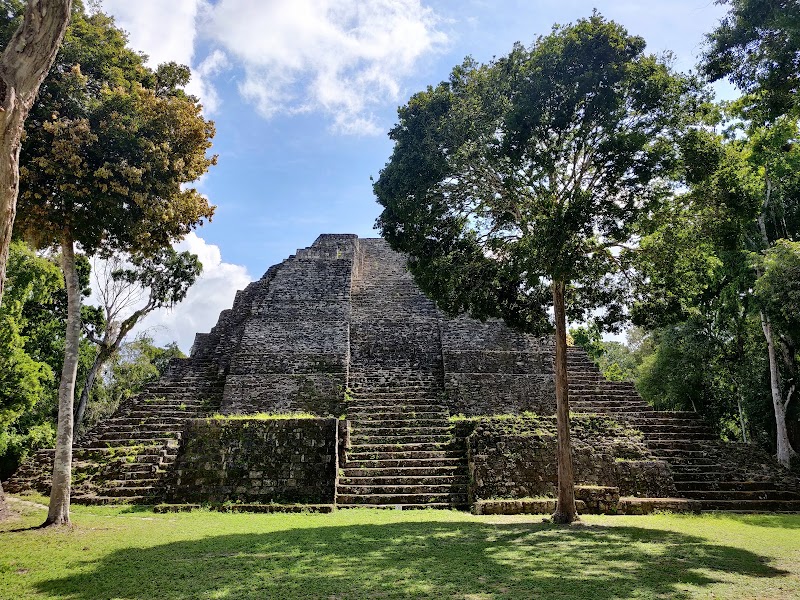
Acropolis Norte: Yaxha’s standout pyramid complex
Public reviews praise this restored Maya complex for climbable pyramids, broad views, jungle wildlife and a quieter atmosphere than Tikal.

Guatemala
Maya weaving traditions explained with care near Antigua
This family-run museum pairs detailed textile interpretation with weaving demonstrations and a well-regarded collection of handmade pieces.
Guatemala · Calabasco
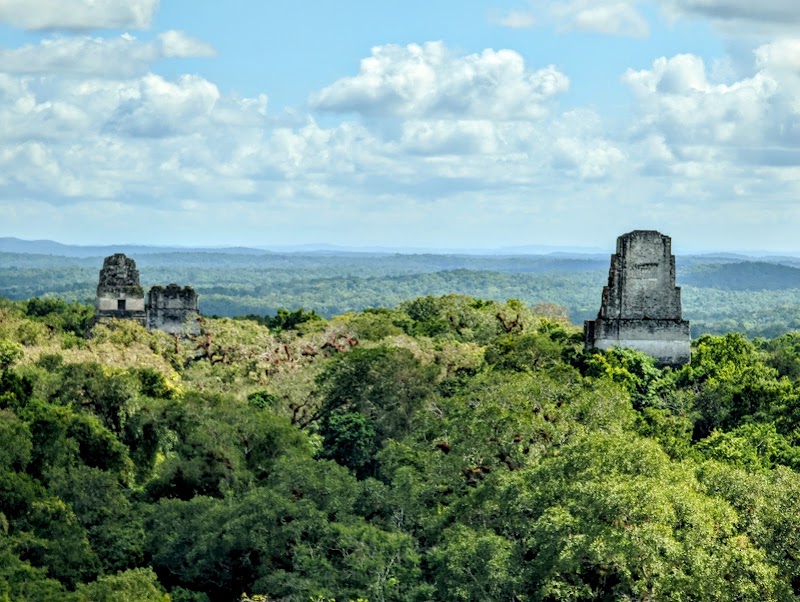
Reserva de Biosfera Maya: Tikal, wildlife and vast forest
Public reviews pair the reserve’s extraordinary biodiversity with Tikal’s monumental ruins, though crowds and substantial walking require preparation.
Guatemala · Ciudad de Guatemala
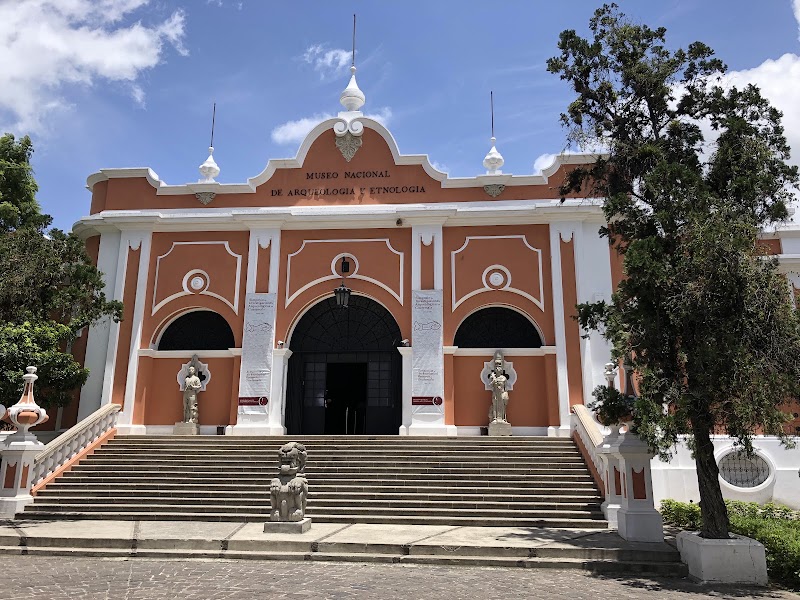
Maya art and archaeology in Guatemala City
A compact, well-curated museum with jade, ceramics, carved stelae and displays exploring Maya history, writing and living traditions.