Ruinas de Concepción de La Vega: A Brief, Sobering Stop
These sparse ruins offer a short encounter with colonial history, though limited interpretation and apparent neglect temper the experience.

More photos
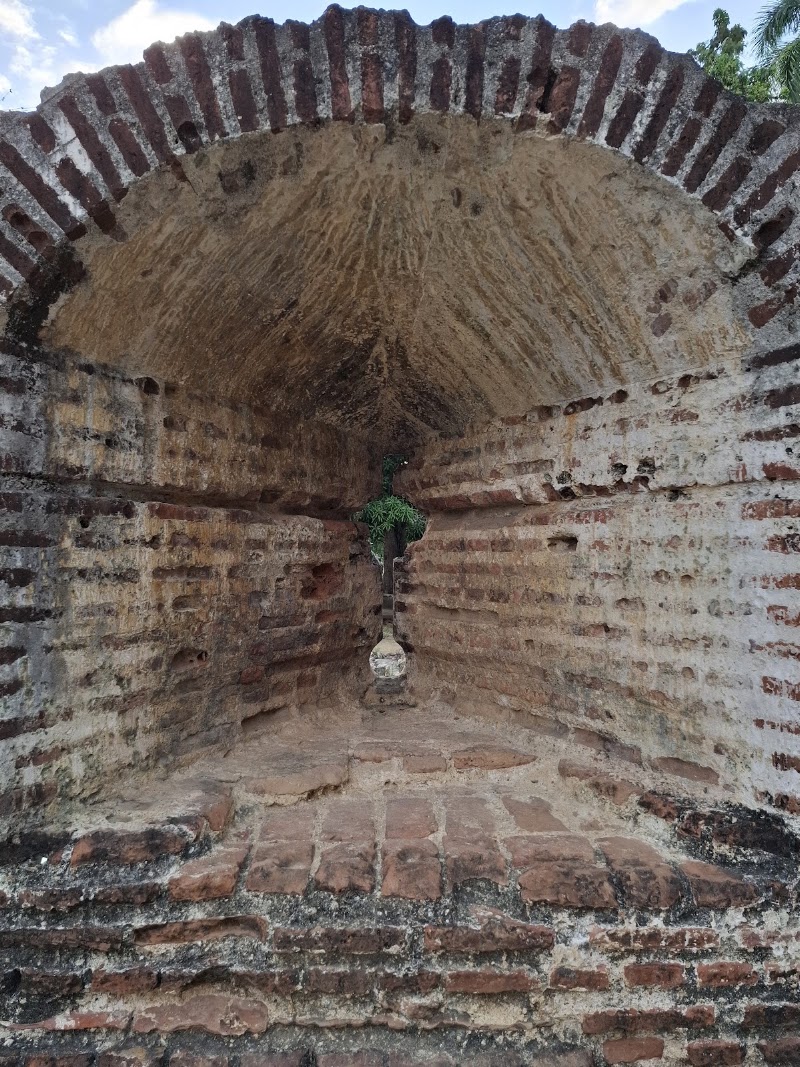

Photos published by travelers on Google, not AI generated.
What stands out
- Quiet, uncrowded atmosphere
- Sobering colonial context
- Brief and easy visit
- Potential informal historical guidance
Worth knowing
- Very little to see
- Signs of limited care
- Visitor arrangements may be unclear
Don't miss
What comes up most in public reviews
- Ask an on-site guide about the history
- Consider the impact on Indigenous people
Worth the trip?
What public reviews suggest
Ruinas de Concepción de La Vega holds a Google rating of 4 from 67 reviews, but the comments point to a mixed experience. Visitors generally describe a quiet, very brief stop rather than an attraction that fills an afternoon. One reviewer estimated that the site takes only five to ten minutes to see, while others felt there simply was not enough there.
Its appeal rests less on spectacle than on historical weight. A European reviewer viewed the site as a sobering point of contact with the beginnings of colonization in the Americas and the devastation experienced by Indigenous people. That response suggests the ruins may resonate most strongly with travellers already interested in Dominican history and the consequences of European expansion.
What the visit is like
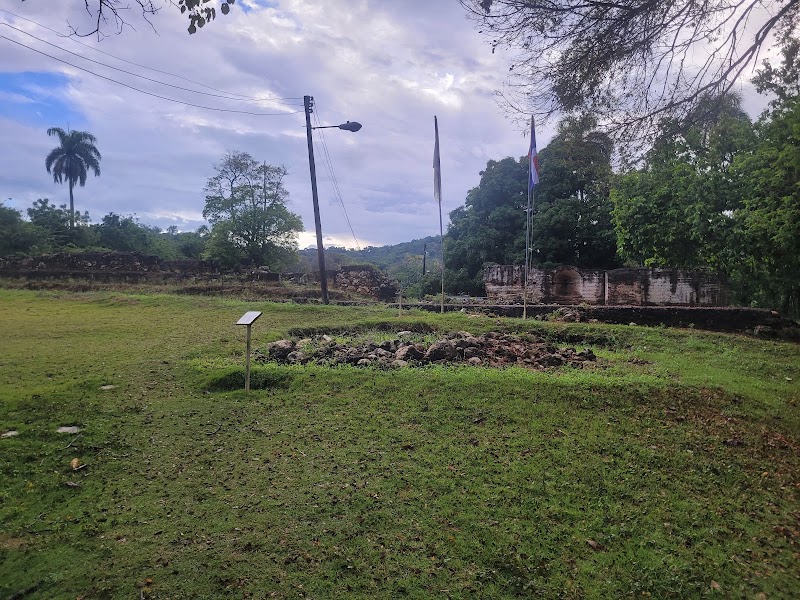
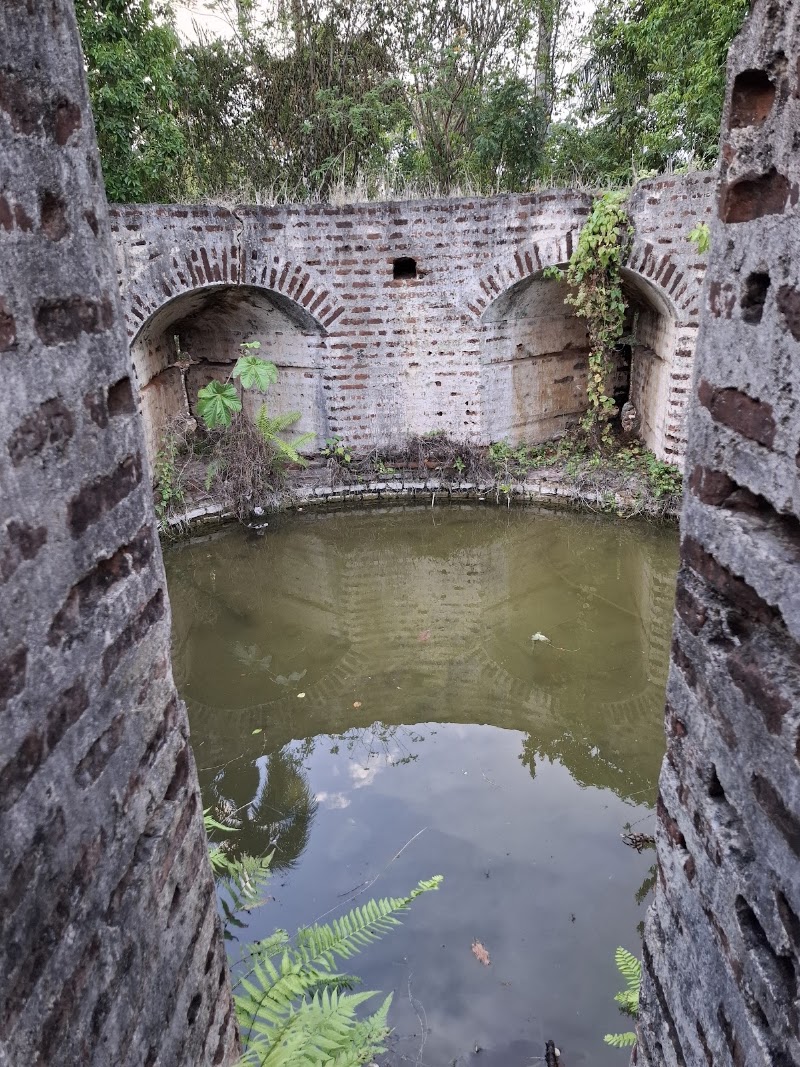
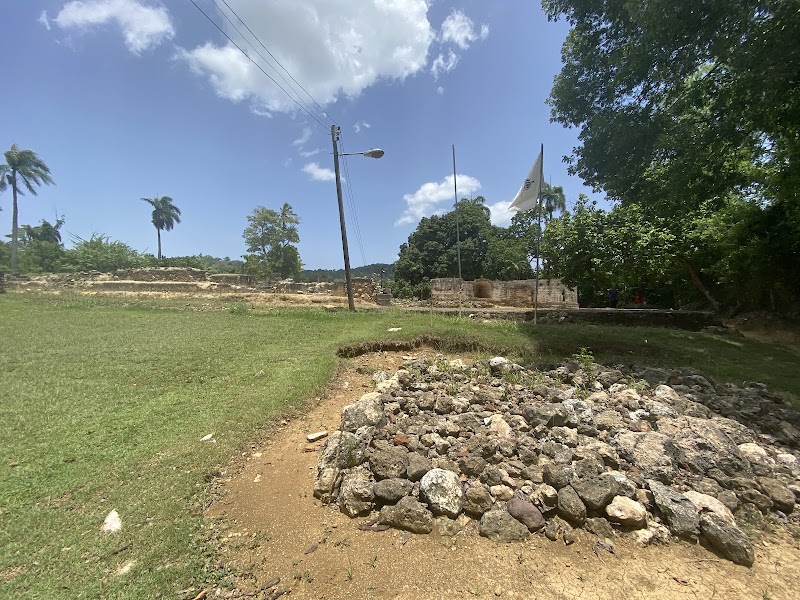
The physical remains appear limited, based on the repeated emphasis on brevity and the lack of much to see. Travellers should arrive expecting a sparse archaeological setting, not an extensive complex or a polished visitor experience. For some, that simplicity feels appropriate because the location invites reflection rather than celebration. For others, it makes the attraction disappointing.
The atmosphere may also be unusually quiet. One visitor reported finding nobody else there and appreciated the solitude. That same review mentioned free entry, but the available feedback does not establish whether this is a consistent policy. Practical arrangements may therefore be informal or unclear.
A reviewer also noted that a guide may approach and explain the history. This could add useful context to a site where the surviving remains alone may not communicate much. Any gratuity should be treated as optional and agreed upon sensibly rather than assumed to be part of a formal tour.
Historical impact and limitations
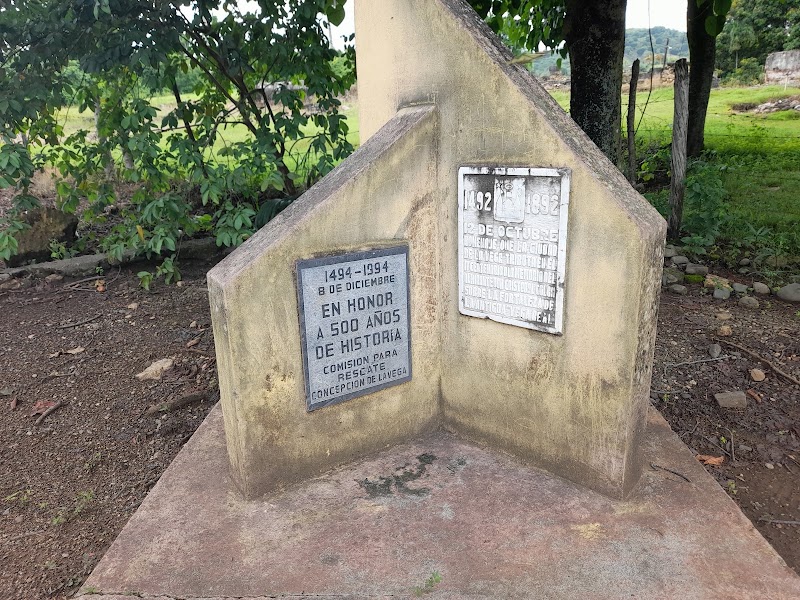
The strongest reason to stop is the opportunity to consider the site’s colonial context. Public reviews indicate that its emotional effect can exceed its visual impact. The ruins can prompt reflection on conquest, Indigenous loss and the early colonial period without presenting the space as celebratory.
However, several comments raise concerns about care and presentation. One reviewer was very disappointed and interpreted the condition of the site as evidence that its history was not being adequately valued. Combined with complaints that there is not enough to see, this points to limited upkeep or interpretation as a central weakness.
The reviews do not support treating Ruinas de Concepción de La Vega as a standalone destination. It works better as a short historical pause for travellers already passing through Pueblo Viejo or exploring related sites in the area.
Editorial verdict
Ruinas de Concepción de La Vega is best approached with restrained expectations. The stop is short, the visible remains are limited and the level of interpretation may vary. Yet those willing to engage with the difficult history represented here may find the visit meaningful.
History-focused travellers are the most likely to appreciate it. Casual sightseers seeking extensive ruins, clear visitor services or a substantial itinerary may leave underwhelmed. If an informed guide is present, asking for historical context could turn a sparse visit into a more worthwhile one.
Ask anything
Looking for somewhere else?
Keep exploring around Pueblo Viejo
More from Dominican Republic

Dominican Republic · Higüey
Punta Cana Princess: lively resort with mixed room reviews
Strong entertainment and attractive grounds stand out, but public reviews raise recurring concerns about room cooling, upkeep and inconsistent food.

Dominican Republic · Punta Cana
Barceló Bávaro Beach: Strong Setting, Uneven Rooms
Public reviews praise the beach, grounds and resort facilities, while room condition, service and hygiene reports create notable reservations.

Dominican Republic · Punta Cana
Meliá Caribe Beach Resort: Lively All-Inclusive Comfort
A large Punta Cana resort praised for its beach, welcoming staff, family-friendly energy and broad mix of activities.

Dominican Republic · Punta Cana
Occidental Punta Cana: Lively Beach Resort for Families
A broad mix of dining, entertainment and beach time makes this Punta Cana resort appealing, though service consistency draws criticism.