Ruin of Shui Nam Cave Refinery: Industrial History in View
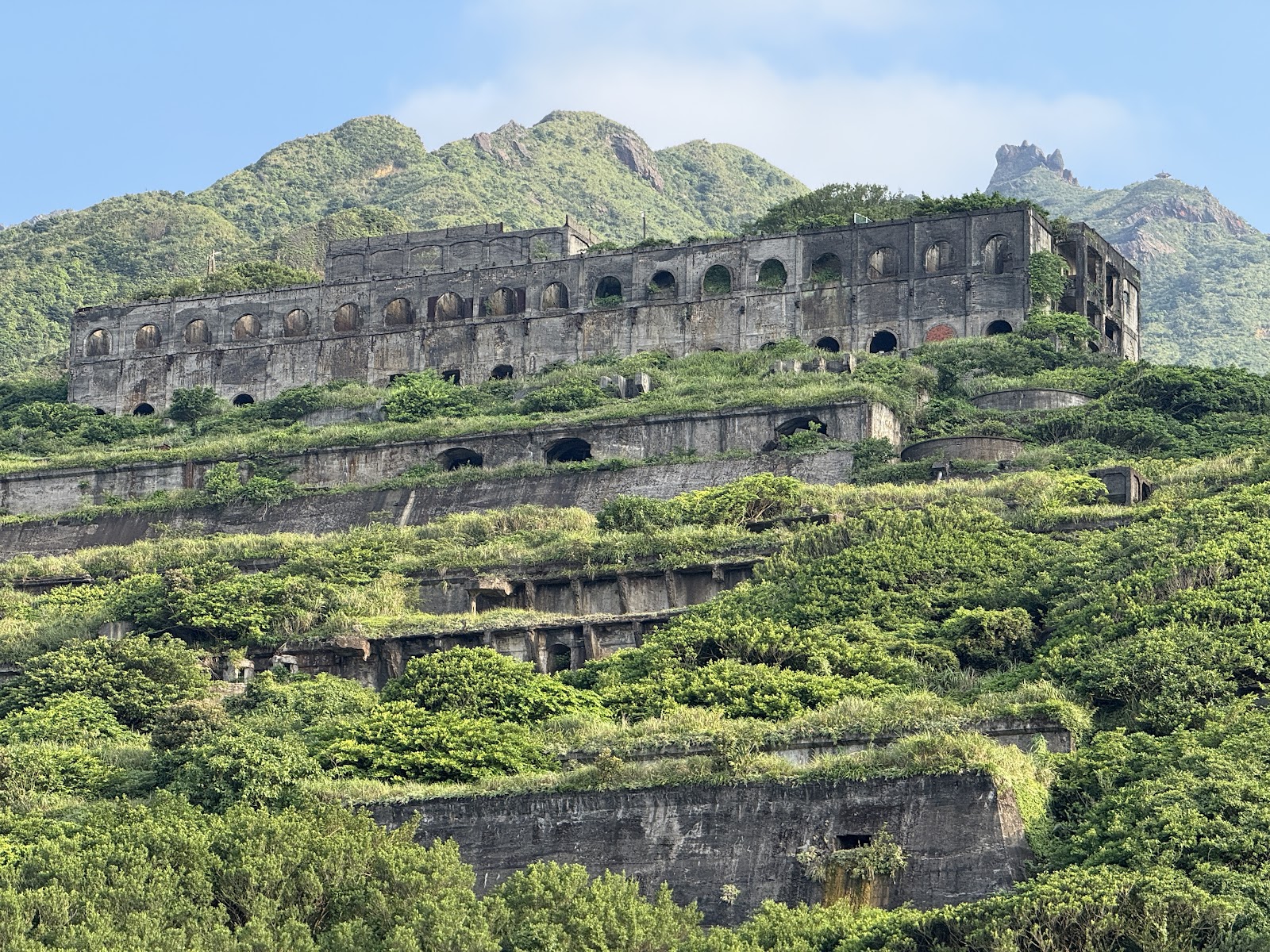
Taiwan’s Remains of the 13 Levels pairs dramatic coastal scenery with important industrial history, but access is limited to exterior viewpoints.
More photos

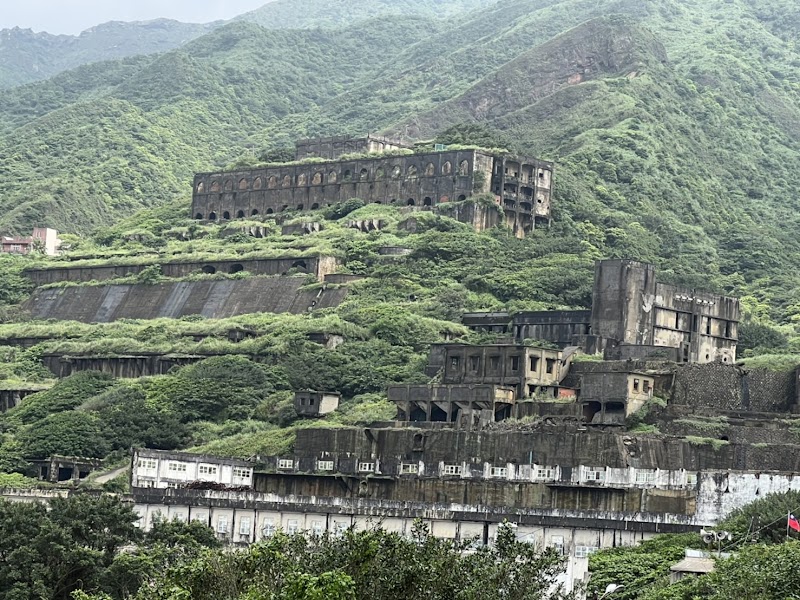
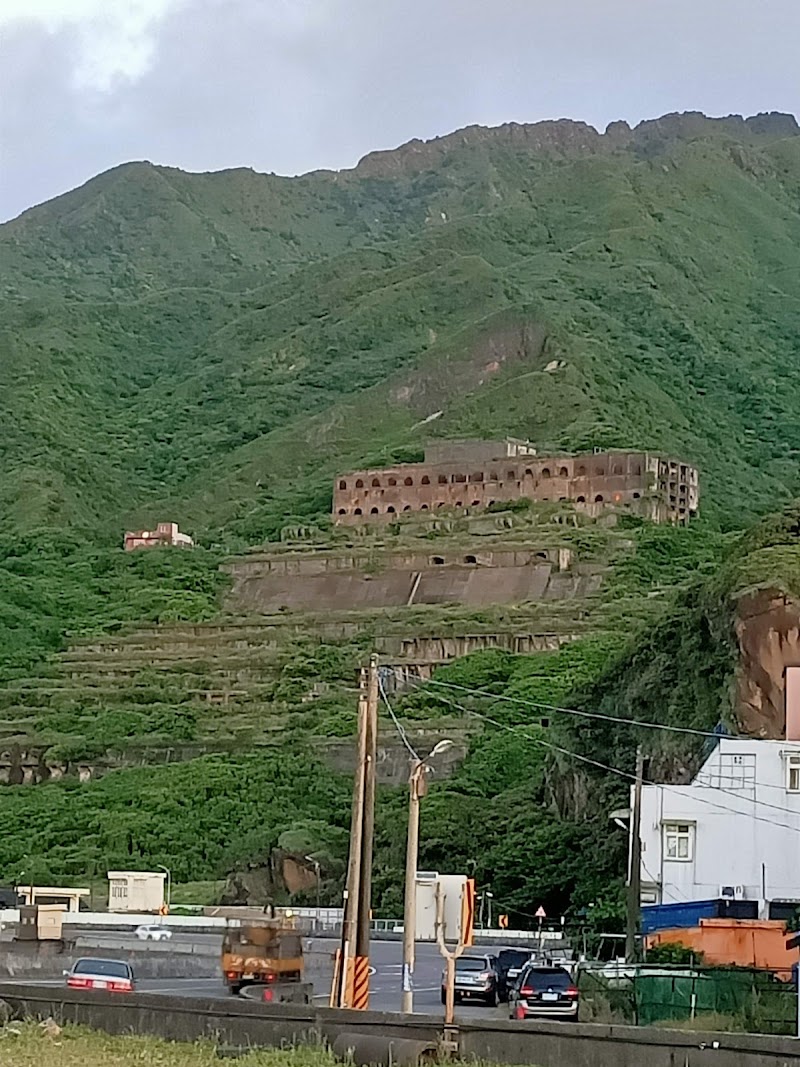
Photos published by travelers on Google, not AI generated.
What stands out
- Historic gold and copper refinery remains
- Dramatic hillside industrial structures
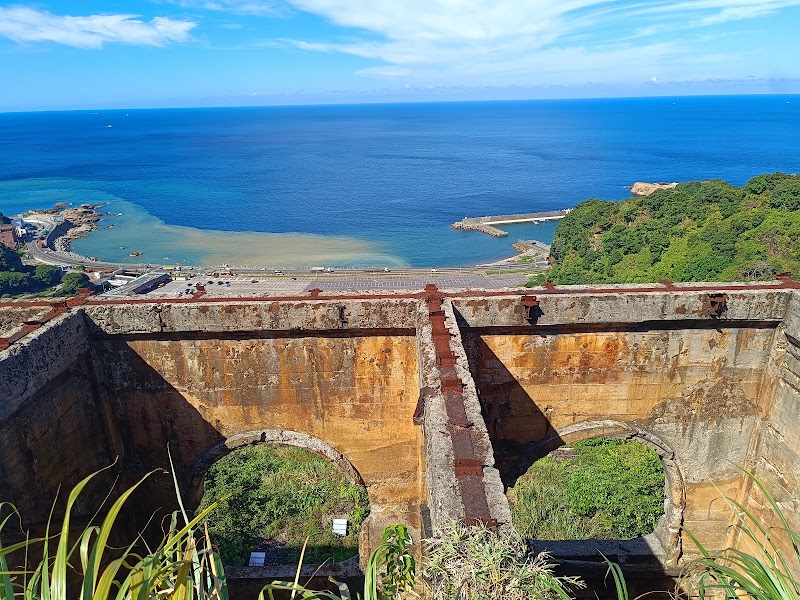
- Ocean and mountain backdrop
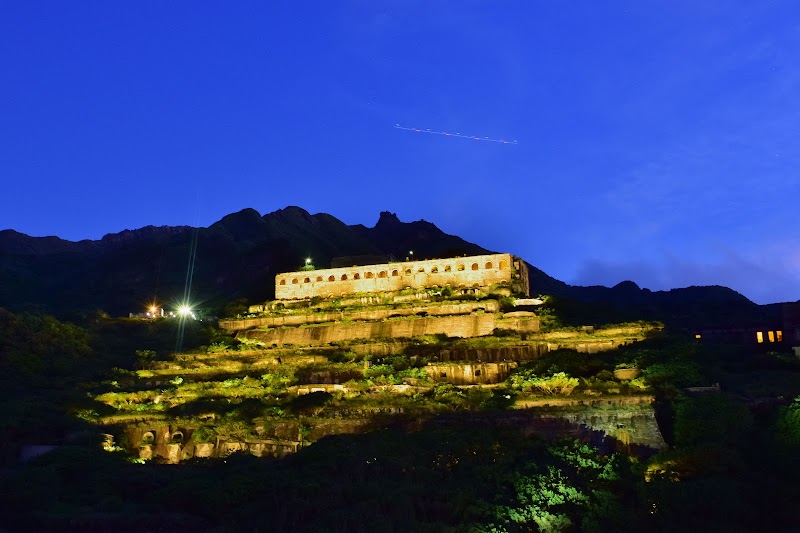
- Atmospheric photography subject
Worth knowing
- Entry to the ruins is restricted
- Some buildings are only visible from the road
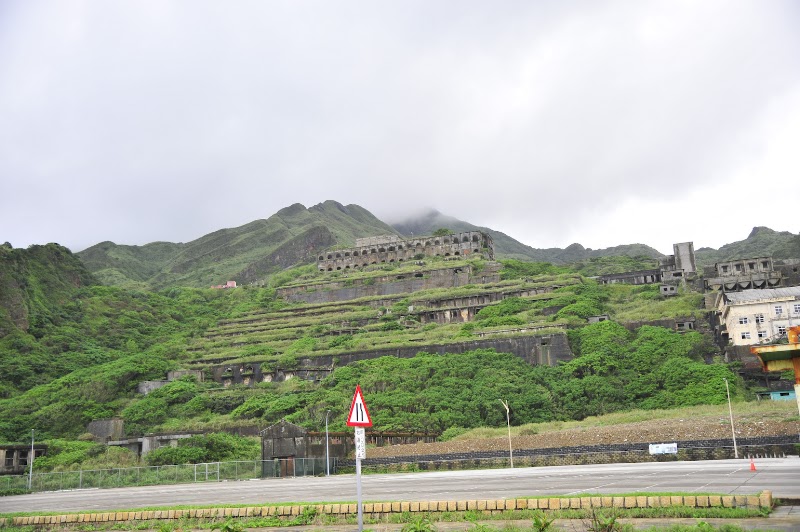
- Steep hills, rain and fog can hinder viewing
Don't miss
What comes up most in public reviews
- View the Remains of the 13 Levels from permitted areas
- Learn about the former gold and copper refinery
Worth the trip?
Why this landmark stands out
The Ruin of Shui Nam Cave Refinery, commonly identified in reviews as the Remains of the 13 Levels or Shuinandong Smelter, is one of northeastern Taiwan’s most visually distinctive industrial sites. Public feedback gives it a Google rating of 4.4 from 2111 reviews, with visitors repeatedly highlighting its history, atmosphere and imposing position above the coast.
Reviewers describe a former gold and copper refinery whose weathered concrete structures now rise across the hillside. One account dates its construction to 1933 during the Japanese era, followed by continued operation under Taiwan before the plant closed in 1973 after the ores were exhausted. Those details help explain why the ruins feel more substantial than a simple abandoned building. They represent a visible chapter in the area’s mining and processing history.
What visitors can expect
The main appeal is visual. Stacked industrial remains sit against mountains and the ocean, creating a stark landscape that several reviewers find atmospheric and photogenic. The scale is best appreciated from outside rather than through close inspection of individual structures.
That distinction matters because access appears restricted. One detailed review reports that visitors can only peer through fencing and see the buildings from the road above. The same account mentions warning signs and a posted fine for entering. The ruins should therefore be treated as a viewing landmark, not an abandoned complex open for exploration.
Some structures may also be difficult to see clearly from road level. A nearby cafe, reached by a steep downhill route, is mentioned as having a view toward the front of one building, though this appears to be an alternative perspective rather than direct access to the refinery.
Weather and practical considerations
Conditions can make or break the stop. A reviewer who arrived during heavy rain found that fog obscured the view, reducing the impact of the hillside structures. A clear, dry day should offer the strongest chance of seeing the refinery, mountains and coastline together.
The steep roads and hills also deserve consideration. Reviews suggest that reaching certain viewpoints can involve noticeable gradients, while the legal viewing areas may not provide equally good sightlines to every level. Visitors expecting to walk among the ruins are likely to be disappointed. Those interested in industrial heritage, coastal photography or the wider mining history of the region should find more value in the stop.
Editorial verdict
Synthesized public feedback presents the Ruin of Shui Nam Cave Refinery as a compelling historical landmark with a dramatic setting, but also as a site whose limitations should be understood in advance. It works best as part of a broader northeastern coast itinerary rather than as a destination built around extensive on-site exploration.
The strongest experience comes from studying the refinery’s history, viewing the tiered remains from permitted areas and allowing clear weather to reveal the surrounding landscape. The ruins are evocative, but fencing, restricted entry and uneven visibility keep the visit relatively brief.
Ask anything
Looking for somewhere else?
Keep exploring
More from Taiwan
Taiwan · Xinying Village
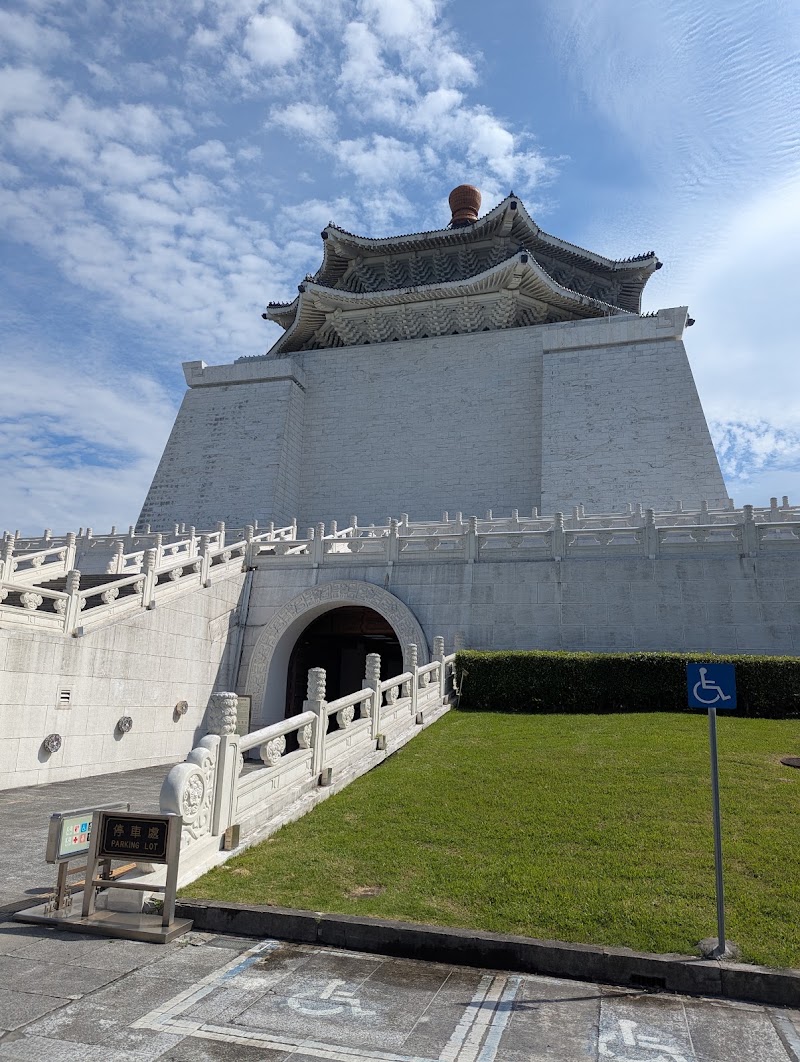
Daxiao Gate: A Grand Entrance to a Peaceful Park
Highly rated for its architecture and setting, Daxiao Gate leads into expansive grounds associated with Chiang Kai-shek Memorial Hall.
Taiwan · Wenqing Village
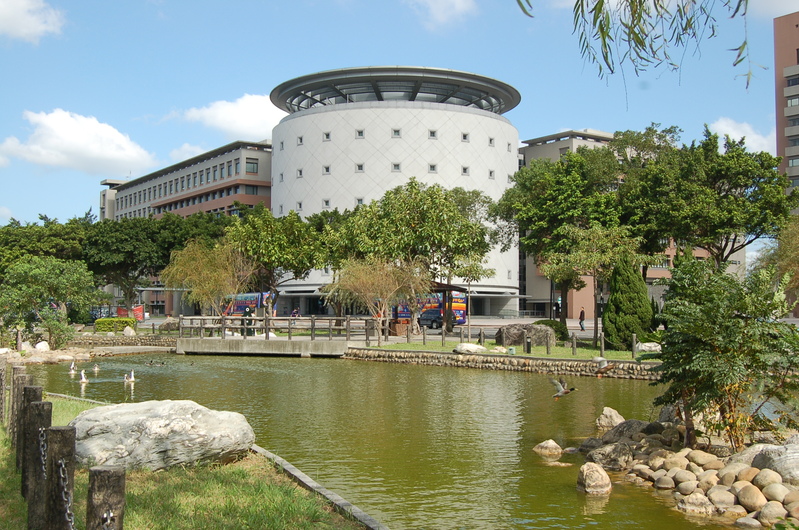
Formosa Plastics Group Museum: Industry and Ideas
A multi-floor museum in Wenqing Village tracing Formosa Plastics Group, Taiwan’s industrial development and changing approaches to sustainability.

Taiwan · Nanwang Village
Peinan Site: Prehistory and Open Space Near Taitung
An expansive archaeological park near Taitung Station, Peinan Site combines prehistoric interpretation, family space and an adjoining museum visit.
Taiwan
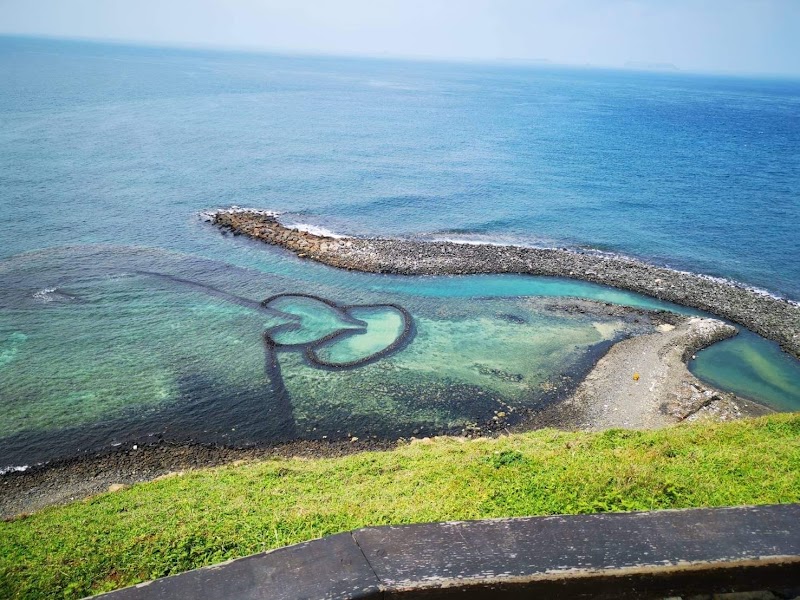
Twin Hearts Stone Weir: Qimei’s Coastal Landmark
This double-heart fish trap on Taiwan’s Qimei Island combines traditional coastal engineering with a memorable viewpoint over the sea.