Royal history on a grand scale at El Escorial
A vast palace-monastery complex where monumental architecture, royal history, sacred art and mountain views reward an unhurried visit.
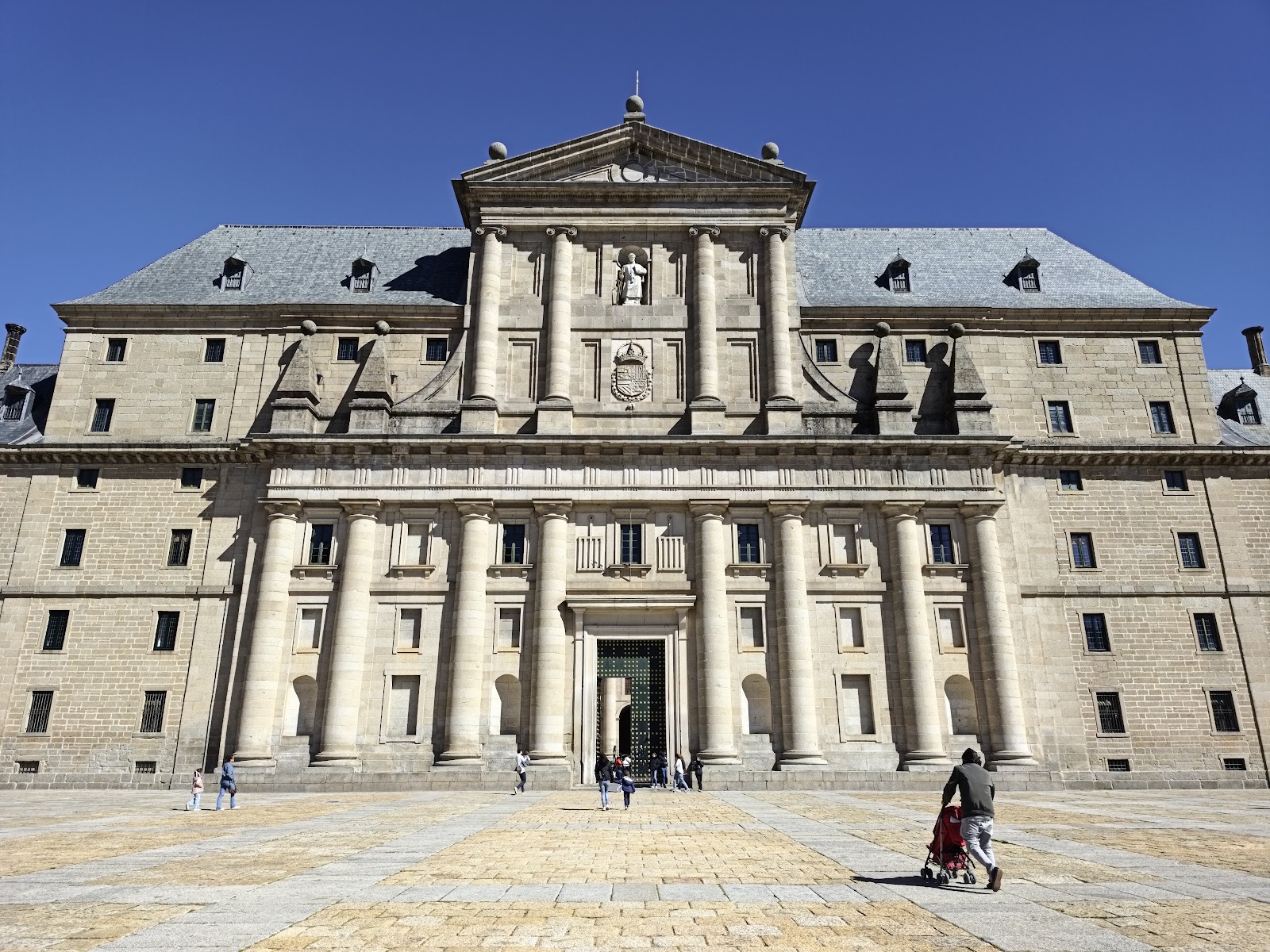
More photos
Photos published by travelers on Google, not AI generated.
What stands out
- Monumental palace and monastery architecture
- Magnificent basilica interiors
- Frescoes and painted ceilings
- Historic library
- Gardens and surrounding views
Worth knowing
- Allow at least two to three hours to avoid rushing
Don't miss
What comes up most in public reviews
- Visit the Royal Pantheon
- Look up at the basilica frescoes
- Explore the historic library
- Walk through the gardens
- Consider a guide for royal history
Worth the trip?
Why it stands out
Public feedback is unusually enthusiastic about the Royal Site of San Lorenzo de El Escorial. Its 4.7 Google rating from 37388 reviews reflects a consistent sense of awe at the complex’s scale, architecture and historical weight. Travellers frequently rank it among their favourite excursions in Spain, particularly as a day trip from Madrid.
The appeal comes from the combination rather than a single room or collection. Palace interiors, religious spaces, royal burials, gardens and views all contribute to an experience that feels both monumental and contemplative. Reviewers repeatedly describe the surroundings as peaceful, while the building’s imposing exterior creates an immediate sense of occasion.
Architecture, art and sacred spaces
The basilica is one of the clearest highlights in public reviews. Visitors praise its grand proportions, spiritual atmosphere, frescoes and painted ceilings. Even among a complex filled with elaborate interiors, this is the space most likely to stop people in their tracks.
The historic library receives similarly strong praise. Its decorated ceiling and old-world character make it more than a supporting attraction, with some reviewers calling it a masterpiece in its own right. The Royal Pantheon is another recurring favourite. Its royal tombs give the site’s political and dynastic history a tangible focus, balancing the visual splendour elsewhere.
Outside, the gardens and elevated views provide a calmer counterpoint to the formal interiors. Reviews often mention the scenery around the monastery, suggesting that time spent looking outward is as worthwhile as moving between rooms.
History that benefits from context
The Royal Site was created under King Philip II in the 16th century, and its mixture of palace, monastery, basilica and royal burial place can be difficult to absorb as architecture alone. Public feedback indicates that historical context significantly improves the visit. One guided-tour review particularly valued stories about the king and his family, which made the palace spaces feel more immediate.
A guided visit therefore suits travellers interested in royal history, art or architecture. A self-guided route can still work well, especially for those who prefer quiet observation, but some advance reading would help connect the rooms, artworks and religious functions.
Planning the visit
Reviews support allowing at least two to three hours, effectively making this a half-day attraction. The amount of architecture and decoration can make a rushed circuit feel superficial, particularly when the basilica, library, Pantheon and gardens all merit attention.
Early arrival appears to offer the best chance of a quieter experience. One reviewer who entered first enjoyed a relatively peaceful self-guided tour, while another reported quick entry around 9:30am. Advance ticket purchase is available and may still be sensible for a planned Madrid excursion.
The site can be reached from Madrid by train, according to public feedback. That accessibility strengthens its case as a rewarding day trip, but the complex itself deserves more than a brief stop before returning to the city.
Plan the rest of the trip
Ask anything
Looking for somewhere else?
Keep exploring around San Lorenzo de El Escorial
More from Spain
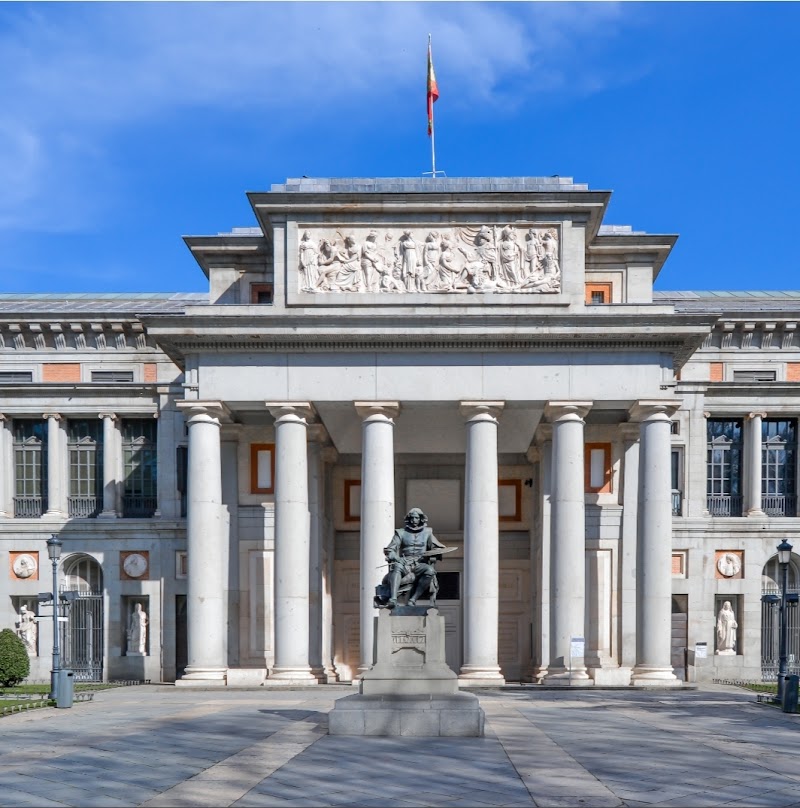
Spain · Madrid
Museo Nacional del Prado: Madrid’s Essential Art Stop
Public reviews consistently praise the collection, with Velázquez, Caravaggio and the main galleries making the Prado worth several focused hours.

Spain · San Lorenzo de El Escorial
Valle de Cuelgamuros: Monumental Scale Near San Lorenzo
Public reviews describe a striking stop for the vast basilica, mountain setting and enormous cross, with guided visits adding historical context.
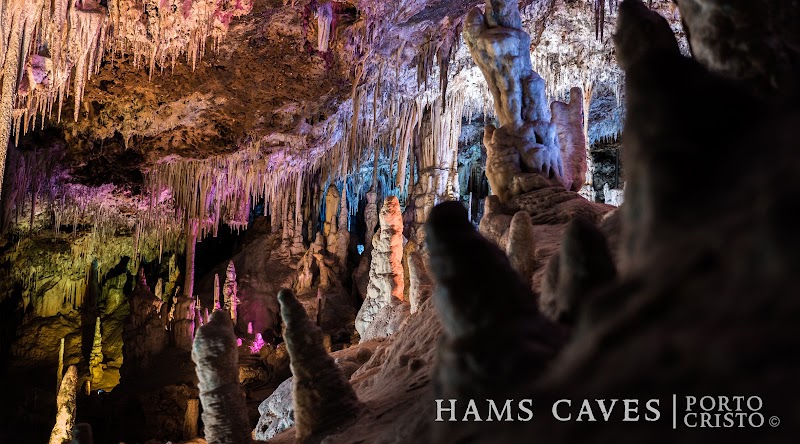
Spain · Porto Cristo
Hams' Caves: A Family-Friendly Underground Tour Near Porto Cristo
Hams' Caves offers a roughly hour-long visit with films, music and striking rock formations, making it a practical stop for families near Porto Cristo.
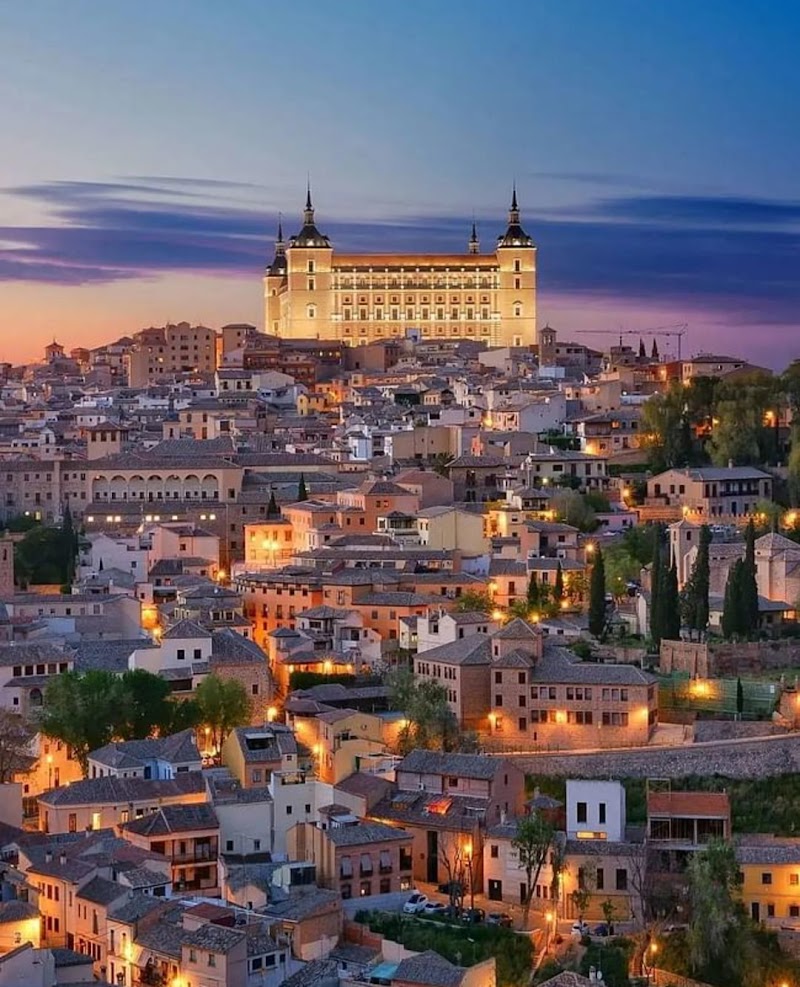
Spain · Toledo
Alcázar de Toledo: Military History Above the City
The Alcázar combines a commanding Toledo viewpoint with a large military museum inside one of the city’s defining historic buildings.