Royal Palace of King Parakramabahu: Monumental Ruins
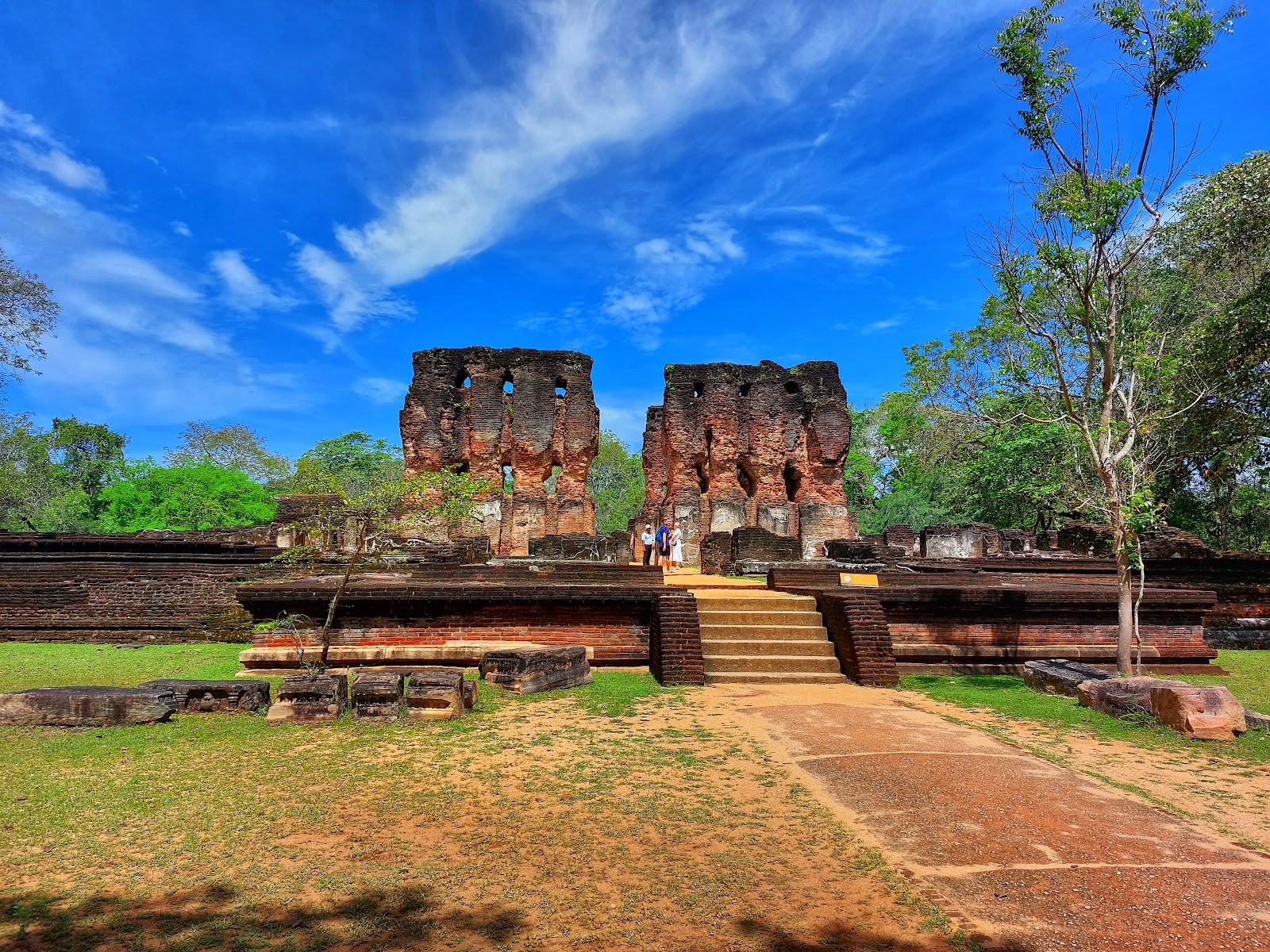
Massive brick walls and traces of timber construction reveal the scale of this ancient royal complex in Polonnaruwa.
More photos

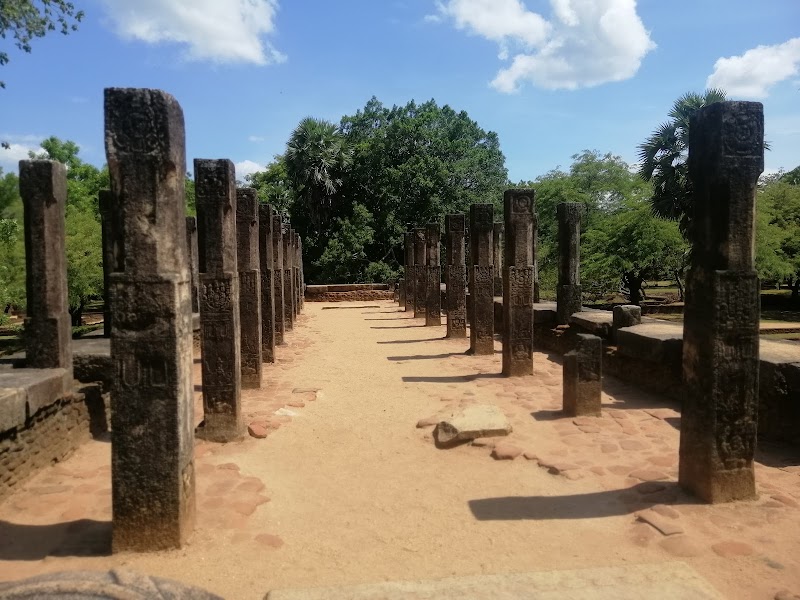

Photos published by travelers on Google, not AI generated.
What stands out
- Massive surviving brick walls
- Openings once used to support wooden beams
- Clearly planned palace layout
- Calm archaeological surroundings
Worth knowing
- Unclear signs and starting points
- Wider monument park is not easily walkable
- Monkeys around the grounds
Don't miss
What comes up most in public reviews
- Inspect the beam openings in the brick walls
- Walk around the palace foundations
- Buy the entrance ticket at the museum
- Use a bicycle or tuk-tuk for the wider park
Worth the trip?
Why the palace stands out
The Royal Palace of King Parakramabahu is one of the most imposing ruins within Polonnaruwa’s extensive archaeological landscape. Based on its Google rating of 4.7 from 1356 reviews, visitors respond particularly strongly to the scale of the surviving structure. Although the wooden upper levels have disappeared, the substantial brick walls still suggest how commanding the palace once looked.
Public reviews repeatedly describe the experience of walking among these remains as fascinating or impressive. The appeal lies less in elaborate decoration than in mass and proportion. High walls, broad foundations and a clearly planned layout allow visitors to picture a large royal building rather than an isolated monument. For travellers interested in ancient construction, the palace is among the most visually legible stops in the wider site.
Architecture visible in the ruins
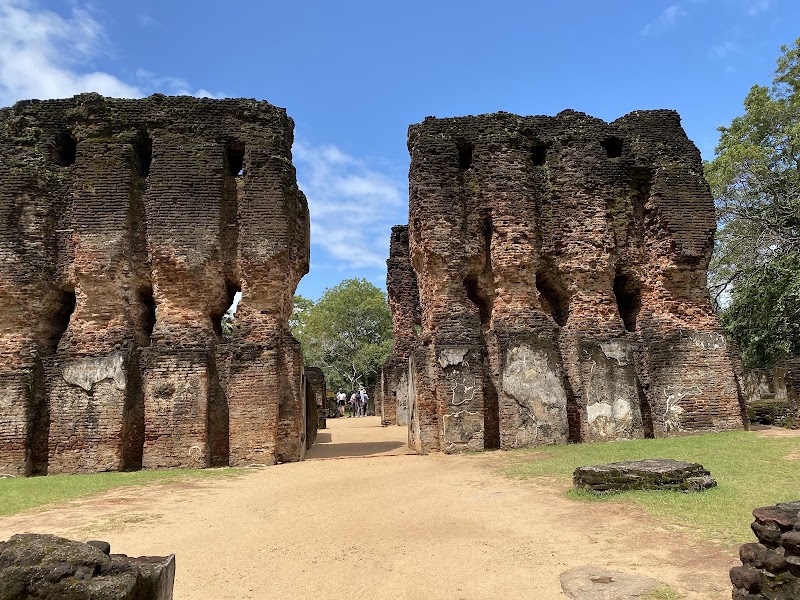
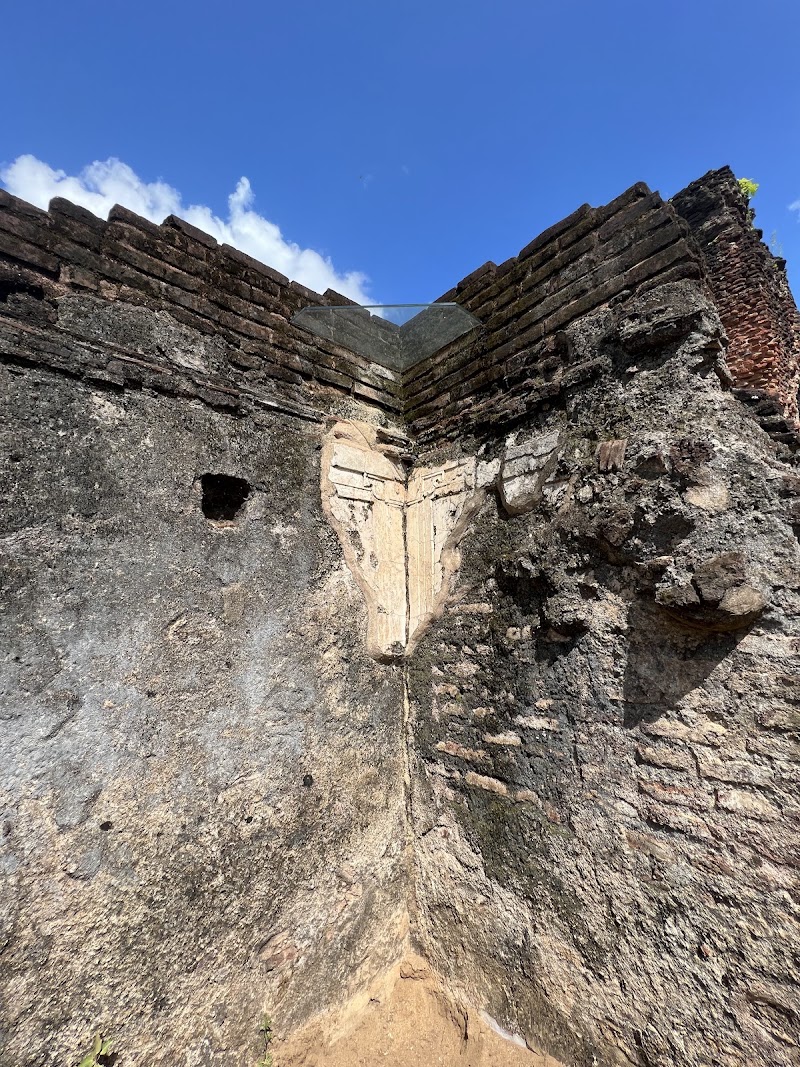
The palace’s thick brickwork is its defining feature. Reviewers notice rows of carefully arranged openings in the walls, which once held wooden beams supporting the upper floors. Those timber sections were lost to fire, leaving the masonry as the dominant surviving element. This contrast between durable brick and vanished wood helps explain the building’s present form.
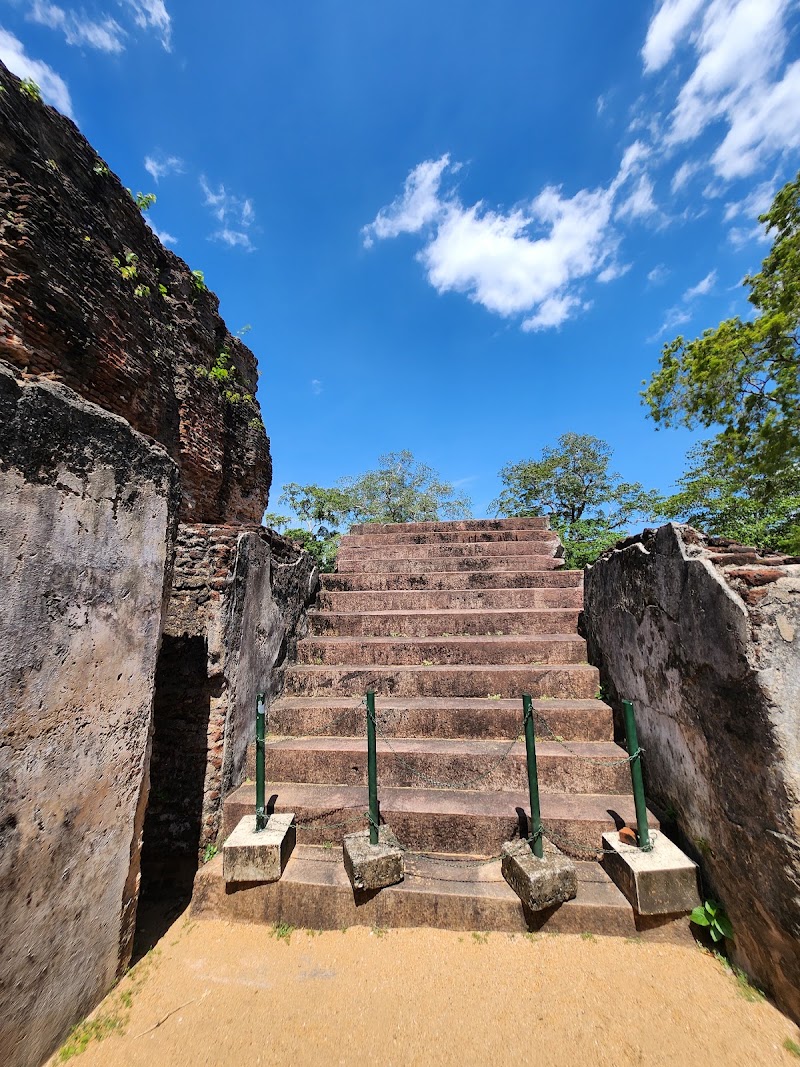
Even without intact rooms or upper storeys, the footprint communicates considerable ambition. Travellers often mention the advanced planning and architectural skill represented by the layout. The ruins invite a slow circuit, with attention paid to wall thickness, beam holes and the relationship between the surviving spaces. Some visitors also praise the calm surroundings and the preserved character of the broader archaeological area.
Getting around the wider site
The palace forms part of a large park containing many historical monuments. Reviews caution that the overall area is too extensive for most people to cover comfortably on foot. Cycling is a recurring choice, while several travellers recommend hiring a tuk-tuk to move between ruins. The palace can therefore work best as one stop on a planned circuit rather than as a completely separate outing.
Tickets are reported as being sold at the museum. However, at least some visitors find the onward route and suggested starting point poorly signposted. A map on a phone can be useful for locating the palace and arranging an efficient order for the surrounding monuments. Travellers relying only on signs may spend extra time working out where to begin.
Overall verdict
The Royal Palace rewards visitors who enjoy monumental ruins and architectural clues rather than reconstructed interiors. Its strongest qualities are the huge surviving walls, visible beam openings and a layout that still conveys the authority of the Polonnaruwa period. The limited signage is the main practical weakness, and the size of the archaeological park requires transport planning.
Monkeys are also commonly seen around the wider grounds. With a bicycle, tuk-tuk or reliable map, visitors can concentrate on the history instead of navigating between widely spaced remains. The palace deserves a prominent place on a Polonnaruwa ruins itinerary, especially for travellers drawn to ancient engineering and royal architecture.
Ask anything
Looking for somewhere else?
Keep exploring around Polonnaruwa
More from Sri Lanka

Sri Lanka · Dambulla
Dambulla Rock Inscription and the Wider Cave Complex
Strong reviews praise Dambulla’s caves, paintings and Buddha statues, though they offer little detail about the rock inscription itself.
Sri Lanka · Sigiriya
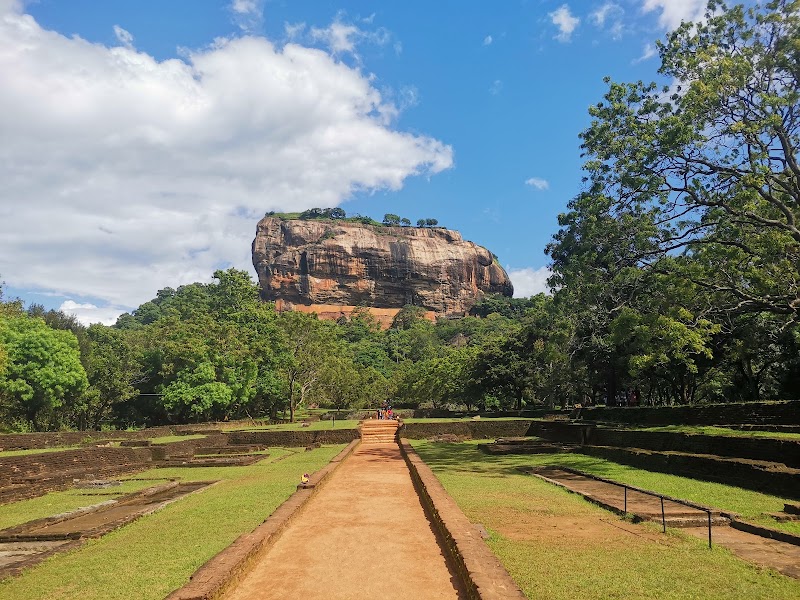
Preaching Rock: Elevated Views Across Sigiriya
Travellers praise the rewarding climb and broad views, while warning that heat, crowds and bottlenecks can complicate the experience.
Sri Lanka · Polonnaruwa
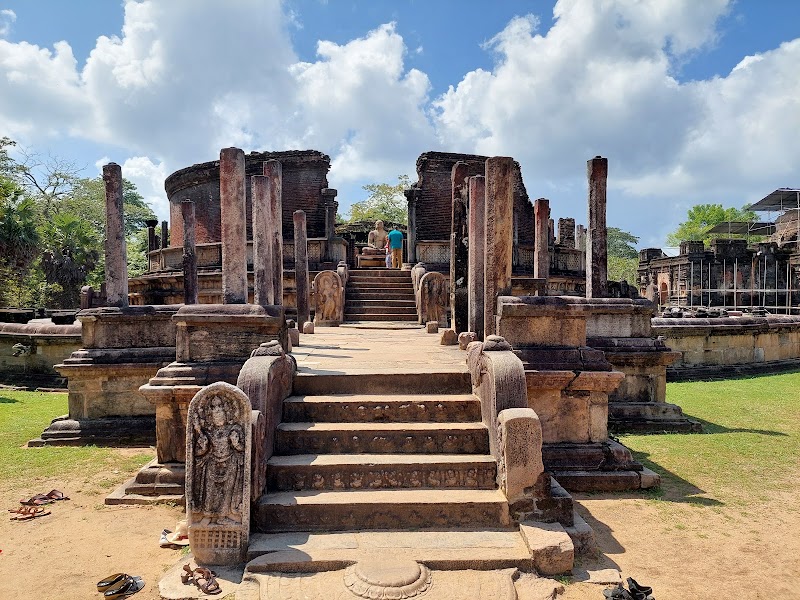
Vatadage: Polonnaruwa’s Refined Circular Relic House
Intricate carvings, balanced architecture and serene Buddha statues make the Vatadage a standout within Polonnaruwa’s ancient city.
Sri Lanka · Nissankamallapura
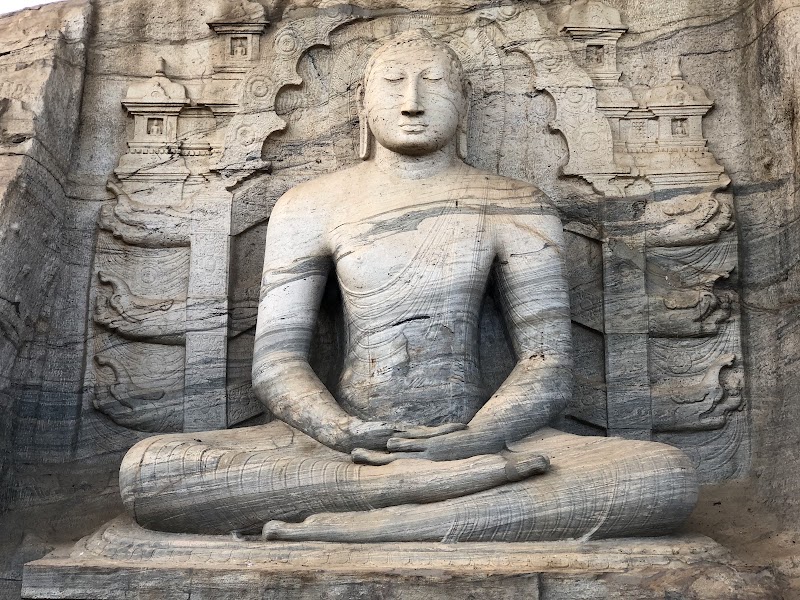
Gal Viharaya: Polonnaruwa’s Monumental Rock-Cut Buddhas
Four Buddha figures carved into granite make this sacred Polonnaruwa landmark a compelling stop for history, art and Buddhist culture.