Royal Palace of Cambodia: Khmer grandeur in Phnom Penh
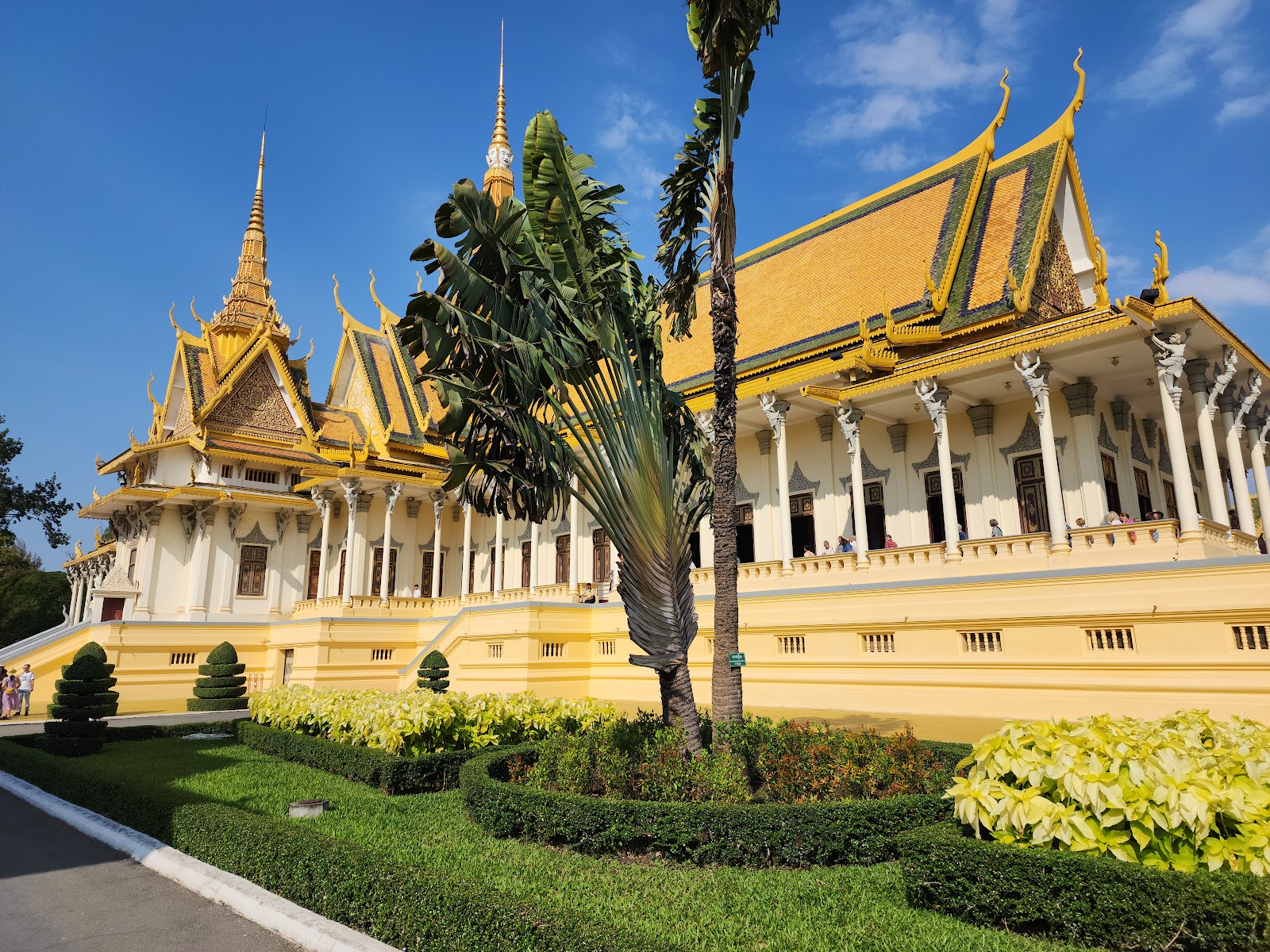
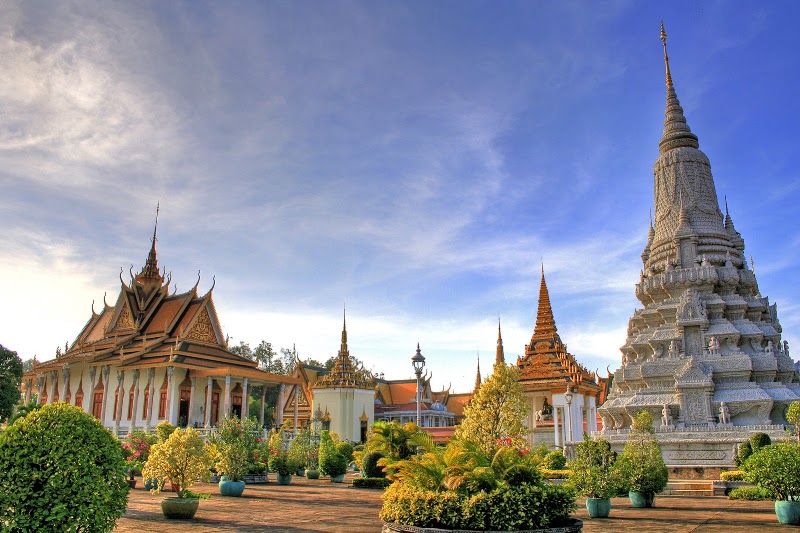
Elegant pavilions, formal grounds and the Silver Pagoda make this palace complex one of Phnom Penh’s most rewarding historical landmarks.
More photos
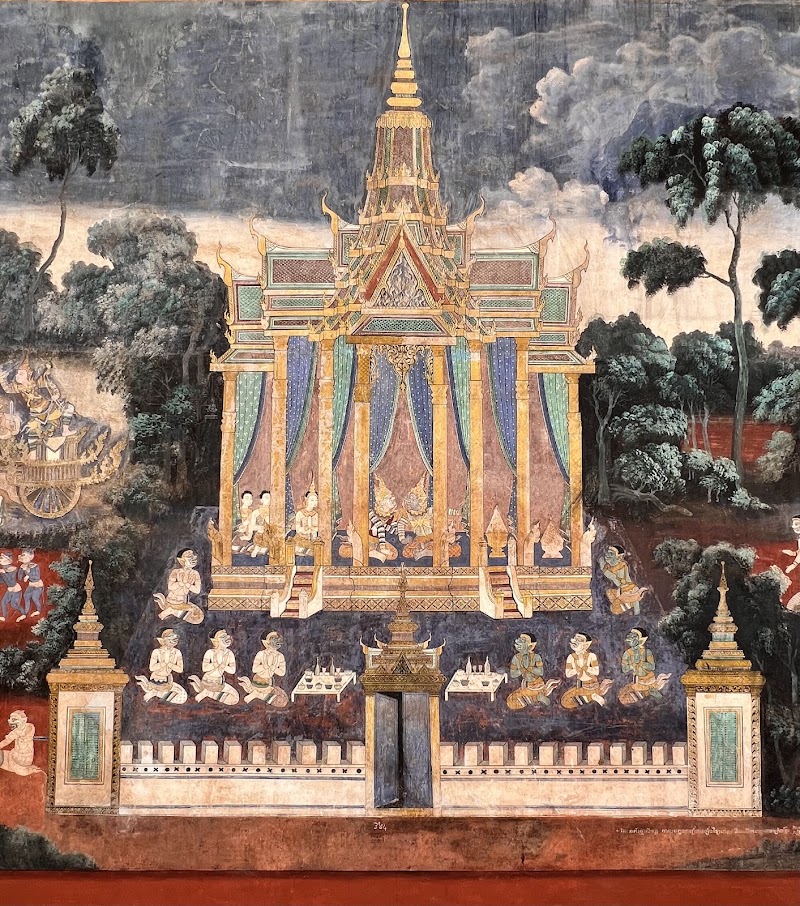
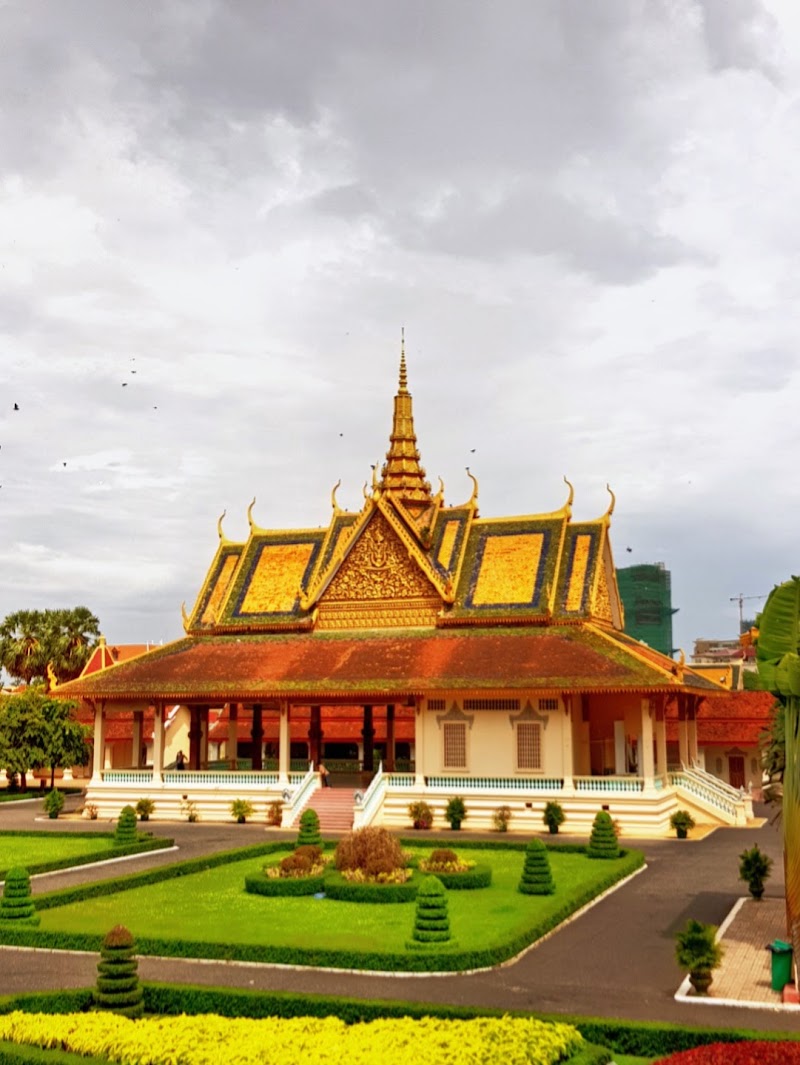
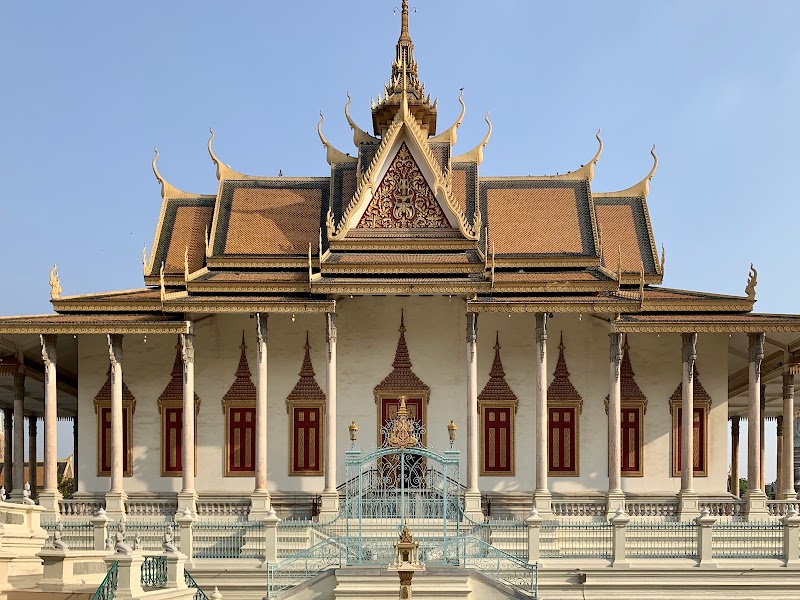
Photos published by travelers on Google, not AI generated.
What stands out
- Ornate Khmer architecture
- Well-maintained palace grounds
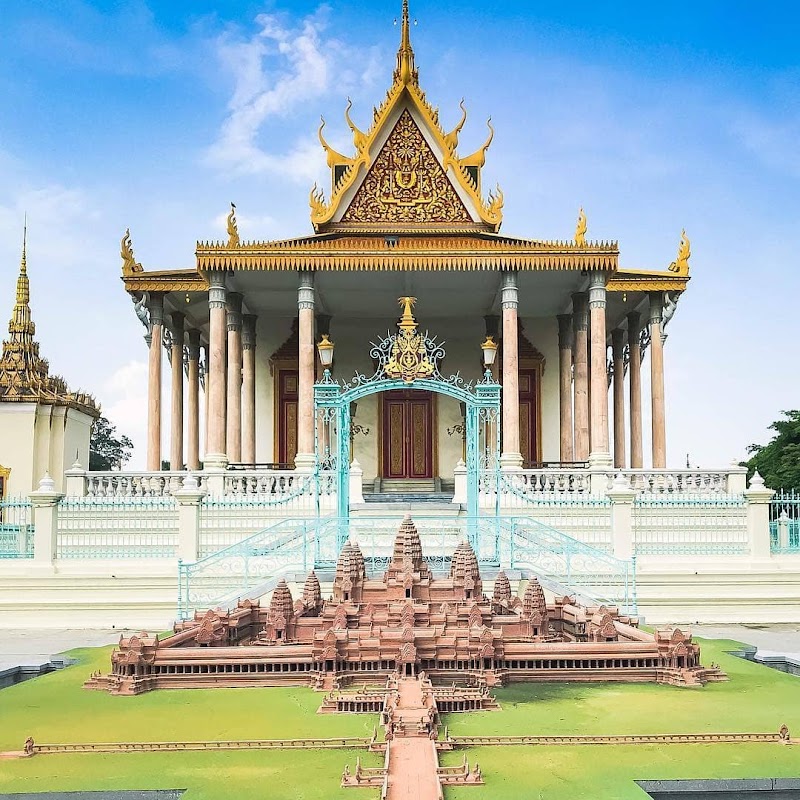
- Silver Pagoda
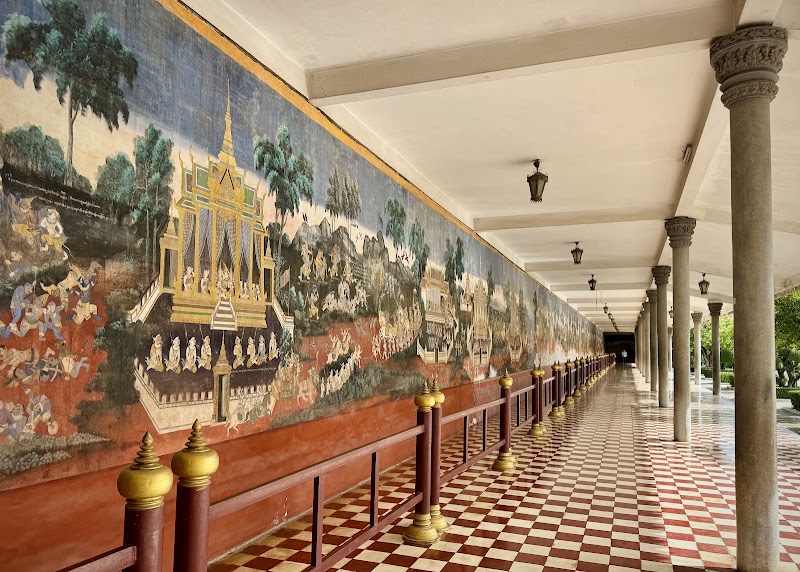
- Historical objects and artwork
- Fragrant formal gardens
Worth knowing
- Some royal areas are off-limits
- The route may not allow backtracking
- Check photography rules at the Silver Pagoda
Don't miss
What comes up most in public reviews
- Explore the Silver Pagoda
- Study the palace pavilions and decorative art
- Walk through the formal gardens
- View the accessible historical displays
Worth the trip?
Why it stands out
The Royal Palace of Cambodia earns a Google rating of 4.3 from 13704 reviews, with visitors repeatedly praising its Khmer architecture, decorative art and carefully maintained grounds. The complex offers a vivid introduction to Cambodia’s royal heritage through ornate pavilions, historical objects and formal gardens filled with fragrant flowers.
Public feedback often describes the buildings as glamorous, impressive and exceptionally photogenic. Several visitors say the palace creates a strong sense of stepping into another period, helped by the preservation of its architecture and ceremonial setting. Its location close to Phnom Penh’s riverfront also makes it convenient to combine with other central sights.
What the visit is like
The grounds are larger than some visitors expect, although public access covers only part of the working royal complex. The current king’s residence cannot be entered, and other sections may also be closed. Even with those limitations, reviewers generally find enough architecture, artwork and historical material to make the visit worthwhile.
The Silver Pagoda is one of the principal attractions. It draws attention for its silver floor and religious setting, but reviews indicate that photography controls can be sensitive in this area. Visitors should check signs and instructions before using a phone or camera, even for non-photographic purposes.
Experiences with staff are mostly described positively, though at least one reviewer reports an upsetting misunderstanding with a guard near the Silver Pagoda. This appears to be an isolated complaint rather than the dominant pattern, but it reinforces the value of following local instructions carefully.
Timing and pace
One reviewer who arrived shortly after opening on a Saturday found the grounds uncrowded, making early morning the strongest review-supported time to visit. A quieter start also allows more space for photographs and closer attention to architectural details before larger groups arrive.
The visitor route may be controlled in one direction. Reviewers warn that once a section has been passed, returning to it may not be permitted. That makes a slow, deliberate pace preferable, particularly around the pavilions and pagodas. An independent visit should allow roughly two hours, depending on interest in photography and historical displays.
Guides may provide context, but quality and pacing can vary. One reviewer felt rushed through the complex in about 30 minutes and could not retrace the route afterward. Anyone considering a guide should agree on the expected duration and pace before beginning.
Overall verdict
Synthesized feedback presents the Royal Palace as a polished, visually striking landmark with real historical interest. Some visitors question the overall value because interiors and royal areas remain inaccessible, yet many still leave glad they went. The strongest experience comes from arriving early, respecting photography restrictions and taking time at each accessible section before moving forward.
Ask anything
Looking for somewhere else?
Keep exploring around Phnom Penh
More from Cambodia
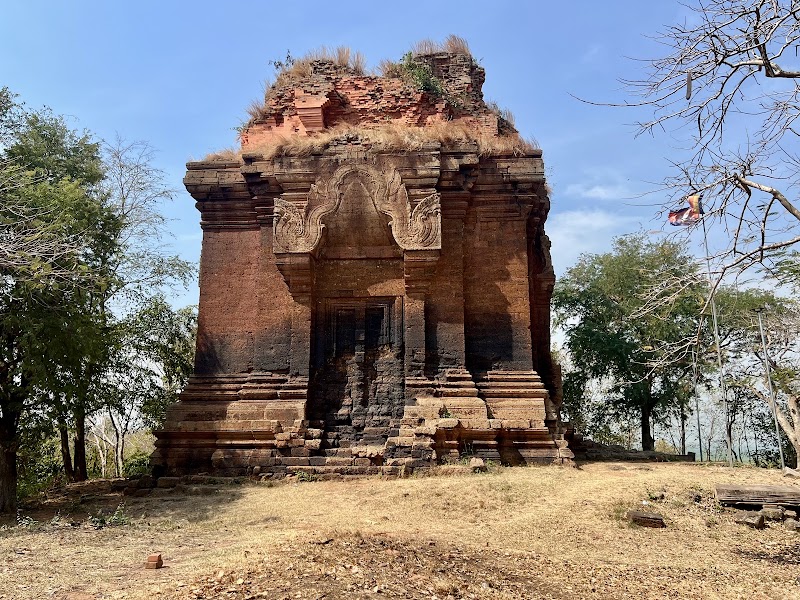
Cambodia · Angkor Borei
Phnom Da Temple: Hilltop History in Angkor Borei
An atmospheric hilltop temple where a short stair climb leads to ancient Khmer architecture, broad landscapes and a notably quiet setting.
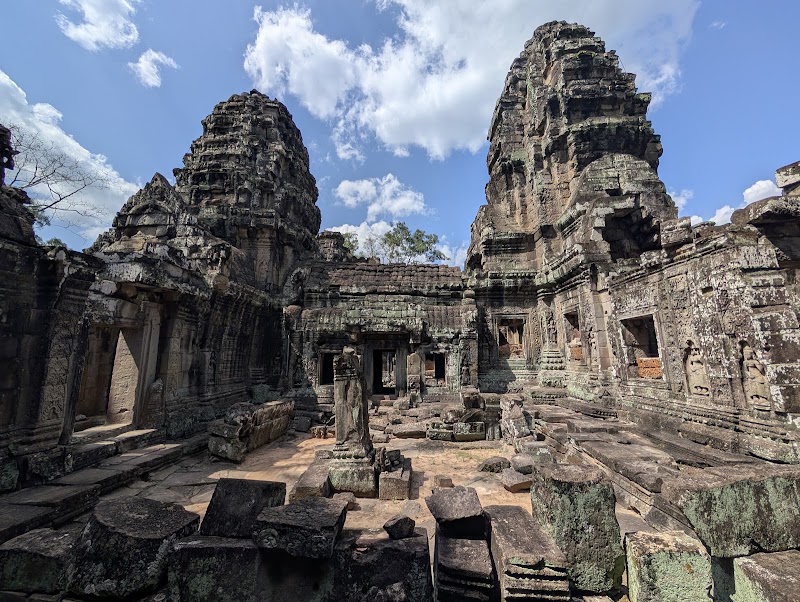
Cambodia · Krong Siem Reap
Banteay Kdei offers a calmer walk through Angkor’s ruins
Long corridors, apsara carvings and tree-framed stonework make this an appealing, easily accessed stop opposite Srah Srang.
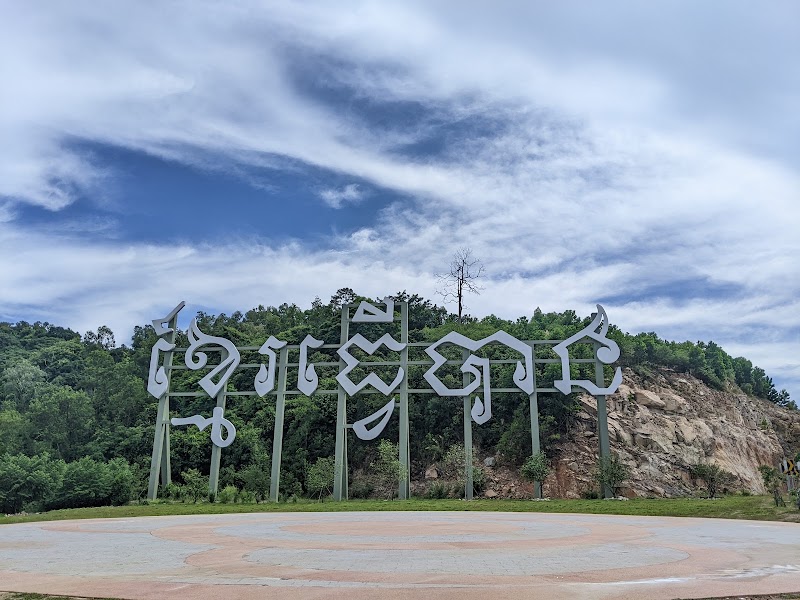
Cambodia
Cambodian Can Do It: A Scenic Sihanoukville Viewpoint
Public reviews highlight a photogenic hilltop panorama where the sea, mountains and Sihanoukville surroundings come together.
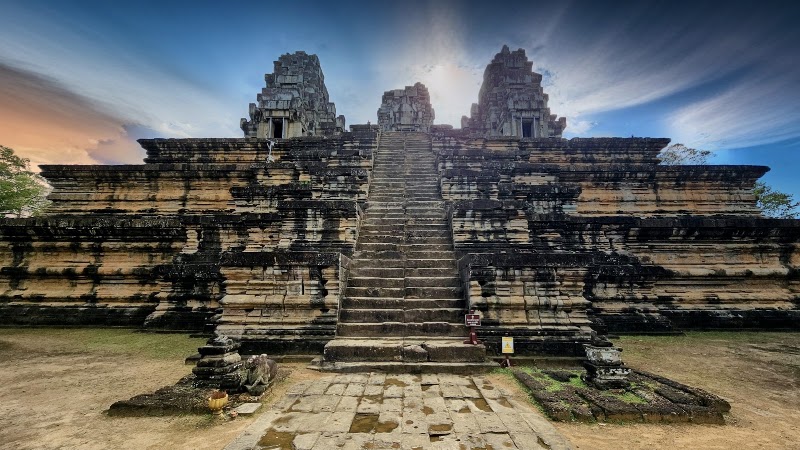
Cambodia · Krong Siem Reap
Ta Keo Temple: A Steep Sandstone Pyramid at Angkor
Ta Keo rewards a short stop with imposing tiered architecture, an unfinished character and broad views after a demanding climb.