Royal Monastery of Santa María de Guadalupe review
Extraordinary architecture and sacred art make this a standout visit, though Spanish-only tours and restrictive arrangements require planning.
More photos
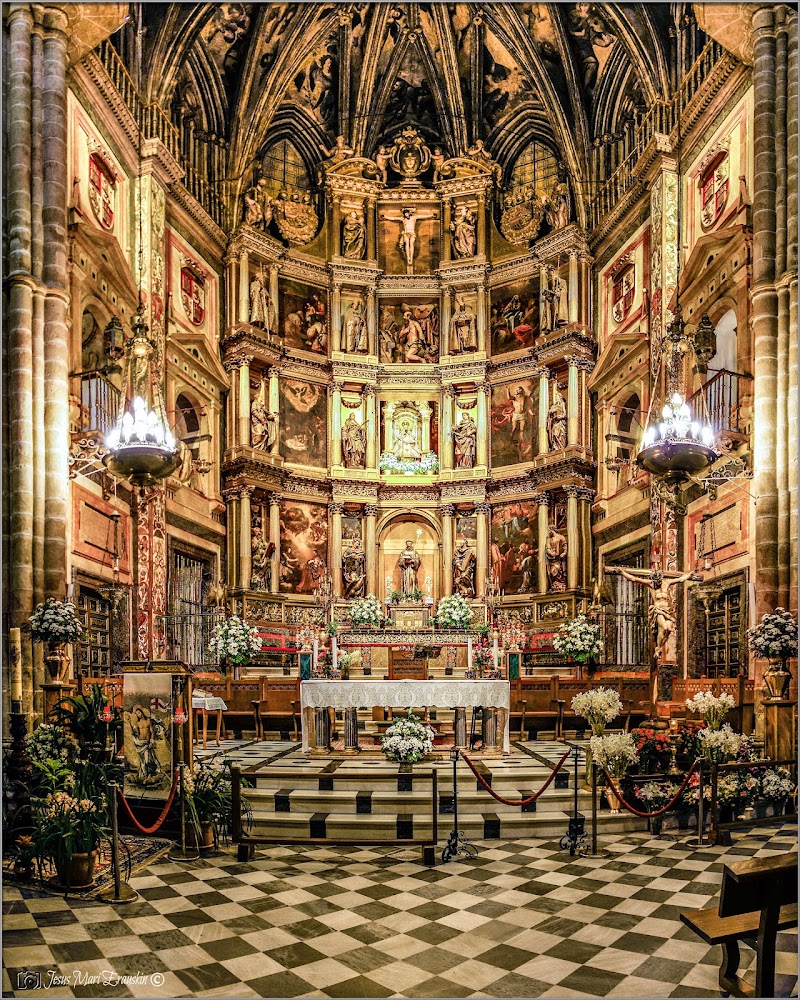

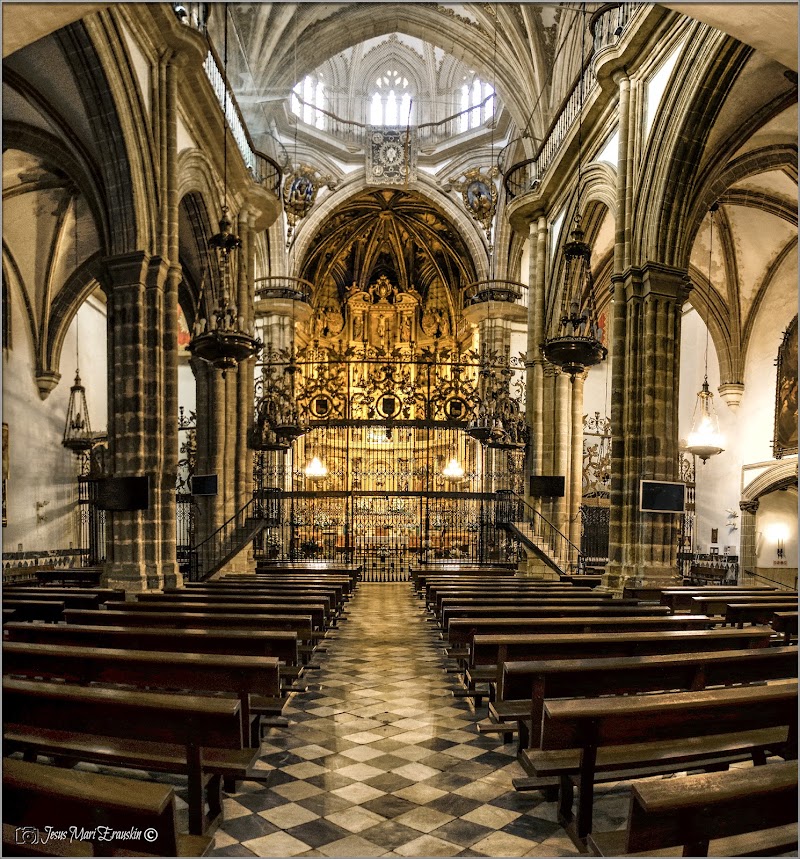
Photos published by travelers on Google, not AI generated.
What stands out
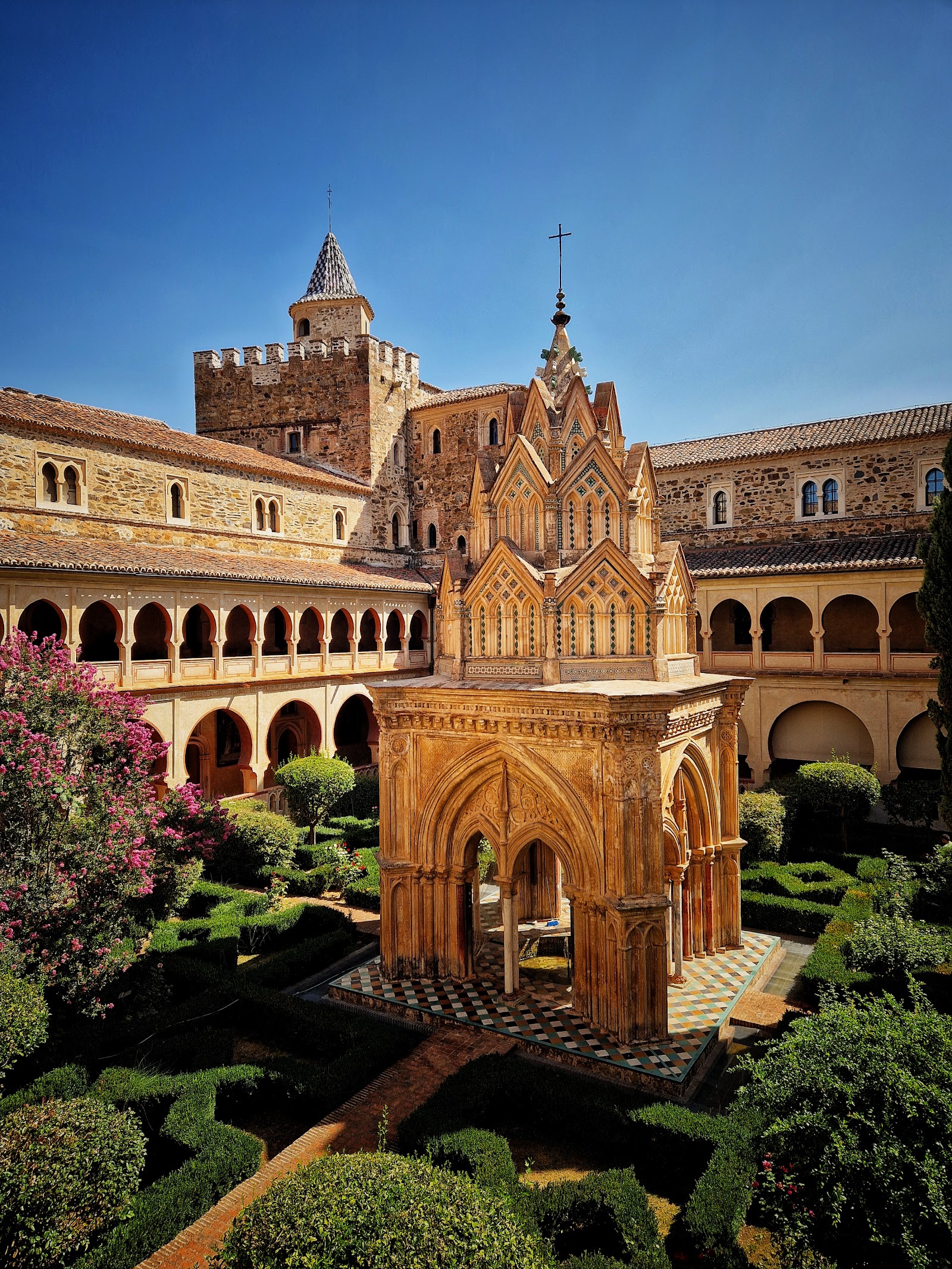
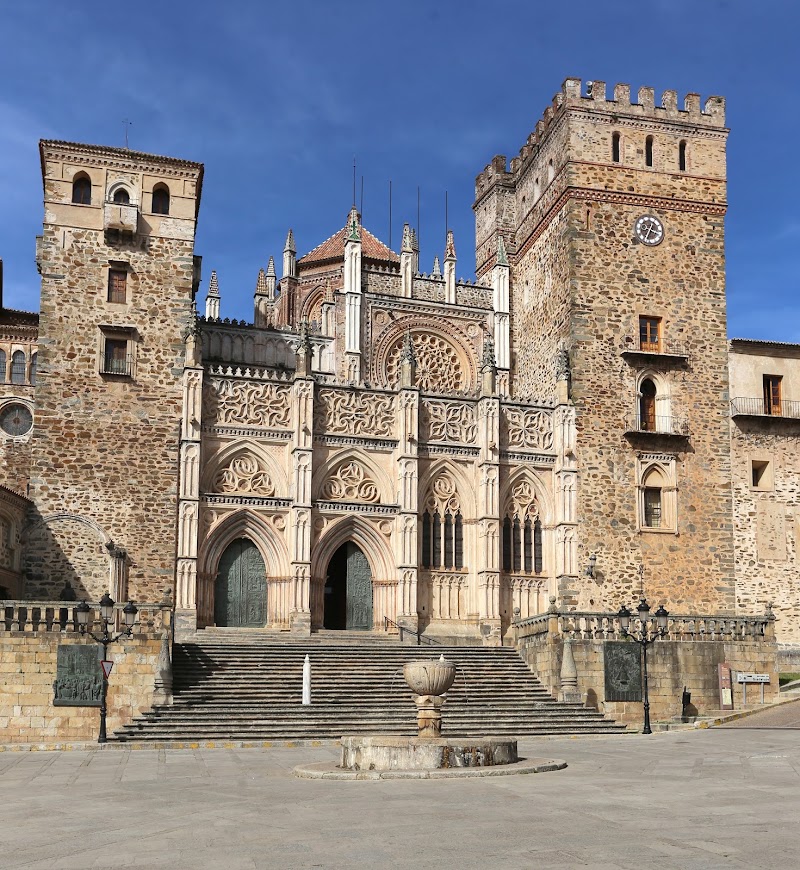
- Gothic, Mudéjar and later architectural styles
- Collection of works by major European masters
- The Virgin of Guadalupe
- Links to Queen Isabella and Christopher Columbus
Worth knowing
- Interior tours are reported to be in Spanish only
- Photography is not allowed inside the rooms
- Some reviews report cash-only ticket sales
Don't miss
What comes up most in public reviews
- See the Virgin of Guadalupe
- Study the mix of architectural styles
- Arrange a professional guide if possible
- Explore the interior art collection
Worth the trip?
Why it stands out
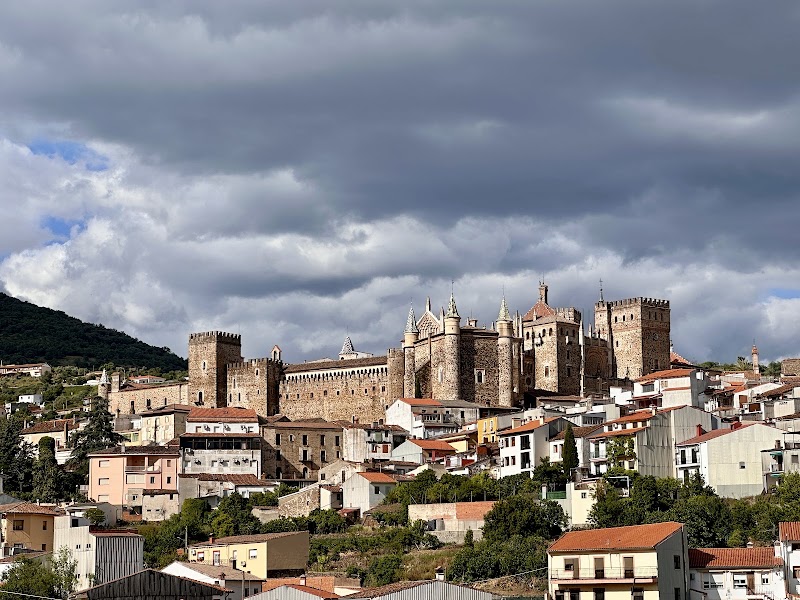
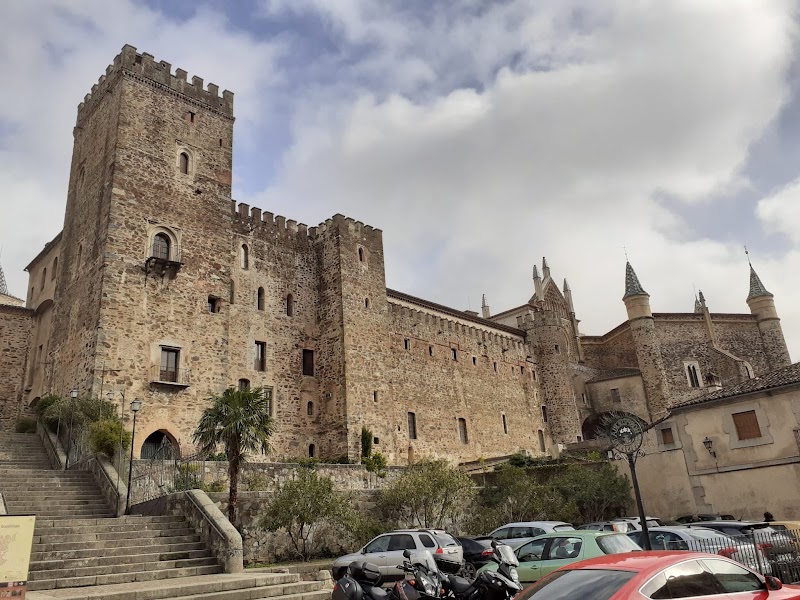
A 4.6 score from 11141 Google reviews reflects the strong public response to the Royal Monastery of Santa María de Guadalupe. Reviewers often describe the complex as immense and visually impressive. Its pull is not confined to one façade or room, but comes from having so much architecture, religious history and art in one visit.
The mix of Gothic, Mudéjar, Renaissance, Baroque and Neoclassical elements draws particular praise. These shifts in style chart the monastery’s long development from its 14th-century origins and give the buildings their layered character. Public feedback also points to the connections with Queen Isabella and Christopher Columbus. Its status as a UNESCO World Heritage site helps put the scale and significance of the complex into context.
Art, architecture and devotion
Inside is a substantial collection of religious art, including works attributed to prominent European masters. Several reviewers say it is easy to underestimate what is here without a detailed explanation. The architecture lands first. Yet much of the visit’s depth comes from the paintings, decorated rooms and devotional setting.
The Virgin of Guadalupe is repeatedly identified as the focal point. For many visitors, seeing the revered image defines the tour, whether their main interest is spiritual, historical or artistic. This remains an active place of worship as well as a major heritage attraction, and reviews suggest that both sides shape the atmosphere.
Photography restrictions inside the rooms disappoint a fair number of reviewers. Travellers should expect to put away cameras and phones for much of the interior visit. The details have to be viewed in person.
Understanding the tour system
Public reviews indicate that the key interior areas are visited as part of a group tour, not explored independently. That system controls movement through the collection, but it also prompts the most consistent criticism. Commentary is reported to be in Spanish, including information played through speakers, with little or no foreign-language support.
Even some visitors with a reasonable command of Spanish say they struggled to follow every detail. One reviewer makes a distinction between the person accompanying the group, whose role seemed largely supervisory, and a professional guide who could explain the history and artworks. Where possible, non-Spanish speakers may get more from arranging their own qualified guide. Background reading before arrival could also help.
Some feedback mentions cash-only ticket purchasing and no option to reserve in advance. Visitor arrangements can change, so current payment and access rules are worth confirming directly before travelling to Guadalupe.
Overall verdict
The monastery’s monumental architecture, artistic range and religious importance outweigh the organisational shortcomings reported in reviews. Public feedback strongly supports a visit, while making clear that the tour restrictions and language arrangements can affect it. This is best suited to travellers prepared to plan ahead and accept a structured visit. With suitable interpretation, the complex becomes much more than an impressive building, revealing the historical and artistic connections that reviewers regard as its greatest strength.
Ask anything
Looking for somewhere else?
Keep exploring around Guadalupe
More from Spain
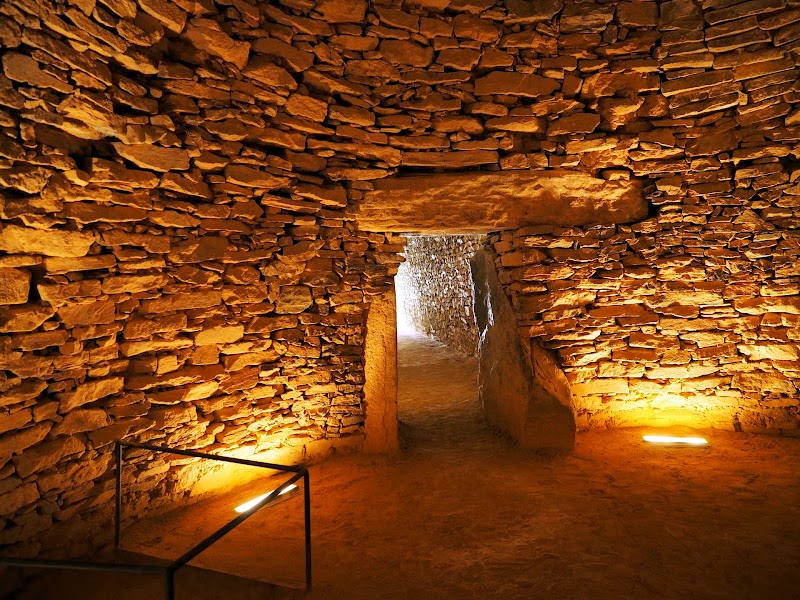
Spain · Antequera
Tholos de El Romeral: Antequera’s distinctive stone tomb
Precise corbelled construction and contrasting chambers make this ancient burial monument a compelling companion to Antequera’s other dolmens.
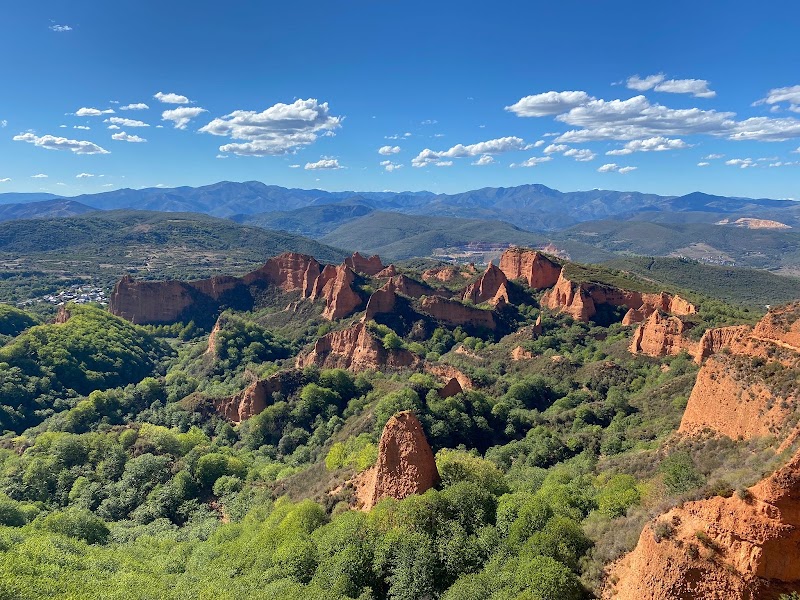
Spain · El Bierzo
Las Médulas: Roman mining history in a dramatic landscape
Ancient mine tunnels, walking trails and striking views make this Roman gold-mining landscape one of El Bierzo’s standout sights.
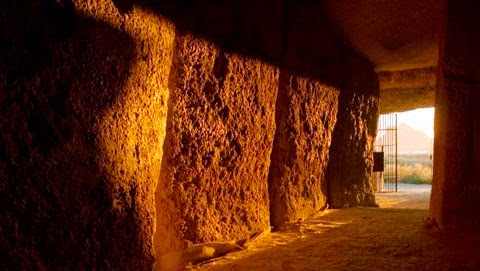
Spain · Antequera
Archaeological Dolmens of Antequera: Visitor Guide
Ancient structures, an informative museum and straightforward access make this a rewarding historical stop between Seville and Granada.
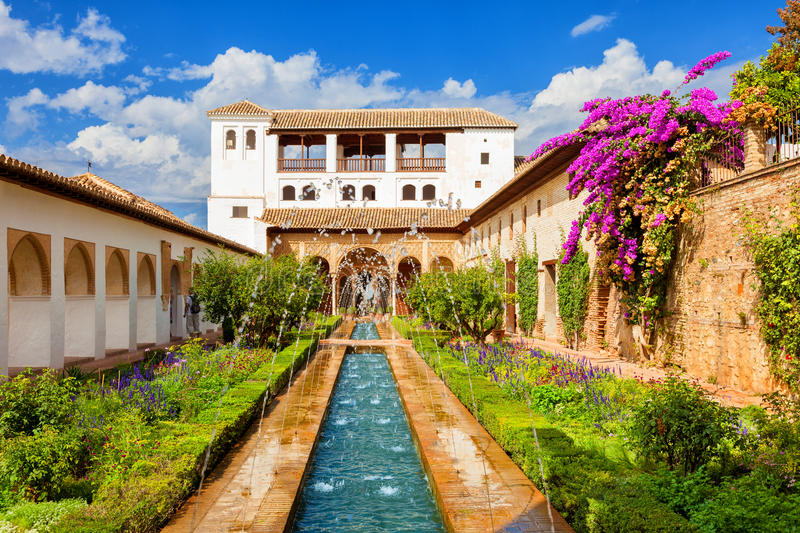
Spain · Granada
Generalife: Granada’s Serene Palace Gardens
Fountains, flower-filled paths and wide Granada views make Generalife one of the most peaceful and photogenic parts of an Alhambra visit.