Roman Temple of Hercules: Amman’s Hilltop Landmark
Monumental columns, ancient ruins and broad city views make this one of the most memorable stops within Amman Citadel.
More photos
Photos published by travelers on Google, not AI generated.
What stands out
- Massive Roman columns
- Panoramic views across Amman
- Hilltop archaeological setting
- Other Citadel ruins nearby
Worth knowing
- Strong sun and limited shade
- Confirm guide costs before starting
Don't miss
What comes up most in public reviews
- See the monumental surviving columns
- Take in the views over downtown Amman
- Explore the wider Amman Citadel
Worth the trip?
The overall impression
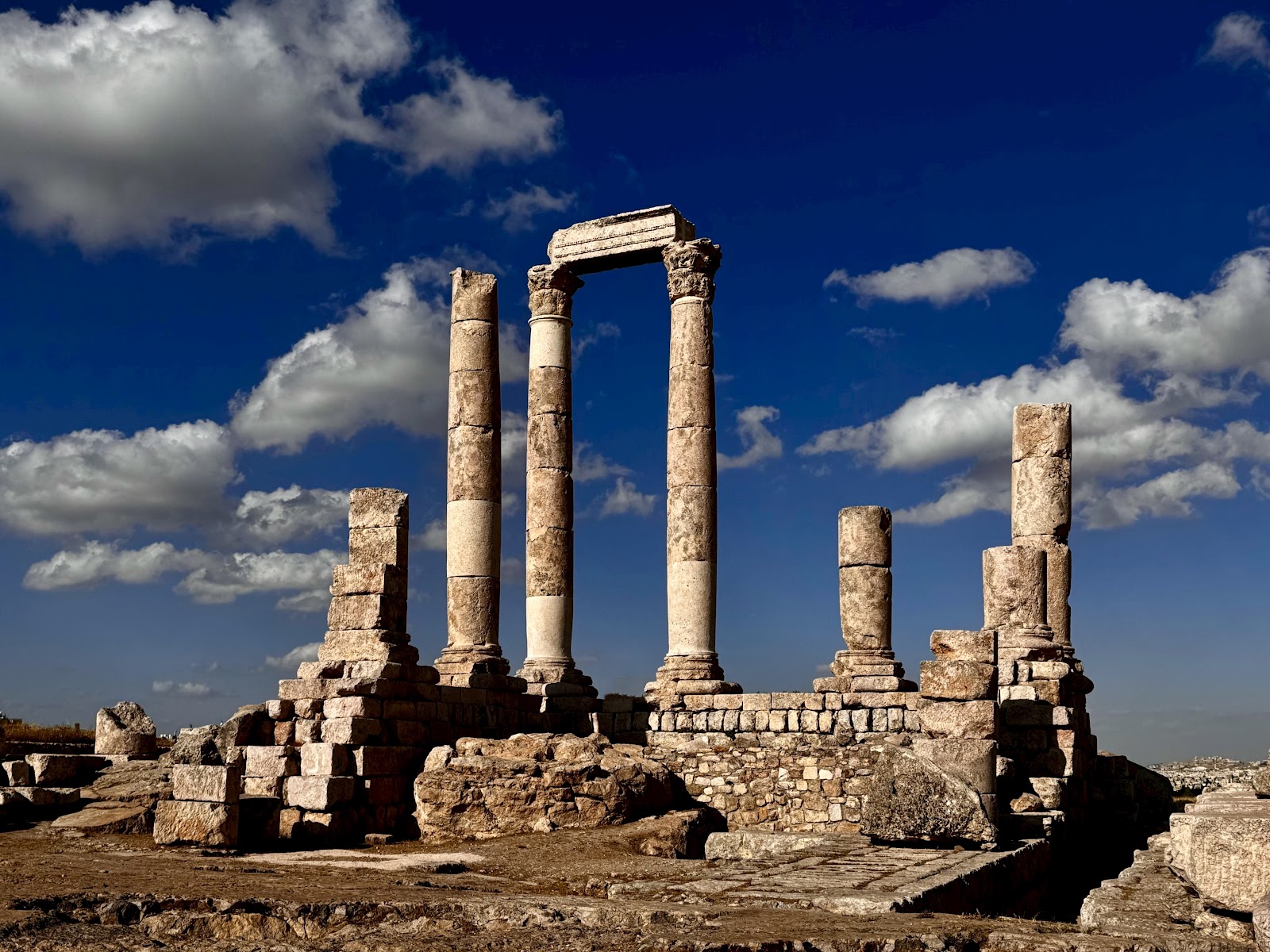
The Roman Temple of Hercules is one of the defining sights at Amman Citadel, where a surviving platform and monumental columns rise above the capital. Based on a Google rating of 4.6 from 2621 reviews, public feedback is strongly positive. Travellers repeatedly praise the scale of the remains, the elevated setting and the chance to combine Roman history with far-reaching views across Amman.
The temple is not presented in reviews as an isolated attraction. It forms part of a wider archaeological visit, with other ruins, a museum and a palace mentioned within the Citadel complex. That concentration of sights gives the landmark more context and makes the hilltop worth more than a quick photo stop. Several reviewers regard it as an essential part of an Amman itinerary.
What stands out
The massive columns are the immediate focal point. Reviewers describe them as among the Citadel’s most recognisable remains, with their size and classical Roman design conveying the ambition of the original structure. One public account dates construction to 166–162 AD and notes that the temple, dedicated to Hercules as a figure of strength and power, was never fully completed.
Even without a complete building, the platform and columns make a strong visual impression. Reviews often pair the architecture with the setting: the ruins spread across a high point above the older parts of Amman, while the open terrain gives the structure a dramatic silhouette. The sense of history is therefore tied closely to the landscape rather than to extensive interiors or elaborate displays.
Views and the wider Citadel
Panoramic views are one of the most consistent themes in traveller feedback. Reviewers mention 360-degree outlooks and particularly striking perspectives over downtown Amman. The hilltop position allows the city’s dense urban fabric to unfold below the archaeological site, adding a modern counterpoint to the Roman remains.
The surrounding Citadel also broadens the experience. Public reviews recommend leaving time for the other archaeological areas, museum and palace rather than visiting only the temple. A guide may help visitors understand how the temple relates to the wider site, although one reviewer advises agreeing on the cost before starting. Another notes that onward transport by ride-hailing service is straightforward from the area.
Practical considerations and verdict
The exposed hilltop receives strong sun, and reviews specifically recommend carrying water, sunscreen and a hat. Shade should not be assumed while walking among the ruins. One reviewer also reports a free, well-maintained toilet, while another says admission was included with the Jordan Pass at the time of the visit. Current access arrangements should still be checked before arrival.
The Temple of Hercules works best for travellers who enjoy archaeological sites with strong viewpoints. Its appeal comes from scale, setting and historic atmosphere rather than completeness. Combined with the rest of Amman Citadel, it is a compelling half-day introduction to the city’s ancient past and present-day skyline.
Plan the rest of the trip
Ask anything
Looking for somewhere else?
Keep exploring around Amman
More from Jordan
Jordan · Jarash
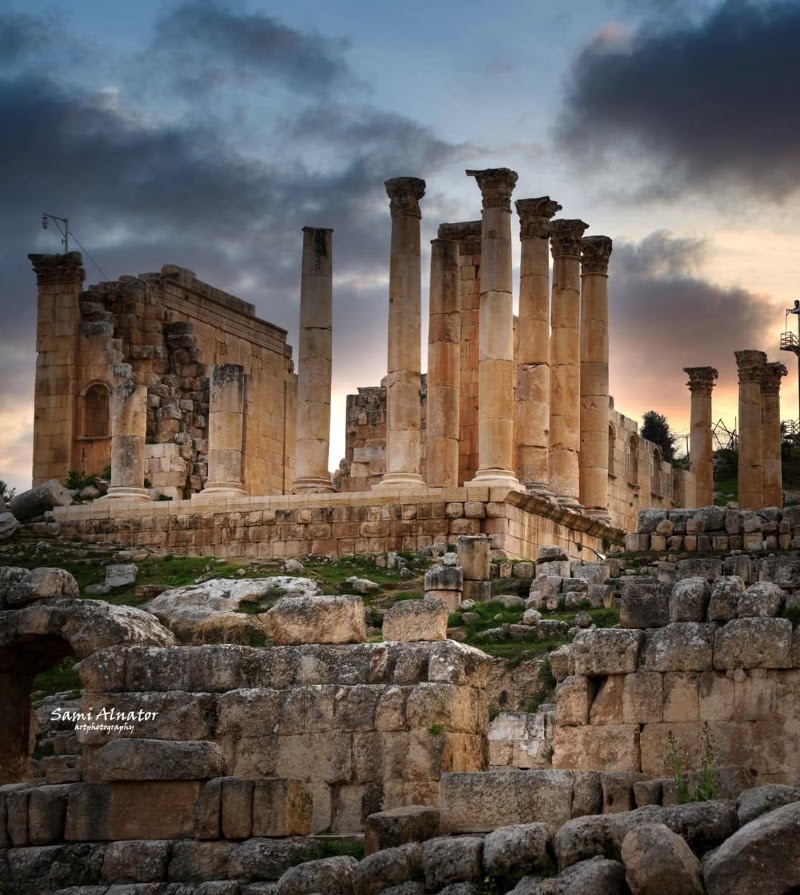
Temple of Zeus: Monumental Ruins Above Ancient Jerash
Massive Roman columns, layered history and broad views over Jerash make this ruined temple one of the ancient city’s most striking landmarks.

Jordan · Amman
Umayyad Palace: Amman Citadel’s Standout Landmark
A well-preserved, partly restored palace complex combining Islamic architecture, layered history and wide views across Amman.
Jordan · Amman
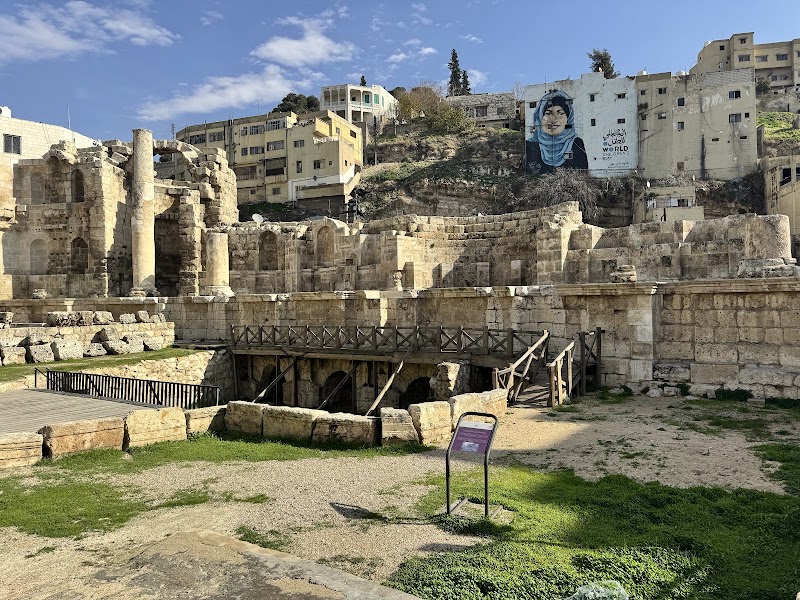
Roman Nymphaeum: a compact stop in downtown Amman
Ancient remains and a central setting make this a worthwhile short stop, although uncertain access and the busy surroundings can affect the visit.
Jordan · Amman
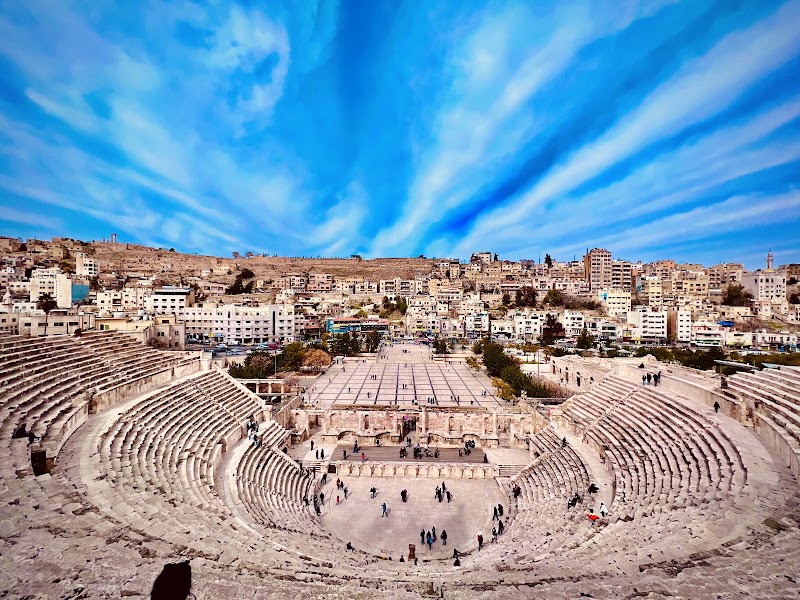
The Hashemite Plaza: Amman’s Roman Theater Forecourt
A broad downtown gathering space offering gardens, casual refreshments and memorable views of Amman’s Roman Theater.