Roman Baths: Ancient Remains Beside Malta’s Cart Ruts
These remarkably intact baths reward careful-footed visitors with ancient structures, nearby cart ruts and an atmospheric approach.
More photos

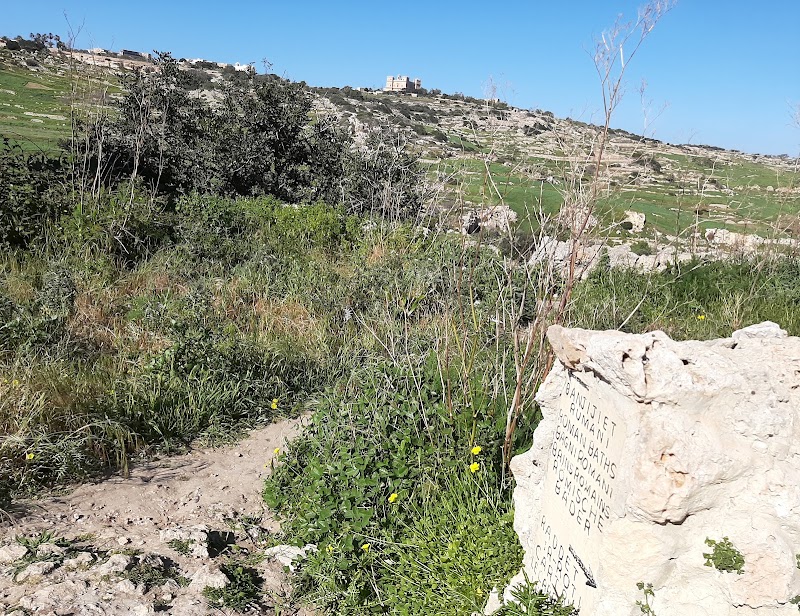

Photos published by travelers on Google, not AI generated.
What stands out
- Remarkably intact bath structure
- Ancient apiaries along the trail
- Malta cart ruts only metres away
- Atmospheric stone approach
Worth knowing
- Steep, old and uneven steps
- Poor access for limited mobility
- Limited interpretation inside
Don't miss
What comes up most in public reviews
- Enter the bath structure
- See the ancient apiaries
- Continue to the Malta cart ruts
- Use the Second World War bunker as a landmark
Worth the trip?
Why the Roman Baths stand out
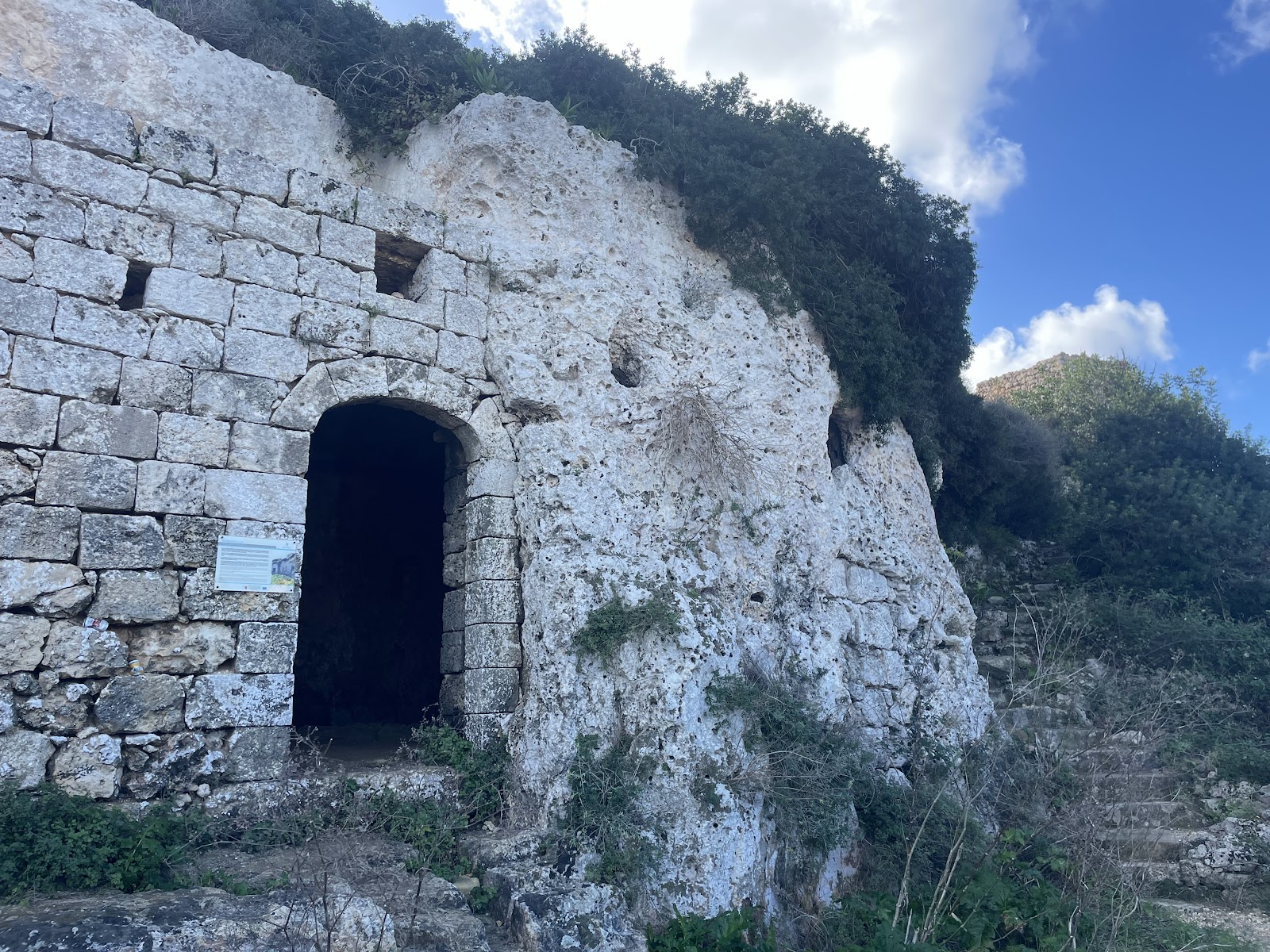
The Roman Baths in St. Paul’s Bay are a small archaeological stop rather than a fully developed visitor attraction. Synthesizing a Google rating of 4.4 from 146 reviews with recent traveller comments, the strongest impression is of an unusually intact structure that feels separate from the area’s busier sights. Visitors repeatedly describe the remains as interesting, well preserved and easy to overlook without directions.
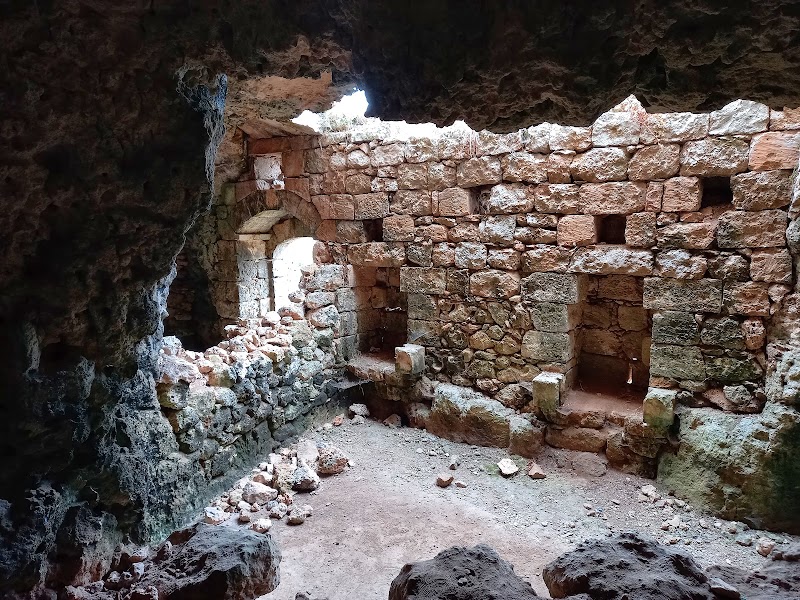
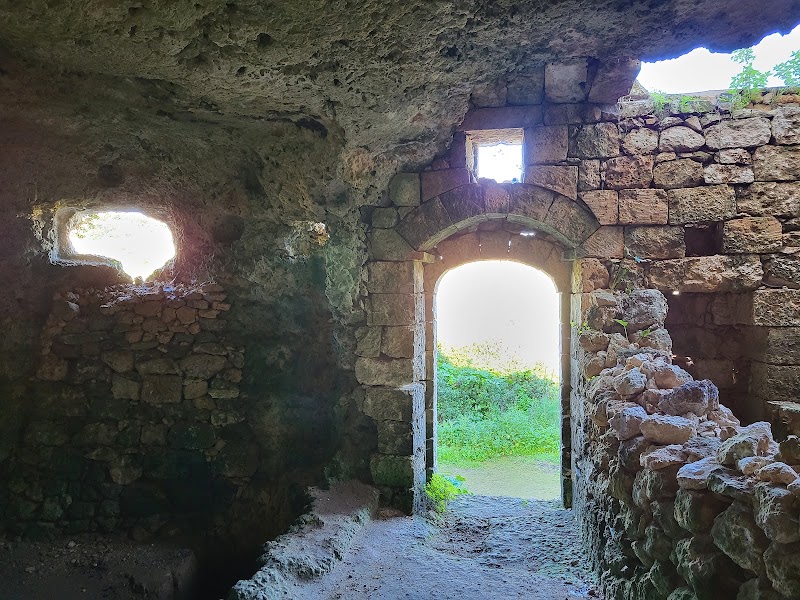
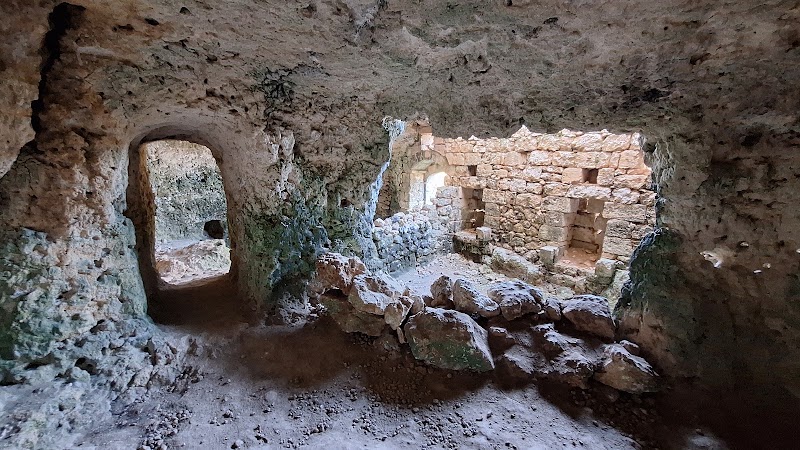
The site’s appeal lies in proximity and atmosphere. Reviewers report being able to enter the ancient structures along the trail, including the bath area and apiaries. A plaque outside provides some historical explanation, although at least one visitor felt that additional labels inside would make the remains easier to understand. This is a place for independent exploration, not an attraction with extensive interpretation or visitor facilities.
Finding the site
Locating the baths can be less straightforward than visiting them. Reviewers suggest using Google Maps and looking for the nearby Second World War bunker. According to recurring directions, stone steps immediately to the right of the bunker lead towards the bath house. The Malta cart ruts are only metres farther along, making the two features sensible to see together.
The approach is part of the experience, but it also creates the main practical difficulty. Public reviews consistently mention steep, old or uneven steps, along with rough Roman tracks. Some describe the climb as worthwhile, yet the route is not considered suitable for people with poor mobility. Careful footwear and an unhurried pace are sensible, particularly when moving over worn stone.
What visitors can expect
Reviews characterize the structure as remarkably well preserved, with enough surviving detail to make a short detour worthwhile for travellers already in the St. Paul’s Bay area. The baths are not presented as a large complex, so expectations should remain modest. Their value comes from seeing the stonework up close and combining the stop with the apiaries, cart ruts and bunker nearby.
Several comments praise the cleanliness and preservation of the trail, with visitors encouraged to leave the structures as they find them. One review also reported signs that a person may have been sheltering at the site. That observation may not reflect current conditions, but it reinforces the sense that the area is lightly managed rather than continuously supervised.
Timing and overall verdict
One reviewer specifically recommends visiting between 5pm and 7pm, while also warning against going after dark. That advice fits the physical character of the approach: old steps and rough tracks are much easier to negotiate with reliable daylight. Visitors should allow enough time to find the entrance, explore the baths and continue a few metres to the cart ruts before light fades.
Overall, the Roman Baths suit archaeology enthusiasts, walkers and curious travellers who appreciate compact, minimally interpreted sites. They are best treated as a short stop paired with the surrounding remains, rather than as a standalone half-day attraction. The preservation earns consistent praise, while access and limited signage are the clearest drawbacks.
Ask anything
Looking for somewhere else?
Keep exploring around St. Paul's Bay
More from Malta
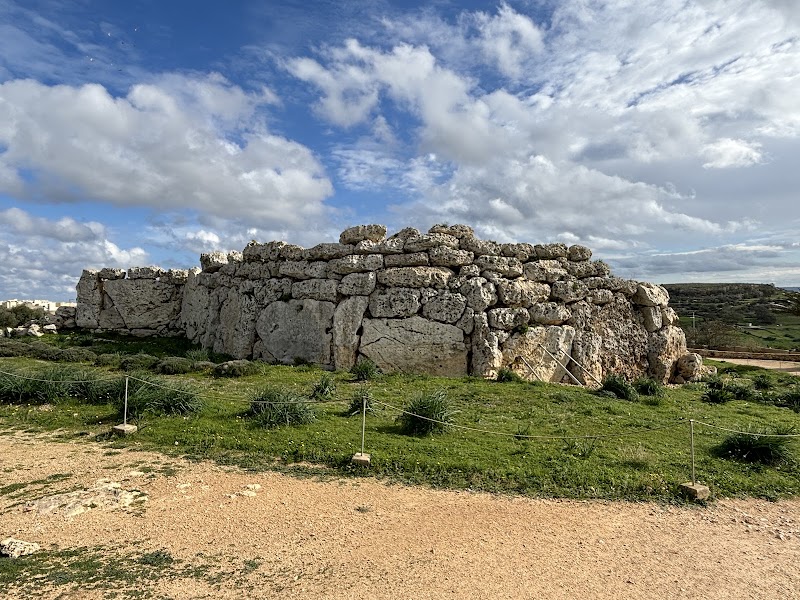
Malta · Xagħra
Ruiny Świątyni: Gozo’s monumental Ġgantija ruins
Massive prehistoric stonework and a clear visitor centre make this Xagħra landmark one of Gozo’s most compelling historical stops.
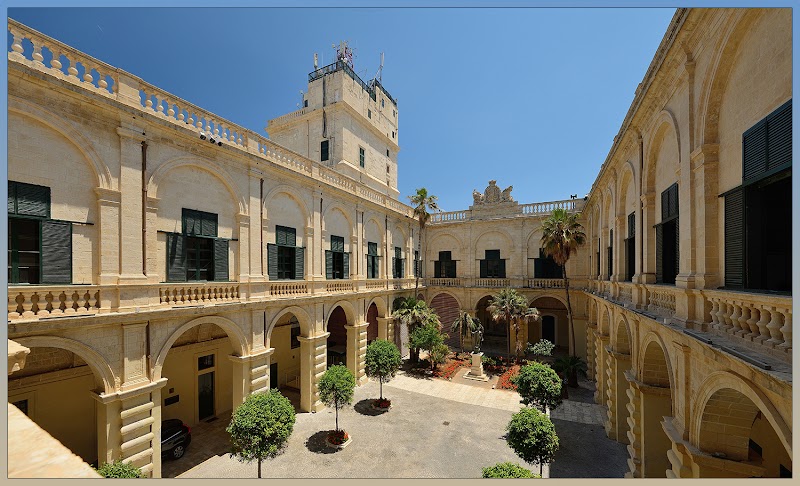
Malta · Il-Belt Valletta
Grand Master’s Palace: Valletta’s seat of power
Ornate state rooms, working presidential offices and an extensive armoury make this one of Valletta’s most rewarding historical landmarks.
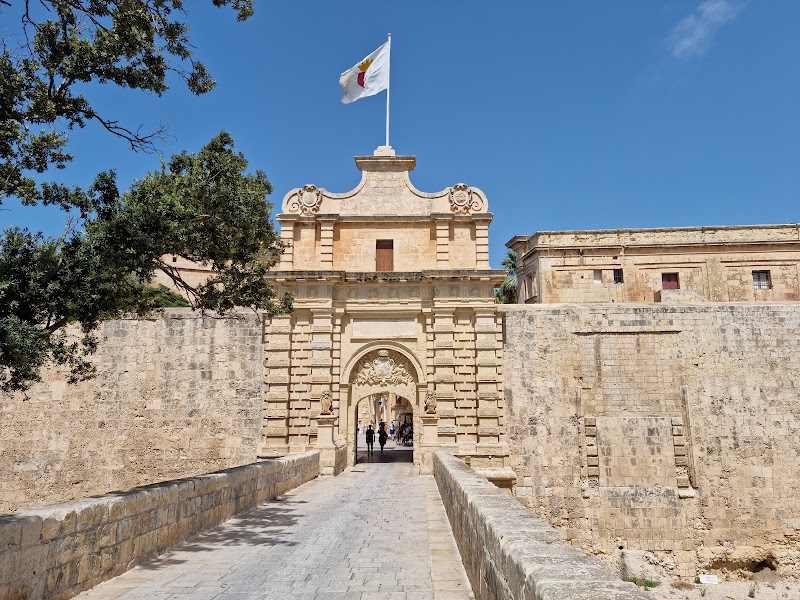
Malta · Mdina
Mdina Gate: A Grand Entrance to Malta’s Silent City
Mdina’s monumental gateway sets the scene for medieval streets, historic architecture and one of Malta’s most atmospheric walks.

Malta · Valletta
St John’s Co-Cathedral Museum: Valletta’s Baroque showpiece
Behind a restrained façade, this Valletta landmark delivers lavish Baroque decoration, Knights of Malta history and a major Caravaggio masterpiece.