Bhimbetka’s prehistoric art in a dramatic forest setting
Ancient paintings, weathered rock formations and a forest approach make Bhimbetka one of central India’s most absorbing archaeological landmarks.
More photos

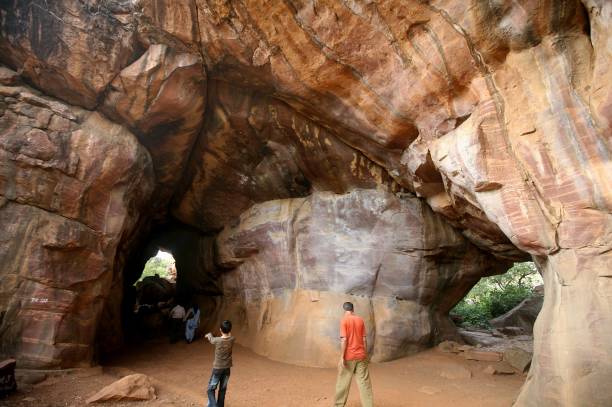
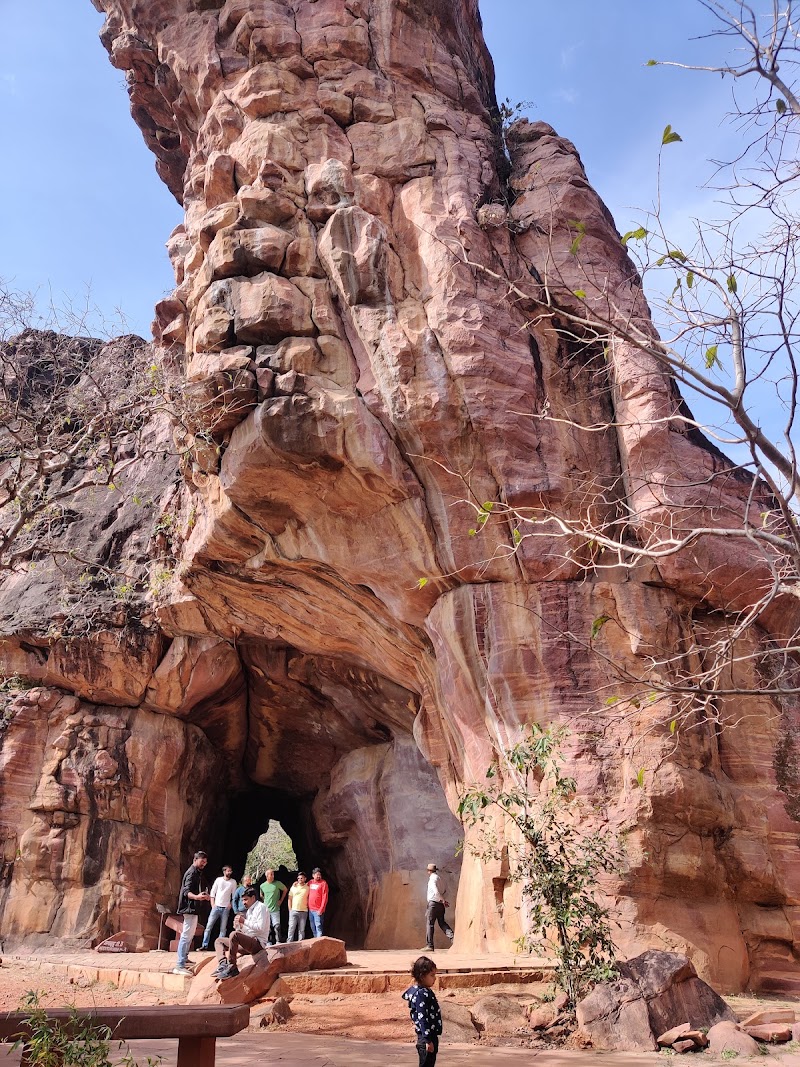
Photos published by travelers on Google, not AI generated.
What stands out
- Prehistoric paintings on natural rock surfaces
- Dramatic shelters and rock formations
- Well-maintained visitor areas
- Forest setting around the archaeological site
Worth knowing
- Midday heat can be uncomfortable
- A ticket and short forest drive are required
- Some paintings can appear understated at first
Don't miss
What comes up most in public reviews
- Prehistoric paintings inside the rock shelters
- Painted scenes of early human life
- Forest landscape surrounding the shelters
Worth the trip?
Why Bhimbetka stands out
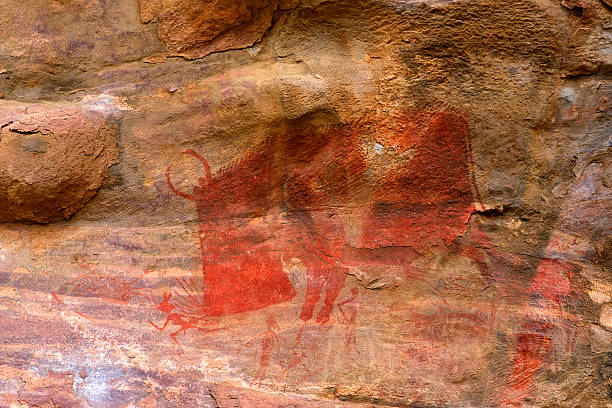
Based on a Google rating of 4.6 from 9738 reviews, the Rock Shelters of Bhimbetka leave their strongest impression through sheer historical scale. Travellers repeatedly describe the experience as a direct encounter with early human creativity, with prehistoric paintings preserved across natural rock shelters rather than displayed inside a conventional museum.
The site’s UNESCO World Heritage status adds context, but public comments suggest that the emotional impact comes from seeing the paintings where they were created. Reviewers often pause over their age and the long span of human activity represented here. The precise dates quoted in public reviews vary, so casual estimates are best treated as broad context rather than a definitive chronology.
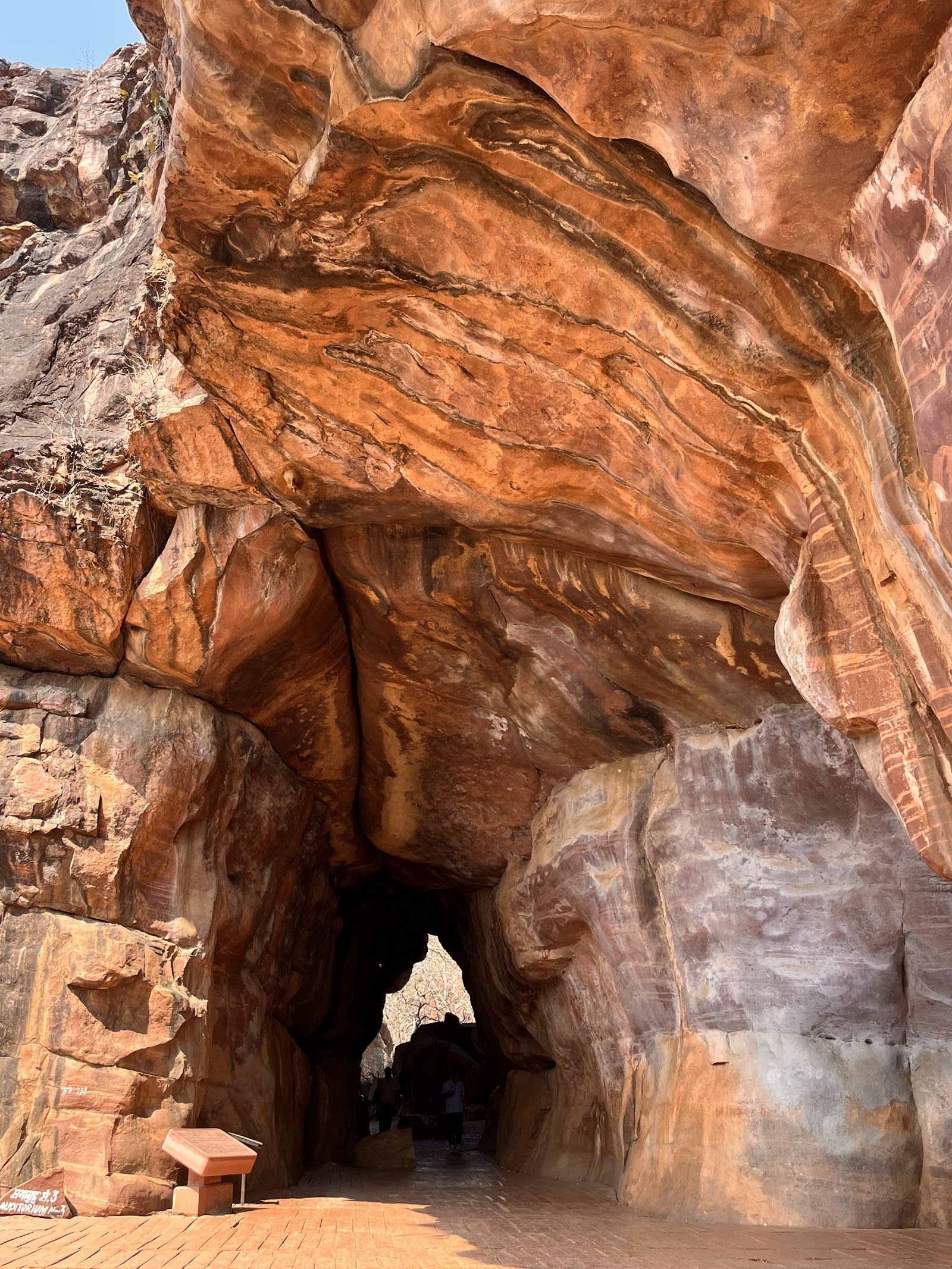
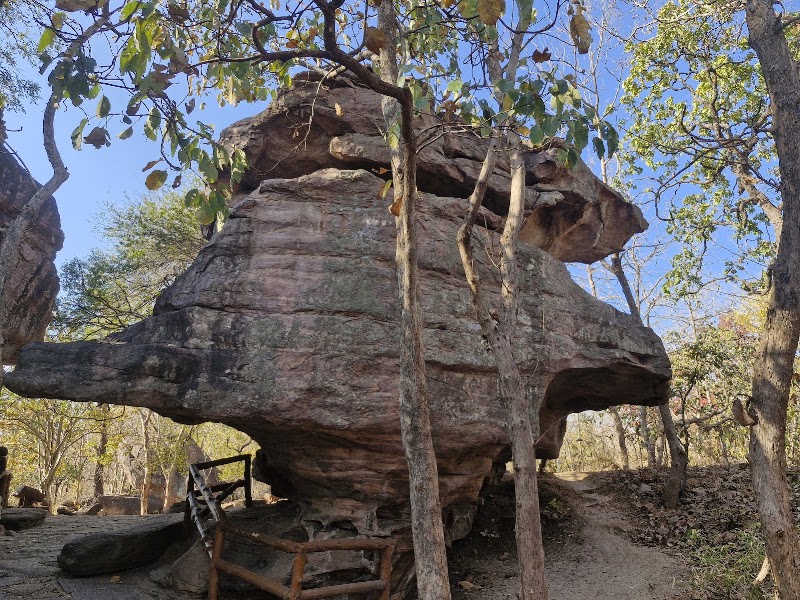
The surrounding landscape matters almost as much as the archaeology. Forest, striking rock formations and open valley views give the visit a strong sense of place. Several reviewers also praise the site’s upkeep, describing the accessible areas as clean and well maintained.
What visitors actually see
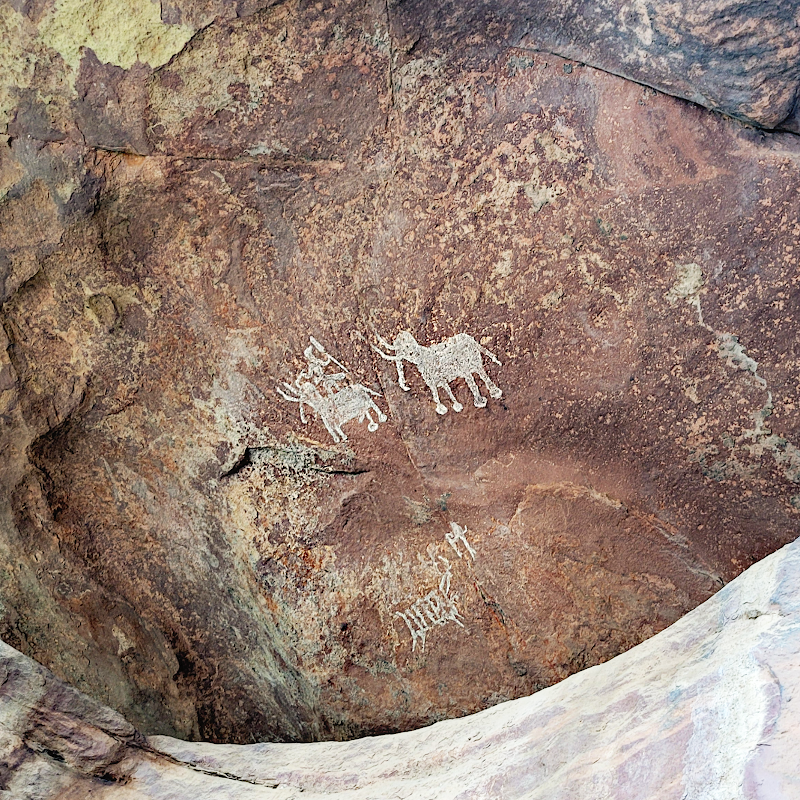
The paintings can appear simple at first. Reviews suggest that their significance becomes clearer when visitors consider what the images reveal about early human observation, daily activity and developing creativity. Human figures, scenes of movement and depictions associated with everyday life are among the details that hold attention.
The shelters themselves are part of the attraction. Their irregular stone surfaces, airy openings and naturally sculpted forms create a setting unlike a gallery wall. One reviewer counted eight maintained cave areas along the visitor route, while others refer more generally to multiple shelters and painted surfaces.
This is a place that rewards patient looking rather than a rapid circuit. Some markings may not immediately stand out against the rock, and the most rewarding visits appear to be those that allow time to examine the surfaces closely. Visitors with a strong interest in history, archaeology or human evolution are especially enthusiastic in the reviews.
Arrival and practical considerations
The approach passes through a protected forest setting. Reviews describe a ticketed entry followed by a drive of roughly one kilometre to reach the main visitor area, with private cars and two-wheelers mentioned. Parking is described as ample, and one reviewer also reports toilets and drinking water.
Heat is the clearest practical concern. Early morning or late evening is specifically recommended in public feedback, while the middle of the day can be uncomfortable. The forest location and open rock areas make timing more important than it might be at an indoor historical attraction.
Editorial verdict
Bhimbetka is best approached as both an archaeological site and a landscape experience. The rock art may be visually modest compared with more elaborate monuments, but its age, setting and connection to early human life give it unusual weight. Strong maintenance feedback and the forest drive make the visit feel manageable, while the paintings reward travellers prepared to slow down and look carefully. For history-minded visitors travelling through central India, it is a compelling half-day landmark.
Ask anything
Looking for somewhere else?
Keep exploring around Raisen
More from India
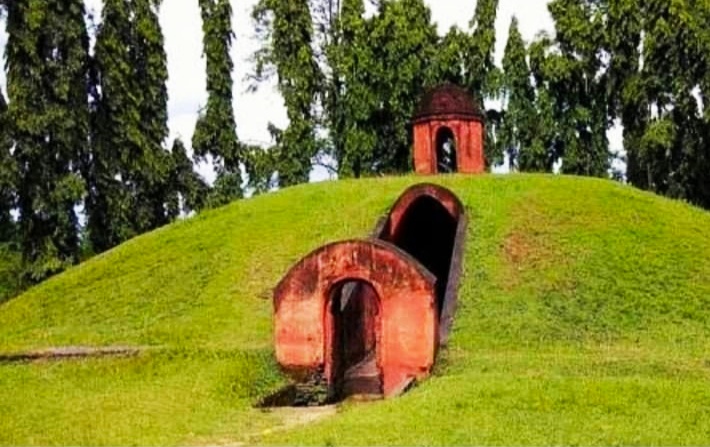
India · Bokopukhuri Habi
Charaideo Maidam: Assam’s Royal Burial Landscape
Ahom royal burial mounds, peaceful grounds and deep historical significance make this a compelling half-day landmark in Assam.
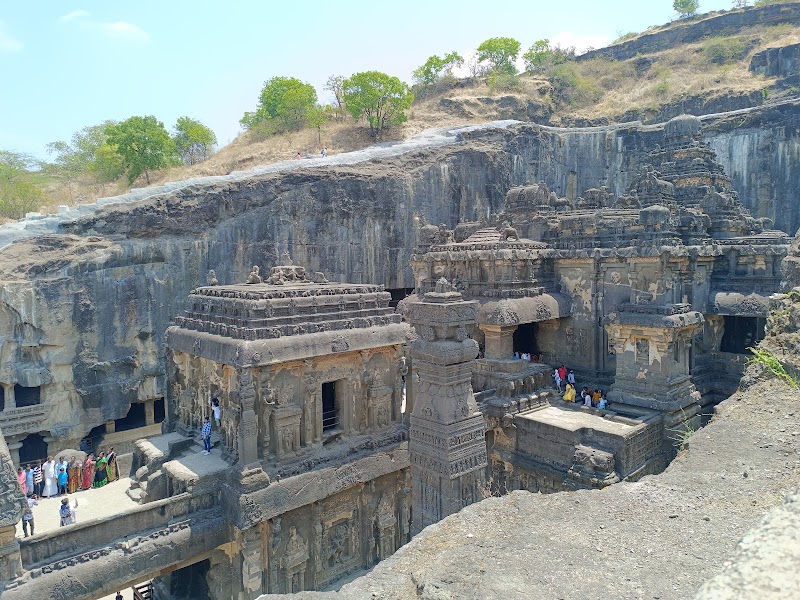
India · Verul
Ellora Caves: Monumental Art Carved Into Basalt
Ellora’s 34 rock-cut monuments unite Buddhist, Hindu and Jain traditions, with the vast Kailasa Temple dominating visitor impressions.

India · New Delhi
Qutb Minar: Monumental Architecture Beyond the Tower
Delhi’s soaring minaret anchors a well-kept heritage complex filled with intricate carvings, lawns and evocative medieval ruins.
India · Agra
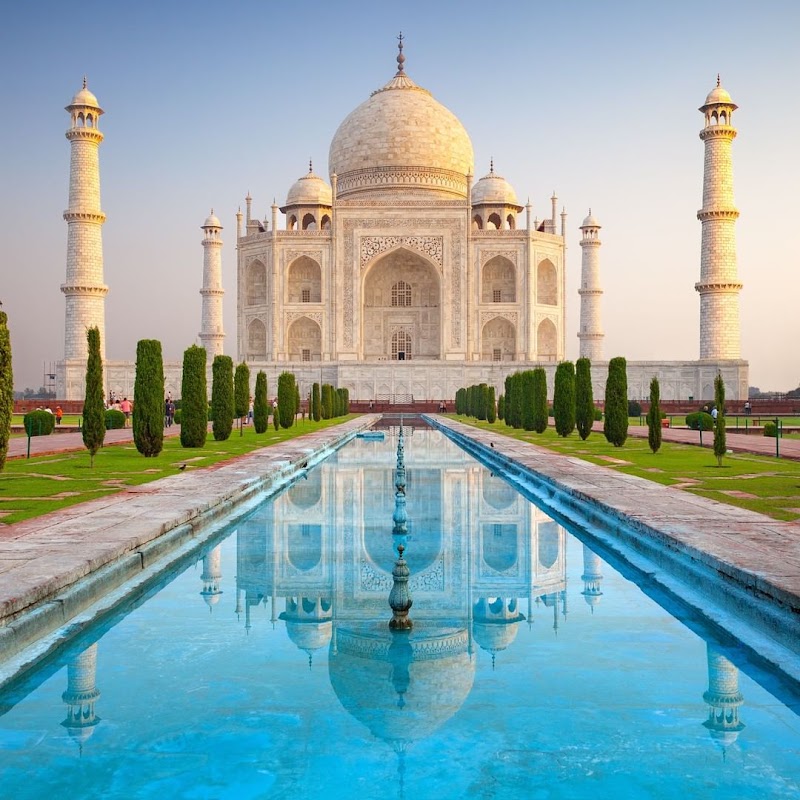
Taj Mahal review: Agra’s defining monument
Agra’s white-marble mausoleum pairs immense historical significance with one of the strongest public rating signals in Indian tourism.