Rila Monastery: Mountain Setting and Bulgarian History
Rila Monastery pairs monumental architecture and Christian art with a peaceful forest setting reached through Bulgaria’s Rila Mountains.
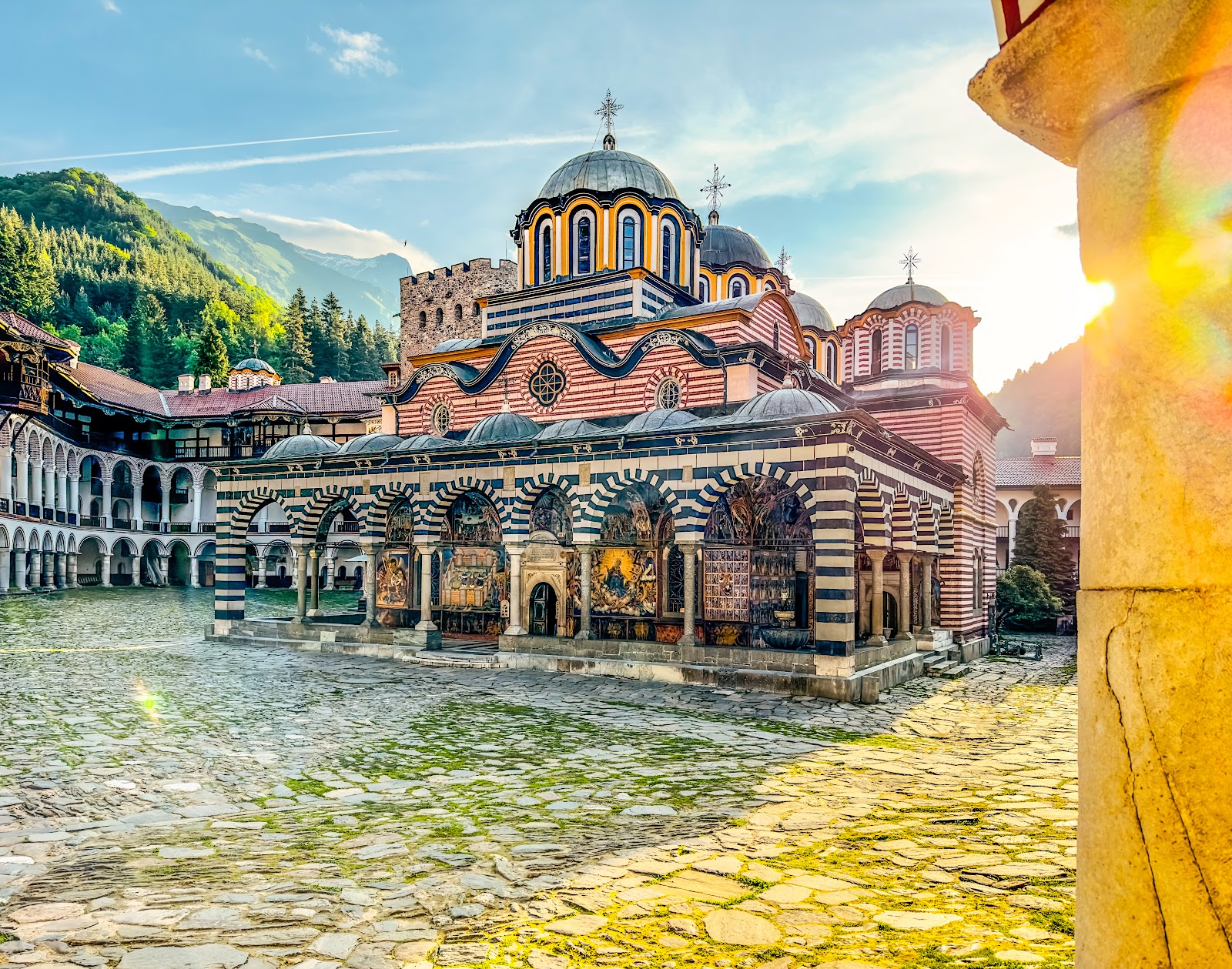
More photos
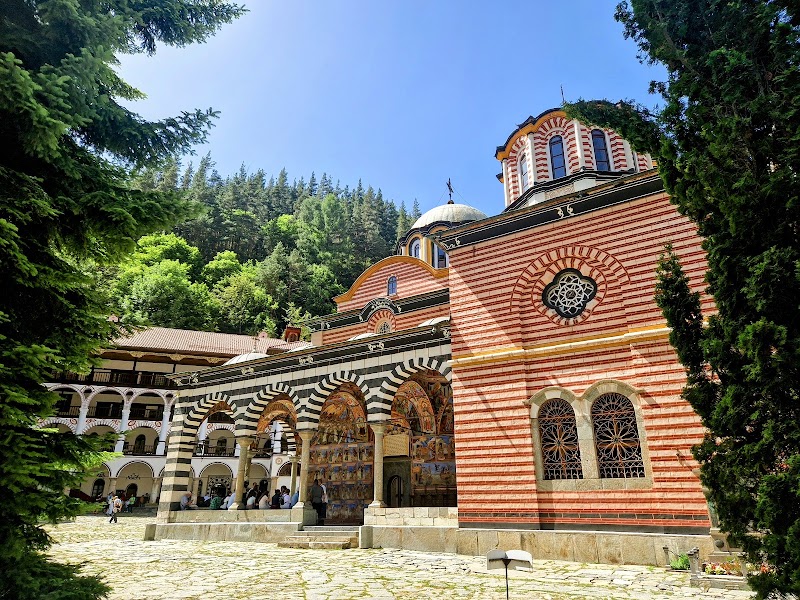
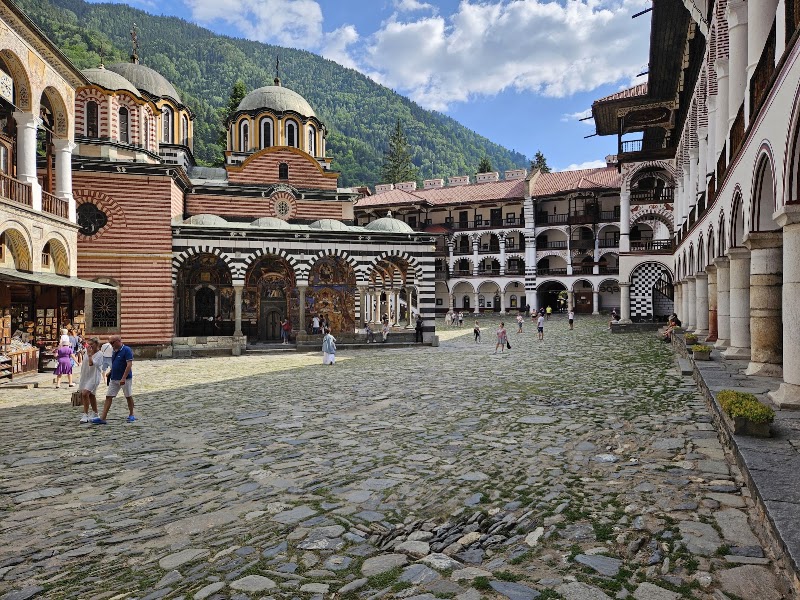
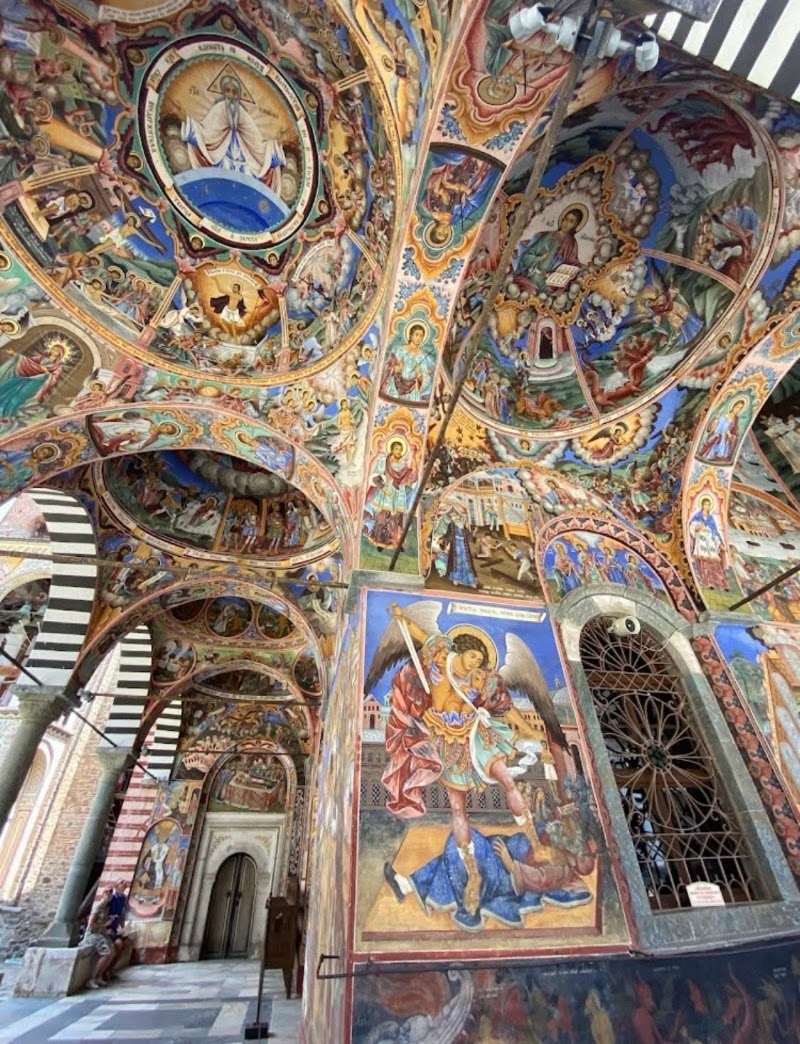
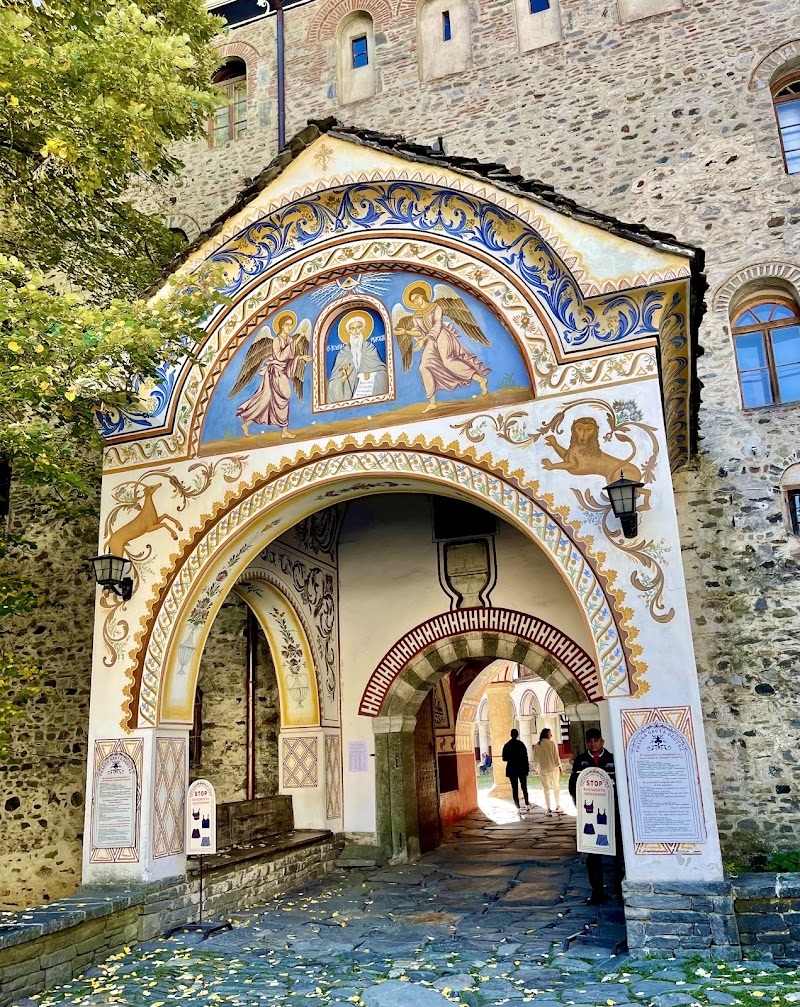


Photos published by travelers on Google, not AI generated.
What stands out
- Peaceful mountain and forest setting
- Large historic monastery complex
- Christian art inside the church
- Hrelja’s Tower
- Museums and old kitchen
Worth knowing
- Low light inside the church
- Photography restrictions in some museums
- Coin-operated bathrooms
Don't miss
What comes up most in public reviews
- Take a history-led tour
- Visit the monastery museums
- See the old kitchen
- Look for Hrelja’s Tower
Worth the trip?
Why visitors make the journey
Rila Monastery earns a 4.8 rating from 25157 Google reviews, with public feedback repeatedly describing it as a highlight of a wider Bulgaria itinerary. The journey from Sofia is part of the experience: travellers report a drive of a couple of hours, first along the highway and then into increasingly mountainous, forested scenery.
On arrival, the monastery’s scale tends to make the strongest first impression. Reviewers describe a large religious complex surrounded by nature, with an atmosphere that feels markedly calmer than Bulgaria’s cities. The combination of substantial architecture, mountain air and forest makes the site appealing even to visitors without a specialist interest in religious history.
History, architecture and art
Reviews regularly stress that the monastery is more complex historically than it first appears. It was founded more than 1,000 years ago, but much of the architecture visible today was rebuilt during the 1800s. Hrelja’s Tower is singled out as a notable older survival and an important point of contrast with the later buildings around it.
The church and its Christian artworks are another major draw. Travellers interested in religious art describe the experience as breathtaking, although the low light inside the church can make details difficult to examine. That subdued interior may suit the devotional character of the building, but it is less helpful for anyone hoping to study every artwork closely.
Several reviewers recommend visiting with a guide or joining a fuller tour. The site carries a substantial amount of Bulgarian religious and national history, and travellers suggest that explanations add context to the successive phases of construction, destruction and rebuilding.
Museums and extended access
The monastery museums reward visitors who allow more than a quick circuit of the courtyard and church. Public reviews mention fuller museum options that provide access to upstairs areas and additional rooms. The old kitchen receives particular praise for offering a more practical view of daily life within the complex.
Photography and video are not permitted in some museum areas, according to reviewers. Visitors interested in documenting the trip should therefore expect parts of the collection to be experienced without a camera. This restriction also makes a guided explanation or careful reading of the displays more useful.
The central monastery can be appreciated relatively quickly, but the museums, tower, church and historical interpretation justify spending a few hours on site. Reviews tend to favour a measured visit rather than treating Rila as a brief photo stop.
Practical verdict
Rila Monastery works best as a half-day cultural excursion, especially for travellers based in Sofia or touring the surrounding mountains. Its strongest qualities are the forest setting, monumental scale, Christian art and layered history. Food is available nearby, and one reviewer specifically recommends trying mekitsi at the other entrance.
Minor inconveniences include dim lighting inside the church, photography restrictions in parts of the museums and bathrooms that may require coins. These issues are small compared with the overwhelmingly positive assessment. For travellers interested in Bulgarian history, religious architecture or mountain scenery, the monastery stands out as one of the country’s most rewarding cultural stops.
Ask anything
Looking for somewhere else?
Keep exploring around Rilski manastir
More from Bulgaria
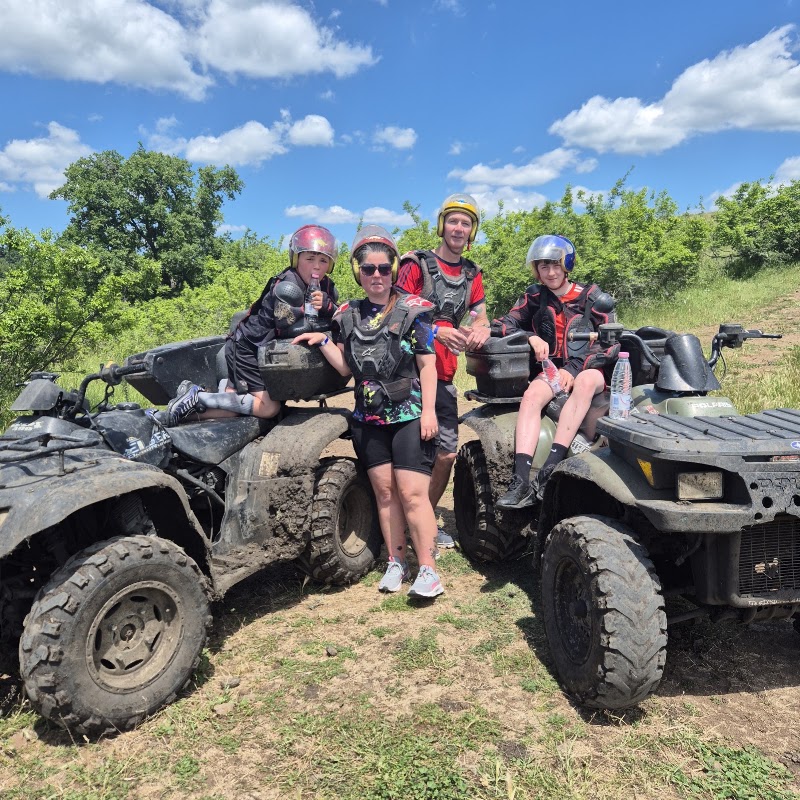
Bulgaria · Kosharitsa
Quad Safari Kosharitsa: Off-Road Riding in the Hills
Strong quad bikes, a scenic hill route and attentive family hosts make this Kosharitsa excursion a standout group adventure.
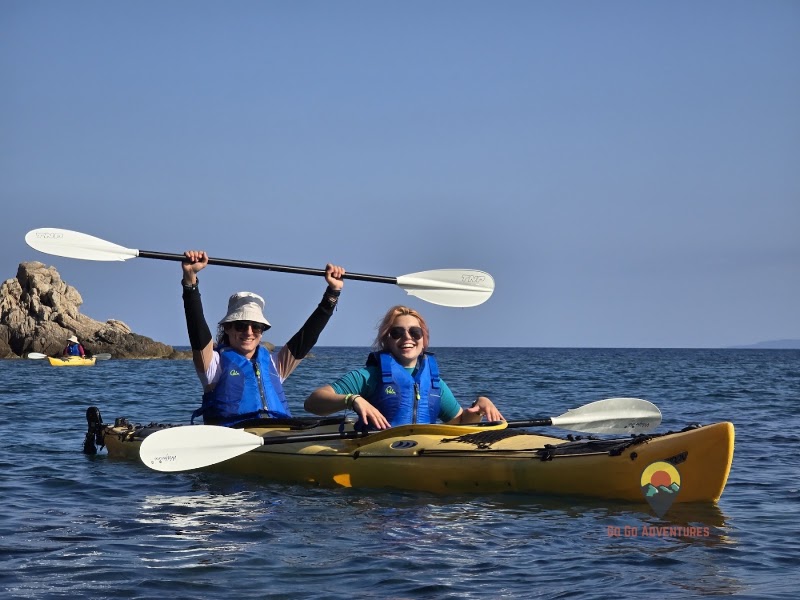
Bulgaria · Sofia
Go Go Adventures: Relaxed, Well-Run Kayaking Trips
Go Go Adventures earns enthusiastic feedback for clear instruction, smooth organization and friendly kayaking trips around scenic reservoirs and islands.
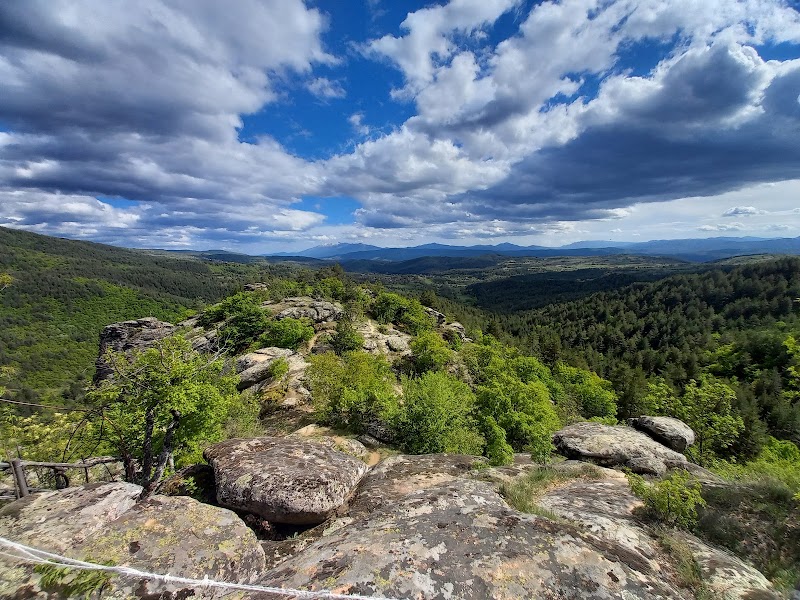
Bulgaria · Garmen
Gradishte Historic Landscape Park: Rocks and Valley Views
Near Garmen, Gradishte combines an approachable woodland hike with unusual rock formations, broad views and a longer circuit for active visitors.
Bulgaria · Sinemorets
Strandzha Nature Park: Wild Coast and Quiet Landscapes
Public reviews praise Strandzha Nature Park for its unspoiled coastline, tranquil scenery and strong sense of cultural heritage.