Etar Open-Air Museum Brings Bulgarian Village Life Into View
Public reviews rate Etar highly for its preserved architecture, working exhibits and calm setting, though winter visits can limit what is open.
More photos
Photos published by travelers on Google, not AI generated.
What stands out
- Reconstructed Bulgarian village buildings
- Traditional interiors and authentic exhibits
- Craft workshops and Bulgarian-made products
- Clean, calm setting for a slow walk
- English explanations reported by visitors
Worth knowing
- Few craft demonstrations may be operating
- Winter visits can have limited openings
- Some visitors find the products expensive
Don't miss
What comes up most in public reviews
- Inspect the traditional house interiors
- Ask which craft workshops are operating
- Look for pottery, leather, silver and felt goods
- Allow time for the full walking route
Worth the trip?
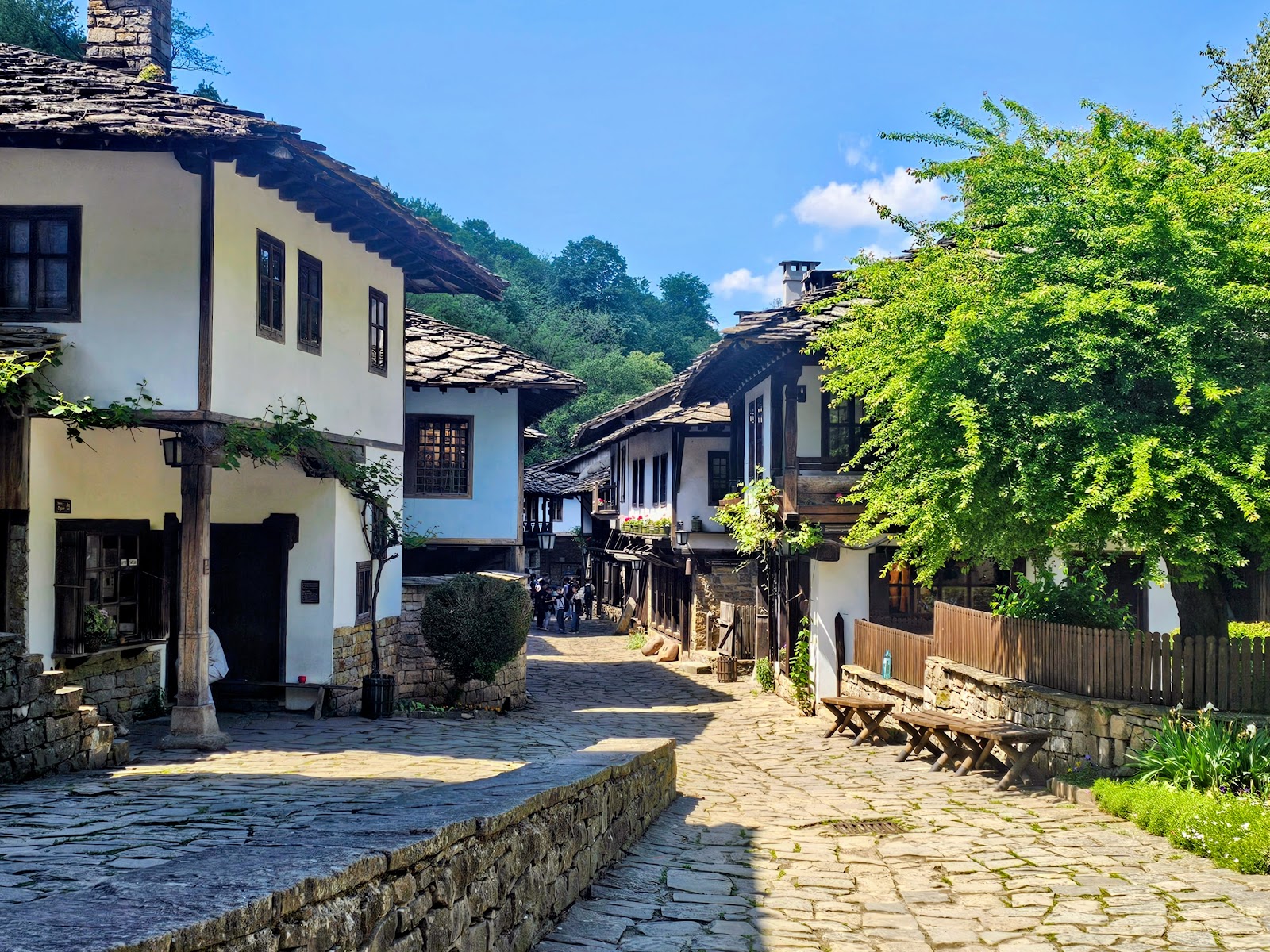
The Regional Ethnographic Open-Air Museum "Etar" gives visitors a concentrated look at traditional Bulgarian village architecture and crafts near Gabrovo. Public ratings place it at 4.7 from 16,810 reviews, with the strongest approval focused on the atmosphere, well-maintained buildings and the chance to connect historical objects with everyday rural life.
What visitors come to see
The museum is arranged as a reconstructed village, with traditional houses, workshops and authentic-looking interiors. Reviewers repeatedly describe the setting as clean, peaceful and easy to explore on foot. One visitor spent about an hour there and found it calm and relaxing, while another said the site rewarded a longer, less hurried visit.
The architecture is a major draw. Reviews specifically recommend Etar to people interested in the vernacular architecture of Bulgarian villages, including architecture students and families with young children. The exhibits help explain how homes, tools and trades fitted together. Much of the information is reported to be available in English, which makes the site more accessible to international visitors.
Crafts and reconstructed buildings
Workshops occupy the ground floors of many buildings, and the museum includes shops selling Bulgarian-made goods. Reviewers mention leather belts, silver jewellery, pottery and felt products. Some visitors appreciate seeing local products and watching craftspeople at work. Others feel that relatively few traditional crafts are actively demonstrated and that the commercial side can overshadow the museum.
That difference matters. Etar is not best understood as a fully active working village at every hour of every day. The experience depends on which workshops are operating when the visit takes place. Visitors interested in craft demonstrations should ask what is being shown that day before planning their route around the site.
Planning the visit
The grounds suit a slow walk, with enough detail to keep families, history enthusiasts and students engaged. The reviews suggest allowing more than a quick pass through, especially for visitors who want to read explanations, inspect the interiors and browse the workshops. A short visit can cover the main path, but it may feel rushed.
Seasonal opening is the clearest warning in the public feedback. A February visitor reported that only a small portion of the shops and museum spaces were open, despite full admission being charged. Warmer months appear more suitable for visitors hoping to find more workshops operating, though opening conditions can still vary.
Etar works best as a half-day cultural stop in the Gabrovo area. It is especially suitable for families, Bulgarian history learners, architecture students and travellers seeking a quieter attraction. The site is highly regarded overall, but expectations should be set around a museum with reconstructed buildings and retail activity, not a guaranteed sequence of live craft demonstrations.
Plan the rest of the trip
Ask anything
Looking for somewhere else?
Keep exploring around Gabrovo
More from Bulgaria
Bulgaria
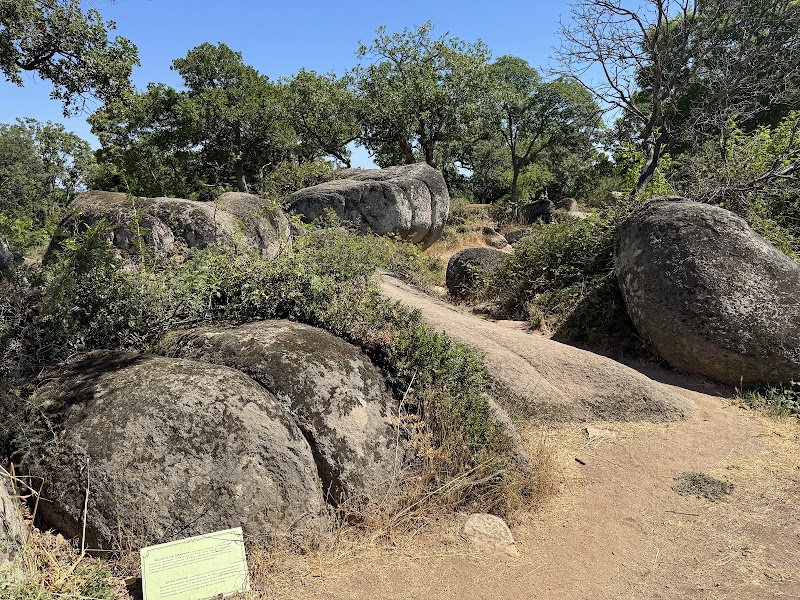
Begliktash: Thracian Stones and Coastal Walking Trails
Begliktash pairs a remarkable Thracian rock sanctuary with walking routes near Bulgaria’s Black Sea coast.
Bulgaria · Vidin
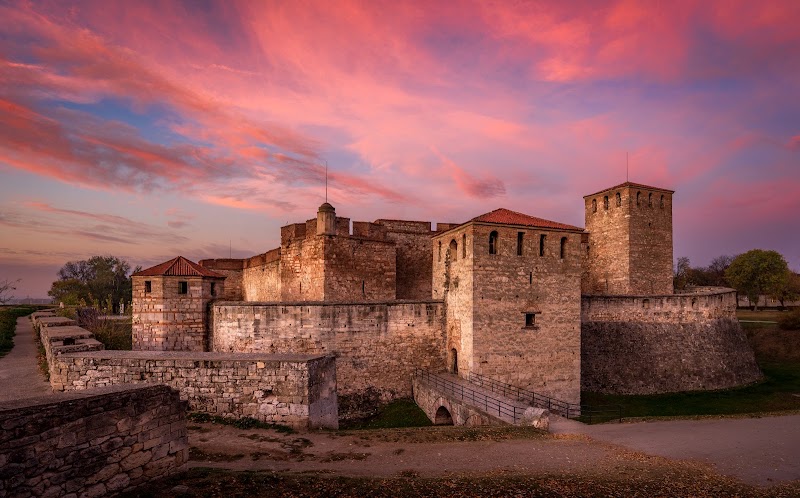
Vidin Fortress: Danube Views and Medieval Rooms
Public reviews praise Vidin Fortress for its preserved character, river views and atmospheric rooms, while warning that climbing and repairs can affect the visit.
Bulgaria · Madara
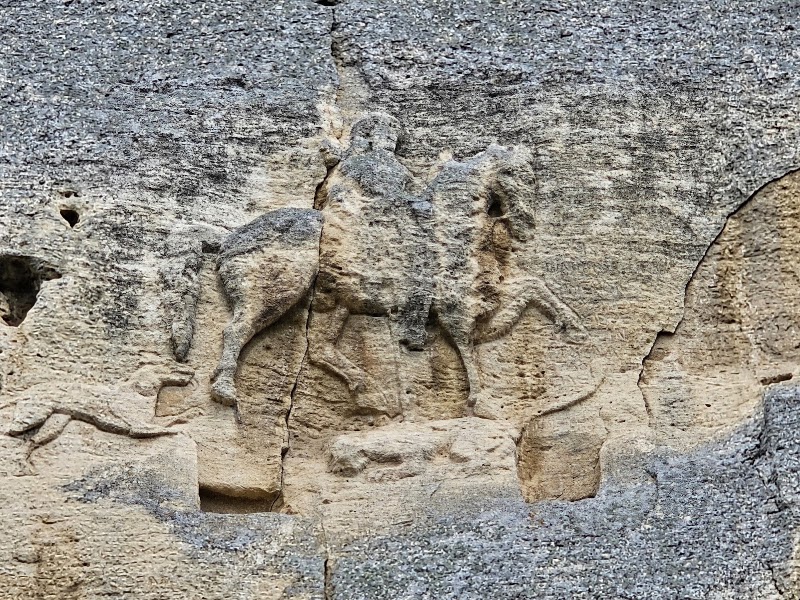
Madara National Historical Archaeological Reserve: Cliffs and History
Madara combines Bulgaria’s iconic rock relief with woodland paths, caves and a demanding climb to an ancient fortress above the plateau.
Bulgaria · Sofia
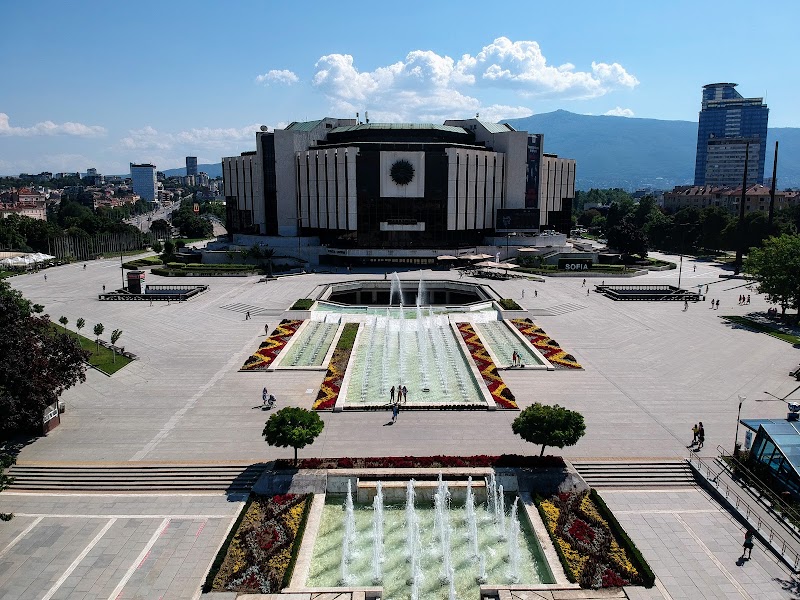
National Palace of Culture Park: Sofia’s Fountain-Filled Meeting Place
Public reviews describe a central Sofia park for fountains, evening walks, live music and people-watching, with Vitosha Mountain adding a scenic backdrop.