Red Bay’s Basque Whaling History Comes Into Focus
Museum displays, archaeological finds and a Saddle Island walk reveal the scale of 16th-century Basque whaling in Labrador.
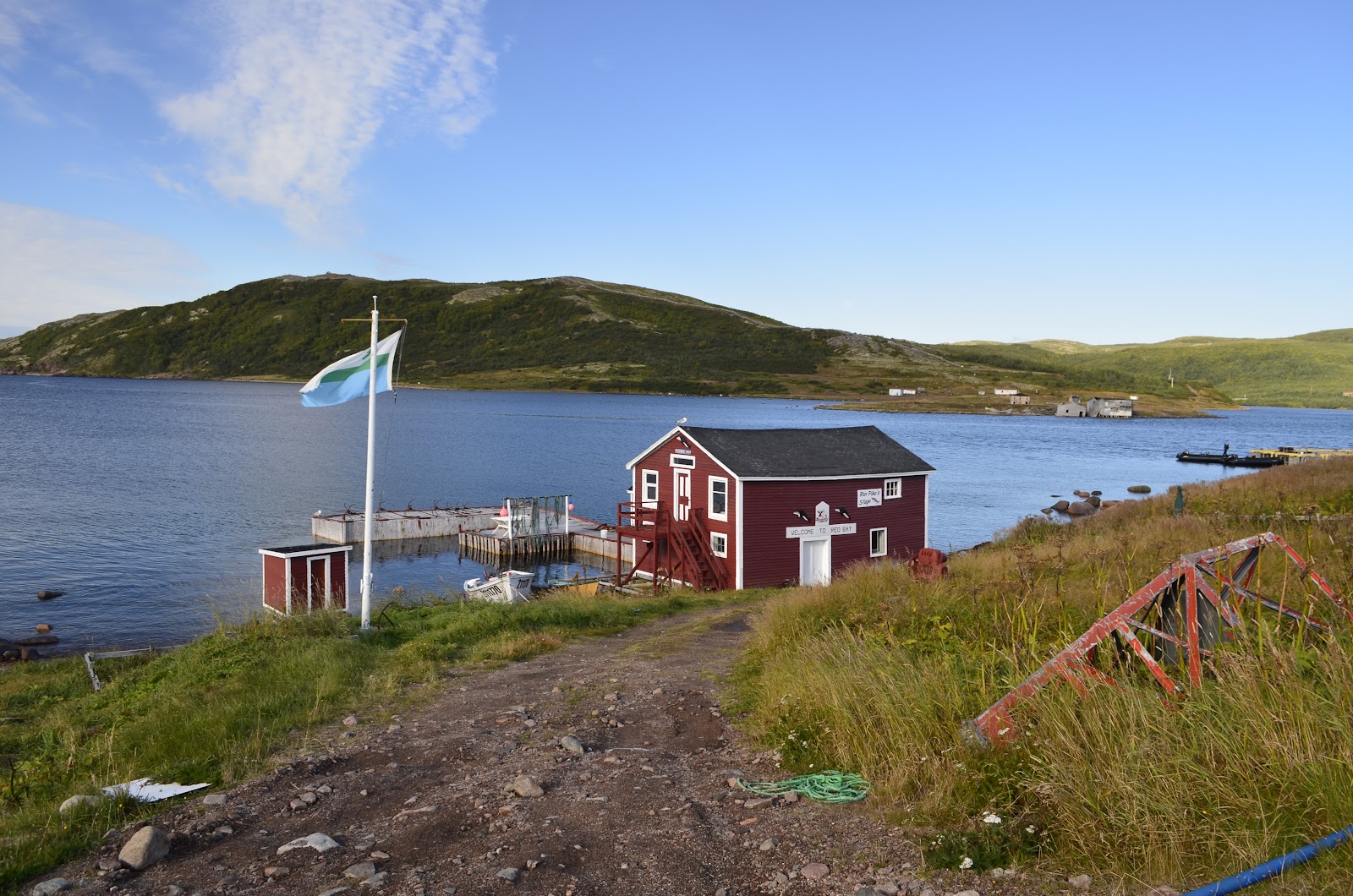
More photos


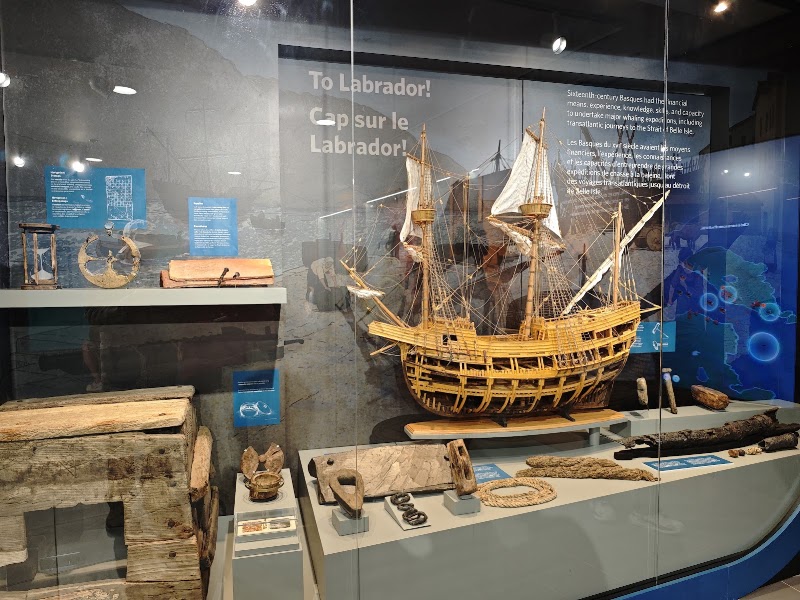


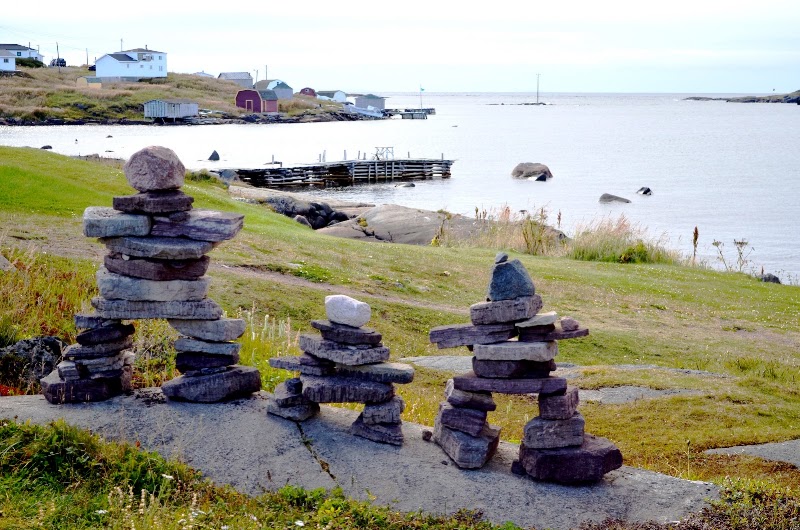
Photos published by travelers on Google, not AI generated.
What stands out
- Basque whaling archaeology displays
- Ancient shipwreck interpretation
- Saddle Island boat crossing and trail
- Views from the Tracy Hill Trail
- Small waterfront community setting
Worth knowing
- Cold, windy and damp conditions
- Possible waits for the Saddle Island skiff
- Unpaved trails require sturdy footwear
Don't miss
What comes up most in public reviews
- Museum exhibits on Basque whaling
- Underwater archaeology and shipwreck displays
- Skiff trip to Saddle Island
- Tracy Hill Trail viewpoint
Worth the trip?
A compact site with a substantial story
Red Bay National Historic Site and World Heritage Site holds a Google rating of 4.7 from 188 reviews, with visitors repeatedly praising the depth of history packed into a relatively small museum and coastal community. Public feedback describes the museum as informative rather than expansive, making its careful presentation of Basque whaling archaeology the principal draw.
The exhibits explain how 16th-century Basque crews processed whales for oil on an industrial scale. Reviewers particularly value the coverage of archaeological work carried out both on land and underwater. Tools, production methods and evidence from an ancient shipwreck help turn a potentially difficult subject into a clear account of work, trade and maritime technology. Helpful staff also receive positive mentions.
Saddle Island adds context
The experience extends beyond display cases. Saddle Island, identified in reviews as the main whale-oil production area, gives visitors a closer look at the landscape where that activity took place. Public reports describe access by a small water taxi or skiff, followed by a walk on an unpaved trail. One reviewer notes that the boat operates hourly and is complimentary, though visitors should confirm current schedules and availability on arrival.
The island excursion appears to be the site’s essential second act. Seeing the terrain after learning about the archaeology gives the museum material a stronger physical context. Reviews consistently advise taking the boat when conditions and time allow, rather than treating the museum as the whole visit.
Coastal weather requires preparation
Several reviews stress that Red Bay can feel cold, windy and damp, including during summer. A warm layer, wind-resistant outerwear and sturdy footwear are more useful than light holiday clothing or flip-flops. The trail is unpaved, and the exposed coastal setting can make a short outing feel more demanding when the weather turns.
Capacity is another consideration. Tourist buses and cruise calls can create waits for the small boat to Saddle Island. Travellers working to a fixed schedule may benefit from arriving early in the day and asking staff about the next crossing before spending time in the displays.
Views beyond the museum
Red Bay itself is repeatedly described as small, attractive and closely connected to the water. Visitors with additional time single out the Tracy Hill Trail for a broad, elevated view over the community and surrounding coastline. It offers a useful visual summary of the harbour geography explored through the exhibits and island walk.
Overall, review patterns suggest allowing at least half a day. That leaves room for the museum, a Saddle Island crossing and either the island trail or Tracy Hill, without reducing the visit to a hurried stop. The strongest experience combines all three elements: interpretation, archaeological landscape and the wider coastal view.
Ask anything
Looking for somewhere else?
Keep exploring around Red Bay
More from Canada
Canada
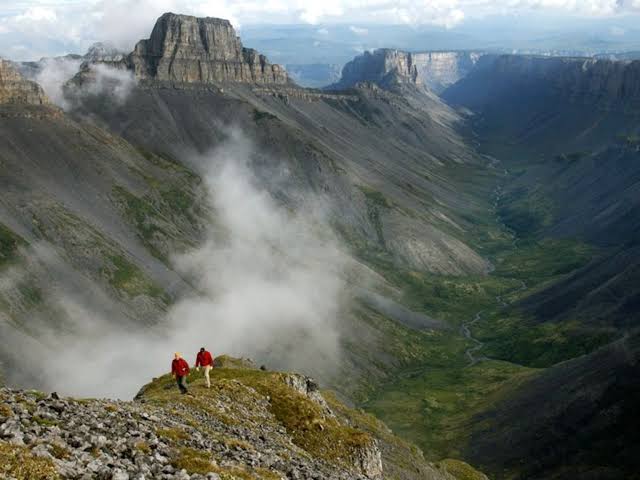
Nahanni National Park Reserve: Vast Northern Wilderness
Public reviews describe dramatic river canyons, striking mountain scenery and a profound sense of quiet in Canada’s Northwest Territories.
Canada
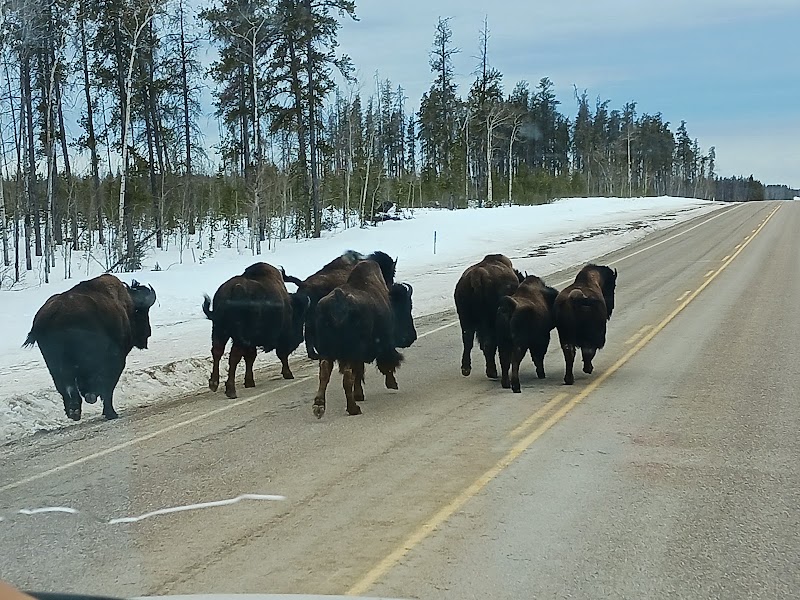
Wood Buffalo National Park: Bison, Salt Flats and Big Skies
Canada’s largest national park earns praise for free-roaming bison, varied landscapes and an exceptional night sky, though its scale demands patience.
Canada · Haines Junction
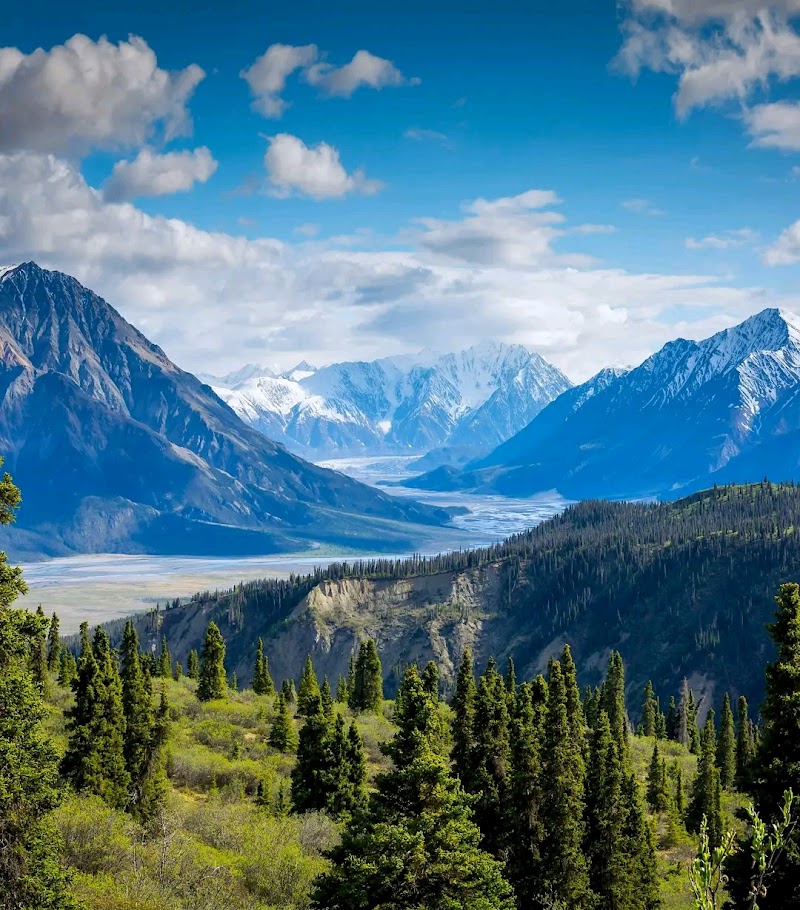
Kluane National Park rewards the effort to reach it
Public reviews praise Kluane for monumental mountain scenery, glaciers, peaceful drives and demanding hikes near Haines Junction.
Canada · Waterton Park
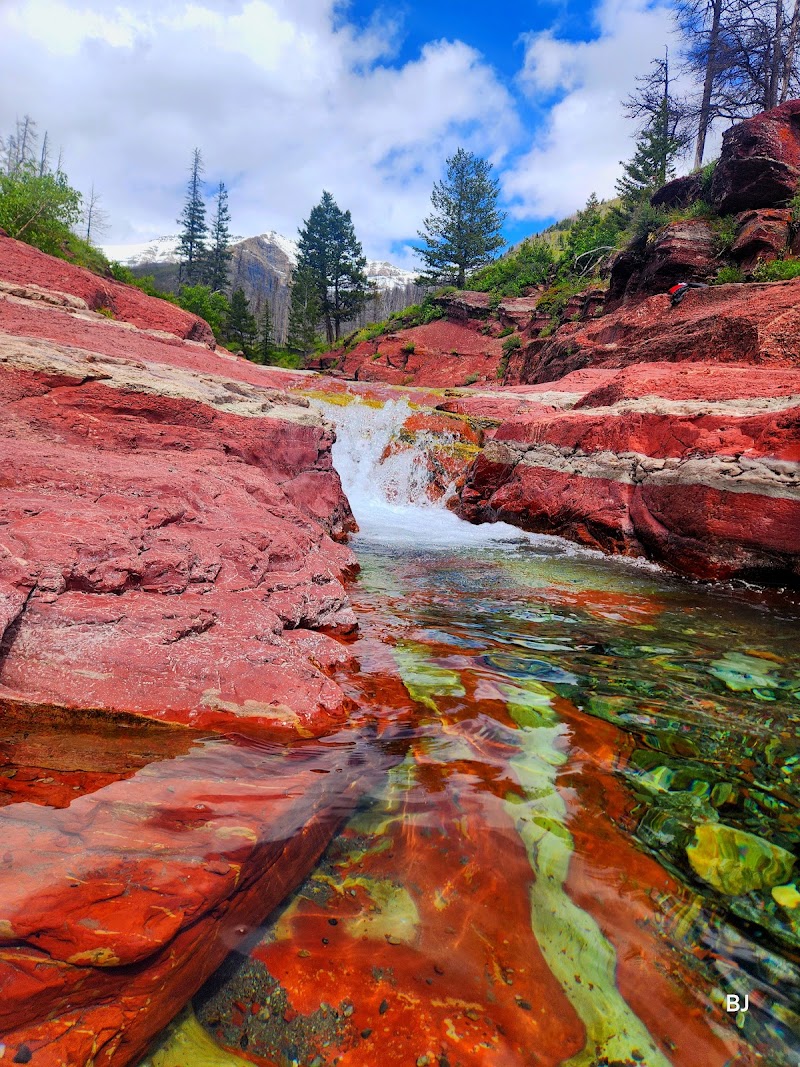
Red Rock Canyon: Easy Walks and Striking Waterton Scenery
Red stone, clear water and a choice of short walks or longer trails make this scenic Waterton canyon rewarding despite frequent crowds.