Qutb Minar: Monumental Architecture Beyond the Tower
Delhi’s soaring minaret anchors a well-kept heritage complex filled with intricate carvings, lawns and evocative medieval ruins.
More photos
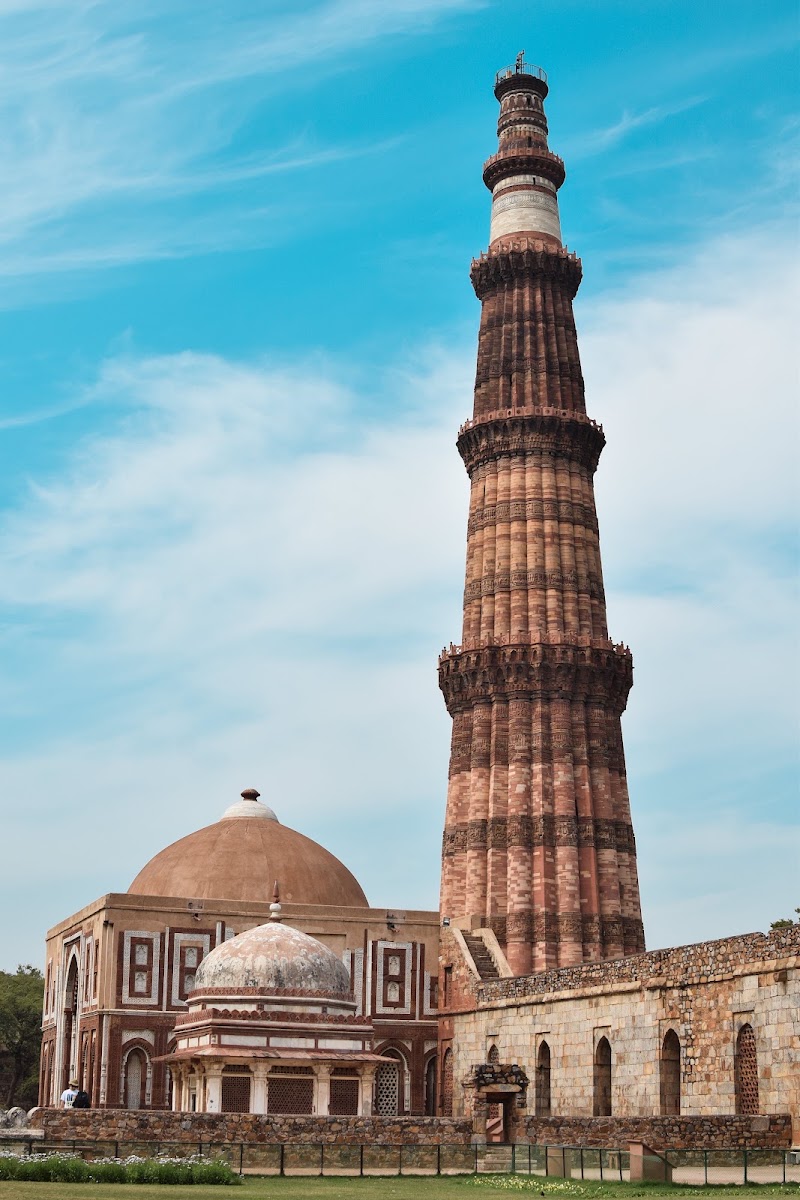
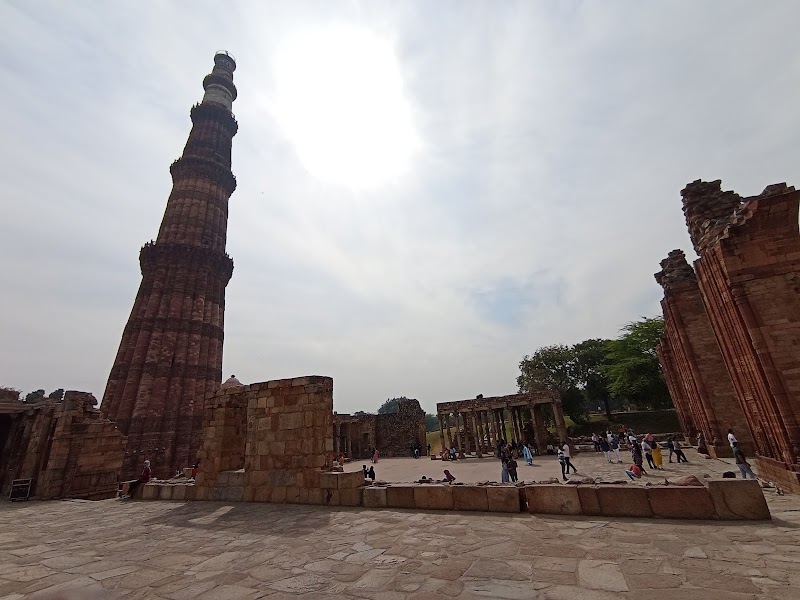
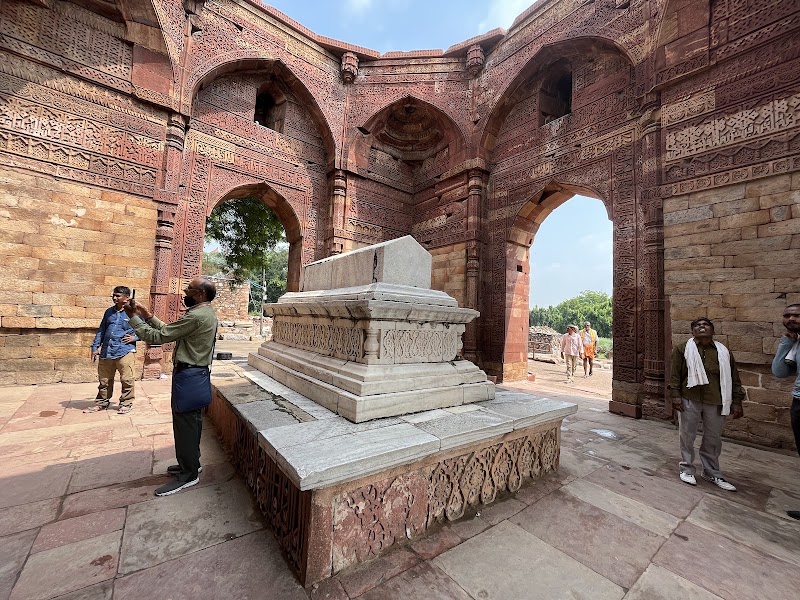
Photos published by travelers on Google, not AI generated.
What stands out
- Intricate calligraphic and geometric carvings
- Well-maintained lawns and heritage grounds
- Surrounding medieval ruins
- Clear informational and directional signs
Worth knowing
- Heavy queues at the ticket counter
- Selfie sticks and food are not permitted
- Ticket counter is opposite the entrance
Don't miss
What comes up most in public reviews
- Qutb Minar’s detailed carved surfaces
- A slow walk through the full heritage complex
- Photography among the lawns and surrounding ruins
Worth the trip?
Why it stands out
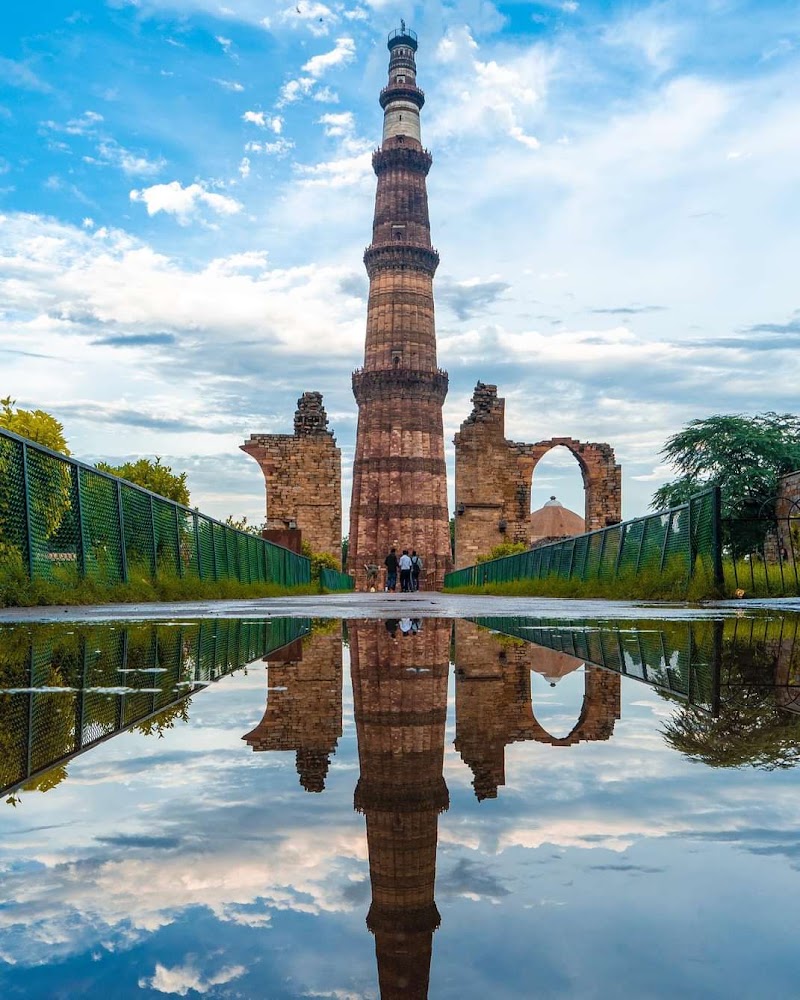
Qutb Minar has a Google rating of 4.5 from 162112 reviews. Again and again, visitors point to its scale, intricate workmanship and historical significance. The red sandstone minaret rises more than 72 metres, yet its height is only part of the draw. Public reviews often dwell on the calligraphic inscriptions and geometric patterns, right down to the detailed carving across the structure.
Many reviewers also see the monument as a strong introduction to Indo-Islamic architecture and Delhi’s medieval history. Its UNESCO World Heritage Site status provides the wider context. The immediate reaction is simpler: travellers call the tower magnificent, photogenic and memorable.
More than a single monument
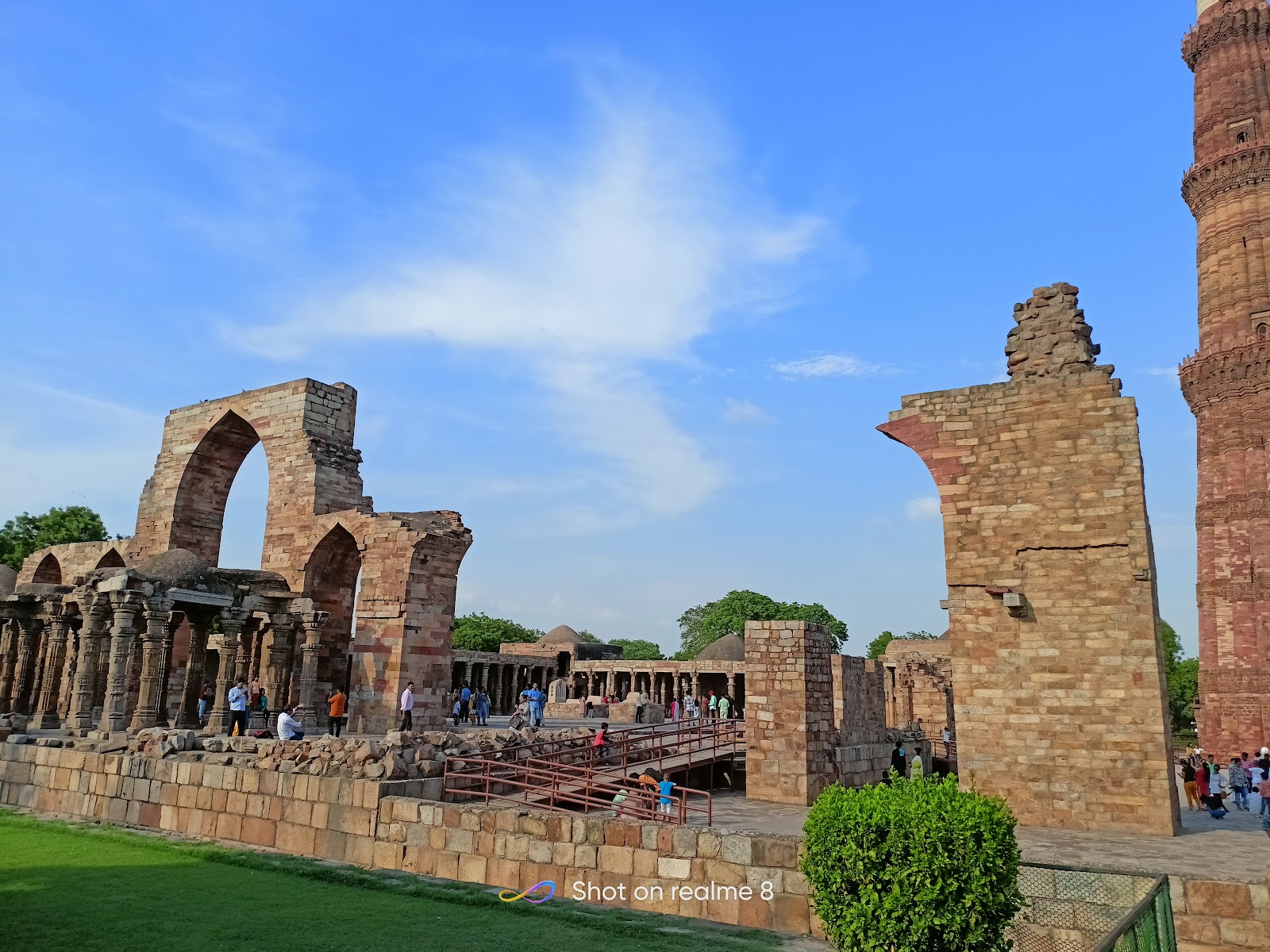
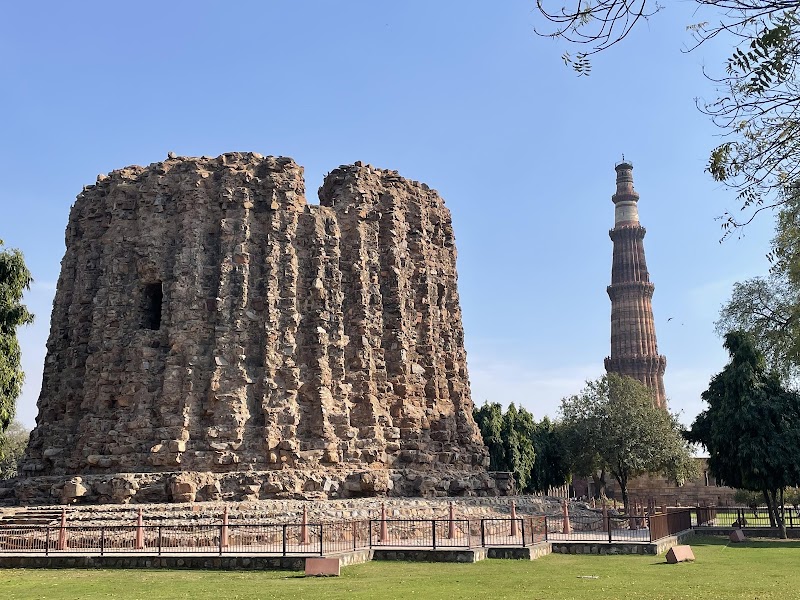
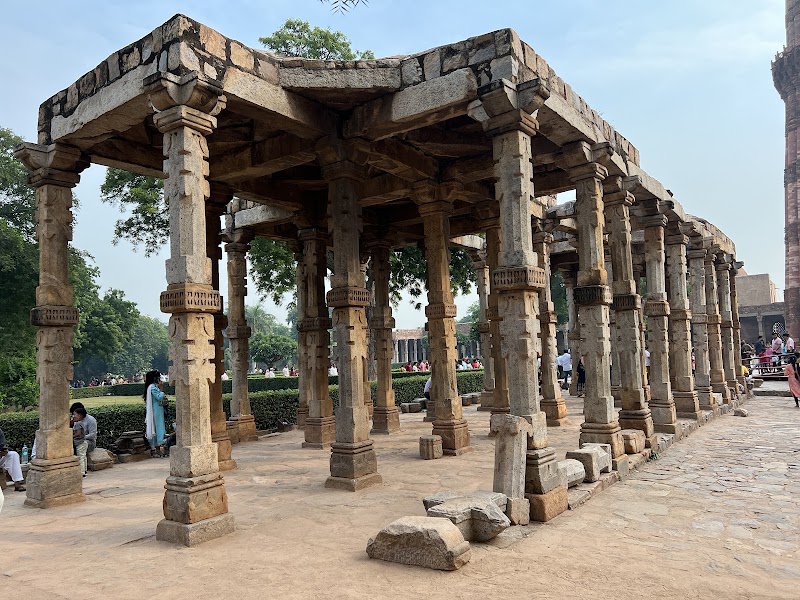
The surrounding heritage complex matters just as much to the visit. Reviewers suggest leaving enough time to walk around instead of treating Qutb Minar as a quick photo stop. Historic ruins and architectural fragments sit among the lawns around the main tower, with plenty of details that a rushed circuit can miss.
The ancient Iron Pillar is regularly singled out as another point of interest within the grounds. Informational boards draw positive comments too, as do the directional signs. They help visitors understand the site and find their way around independently.
Cleanliness and maintenance come up repeatedly as strengths. Public reviews describe the gardens and pathways as well kept, peaceful once inside and good for unhurried photography. The open green space broadens the appeal of the complex. It is not only about the minaret, monumental though it is.
Tickets and visitor practicalities
The clearest recurring complaint concerns crowds at the ticket counter. One particularly emphatic review reports a massive queue. Others advise arranging admission online, or using the QR-code and app-based methods displayed on site. The physical ticket counter is reported to be across from the entrance, so anyone arriving without a ticket may face an extra step before entry.
Security checks and entry restrictions should also be expected. According to public feedback, selfie sticks and food items are not permitted inside. Locker facilities and restrooms are reported near the ticketing area, making them worth using before entering the complex.
There is enough ground to cover for comfortable footwear and a slower pace to pay off. The main minaret dominates every view, but the best-reviewed visits go beyond the first photograph. Visitors examine the carvings, follow the signs and spend time exploring the wider ruins.
Editorial verdict
Synthesised public ratings and reviews place Qutb Minar among New Delhi’s most rewarding landmark visits. The soaring architecture makes the first impression. Finely worked surfaces, historic remains and maintained gardens then make the complex visually impressive as well as educational.
The main weakness is the admission process during crowded periods, not the monument itself. Arranging tickets in advance can smooth out the visit. Once inside, reviewers consistently praise the preservation and atmosphere, along with the sheer amount of architectural detail to explore.
Ask anything
Looking for somewhere else?
Keep exploring around New Delhi
More from India
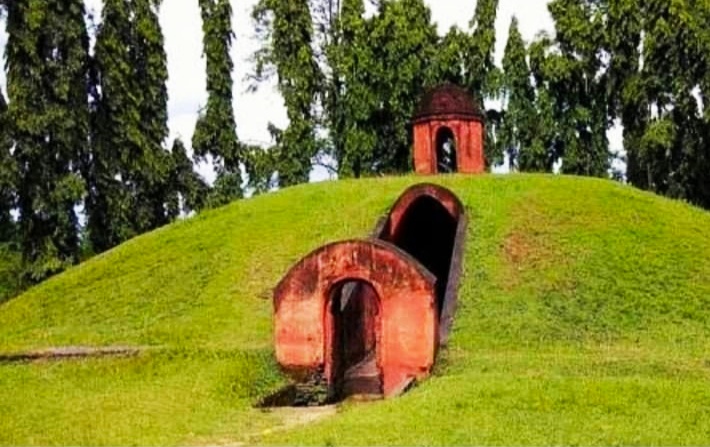
India · Bokopukhuri Habi
Charaideo Maidam: Assam’s Royal Burial Landscape
Ahom royal burial mounds, peaceful grounds and deep historical significance make this a compelling half-day landmark in Assam.
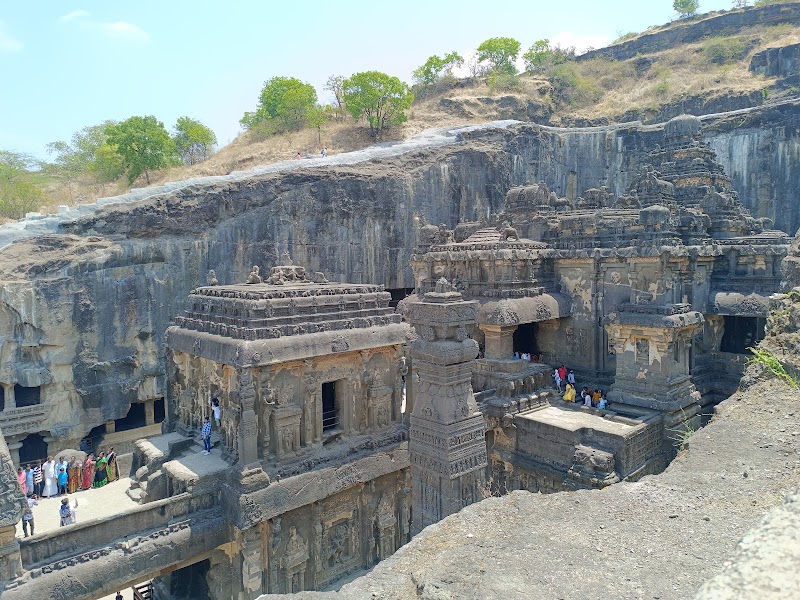
India · Verul
Ellora Caves: Monumental Art Carved Into Basalt
Ellora’s 34 rock-cut monuments unite Buddhist, Hindu and Jain traditions, with the vast Kailasa Temple dominating visitor impressions.

India · Agra
Taj Mahal review: Agra’s defining monument
Agra’s white-marble mausoleum pairs immense historical significance with one of the strongest public rating signals in Indian tourism.

India · Bengaluru
Bangalore AdvenTuRers: organised treks with a social side
Strong public feedback highlights attentive trek leaders, careful organisation and friendly group trips to destinations across Karnataka and Kerala.