Quseir 'Amra: Umayyad frescoes in Jordan’s desert
This compact UNESCO-listed retreat east of Amman stands out for its remarkably preserved bathhouse, frescoes and early Islamic architecture.

More photos
Photos published by travelers on Google, not AI generated.
What stands out
- Well-preserved Umayyad frescoes
- Historic bathhouse interiors
- Early Islamic architecture
- UNESCO World Heritage status
- Easy road access from Amman
Worth knowing
- The site is smaller than other regional castles
- Around 1.5 hours by road from Amman
Don't miss
What comes up most in public reviews
- The fresco-covered interiors
- The preserved bathhouse
- The early Umayyad architecture
Worth the trip?
Why Quseir 'Amra stands out
Public feedback consistently places Quseir 'Amra among the most worthwhile of Jordan’s desert castles. Its Google rating of 4.5 from 1935 reviews reflects strong appreciation for the site’s unusual artwork and state of preservation. Several reviewers who toured other castles in the region considered this the essential stop, even though it is the smallest of the group.
The restrained limestone exterior gives little indication of what survives inside. Built in the early eighth century during the Umayyad era, the complex served as a desert retreat and bathhouse rather than a vast defensive stronghold. Its UNESCO World Heritage status recognises both the architecture and the exceptional paintings that cover parts of the interior.
Frescoes and bathhouse interiors
The frescoes dominate traveller impressions. Reviews repeatedly describe them as beautiful, vivid and well preserved, with imagery that offers a rare view of Umayyad courtly life. Painted figures, rulers, daily activities and celestial subjects distinguish Quseir 'Amra from more austere historic sites in Jordan. The decoration also reflects Roman and Byzantine artistic influences within an early Islamic setting.
The bathhouse is equally important to understanding the monument. Its surviving rooms demonstrate how the retreat combined leisure, ceremony and practical water management. Visitors interested in architecture can examine the compact sequence of spaces rather than expecting an expansive palace complex. The appeal lies in concentrated detail: painted walls, vaulted chambers and evidence of an elite desert lifestyle from roughly 1,300 years ago.
Planning the visit
Reviews describe the journey from Amman as taking about 1.5 hours by road, with generally good access. One traveller reported reaching the site easily by taxi. The monument itself does not require a long visit, so it works best as part of a broader desert-castle outing rather than as a full-day standalone attraction. Reviewers specifically recommend combining it with another nearby castle.
Jordan Pass acceptance is also mentioned in public feedback, although travellers should confirm current entry arrangements before setting out. As the interior paintings are the principal draw, allowing enough time to examine them closely matters more than allocating hours to the wider grounds.
The verdict
Quseir 'Amra rewards travellers who value art, architecture and focused historical sites. Its modest size may disappoint anyone expecting a large fortress, but that compact scale is part of its character. Few Jordanian landmarks offer such direct access to secular painting from the early Islamic period.
Synthesised public reviews suggest that the best experience comes from approaching it as an intricately decorated bathhouse and royal retreat, not simply another desert castle. For visitors travelling east of Amman, its frescoes make it the standout cultural stop in the region and a logical anchor for a half-day castle circuit.
Plan the rest of the trip
Ask anything
Looking for somewhere else?
Keep exploring around عمّان
More from Jordan
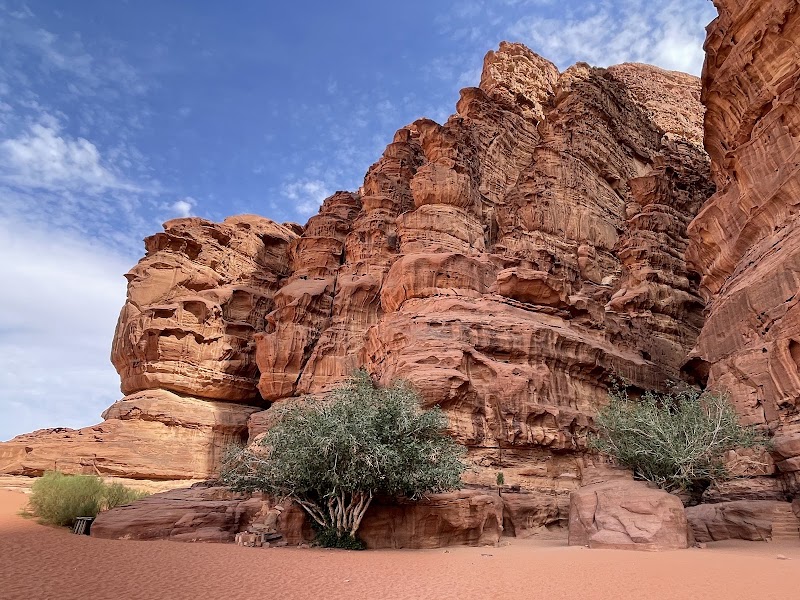
Jordan · Wadi Rum Village
Khazali Canyon: Ancient Inscriptions in Wadi Rum
A short walk into sandstone walls reveals ancient inscriptions, petroglyphs and one of Wadi Rum’s most atmospheric stops.
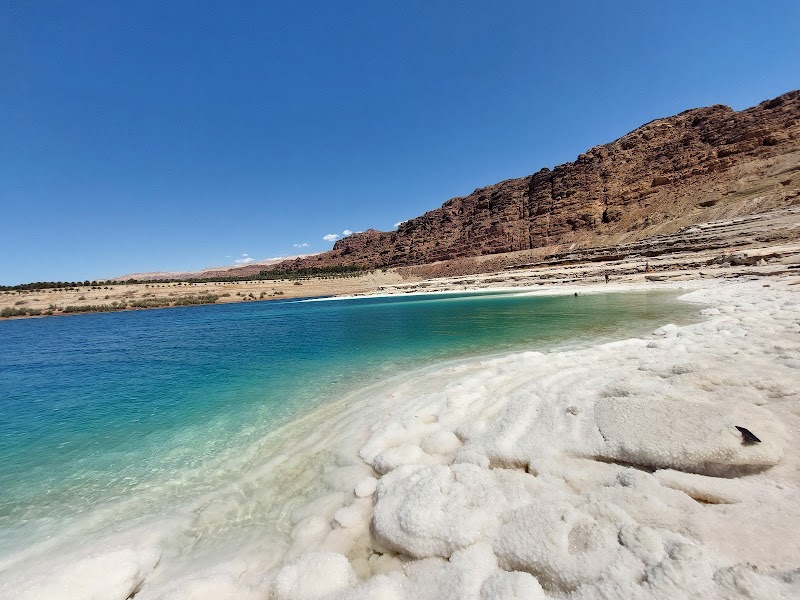
Jordan · Amman
Salt Beach: A Raw, Scenic Dead Sea Stop
Salt Beach offers striking shoreline formations and free access, with a rough approach and limited facilities that reward prepared visitors.
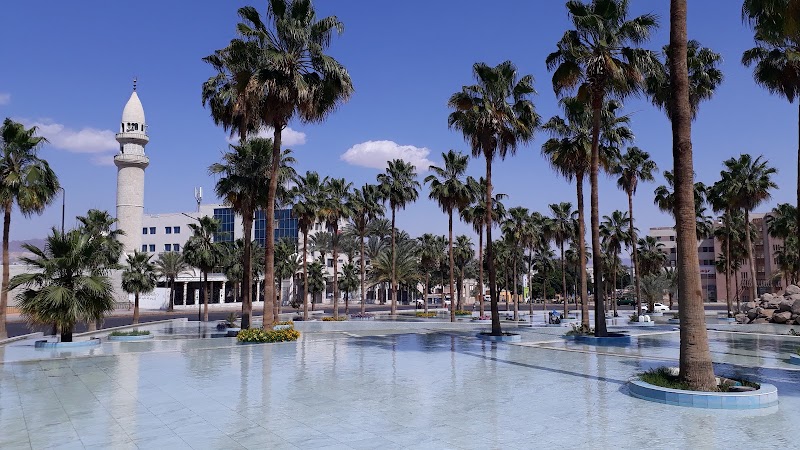
Jordan · Aqaba
Aqaba Marine Reserve for Easy Coastal Relaxation
Public reviews describe Aqaba Marine Reserve as a peaceful place for family time, meeting friends and enjoying lunch or dinner in Aqaba, Jordan.
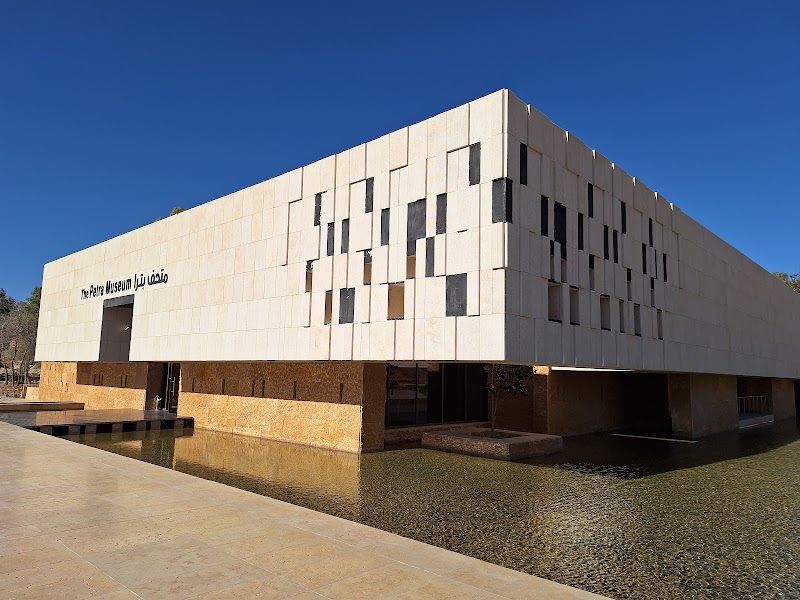
Jordan · Wadi Musa
Petra Museum: A Clearer Introduction to Nabataean Petra
This compact museum in Wadi Musa adds context to Petra with archaeological finds, accessible displays and a concise account of Nabataean history.