Quilmes Ruins: Indigenous history amid dramatic views
A highly rated archaeological site pairing an informative museum with original and reconstructed ruins, walking routes and expansive viewpoints.
More photos
Photos published by travelers on Google, not AI generated.
What stands out
- Informative museum exhibitions
- Original and reconstructed ruins
- Expansive landscape views
- Insight into Quilmes history and culture
- Optional guided interpretation
Worth knowing
- Poor-quality access road
- Museum features may be affected by power outages
- Entrance fee applies
Don't miss
What comes up most in public reviews
- Museum artefacts and exhibitions
- Short film about the Quilmes people
- Northern and southern viewpoints
- Walk through the archaeological remains
Worth the trip?
Why the Quilmes Ruins stand out
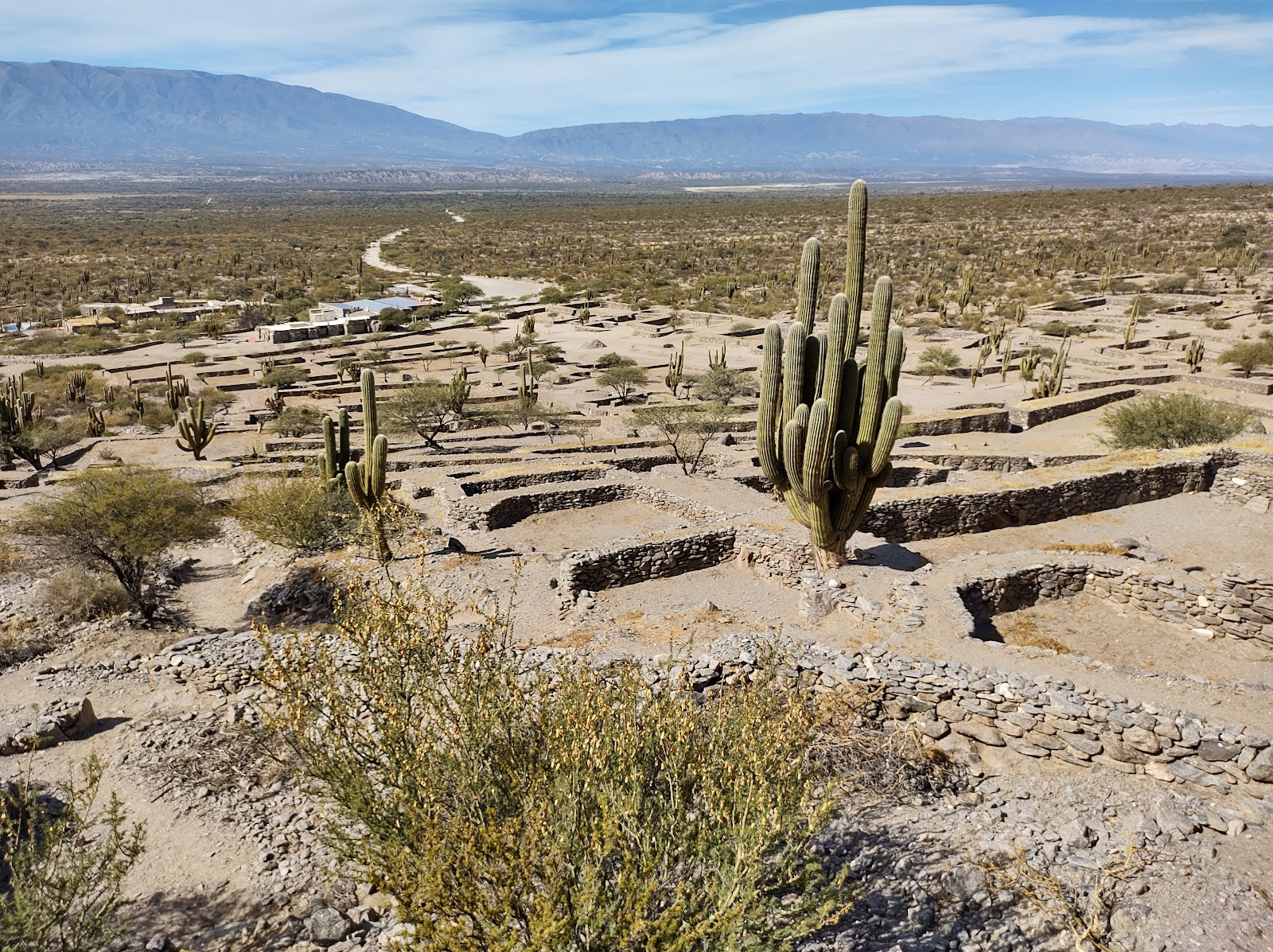
With a Google rating of 4.8 from 14773 reviews, the Quilmes Ruins attract particularly strong praise for combining archaeological remains with clear historical context. Public feedback repeatedly describes the site as an important place to learn about the culture, daily life and history of the Quilmes people, rather than simply a collection of old stone walls.
The setting adds considerable impact. Visitors mention a scenic approach and striking views from the higher sections of the site. The surrounding landscape helps communicate the scale and strategic position of the settlement, while the remains themselves include both original structures and reconstructed sections. Reviews suggest that this distinction is worth keeping in mind while exploring.
Museum and interpretation
The on-site museum is central to the experience. Reviewers highlight several exhibition rooms, archaeological artefacts, interactive displays and a short film explaining Quilmes history. Taken together, these features provide useful context before or after the outdoor walk. The museum is commonly described as informative and accessible, including by travellers who arrived with limited prior knowledge of the site.
Guides are another recurring strength. Public reviews describe them as insightful, with at least one visitor specifically noting that English-language interpretation was available. Guiding appears to be optional, with donations accepted, although arrangements may vary. Travellers seeking a deeper understanding of the ruins may find this more rewarding than walking through the structures without explanation.
Facilities also receive some positive comments. One detailed review noted clean toilets and access to drinking water. These practical features can be valuable given the exposed terrain, but visitors should still arrive prepared rather than assume every service will always be operating.
Exploring the archaeological site
Outside the museum, visitors can walk among low stone remains and climb toward the viewpoints. Reviews specifically praise the northern and southern viewing areas, where the broader landscape becomes part of the attraction. The climb turns the visit into a light hiking experience, so suitable footwear and enough time to explore are sensible.
The combination of indoor interpretation and outdoor exploration makes the ruins better suited to a half-day visit than a quick roadside stop. Those most interested in Indigenous history will benefit from seeing the museum displays or film before entering the archaeological area, then using that context to identify how the settlement was organised.
Practical drawbacks
The access road is the clearest concern in the supplied reviews. One traveller described it as poor quality, so journey times and road conditions deserve consideration before setting out. Another reported that the museum could not open during a power outage. That appears to have been an operational disruption rather than a general criticism, but it shows that some exhibits and interactive features may depend on electricity.
An entrance fee applies, though the amount reported by travellers varies and should be checked locally. Even with these caveats, the overall review pattern is emphatically positive. The strongest experience comes from allowing time for both the museum and the climb, rather than treating the ruins as a photo stop alone.
Plan the rest of the trip
Ask anything
Looking for somewhere else?
Keep exploring around Quilmes
More from Argentina
Argentina · Puerto Iguazú
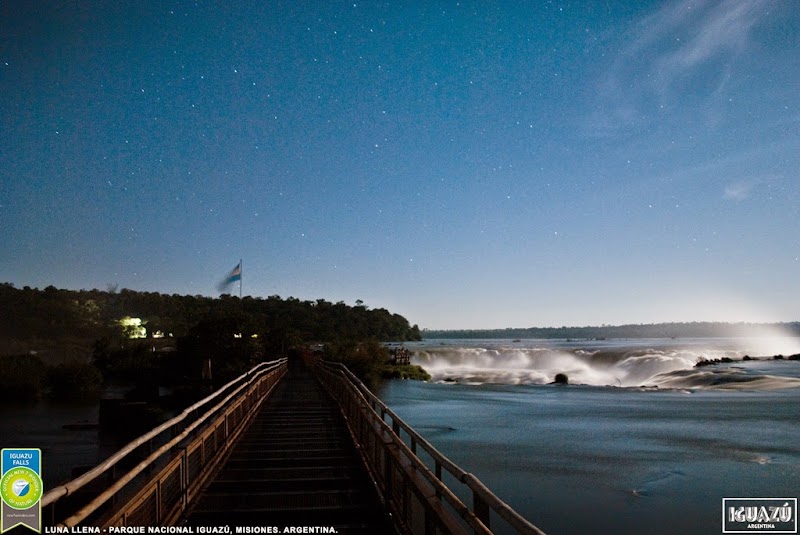
Paseos de Luna Llena en las Cataratas del Iguazú Review
Public reviews describe an immersive national park experience, with multiple walkways, rainforest scenery and close views of the Iguazú Falls.
Argentina · Buenos Aires
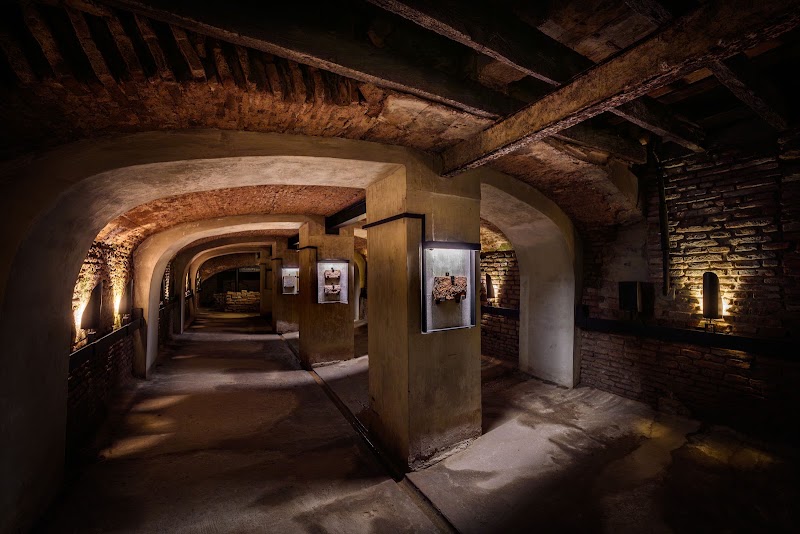
El Zanjón de Granados: Buenos Aires Beneath the Surface
Guided tours reveal a restored historic house, underground canals and the layered social history of Buenos Aires.
Argentina · Buenos Aires
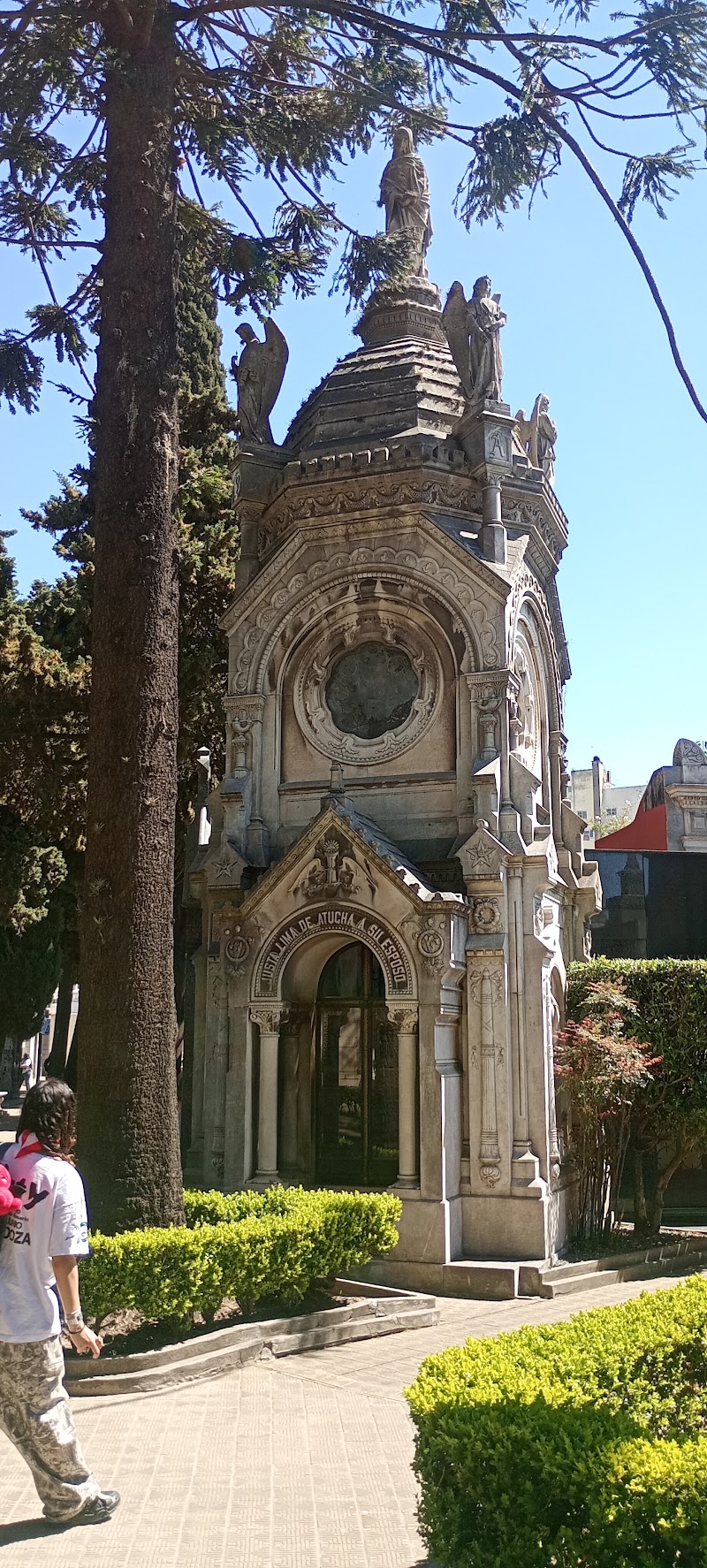
Recoleta Cemetery: Ornate Tombs and Buenos Aires History
Recoleta Cemetery rewards slow wandering, especially when a guide brings its famous residents and elaborate mausoleums to life.
Argentina
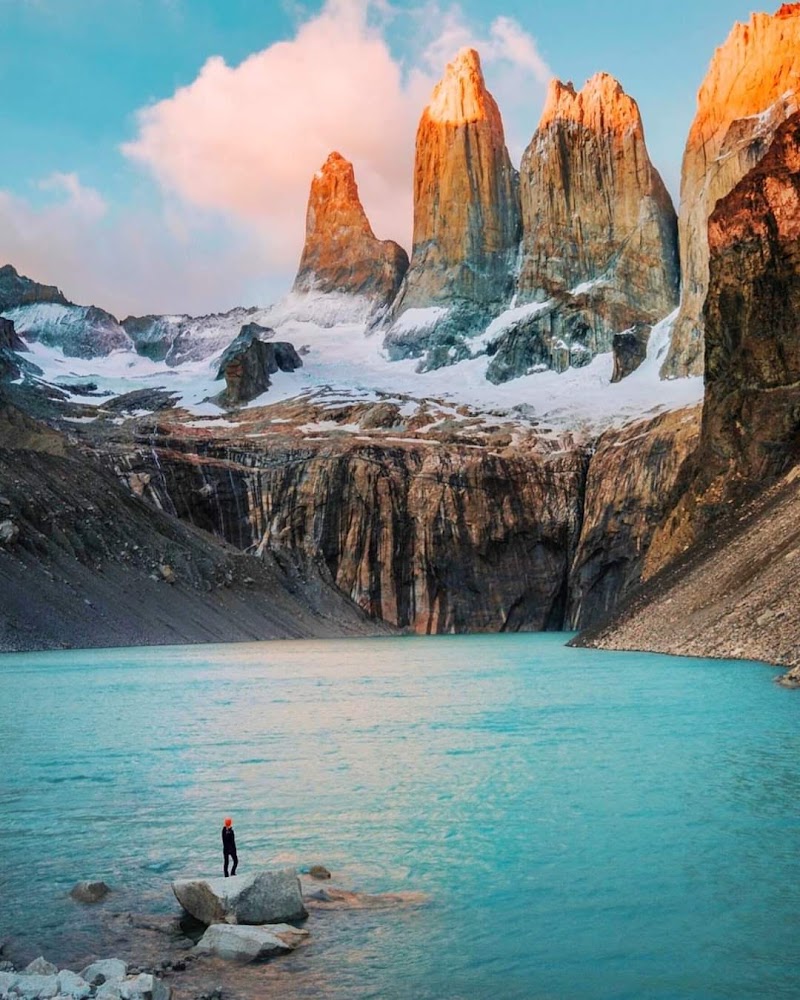
Torres del Paine: Patagonia’s Great Open-Air Spectacle
Public reviews consistently praise the park’s peaks, glaciers, turquoise water and wildlife, while warning that weather and scale demand planning.