Quarantine House: Curaçao’s Atmospheric Urbex Landmark
A gutted historic building at Caracas Baai, valued for its layered past, stark architecture and coastal views despite serious deterioration.
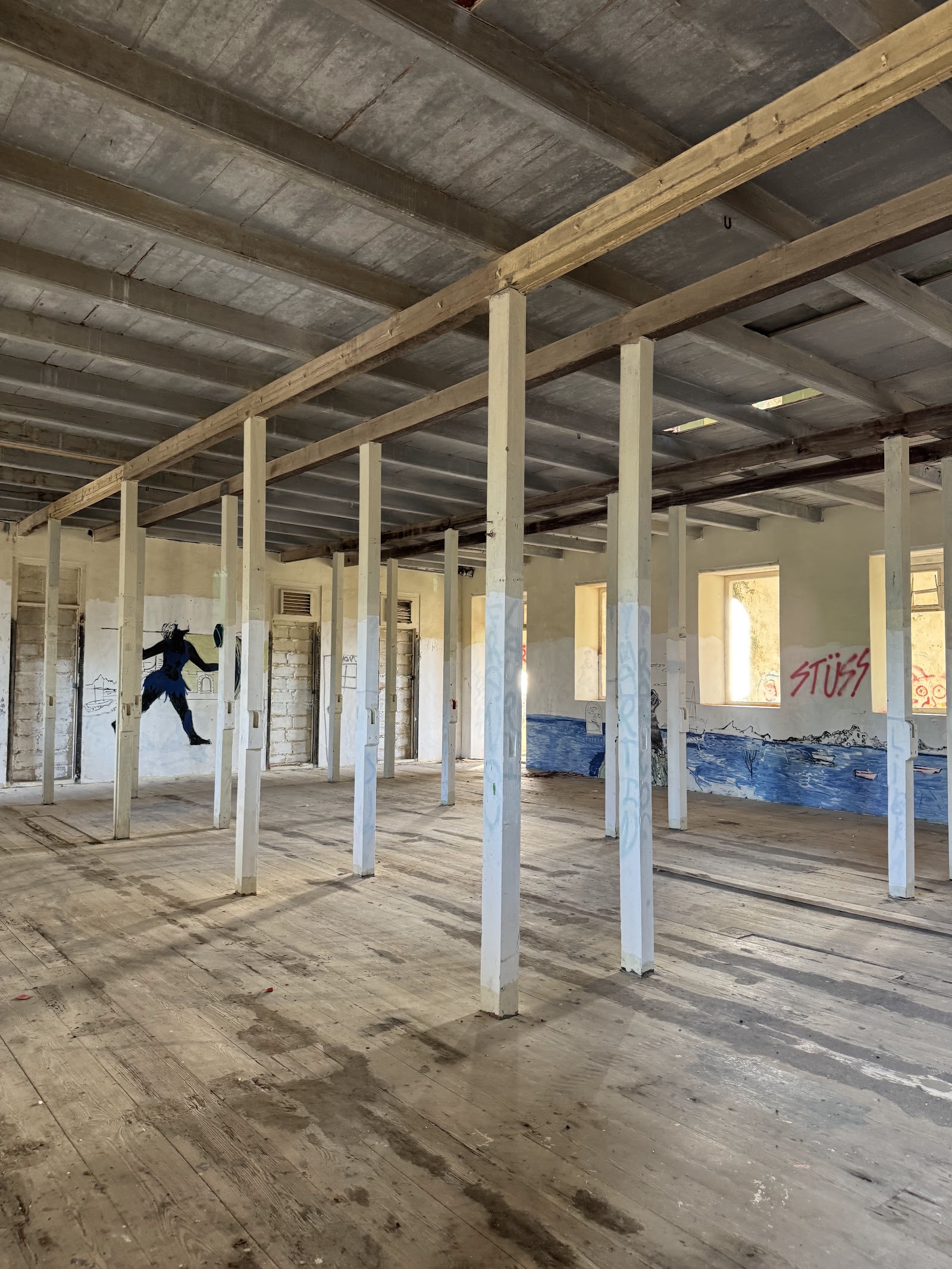
More photos
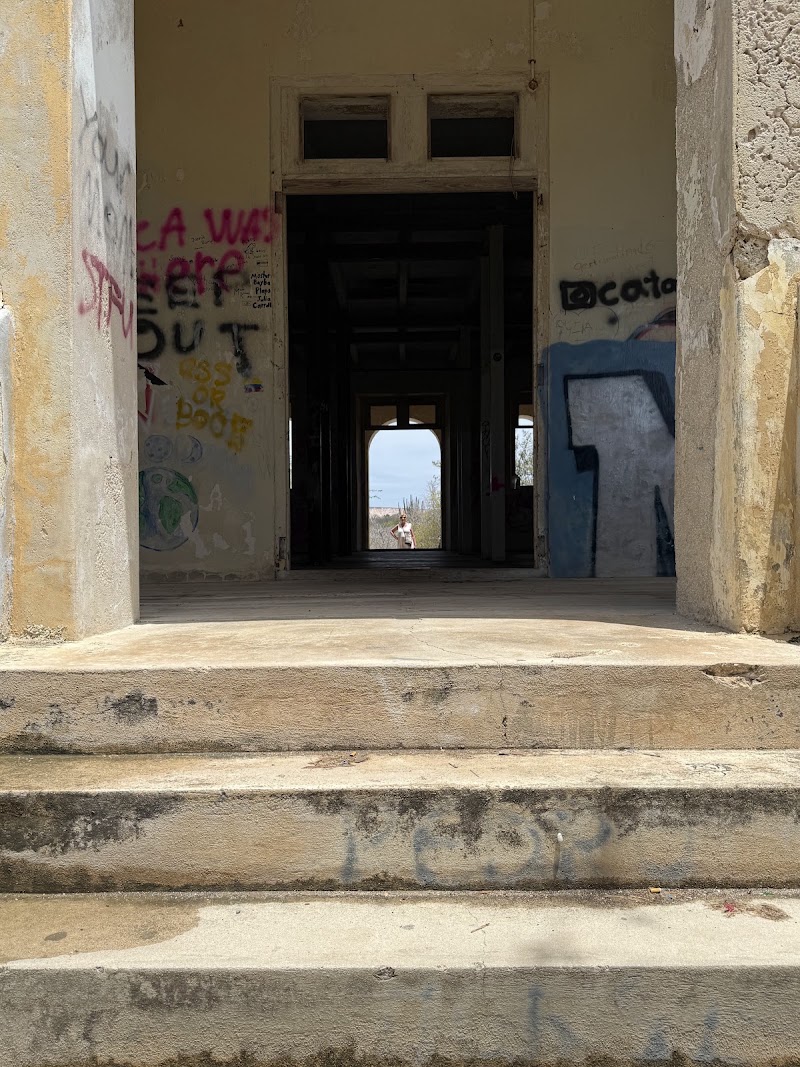

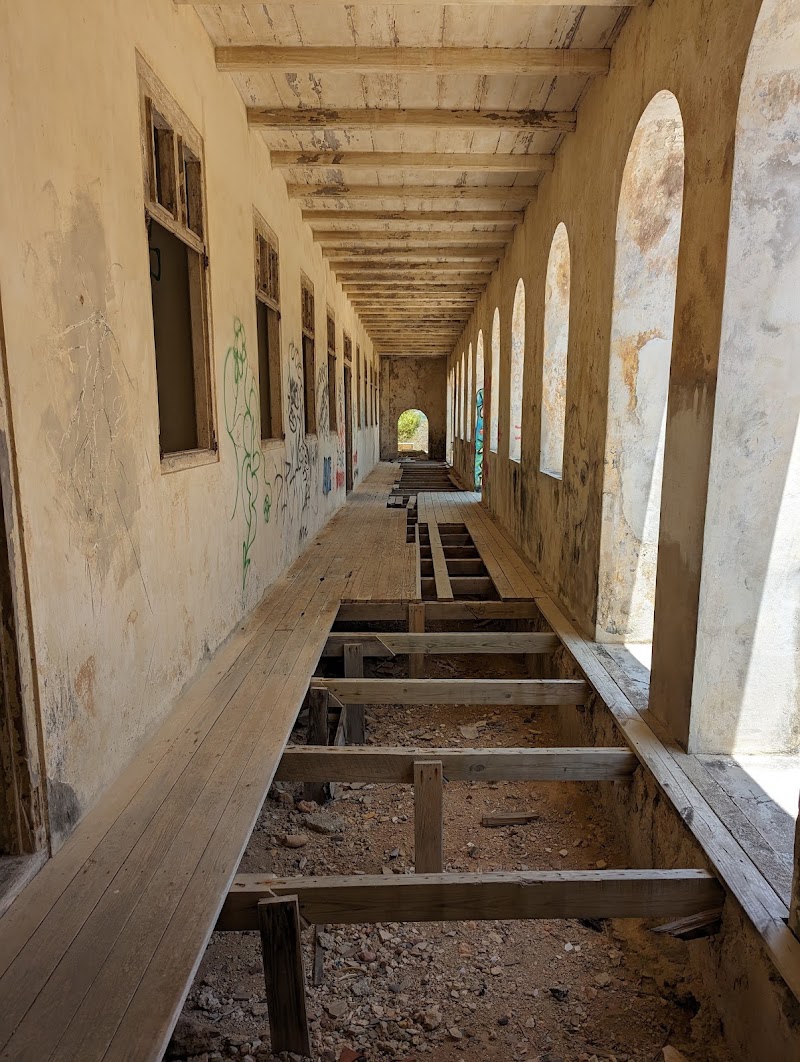


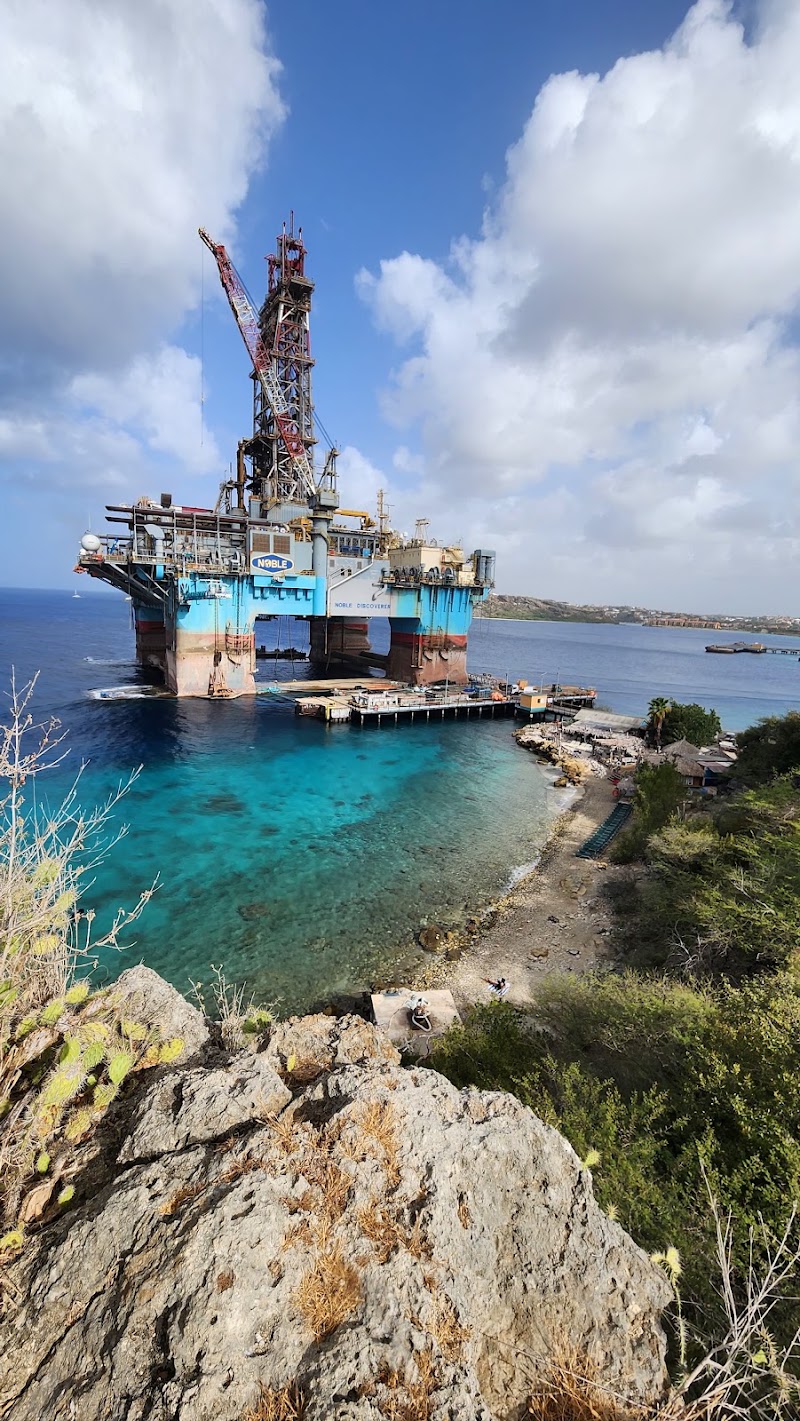
Photos published by travelers on Google, not AI generated.
What stands out
- Atmospheric abandoned structure
- Coastal views at Caracas Baai
- Gutted interiors and exposed beams
- Maritime and quarantine history
Worth knowing
- Reported collapsing floor
- Significant structural deterioration
- Little remaining inside the building
Don't miss
What comes up most in public reviews
- The surviving exterior structure
- Views through the empty interior
- The remaining vertical wooden beams
- The site’s quarantine and hospital history
Worth the trip?
What public reviews say
Quarantine House is an abandoned historic structure in the Caracas Baai area of Willemstad. With a Google rating of 4.3 from 73 reviews, it attracts travellers interested in urban exploration, weathered architecture and Curaçao’s more difficult history. The consensus is not that the building is polished or conventionally beautiful. Its appeal comes from atmosphere, context and location.
Reviewers repeatedly describe a solid shell that has been stripped of most interior features. Empty rooms, exposed beams and visible decay create strong photographic compositions, while the coastal setting adds open views and a sense of isolation. One reviewer found the site relatively busy in reputation but quiet during the actual visit. Another considered the urban-exploration element fairly ordinary because the interior is empty and the property receives plenty of visitors.
History gives the ruins meaning
The background story is what lifts Quarantine House above a routine abandoned building. Public reviews describe it as a former isolation facility associated with sick or potentially infected seamen. Some reviewers also identify it as a place where enslaved people who became ill during the Middle Passage were held to recover. That history is serious and deserves a respectful visit rather than treatment as a casual playground.
The surviving structure is frequently described as a reminder of Curaçao’s maritime and colonial past. Even travellers who find the empty interior underwhelming say the historical context makes the stop more worthwhile. The building’s scale and remaining vertical timbers help visitors imagine how it once functioned, although deterioration now dominates the experience.
Because information at an unmanaged ruin may be limited, travellers with a strong interest in the site’s history may want to research its former medical and quarantine roles before arriving. The reviews supplied do not indicate a formal exhibition, guided interpretation or restored interior.
Views, photography and timing
The location is one of the strongest recurring positives. Reviewers praise the view and suggest that the building’s position would be particularly atmospheric around sunset. Light passing through the gutted rooms and open window frames can make the architecture more visually compelling than it appears in the harsh middle of the day.
This is best treated as a short stop rather than a major half-day attraction. Visitors can examine the exterior, look through the surviving interior spaces and take in the surrounding scenery without needing a long itinerary. It pairs naturally with broader exploration of Caracas Baai.
Safety and overall verdict
Comments about safety are mixed and should be read cautiously. Some reviewers felt the main structure seemed mostly safe, but they also reported deterioration and a collapsing floor. That combination makes unsupported assumptions risky. Visitors should avoid unstable surfaces, exposed edges and any section that appears structurally compromised. Closed shoes are more sensible than beach footwear, and daylight offers better visibility.
Quarantine House is most rewarding for travellers drawn to ruins, photography and historical places that have not been fully restored. Those expecting exhibits, preserved rooms or elaborate architectural detail may find it too empty. Its strongest qualities are the coastal setting and the history attached to the shell, while its greatest weakness is the lack of restoration and the resulting safety concerns.
Ask anything
Looking for somewhere else?
Keep exploring around Willemstad
More from Curaçao
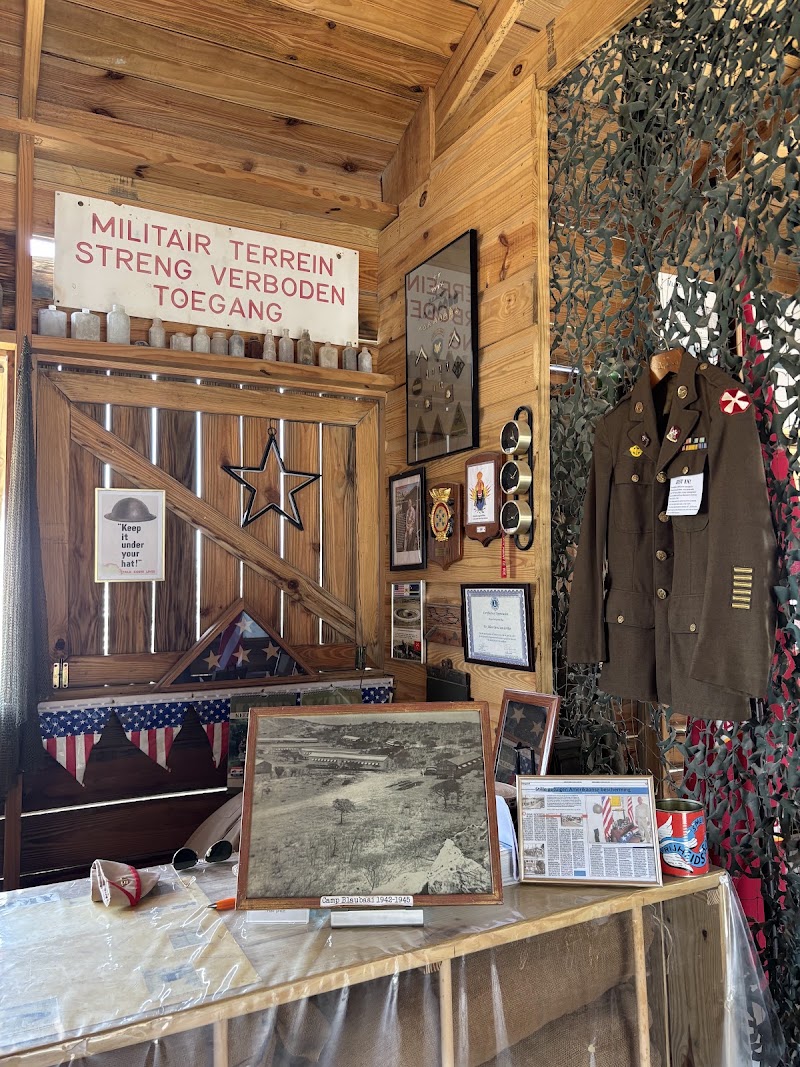
Curaçao · Blaauwbaai
WWII Museum Curaçao: Small Collection, Big Stories
This appointment-only museum in Blaauwbaai pairs Curaçao’s wartime history with detailed storytelling from founder Allan van der Ree.
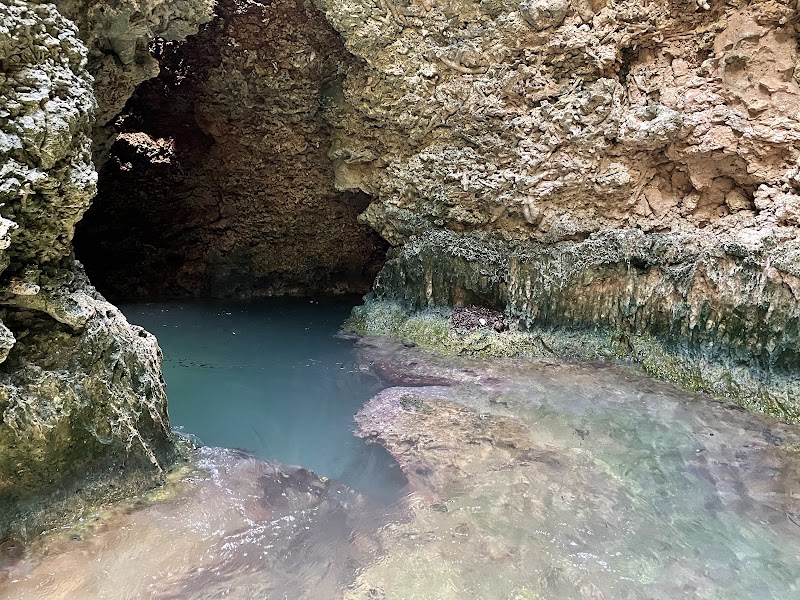
Curaçao · Westpunt
Tomasito Cave: A Rugged Detour in Westpunt
Tomasito Cave combines coastal views, steep steps and a watery cave approach, making it better as a quick adventure than a major island sight.
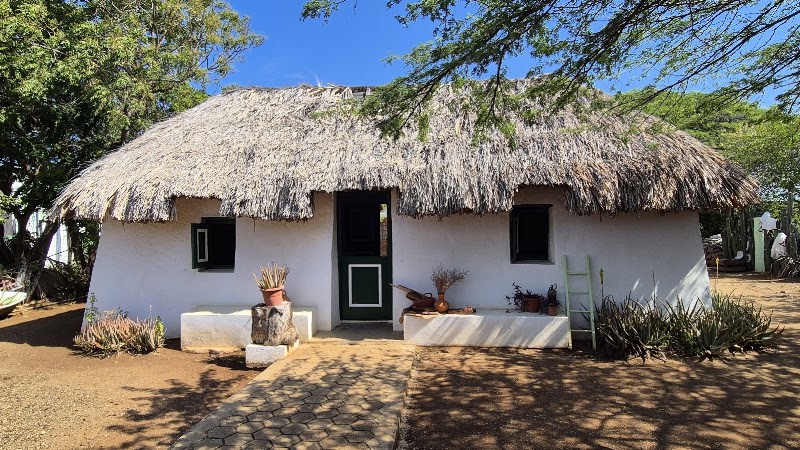
Curaçao · Dokterstuin
Kas di Pal'i Maishi: Curaçao’s Past in Everyday Detail
This preserved kunuku house in Dokterstuin explores post-emancipation rural life through domestic objects, traditional practices and lively interpretation.
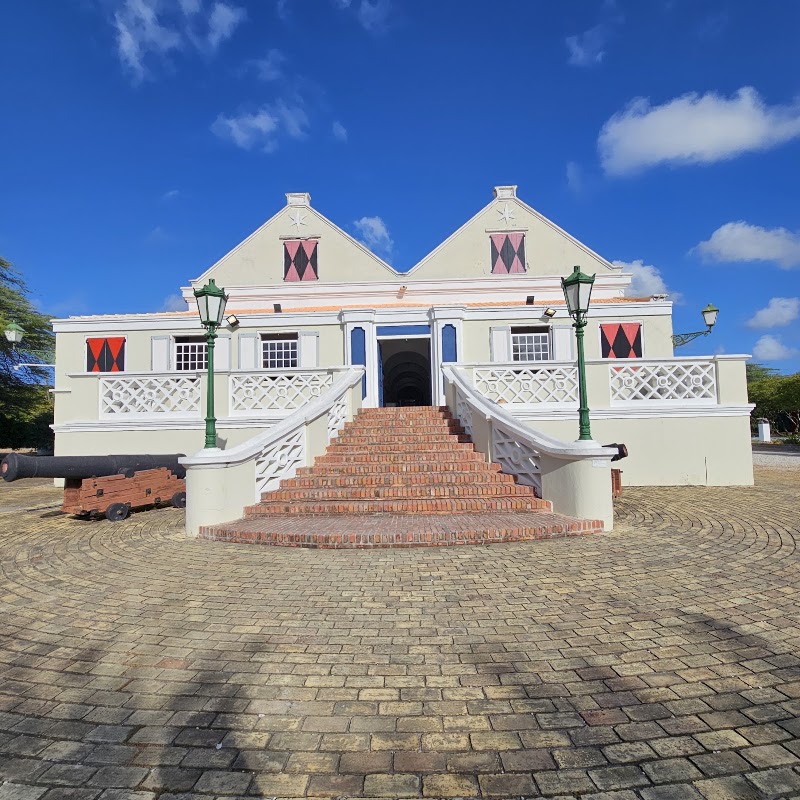
Curaçao · Willemstad
The Curaçao Museum: Island history in a grassroots setting
This modest Willemstad museum pairs local artefacts and art with a characterful building, though limited context and upkeep divide visitors.