Qasr Qaroun Temple: A Compact Ptolemaic Landmark
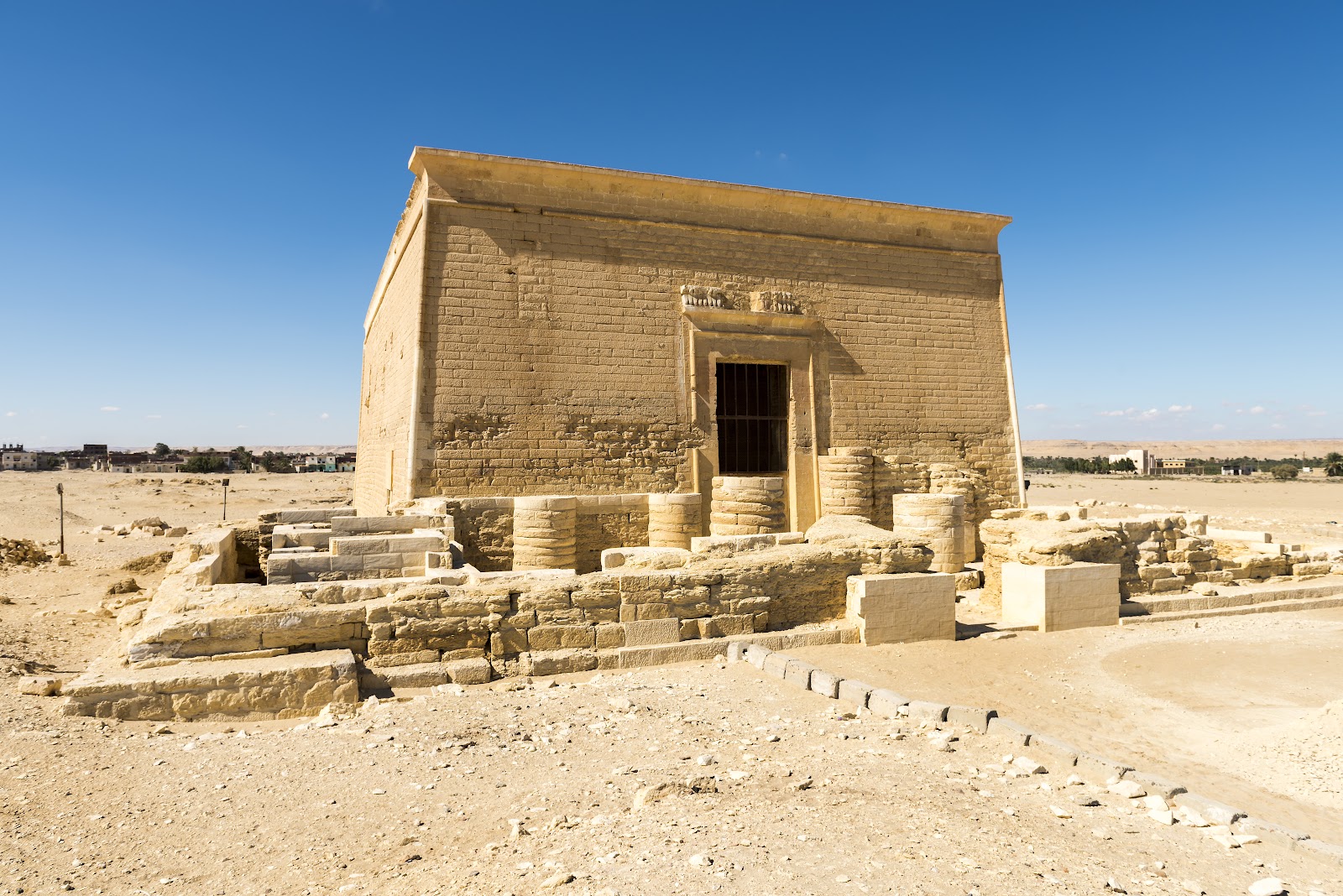
This well-preserved limestone temple near Lake Qaroun rewards close inspection, particularly for its rooftop relief of Sobek.
More photos
Photos published by travelers on Google, not AI generated.
What stands out
- Well-preserved yellow limestone structure
- Rooftop relief of the crocodile god Sobek
- Views from the temple roof
- Compact Ptolemaic-era architecture
Worth knowing
- The plain exterior can make the site look smaller than expected
- The Sobek relief may be missed without climbing to the roof
- Claims about the temple’s date and purpose remain uncertain
Don't miss
What comes up most in public reviews
- Climb to the roof
- Find the relief of Sobek
- Look for the adjacent figure described as a king
- Examine the internal chambers and passages
Worth the trip?
What the reviews suggest
Qasr Qaroun Temple earns a Google rating of 4.2 from 672 reviews, with visitors repeatedly praising its preservation, unusual interior and strong sense of history. Although its name is often translated as the Palace of Qaroun, public accounts identify it as a Ptolemaic temple rather than a palace. Its relatively plain, compact exterior can undersell what waits inside.
Reviewers describe a structure built from yellow limestone blocks, with much of the ancient building still intact. Parts of the exterior have reportedly been restored, while internal elements have been reinforced. The result is a site that feels substantial despite its modest footprint. Travellers interested in architecture seem especially taken with the internal arrangement of chambers and passages.
History without easy answers
The temple is generally associated with Egypt’s Ptolemaic period. One detailed review places that era between 323 and 30 BC and suggests construction may have begun around 320 BC. However, the lack of inscriptions makes a precise date difficult to establish. That uncertainty is part of the experience: visitors encounter a surviving ancient building whose original context is not fully explained by decoration or written records.
Its dedication is also presented cautiously in the reviews. The strongest clue is a relief of Sobek, the crocodile god closely associated with the Fayoum region. Another figure, described as a king, appears beside it. Reviewers note that there is little other surviving artwork inside, so the rooftop carving carries particular significance.
One public review refers to 365 rooms, but others describe the monument as a small temple and reject the “palace” label. Visitors should therefore approach grander claims with care and focus on the architecture that can be directly observed.
The rooftop highlight
The most consistently recommended feature is the climb to the roof. From there, visitors can look for the relief of Sobek carved into the wall, a detail that at least one reviewer warns can easily be missed. The elevated position also provides views across the surrounding area near the western end of Lake Qaroun.
This rooftop access appears to transform the visit from a quick inspection into something more memorable. Reviews use words such as fascinating, breathtaking and mystical when describing the carving and atmosphere above the temple. Anyone moving too quickly through the interior risks overlooking the site’s defining detail.
Planning the visit
Qasr Qaroun suits a short historical stop rather than a full-day attraction. Reviews describe it as close to the city and not especially time-consuming to reach, though they provide little practical detail about transport or visitor facilities.
One reviewer singles out sunrise on December 21 as a special occasion, but this is not a recurring theme across the supplied feedback. For a typical visit, daylight is the sensible choice, allowing the limestone construction, internal layout and rooftop relief to be seen clearly. The site should appeal most to travellers exploring Fayoum’s archaeological landscape, particularly those prepared to examine a compact monument slowly rather than expecting a large, heavily interpreted complex.
Plan the rest of the trip
Ask anything
Looking for somewhere else?
Keep exploring
More from Egypt
Egypt
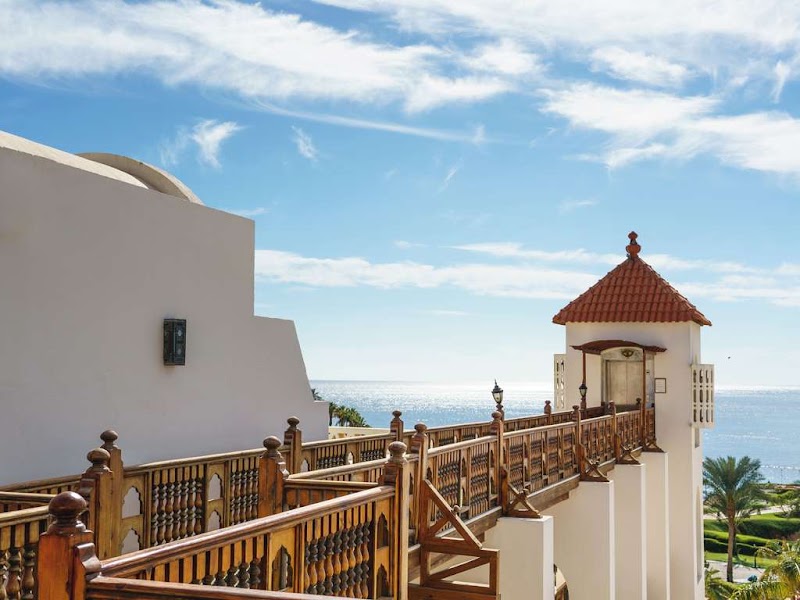
Mövenpick Resort Sharm el Sheikh: Views and Warm Service
Strong public feedback highlights sweeping views, attentive service, varied food and a well-regarded kids club at this Sharm el Sheikh resort.
Egypt
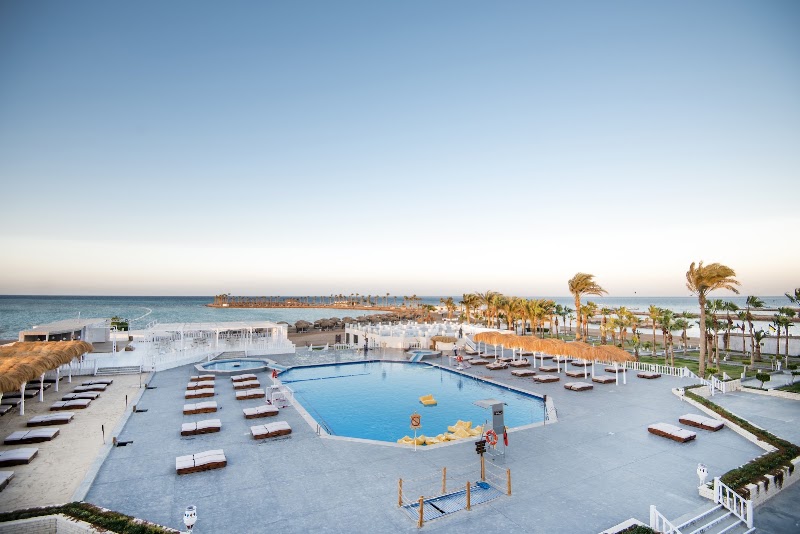
Meraki Resort Adults Only: Lively Beach Time in Hurghada
A sociable adults-only resort where varied dining, clean beaches and nightly entertainment earn consistently enthusiastic feedback.

Egypt
Novotel Sharm El Sheikh: Sociable beachside stays
Strong public feedback for friendly staff, lively activities and clear-water beach time makes this Sharm El Sheikh hotel especially appealing to families.
Egypt
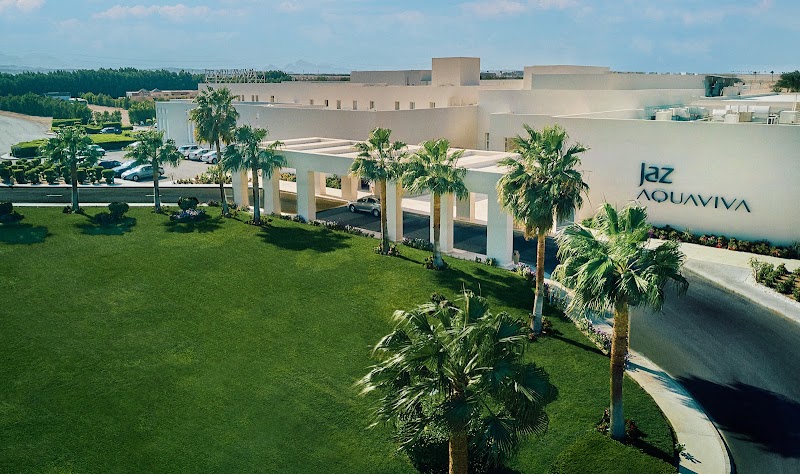
JAZ Aquaviva review: family-focused fun in Egypt
Strong service, a large aquapark and energetic entertainment make JAZ Aquaviva a compelling family resort, though it lacks direct sea access.