Qasr Al-Haraneh: An Umayyad Landmark in Jordan’s Desert
Qasr Al-Haraneh is a remarkably preserved early Islamic monument east of Amman, with debated origins and a strikingly isolated desert setting.
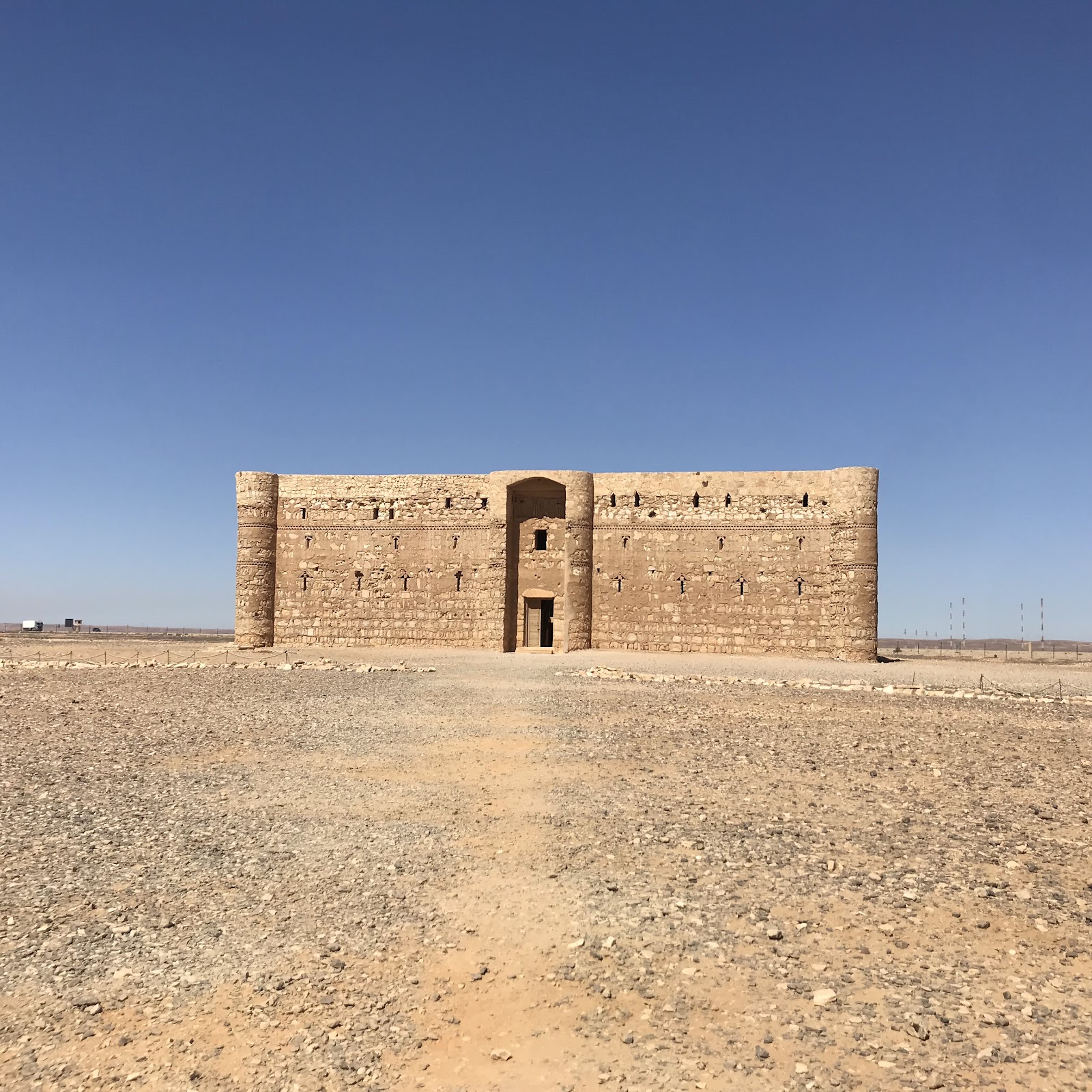
More photos
Photos published by travelers on Google, not AI generated.
What stands out
- Well-preserved Umayyad-period architecture
- Isolated desert setting
- Two-storey layout with halls and rooms
- Early Islamic historical significance
- Close to the main desert road
Worth knowing
- Summer heat can be intense
- Ticket information should be checked before arrival
- Roughly 1 hour and 15 minutes from Amman
Don't miss
What comes up most in public reviews
- Walk through the halls and rooms
- Examine the thick stone walls
- Ask about the building’s debated purpose
- Take in the desert setting
Worth the trip?
Qasr Al-Haraneh has a 4.4 rating from 1,977 Google reviews, and the public feedback is consistent about its appeal: this is an exceptionally atmospheric historical stop in the desert east of Amman. Its square stone form appears almost fortress-like beside the road, while the interior reveals a more complex building with halls, rooms and two levels.
A rare early Islamic site
The castle dates to the Umayyad period and is generally placed in the early eighth century, making it roughly 1,300 years old. Reviewers repeatedly point to its thick walls, careful preservation and importance in the history of Islamic architecture. The name appears in several spellings in public listings and reviews, including Qasr Al-Harranah and Qasr Al-Kharanah.
Its original purpose is not fully settled. Information attributed in the reviews to Jordan’s Department of Antiquities says scholars continue to debate the building’s use. The most widely accepted interpretation is a khan, or stopping place for travellers. That uncertainty adds interest without changing the main experience: the site offers a tangible sense of movement across the early Islamic desert.
What the visit feels like
Visitors describe Qasr Al-Haraneh as standing alone in broad desert surroundings, with the main road relatively close by. Inside, the preserved rooms and multiple halls reward a slow circuit. The scale is manageable, and several reviews suggest that around an hour is enough for a focused visit.
This is not a site built around extensive visitor facilities or a long programme of activities. Its value lies in the architecture, the setting and the chance to examine a historic stopping place at close range. The quiet landscape does much of the work. So does the contrast between the severe exterior and the more intricate interior arrangement.
Planning the stop
Public reviews place the drive at roughly one hour and 15 minutes from Amman through desert scenery, on the road towards Saudi Arabia and Iraq. That makes the castle most practical as part of a wider desert-castle outing or a Jordan road trip, rather than as an urban attraction. The site is also mentioned as included in the Jordan Pass.
Summer heat is the clearest recurring warning. An early or later visit should be more comfortable, although the available reviews do not establish a specific opening schedule. Ticket information is inconsistent in the sample feedback, so travellers should verify current arrangements before setting out.
Qasr Al-Haraneh suits visitors who want a concise historical stop with strong visual character. It is especially worthwhile for travellers interested in Umayyad history, early Islamic architecture and desert landscapes. Allow about an hour on site, with extra time for the drive and photography.
Plan the rest of the trip
Ask anything
Looking for somewhere else?
Keep exploring around Amman Governorate
More from Jordan
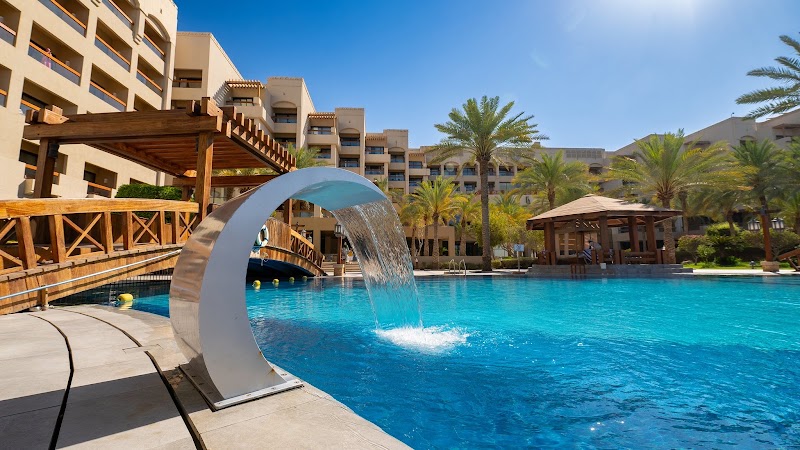
Jordan · Aqaba
InterContinental Aqaba: A Polished Resort on Jordan’s Red Sea Coast
Public reviews praise the resort’s welcoming service, clean beach, food and spa, with room views the main point to clarify before arrival.
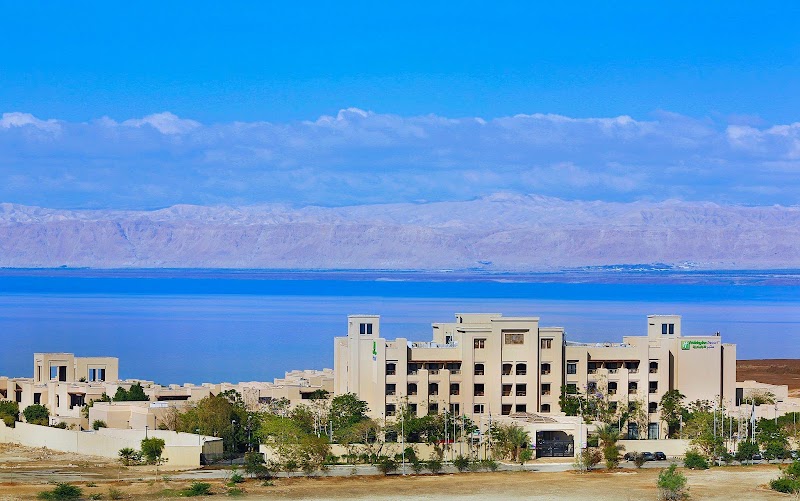
Jordan
Holiday Inn Resort Dead Sea: A Well-Reviewed Jordan Escape
Public reviews point to a comfortable Dead Sea resort with attentive service, several pools, a private beach area and consistently praised dining.

Jordan · Swemeh
Mövenpick Resort & Spa Dead Sea: Service-Led Resort Stay
Public reviews point to a polished Dead Sea resort with helpful staff, comfortable rooms, a well-regarded spa and strong breakfast service.
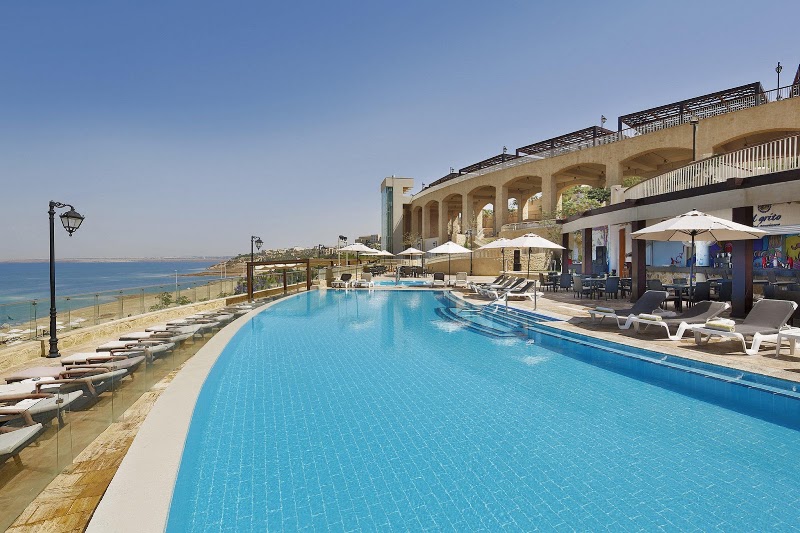
Jordan · Swemeh
Crowne Plaza Jordan - Dead Sea Resort & Spa Review
Public reviews point to a polished Dead Sea resort with a private beach, a well-regarded spa and consistently praised service.