Punic Quarter of Byrsa: Carthage from the Hilltop
Ruined streets, layered history and broad coastal views make Byrsa Hill an essential viewpoint over ancient Carthage.

More photos
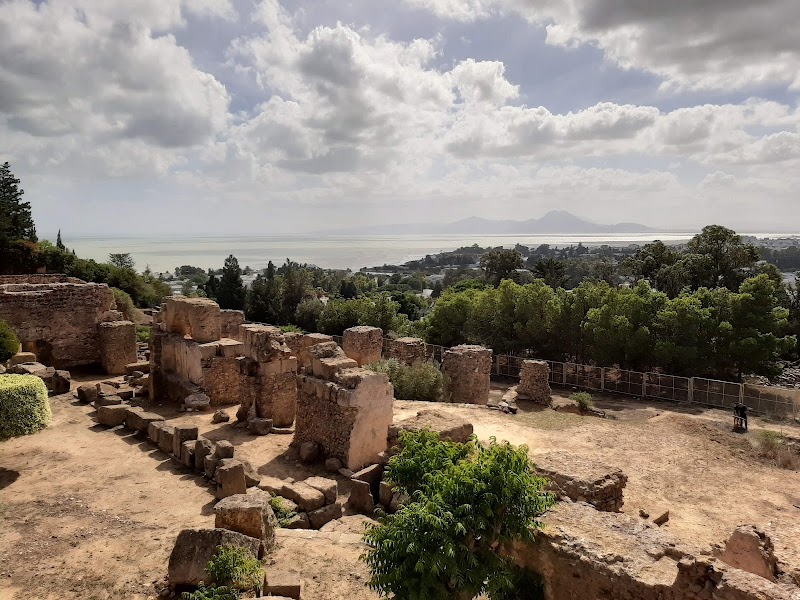

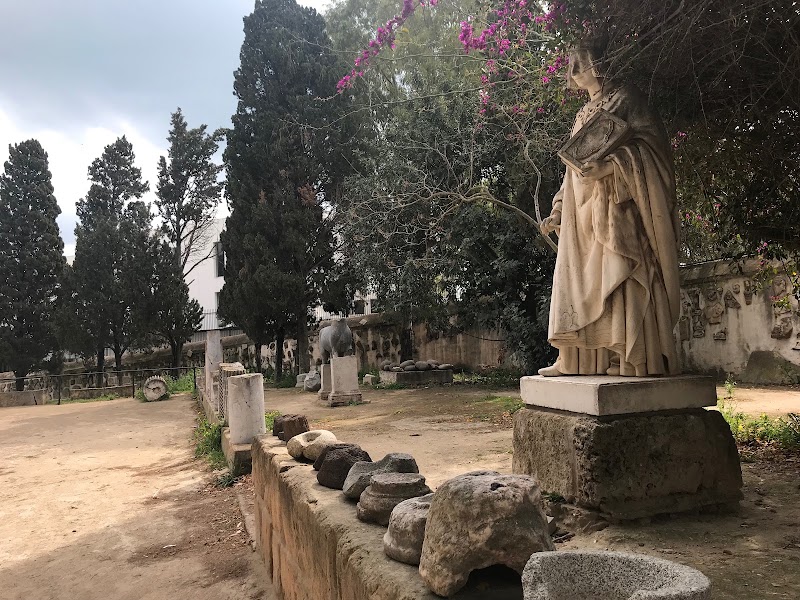
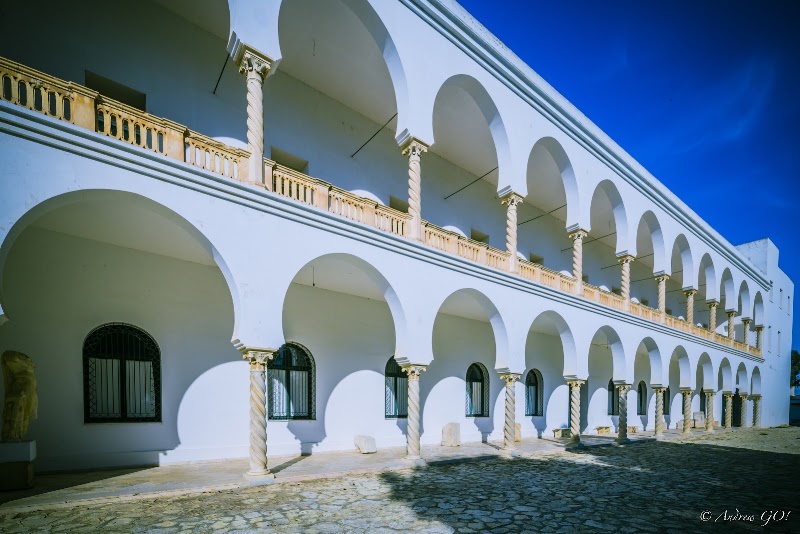

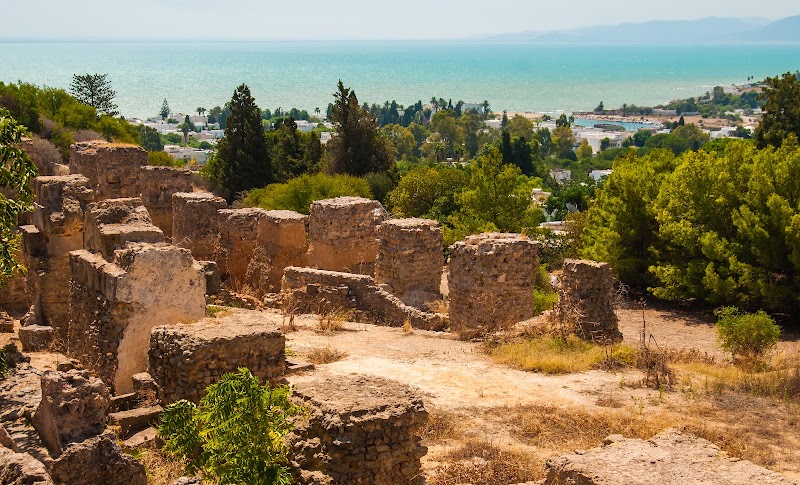
Photos published by travelers on Google, not AI generated.
What stands out
- Elevated Punic district
- Panoramic sea and city views
- Views toward the ancient port area
- Layered Punic and Roman history
Worth knowing
- Ruins may feel modest without historical context
- Uphill approach from Hannibal station
- Check current museum and site access locally
Don't miss
What comes up most in public reviews
- View the old Punic district from above
- Look across Carthage toward the sea
- Identify the port area from the hilltop
- Walk through the surviving district remains
Worth the trip?
Why Byrsa matters
Public feedback consistently presents Byrsa Hill as the historical heart of Carthage. Rising above the surrounding plain and sea, it served as a focus of political and religious life, first in the Punic period and later under Roman rule. Reviewers often describe it as the former seat of power, a place where the scale and strategic position of the ancient city become easier to understand.
The Punic Quarter is central to that experience. Its surviving layout gives visitors a look at the old district, although the remains require imagination rather than delivering an immediately monumental spectacle. One reviewer specifically cautions against expecting anything grand. The appeal comes from context: ruined streets on elevated ground, with the wider archaeological landscape visible beyond them.
With a Google rating of 4.6 from 1723 reviews, the site earns particularly strong praise for its setting and sense of history.
Views across ancient Carthage
The panorama is the most repeated highlight in the available reviews. Travellers mention views over the modern city, the sea and Carthage’s port area. From this elevation, the relationship between the hill, coastline and former city can be read more clearly than it can from many of the lower archaeological sites.
Several reviewers suggest that the viewpoint helps them picture Carthage at its height. That visual overview may be more memorable than any single fragment of masonry. The landscaped surroundings also receive positive mentions, adding a calmer backdrop to the exposed ruins and broad coastal outlook.
The site should especially suit visitors interested in urban history and ancient geography. Those looking mainly for towering columns or highly intact buildings may find the Punic remains comparatively restrained.
Planning the visit
One public review places Byrsa Hill around a 600-metre walk from Hannibal station, making the approach manageable for travellers arriving by rail. The hilltop position implies an uphill section, so comfortable footwear is sensible, particularly for anyone planning to continue through other parts of the Carthage archaeological area.
A combined admission arrangement covering multiple Carthage sights is mentioned in public feedback, but current access terms should be checked locally. A museum is also referenced by one reviewer, who notes that the old Punic district can be viewed from above outside it. As museum access and site arrangements can change, travellers should verify what is open on the day.
Editorial verdict
Synthesizing the public ratings and reviews, Byrsa works best as both an archaeological stop and an orientation point for Carthage. The physical remains may look modest without background knowledge, but the elevated setting supplies the missing scale. Looking from the Punic district toward the sea, city and port helps connect otherwise scattered ruins into one historical landscape.
The strongest visit combines time among the remains with a slow circuit of the viewpoints. It is less about one dramatic structure and more about understanding why this hill became Carthage’s centre of power. For historically curious travellers, that combination of surviving Punic fabric, Roman associations and far-reaching views makes Byrsa one of the area’s most useful stops.
Ask anything
Looking for somewhere else?
Keep exploring around Site archéologique de Carthage
More from Tunisia
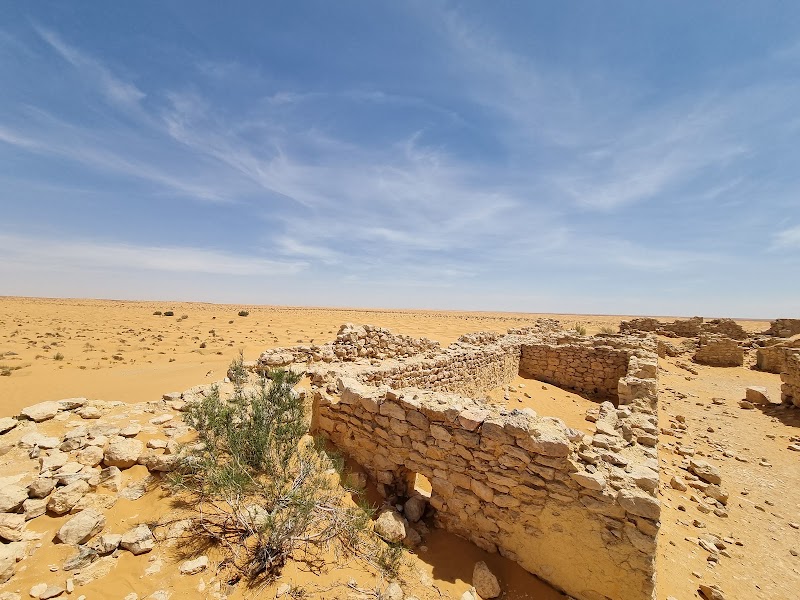
Tunisia · Ksar Ghilane
Ksar Ghilane: Oasis, Dunes and Roman Remains
A warm spring, Sahara excursions and sunset views make Ksar Ghilane a rewarding stop despite limited transport options.
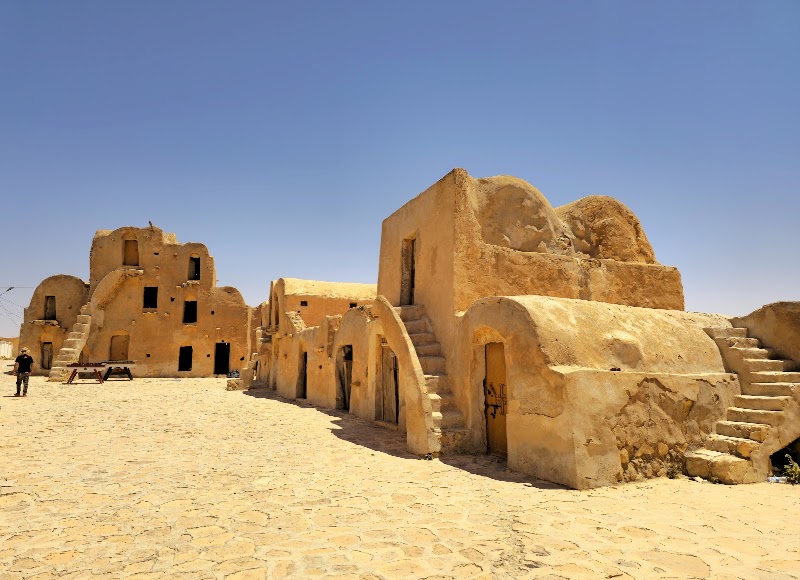
Tunisia · Tataouine
Ksar Ouled Soltane: A Compact, Characterful Landmark
Strong preservation, distinctive architecture and a Star Wars connection make this small Tataouine landmark a rewarding short stop.
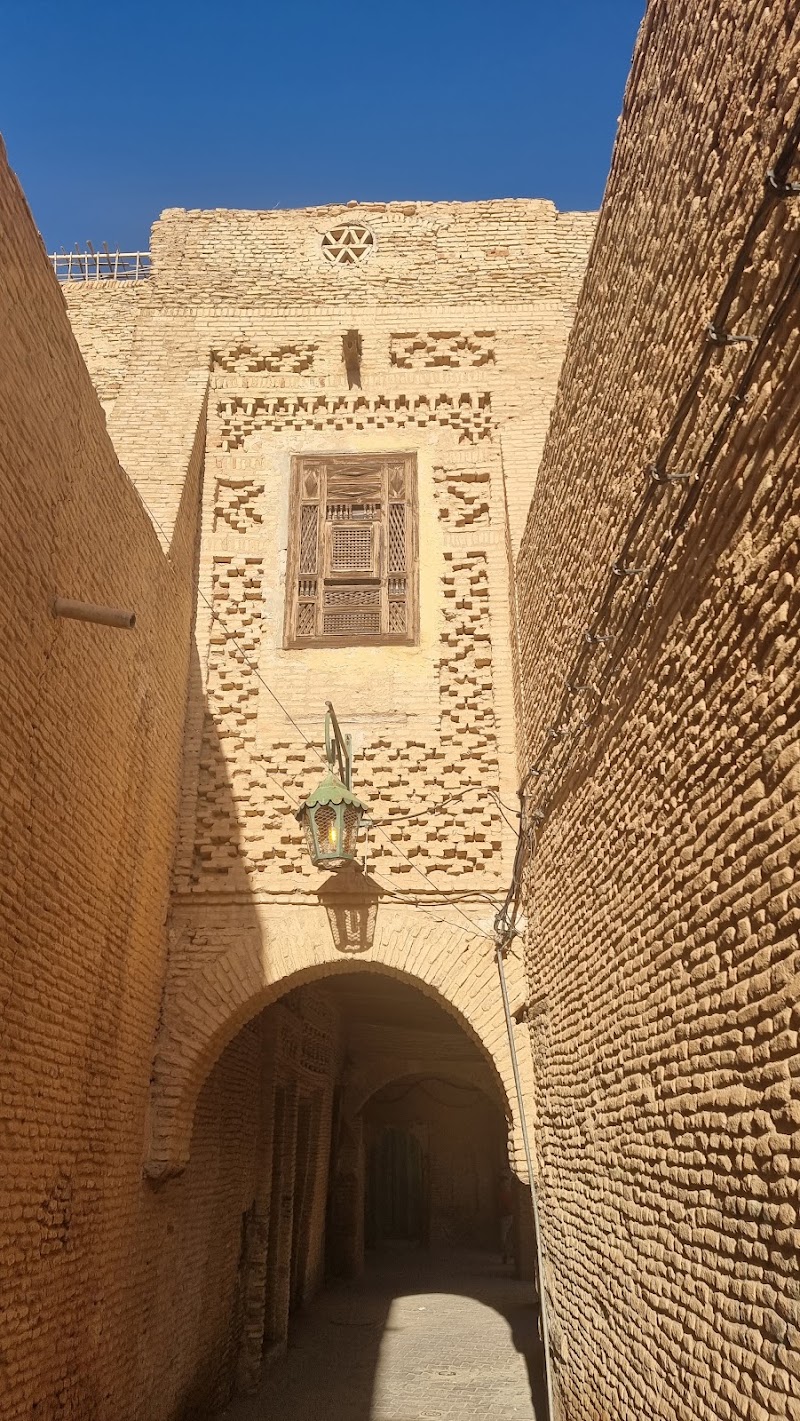
Tunisia · Tozeur
Medina of Tozeur: Brickwork, Alleys and Local Life
Tozeur’s old quarter rewards an unhurried walk with patterned brickwork, traditional doors, small shops and a relaxed residential atmosphere.

Tunisia · Tunis
WildyNess review: Tailored tours across Tunisia
Strong public feedback highlights thoughtful planning, capable guides and flexible itineraries spanning Tunis, southern Tunisia and the Sahara.