Punakha Dzong: Sacred Architecture Between Two Rivers
Bhutanese history, intricate religious art and a dramatic riverside setting make Punakha Dzong a standout cultural landmark.
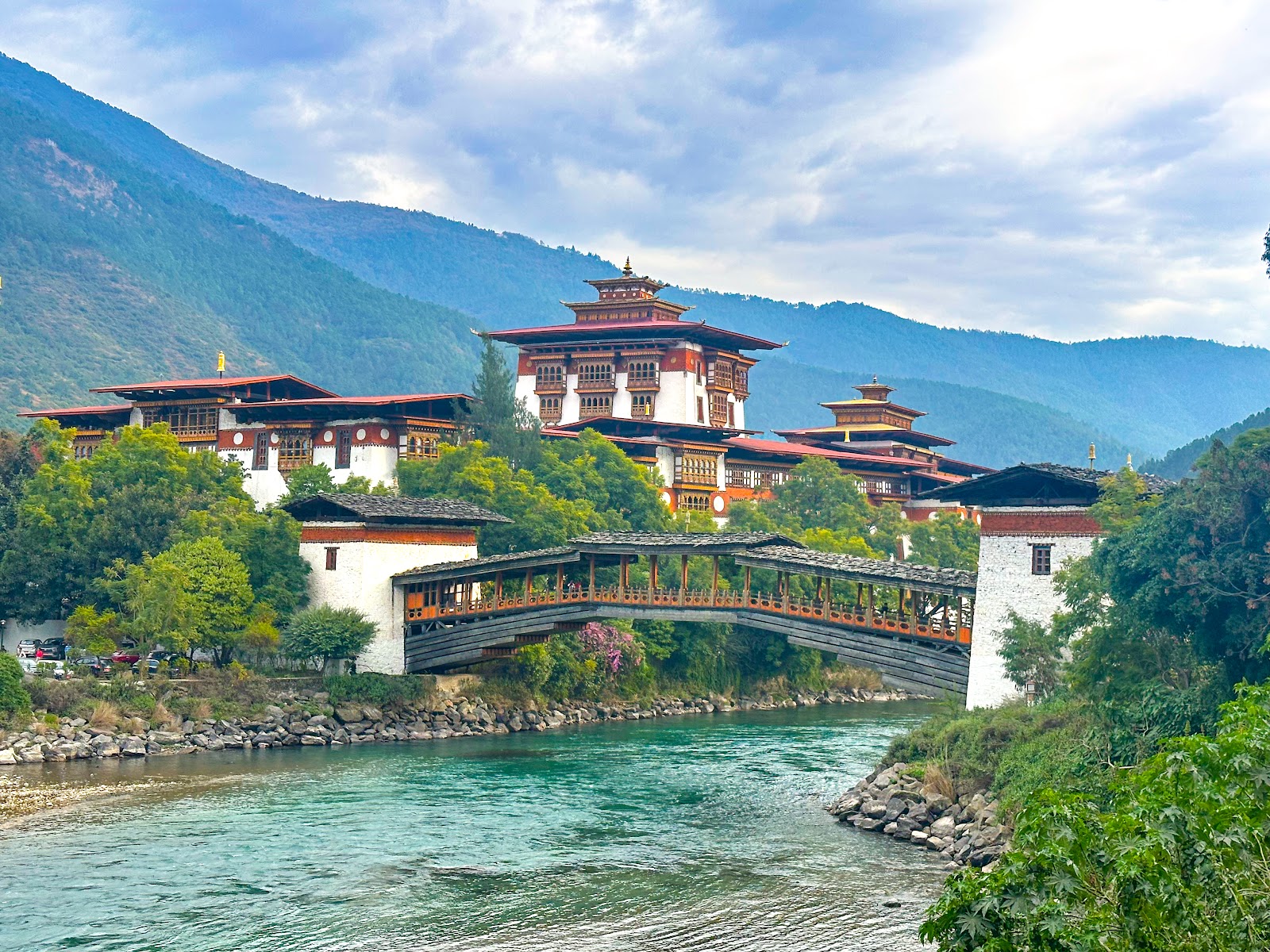
More photos
Photos published by travelers on Google, not AI generated.
What stands out
- Setting at the confluence of two rivers
- Traditional wooden approach bridge
- Intricate woodwork and vibrant murals
- Peaceful, active Buddhist setting
- Monumental white walls and ornate rooflines
Worth knowing
- Steep ladder-like climb reported
- Tourist access is limited inside
- Entrance fee reported
Don't miss
What comes up most in public reviews
- Cross the traditional wooden bridge
- View the dzong from the riverside approach
- Study the carved woodwork and murals
- Visit the temple area open to tourists
- Pause in the courtyards
Worth the trip?
Why it stands out
Punakha Dzong has a Google rating of 4.8 from 1679 reviews, and travellers repeatedly rank it among the defining sights on a Bhutan itinerary. The setting gets much of the attention. At the confluence of two rivers, the vast white-walled complex rises in layers of red-and-gold rooflines, reflected against the surrounding landscape.
Even the approach leaves an impression. Visitors cross the water on a traditional wooden bridge before reaching the main entrance, a viewpoint that has become one of the landmark’s most photographed. Several reviewers remark that photographs do not quite convey the scale. In person, it becomes clear.
Often called the Palace of Great Happiness, the dzong carries weight beyond its appearance. Reviews point to its long historical role, including the period when it served as Bhutan’s capital. It still has religious and administrative functions today.
Inside the complex
In the courtyards and temple areas, traveller feedback turns to the workmanship. Carved wood, painted details, murals and richly decorated walls offer a close view of Bhutanese Buddhist culture and artistic traditions. Reviewers often admire the shift from the monumental exterior to interiors filled with fine detail.
This is not simply a preserved monument. It remains an active sacred space, where monks live, meditate and perform religious duties. Reviewers regularly describe a peaceful, spiritual and calm atmosphere, especially in the temple area open to tourists. Some have seen visitors meditating quietly inside. Respectful behaviour matters, given the dzong’s continuing religious role.
Not every part of the complex is accessible. One public review reports that only one temple inside was open to tourists during that visit. Permitted areas and conditions may change, so visitors should expect to see the sections available on the day, not explore without restriction.
The visitor experience
Architecture, history and living religious practice give Punakha Dzong an appeal that reaches beyond a typical sightseeing stop. Architecture enthusiasts can examine its bold proportions and fine woodwork. Culturally curious travellers, meanwhile, get a clearer picture of how sacred and civic life overlap in Bhutan.
According to reviews, there is little reason to hurry. Visitors benefit from taking time to cross the bridge, absorb the riverside views, walk through the courtyards and study the murals. This is a quiet place. Observation suits it better than a rush between photo points.
Practical considerations
At least one reviewer mentions a steep, ladder-like climb on the approach, potentially difficult for travellers with limited mobility. An entrance fee is also reported, though public comments are not consistent enough to characterise the overall cost.
As this is an active place of worship, visitors should dress and behave appropriately. Rules on photography and access can vary from one space to another, and local instructions take priority. Even with those limitations, review sentiment remains exceptionally strong. The riverside setting, wooden bridge, monumental architecture and tranquil interiors place Punakha Dzong among the most highly regarded landmarks in Bhutan travel reviews.
Plan the rest of the trip
Ask anything
Looking for somewhere else?
Keep exploring around Punakha
More from Bhutan

Bhutan · Thimphu
Royal Botanical Garden Serbithang: A Quiet Thimphu Escape
Peaceful trails, Himalayan plants and mountain views make this garden a worthwhile nature stop outside Thimphu, with some maintenance gaps noted.
Bhutan · Pachu
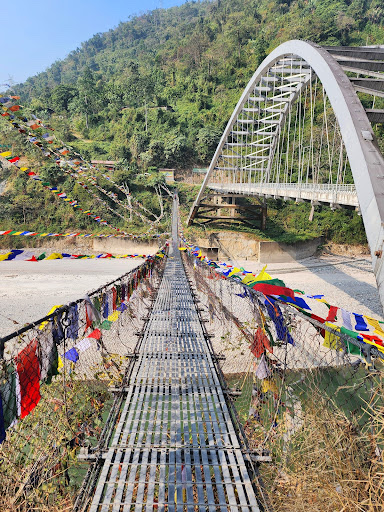
Amochu Suspension Bridge: A Scenic Walk Over the River
Public reviews rate this Pachu attraction highly for its river views, mountain setting and short suspension-bridge walk near Phuentsholing.
Bhutan · Teoprongchu
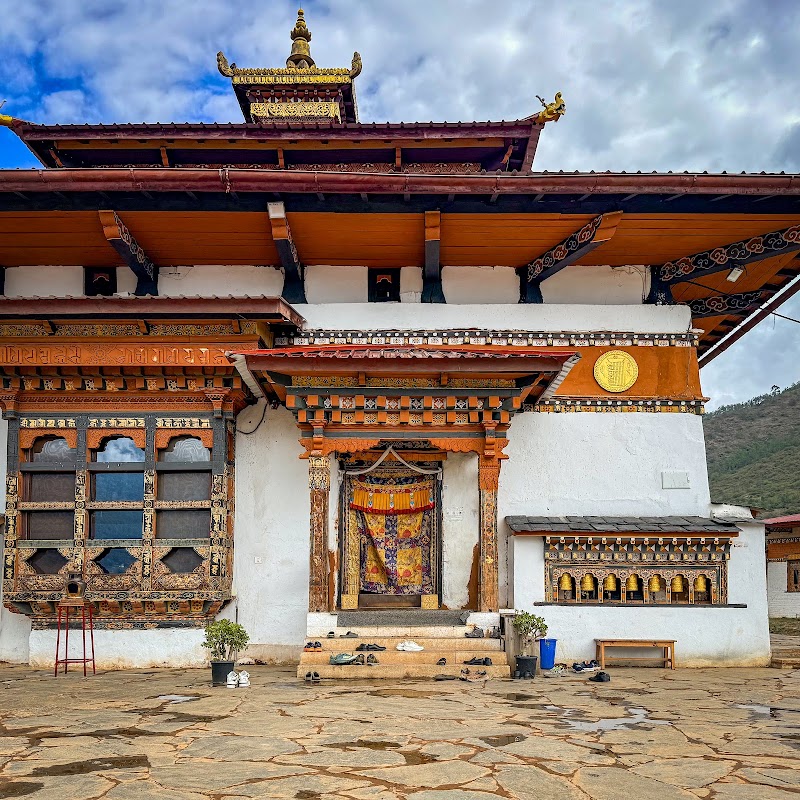
Chimi Lhakhang, Bhutan’s Fertility Temple in the Punakha Valley
Chimi Lhakhang combines a short rural walk, distinctive religious symbolism and the stories of Bhutan’s unconventional Divine Madman.
Bhutan · Chapna N.C.
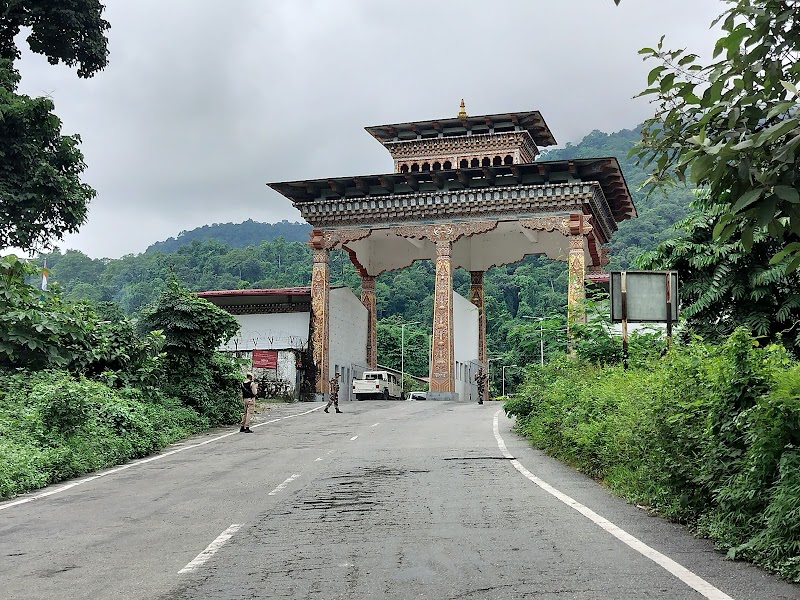
Indo-Bhutan Border Gateway: A Practical Crossing Visit
This India-Bhutan gateway offers a brief cultural stop, photo opportunities and a firsthand look at the contrast between Jaigaon and Phuentsholing.