Pumapungo Museum Brings Cuenca’s History Into Focus
Public reviews praise Pumapungo Museum for its Indigenous culture displays, archaeological ruins, garden and rescued birds, with free admission adding to its appeal.
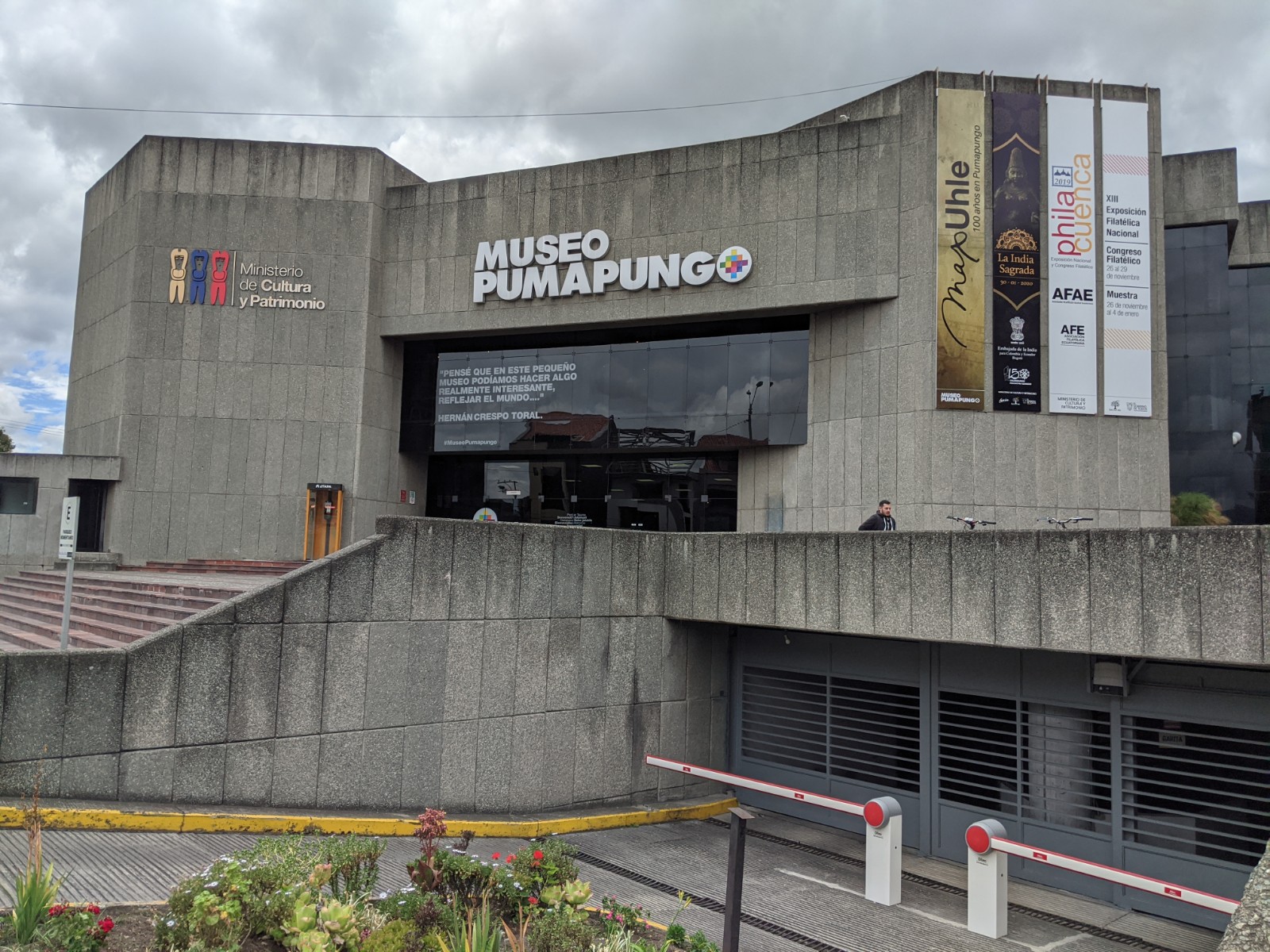
More photos
Photos published by travelers on Google, not AI generated.
What stands out
- Indigenous culture and traditions exhibits
- Archaeological ruins in the city
- Garden with Ecuadorian flora and fauna
- Rare-bird rescue and rehabilitation aviary
- English narration in many exhibits
Worth knowing
- Some exhibits could use more information
- Street traffic can make the garden noisy
- Some animal displays have limited information
Don't miss
What comes up most in public reviews
- Ethnographic section on the second floor
- Archaeological ruins and outdoor park
- Rare-bird aviary
- Views over the river, city and mountains
Worth the trip?
Pumapungo Museum is one of Cuenca’s strongest cultural stops for visitors who want context, not just a quick photograph. Public reviews give it 4.7 out of 5 from 7,167 reviews, with repeated praise for its clear layout, archaeological remains and exhibitions about Indigenous peoples and traditions. The visit is generally described as free and self-guided.
Exhibits with real range
The museum is compact enough for an hour or two, yet reviewers find plenty to hold their attention. The displays cover Indigenous knowledge, customs and traditions in different parts of Ecuador. Several reviewers single out the ethnographic section on the second floor, calling it especially informative. The exhibits concerning native peoples receive the strongest praise.
Some visitors feel the labels could provide more information. That criticism appears to come mainly from people who prefer to spend an entire day in a museum. For most travellers, the manageable scale is an advantage. There is also a considerable amount of English narration, which makes the visit more accessible for international visitors.
Archaeology in the city
The archaeological area is a major reason to visit. Reviewers were surprised to find substantial ruins in the middle of Cuenca, and they describe the remains as impressive rather than an afterthought to the indoor galleries. The site also offers broad views over the river, the city and the surrounding mountains.
The archaeological displays downstairs are presented in a way that several visitors found engaging. Pumapungo does not depend on a large footprint or a full-day commitment. Its strength is the combination of focused interpretation and visible remains outdoors.
Gardens, animals and birds
Outside, the museum grounds extend the visit into a garden with Ecuadorian flora and fauna. Reviews describe the garden as beautiful, though street traffic can make parts of it noisy. The animals are popular with visitors, while some reviewers would like more information about them.
The rare-bird aviary is a particular highlight. Public comments describe it as a rescue and rehabilitation space for birds intended for release back into the wild. Visitors interested in conservation should allow time for this section rather than treating the outdoor area as a short walk between galleries.
How to plan the visit
Pumapungo Museum suits travellers who want a concise cultural stop with several layers: Indigenous history, archaeology, gardens and wildlife. It works well during a city stay and does not require a full day. A self-guided visit is the norm in the reviews, and the setting is generally described as uncrowded.
The available comments support allowing one to two hours, with extra time for the ruins and aviary. Visitors who rely on detailed labels may find some sections thinner than expected. Traffic noise outdoors is another practical note. Still, the combination of free admission, English information, accessible exhibits and an archaeological site in central Cuenca makes the museum an easy recommendation.
Plan the rest of the trip
Ask anything
Looking for somewhere else?
Keep exploring around Cuenca
More from Ecuador
Ecuador
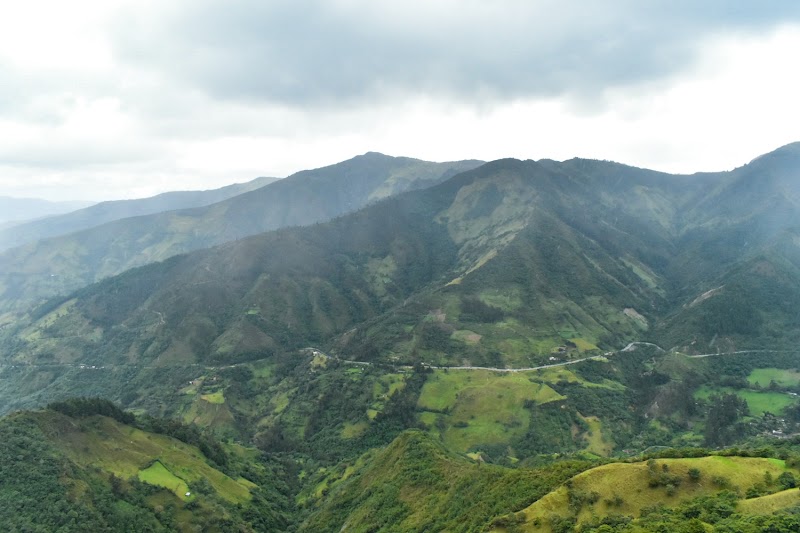
Podocarpus National Park: Cloud Forest Trails Near Loja
Podocarpus National Park rewards hikers and birders with striking mountain scenery, diverse forest and trails that range from short walks to demanding routes.
Ecuador · Aguarico
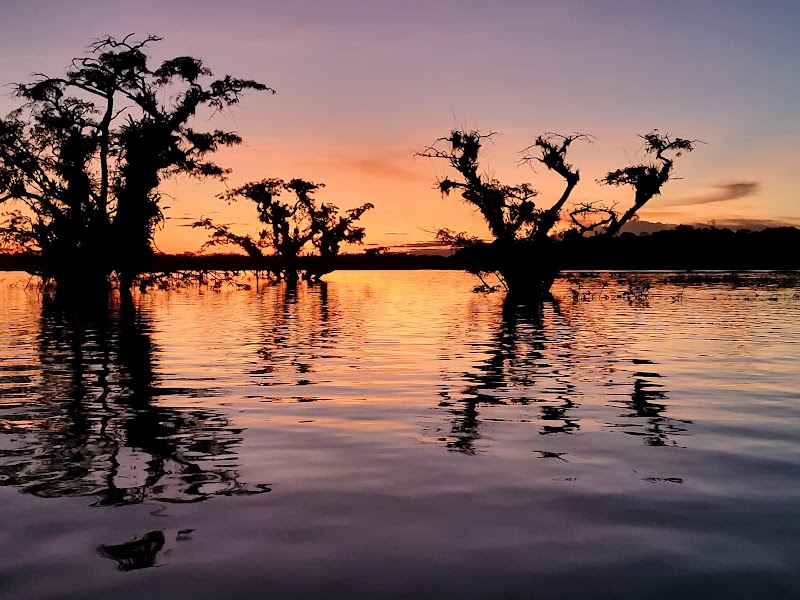
Cuyabeno Reserve: Deep-Jungle Wildlife and Lagoon Excursions
Public reviews praise Cuyabeno’s preserved lagoon, skilled guides and strong chances of seeing wildlife on day and night excursions.
Ecuador
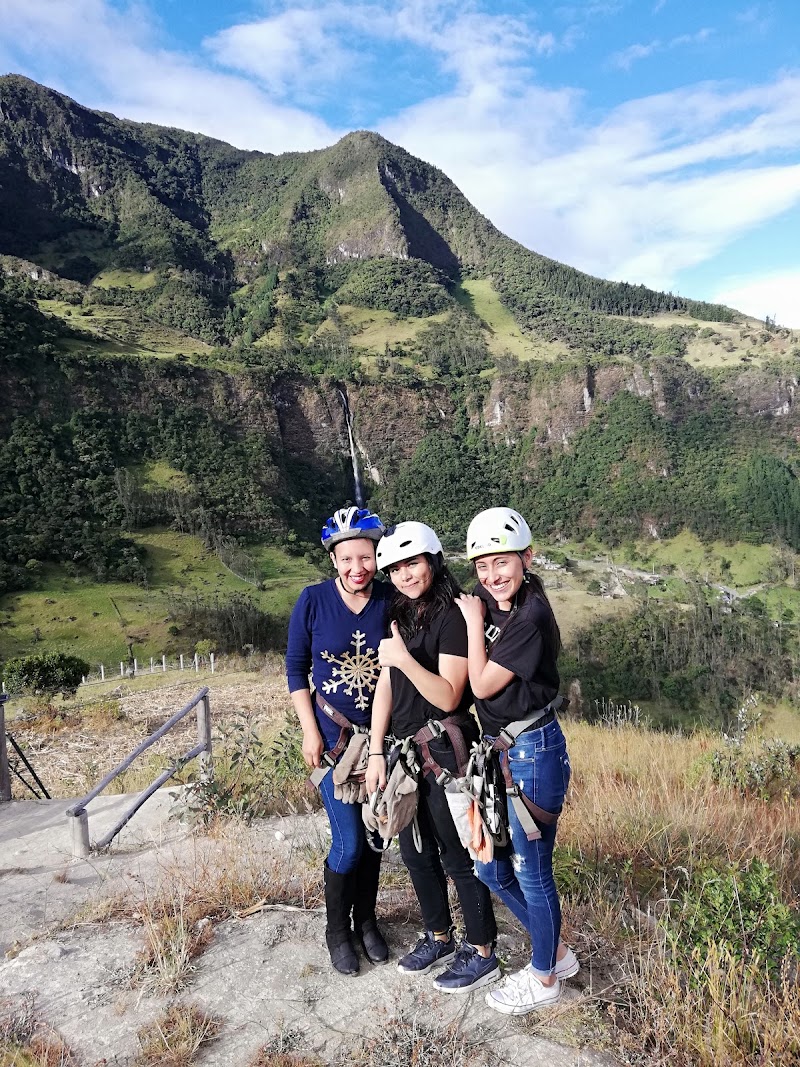
Giron Waterfalls: A Short Hike to Wide Mountain Views
Public reviews rate Giron Waterfalls highly for its scenery, manageable trail and photo stops, with a steep climb that rewards visitors who continue above the base.

Ecuador · Quito
Museo Templo del Sol: Art, Ritual and Mountain Air in Quito
This distinctive Quito museum combines indigenous-inspired art, guided rituals and high-altitude views in a setting that rewards planning.