Pula Arena: Roman grandeur in the heart of Pula
Public reviews praise this remarkably preserved amphitheatre for its monumental architecture, accessible layout and underground displays.

More photos


Photos published by travelers on Google, not AI generated.
What stands out
- Well-preserved Roman amphitheatre
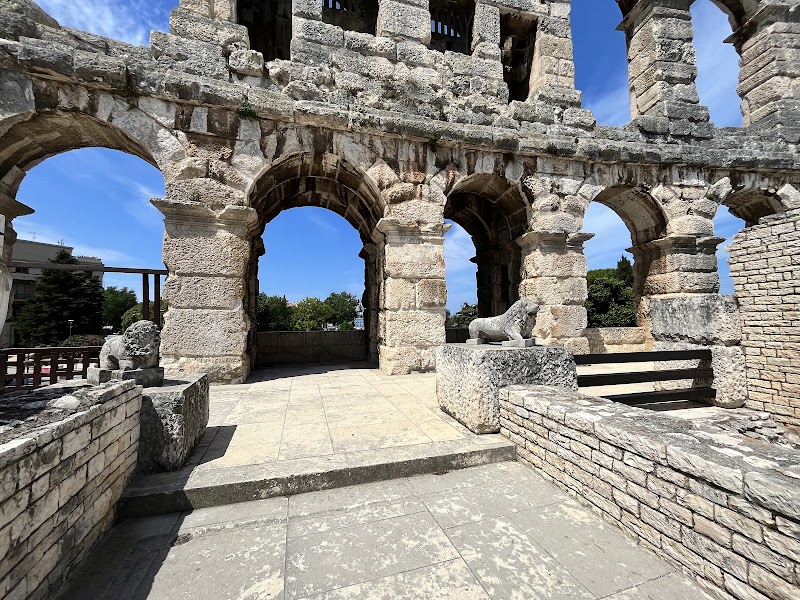
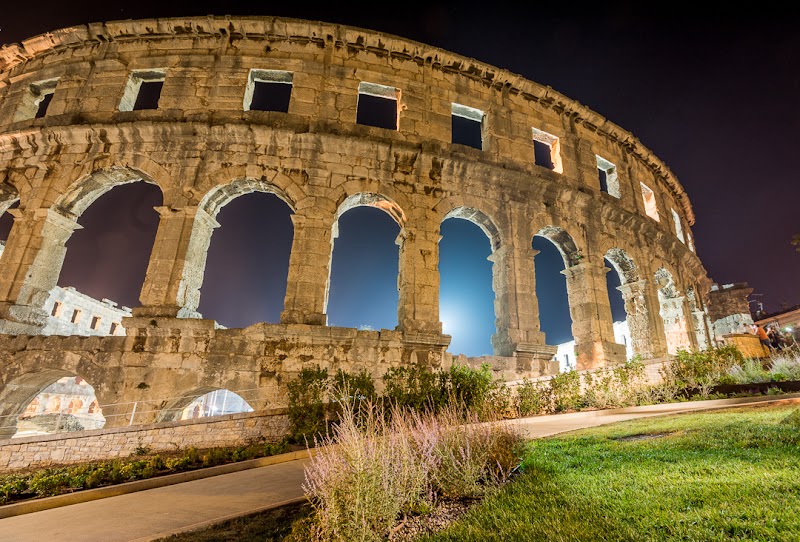
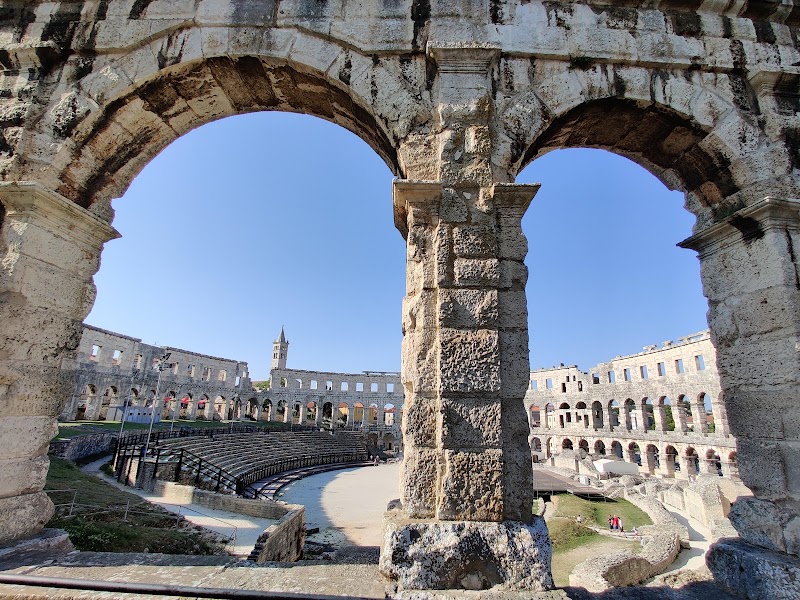
- Monumental arches and interior scale
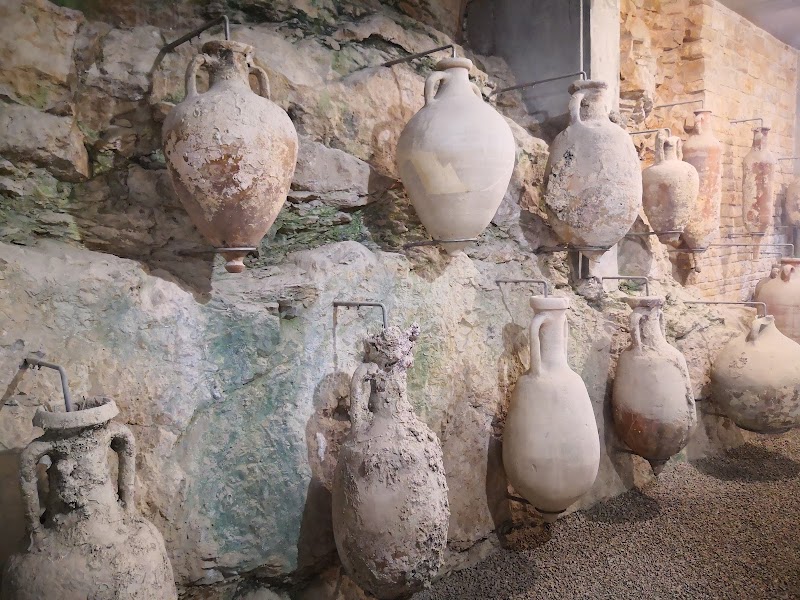
- Underground museum area
- Views around the arena
- Easy perimeter walk
Worth knowing
- Crowds during the main tourist season
- Access may vary around events
Don't miss
What comes up most in public reviews
- Walking around the arena exterior
- Exploring the amphitheatre interior
- Visiting the underground museum
- Seeing the olive oil and wine production displays
Worth the trip?
Why Pula Arena stands out
Pula Arena is one of the city’s defining landmarks, with a Google rating of 4.6 from 74671 reviews. Across public feedback, visitors repeatedly describe the Roman amphitheatre as spectacular, imposing and exceptionally well preserved. Its appeal is immediate: tall outer walls, repeated arches and an immense oval interior make the scale of the structure easy to grasp even before entering.
The experience carries particular weight for travellers interested in Roman history. Reviewers often focus on the sense of age and continuity, noting how striking it is to stand inside a building that has survived for almost two millennia. Others praise the architecture and the opportunity to see an ancient venue in real life rather than through museum displays alone.
What the visit is like
Public reviews suggest that the arena is straightforward to explore at an unhurried pace. The open interior gives visitors room to examine the stonework, take photographs and appreciate views across different levels of the amphitheatre. A walk around the perimeter also reveals much of the exterior architecture, making the surrounding streets worthwhile rather than merely an approach route.
Inside, the underground museum area adds context to the monumental setting above. Reviews specifically mention displays connected with ancient olive oil and wine production. These exhibits are modest compared with the arena itself, but they help explain aspects of everyday commerce and industry during the Roman period. Restrooms are also reported on site.
The landmark doubles as a performing arts and event venue, so its atmosphere and access may vary when an event is being prepared or staged. Travellers primarily interested in archaeology may prefer a standard sightseeing period, when there is more freedom to focus on the structure.
Crowds and timing
Crowd reports are mixed. One visitor found the arena quiet and easy to access on a Saturday shortly before June, while another warned that it can become busy during the main tourist season. This points to late spring as a particularly appealing period, offering a better chance of comfortable conditions before peak summer demand.
Even when the interior is busy, the arena’s exterior remains a substantial sight. Some reviewers feel that circling the building provides enough visual impact for a shorter visit. Entering, however, gives a clearer understanding of the scale, the floor of the amphitheatre and the underground displays.
Editorial verdict
Synthesizing the rating and public reviews, Pula Arena merits its status as the city’s essential historical attraction. The strongest qualities are its preservation, monumental Roman architecture and flexibility: visitors can make a focused stop, spend longer examining the interior, or combine it with a walk around central Pula.
It is especially rewarding for history enthusiasts and photographers, though the sheer scale makes it approachable even for travellers with limited interest in archaeology. The main drawback is seasonal crowding. With sensible timing, Pula Arena offers an accessible, visually dramatic encounter with the city’s Roman past.
Ask anything
Looking for somewhere else?
Keep exploring around Pula
More from Croatia
Croatia · Split
Red Adventures Croatia: Multi-Island Cycling from Split
Exceptionally positive feedback highlights well-planned cycling routes, reliable bikes and attentive support across the Dalmatian islands.

Croatia · Omiš
DAL MARE ADVENTURES: Canyoning on the Cetina River
Strong reviews make this Omiš operator a compelling choice for guided canyoning, combining waterfalls, abseiling, swimming and rock jumps.
Croatia · Tar
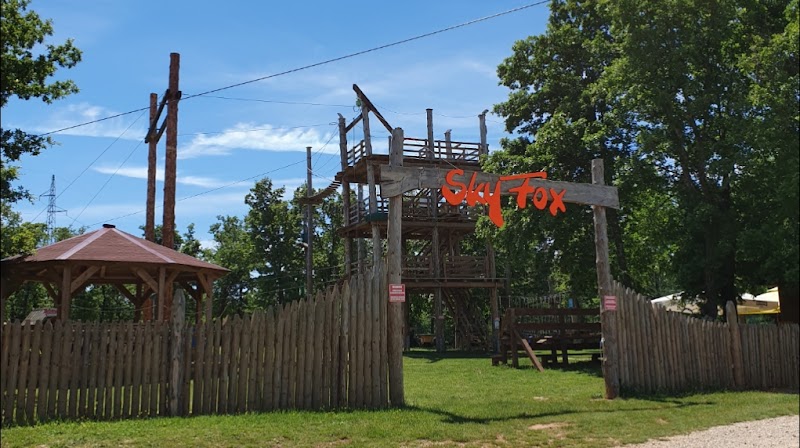
Adventure Park Sky Fox: High Ropes and Family Courses
A well-rated adventure park in Tar with graded high-rope courses, plentiful ziplines and activities suited to children, teenagers and adults.

Croatia · Pula
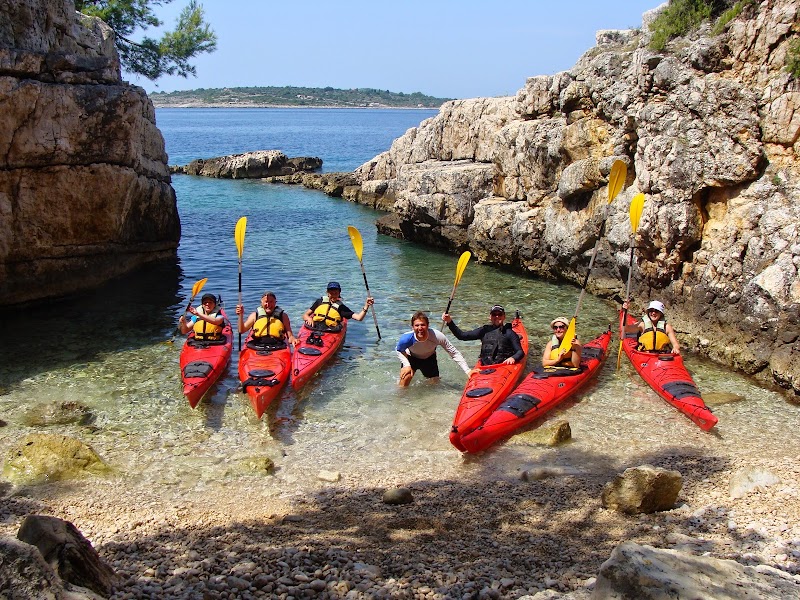
Pula Outdoor Kayak Tours: Cliffs, Caves and Coastal Fun
Strong public feedback points to an upbeat, well-organised paddling experience combining Pula’s coastline with swimming and cliff jumping.