Prince Eugene’s Monument in Vienna’s Heldenplatz
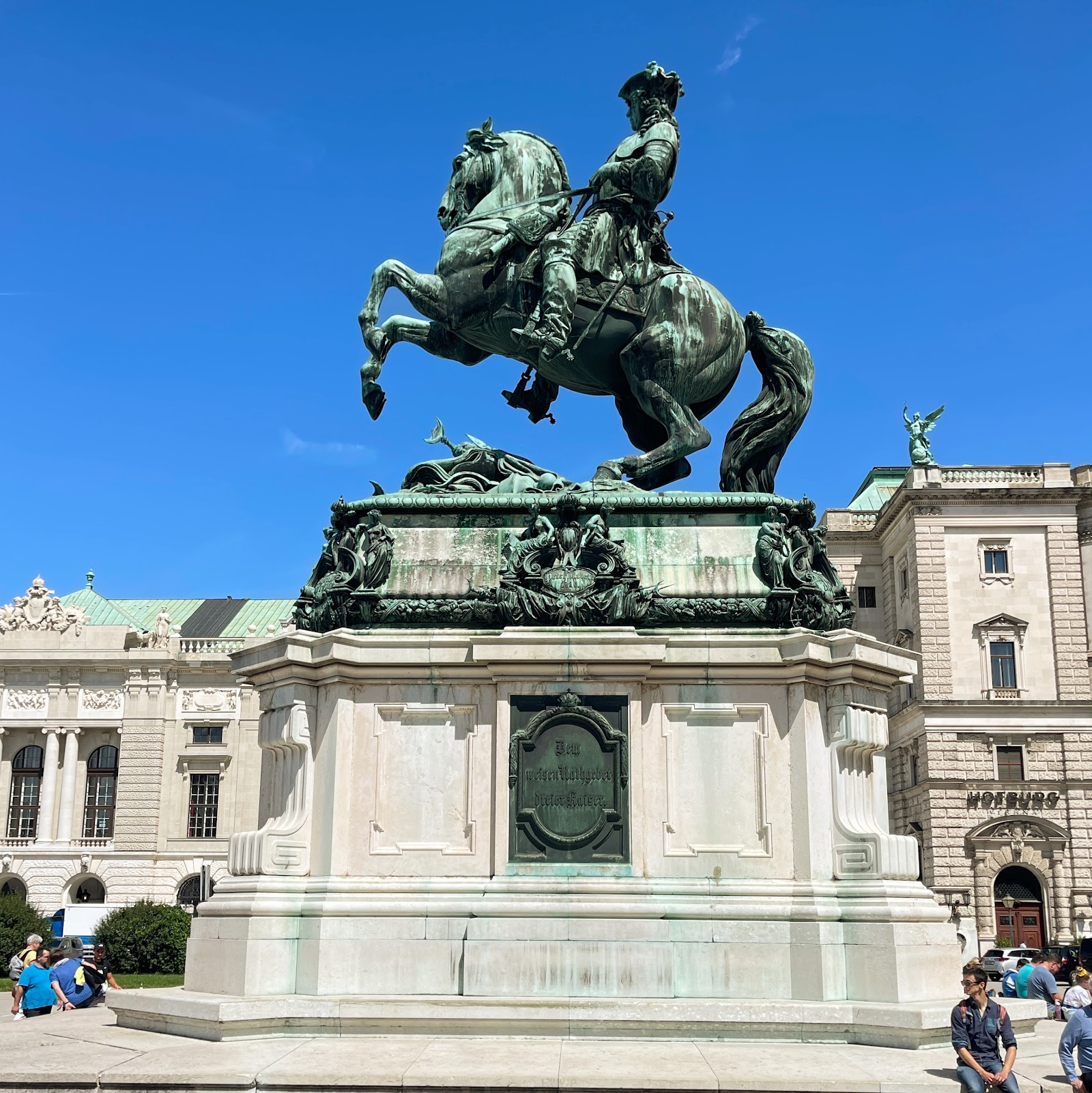
A commanding equestrian statue anchors Heldenplatz, with the Hofburg and Vienna’s imperial architecture forming its dramatic backdrop.
More photos
Photos published by travelers on Google, not AI generated.
What stands out
- Commanding rider and horse sculpture
- Hofburg Palace backdrop
- Open, spacious Heldenplatz setting
- View opposite the Archduke Charles statue
- Quiet winter atmosphere
Worth knowing
- The visit is brief on its own
- The supplied listing does not establish price information
Don't miss
What comes up most in public reviews
- View the statue with the Hofburg behind it
- Compare it with the Archduke Charles statue
- Step back for the full Heldenplatz composition
- Look closely at the horse and rider
Worth the trip?
A monument at the centre of Heldenplatz
The Prince Eugene Equestrian Statue stands at the heart of Heldenplatz, directly beside the Hofburg in Vienna, Austria. Public ratings give it 4.6 from 543 reviews, with repeated praise for its scale, setting and commanding pose. It is not a standalone attraction that requires a long visit. Its strength comes from the space around it.
The monument presents Prince Eugene of Savoy on horseback, fixed in the role of military commander and imperial servant. Reviews place the sculpture within the political and ceremonial landscape of the square, opposite the statue of Archduke Charles. That pairing gives Heldenplatz a strong historical focus. Visitors are looking at more than a rider and horse. They are seeing a carefully staged piece of imperial Vienna.
Strong sculpture, stronger setting
Reviewers consistently describe the statue as impressive, striking and finely crafted. The horse and rider are singled out for their dynamic appearance, while Eugene’s pose gives the monument a sense of authority. It works well at close range, where the detail of the sculpture becomes clearer.
The wider view matters just as much. The Hofburg rises behind the monument, creating the grand architectural context that many visitors remember most. The square has enough open space for an unhurried walk, photography and a pause between nearby sights. Several reviews describe the area as calm and spacious rather than cramped.
Winter offers a different mood. Bare branches can frame the rider and soften the hard lines of the surrounding architecture. One public review describes the scene as distant, dramatic and timeless, while also noting the quieter atmosphere of the park-like setting. That impression is subjective, but it fits the recurring response: the monument rewards a moment of observation rather than a quick glance.
The history in the square
Prince Eugene, who lived from 1663 to 1736, is remembered in the reviews as one of Austria’s major military commanders. His reputation was shaped by campaigns during the Great Turkish War, including the Battle of Zenta and the capture of Belgrade. Review material also connects him with the liberation of Vienna in 1683 and with patronage of art and architecture, including the Belvedere Palace.
The monument was unveiled in 1865. Its public image is formal and heroic, presenting Eugene as a noble rider and victorious commander. That framing is part of the attraction for visitors interested in how Vienna commemorates imperial power. It also gives the statue a useful place in a wider walk through the Hofburg district.
How to visit
The statue suits travellers already exploring central Vienna, especially those visiting the Hofburg or crossing Heldenplatz on foot. The stop is brief, but the square invites a slower look. Visitors should step back to take in the full composition, then inspect the rider and horse at closer range.
The most worthwhile combination is a view of the monument with the Hofburg behind it, followed by a look across the square toward the Archduke Charles statue. A quiet pause beneath the winter trees can change the atmosphere entirely. No admission information is established in the supplied public listing, so the statue is best treated as an outdoor landmark rather than a ticketed visit.
Plan the rest of the trip
Ask anything
Looking for somewhere else?
Keep exploring around Wien
More from Austria
Austria · Wien
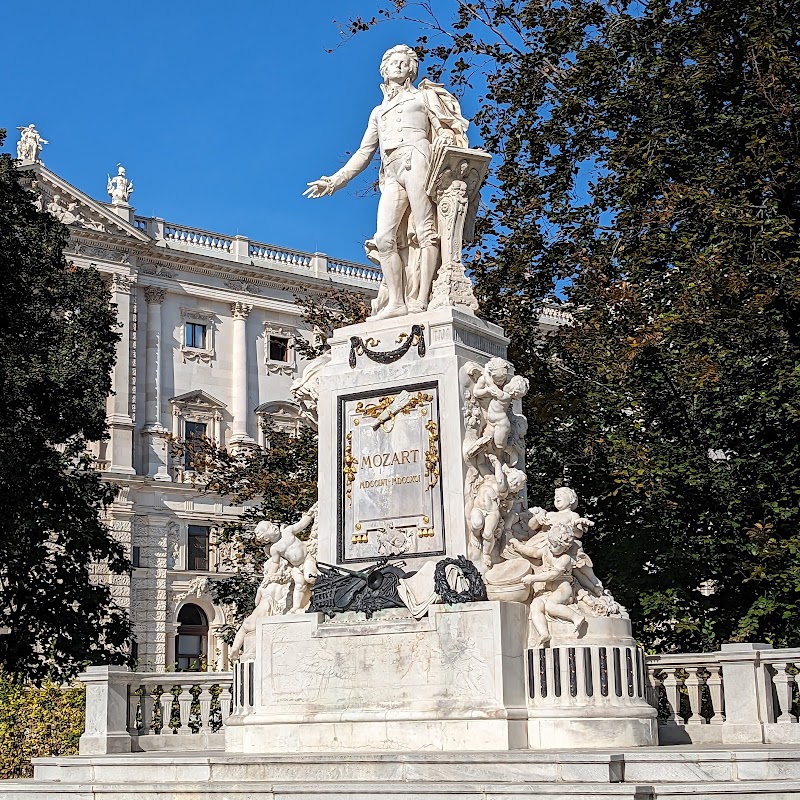
Mozart Monument: A Quiet Musical Landmark in Vienna
A well-reviewed statue in Burggarten, valued for its floral setting, shady park paths and easy stop during a central Vienna walk.
Austria · Innsbruck
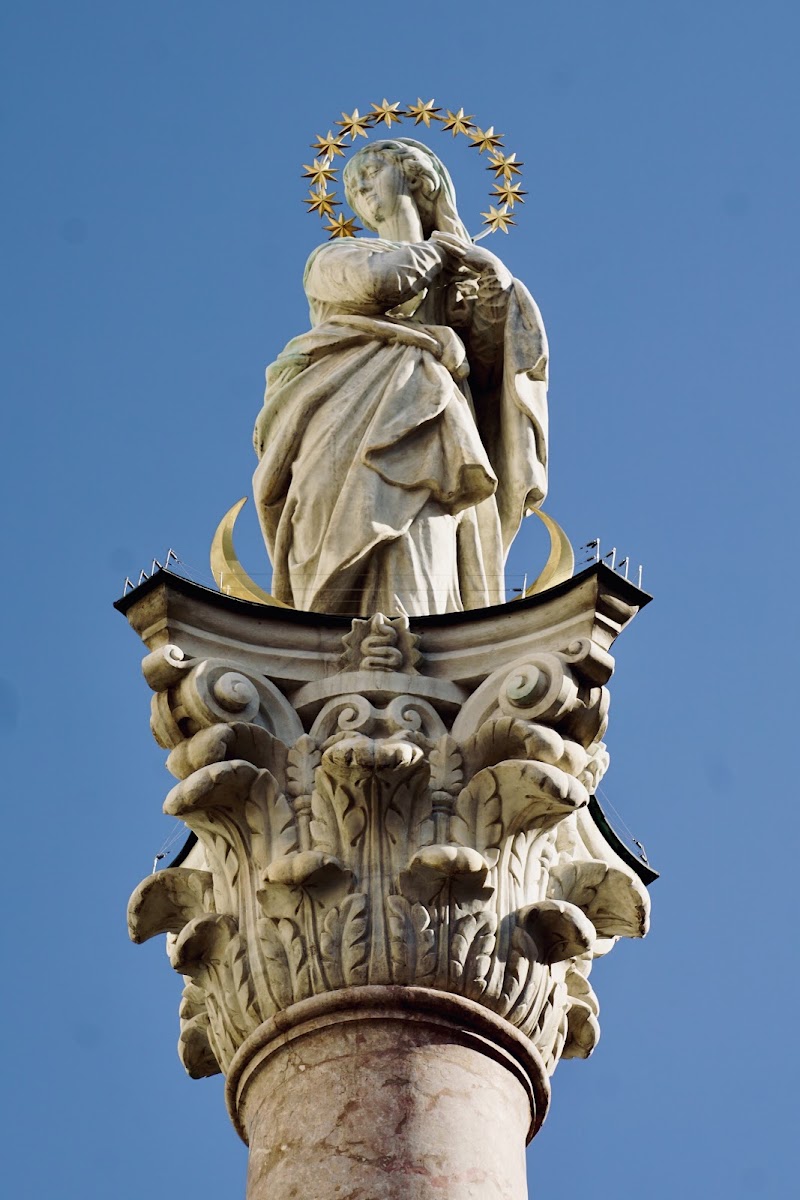
St. Anna Column: Baroque Landmark in Innsbruck’s Old Town
St. Anna Column anchors Innsbruck’s pedestrian centre, with Baroque detail, historic meaning and clear views towards the Nordkette mountains.

Austria · Wien
Johann Strauss Monument: Vienna’s Golden Stadtpark Landmark
A gleaming Johann Strauss II statue in Stadtpark, praised in public reviews for its setting, easy access and strong photo appeal.
Austria · Wien
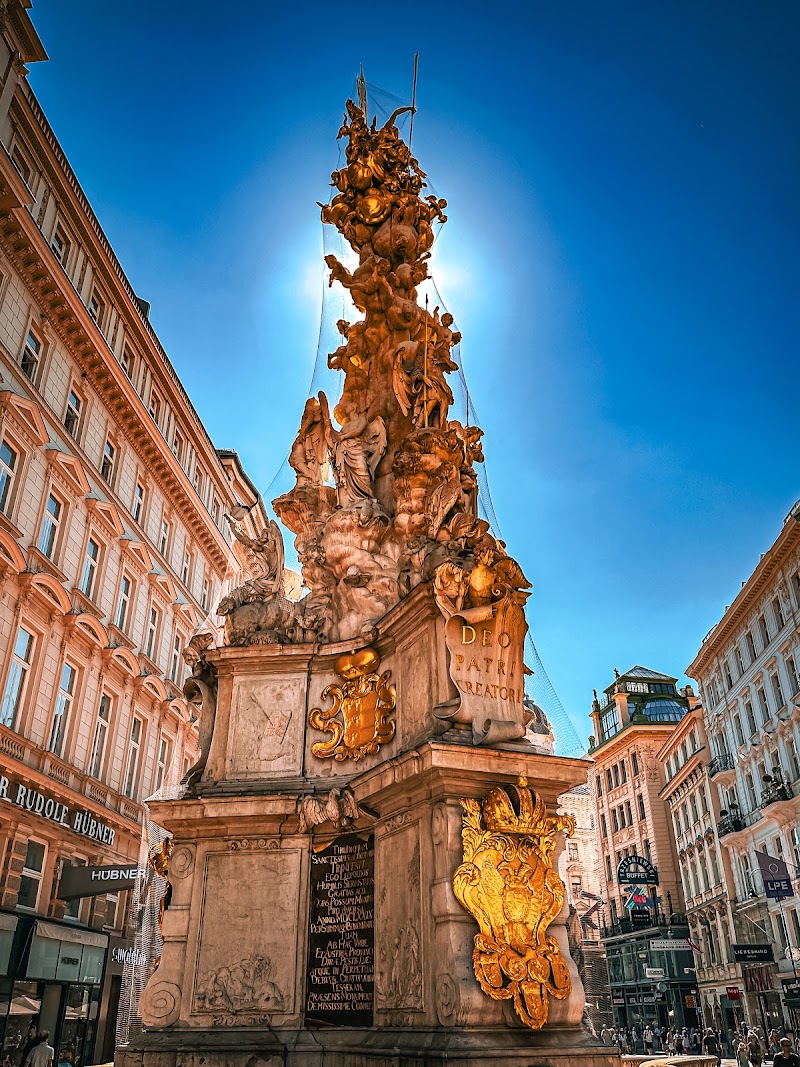
Column of Pest: Vienna’s Baroque Monument of Hope
The Column of Pest gives visitors a richly detailed historical stop in the centre of Vienna, especially appealing to photographers and architecture lovers.