Primeval Forest National Park: Nassau’s Ancient Landscape
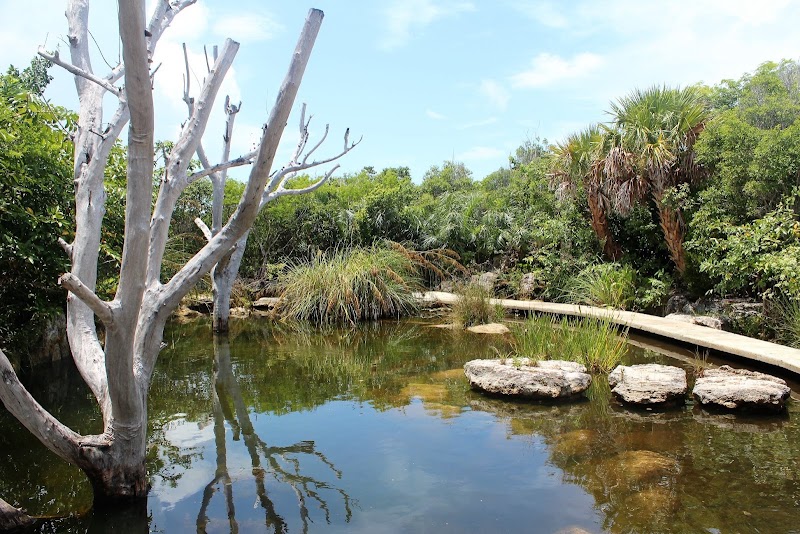
This compact forest preserve reveals native plants, wildlife and dramatic limestone sinkholes within a seven-acre sanctuary.
More photos
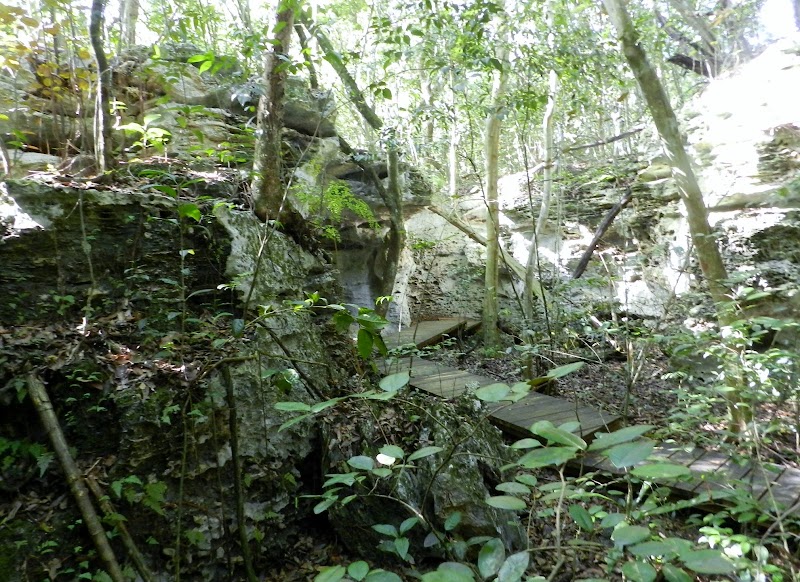


Photos published by travelers on Google, not AI generated.
What stands out
- Deep limestone sinkholes and caverns
- Native mahogany trees, ferns and orchids
- Lizards and signs of forest wildlife
- Atmospheric seven-acre forest sanctuary
Worth knowing
- The park is very small
- Confirm weekend opening times
- Conditions may be wet after storms
Don't miss
What comes up most in public reviews
- Inspect the limestone sinkholes
- Look for ferns, orchids and mahogany trees
- Watch for lizards, hummingbirds and woodpeckers
- Ask whether a guided tour can be arranged
Worth the trip?
Why visit
Primeval Forest National Park offers a compact but vivid look at the landscape that existed before much of Nassau was developed. Based on its Google rating of 4.5 from 183 reviews, the park appeals most strongly to travellers interested in natural history, native species and limestone geology rather than a long recreational hike.
Public reviews repeatedly describe a marked change in atmosphere after entering from the South Ocean area. Dense vegetation, cobwebs and exposed rock create a setting that feels far removed from the surrounding roads. Several visitors call the forest ancient or atmospheric, while others value it as a rare illustration of what Nassau once looked like.
The park covers only seven acres. Its small scale limits the length of a visit, but it also makes the site manageable for travellers fitting several stops into a day.
Sinkholes and native forest
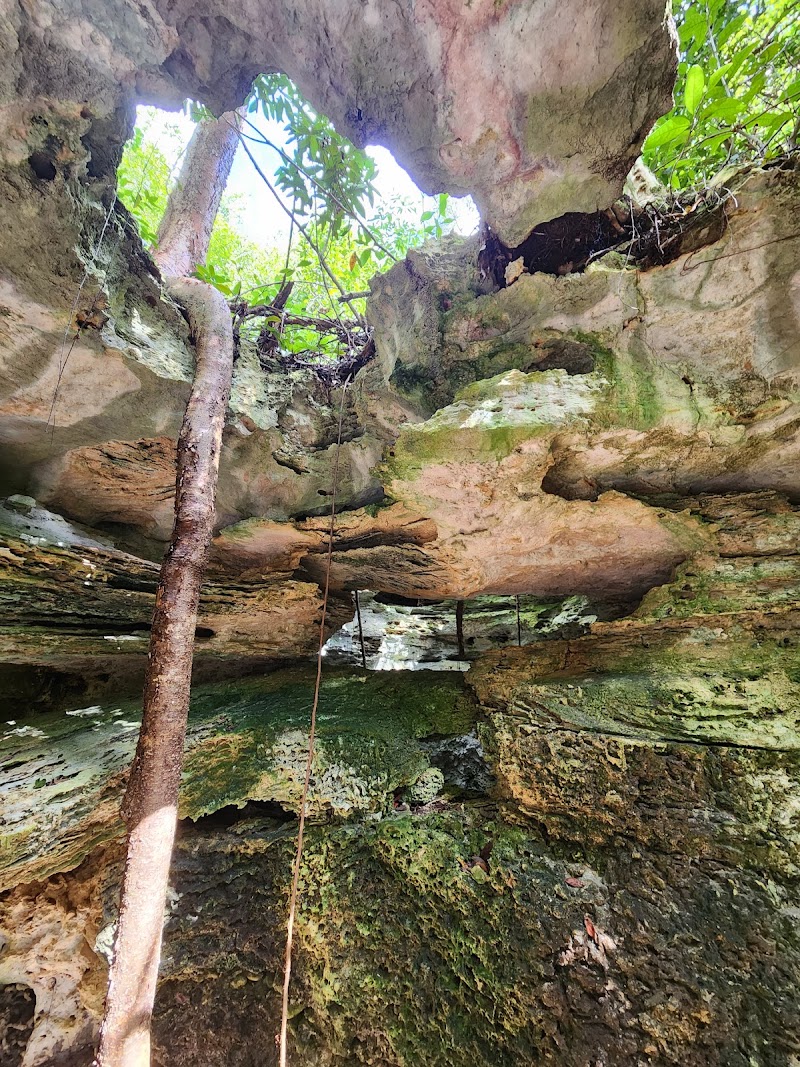
The limestone formations are the defining feature. Deep sinkholes and caverns show how water has shaped the rock over time, and reviews regularly single them out as the park’s most impressive sight. One visitor arriving after a storm found the wet conditions especially atmospheric and noted how the landscape suggested the force of water moving through the area.
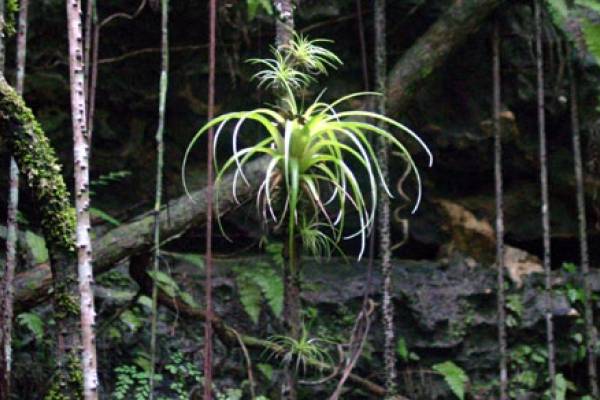
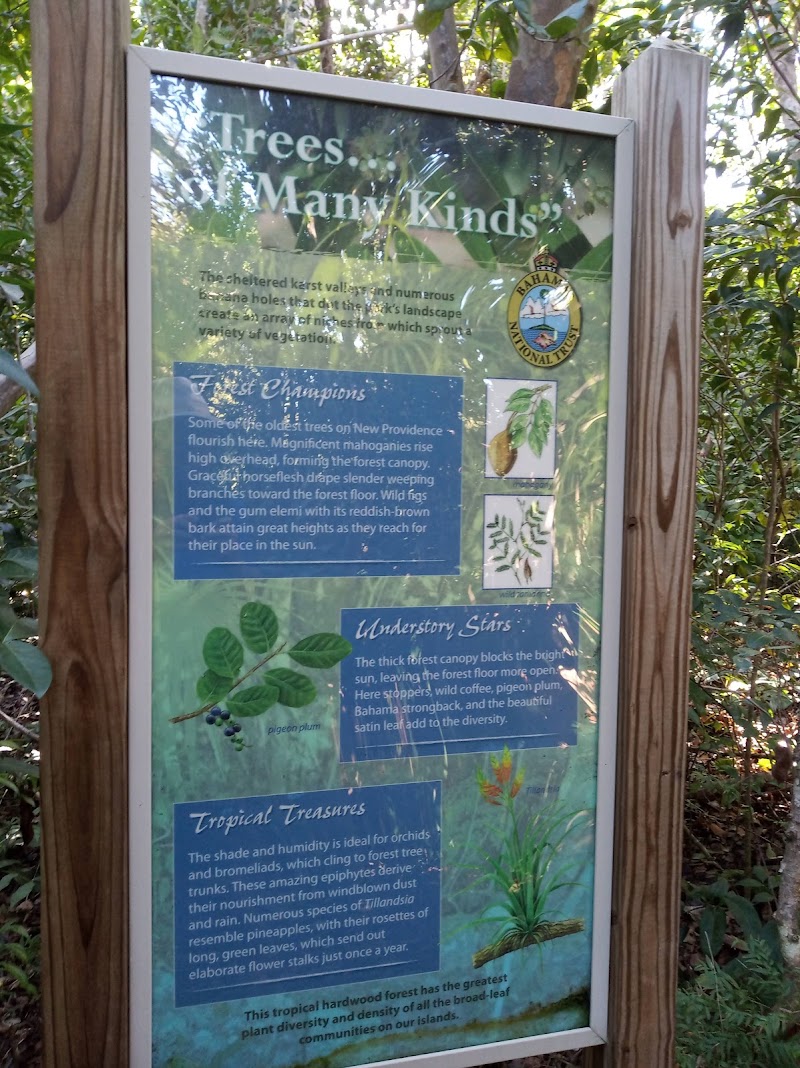
The forest itself supplies much of the detail. Mahogany trees, ferns and orchids are among the plants specifically mentioned by reviewers. Visitors also report seeing lizards and traces of other animals among the rocks and vegetation. Hummingbirds, woodpeckers and boas may inhabit the sanctuary, although sightings depend on timing and luck. This is better approached as a place for patient observation than as a guaranteed wildlife encounter.
Walks and tours
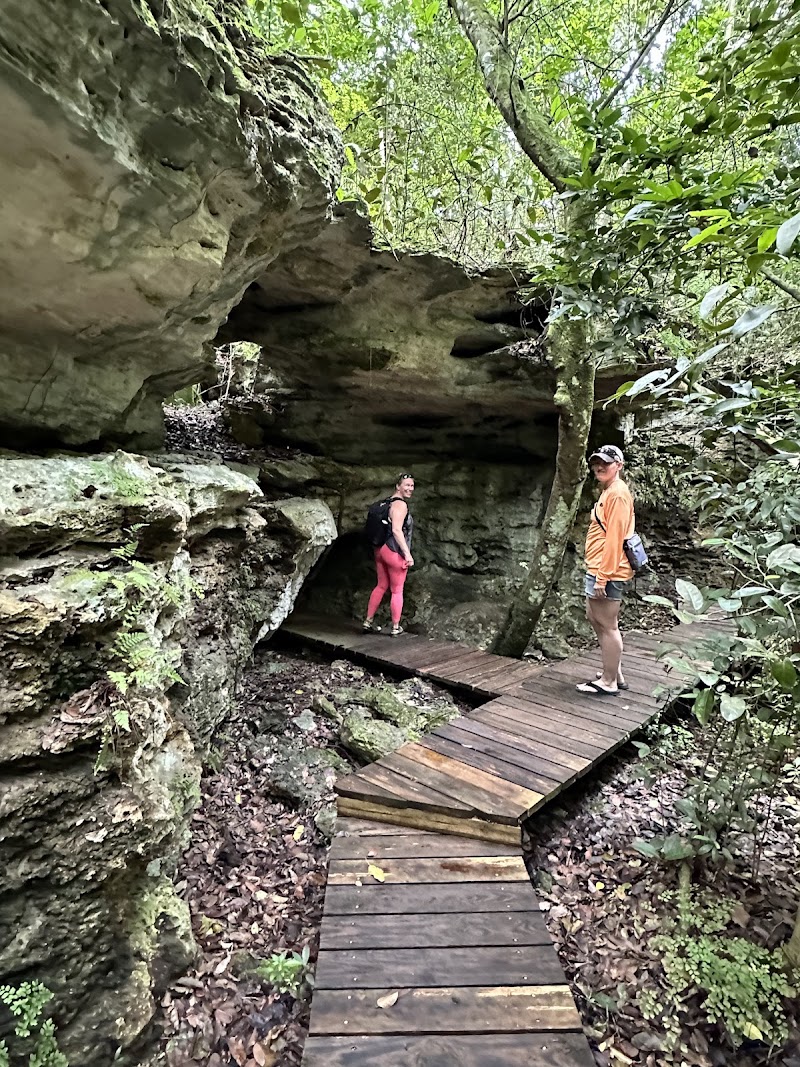
Reviews indicate that the experience centres on a slow walk through the forest. The trail is less about covering distance and more about looking closely at plants, insects, rock formations and signs of wildlife. Cobwebs and agile lizards feature in visitor accounts, reinforcing the sense that this remains a living habitat rather than a landscaped city park.
Guided interpretation can add useful context. Reviewers report that tours can be arranged, and one account particularly valued a knowledgeable explanation of the sinkholes and the plants, animals and insects living within the sanctuary. Visitors interested in geology or ecology may therefore wish to ask about tour availability before arriving.
Planning the stop
The principal limitation is size. Some reviewers found the seven-acre sanctuary fascinating but wished it extended much farther. Travellers expecting extensive trails or a half-day wilderness outing may find it brief. Those seeking a focused nature stop are more likely to appreciate its scale.
Opening hours also deserve advance confirmation. A public review says the park opens on weekends but advises checking the times, so relying on an unverified schedule could lead to disappointment. Recent rain may intensify the forest atmosphere, though it also means visitors should come prepared for wet conditions. Overall, the park stands out for its sinkholes, native vegetation and sense of Nassau’s earlier natural landscape.
Ask anything
Looking for somewhere else?
Keep exploring around Nassau
More from Bahamas
Bahamas · Nassau
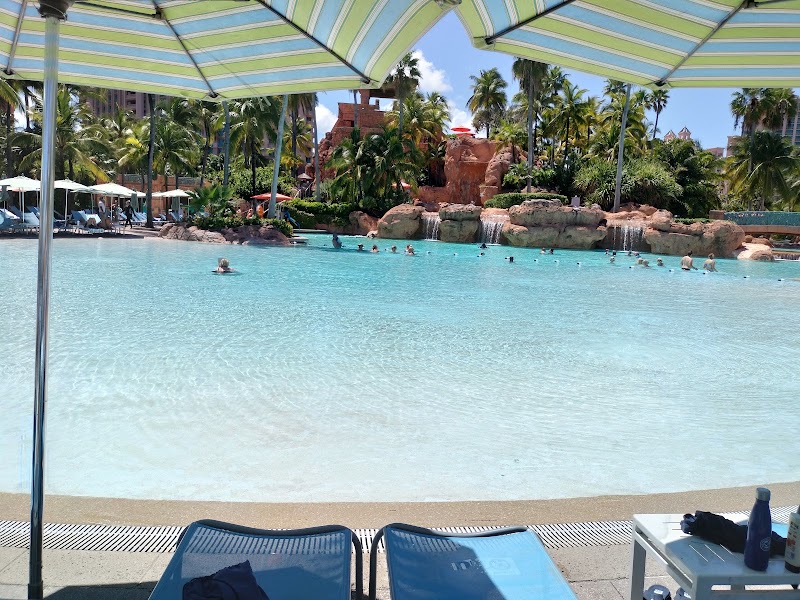
Paradise Island: Family Fun Beyond the Beach
Paradise Island pairs white-sand beaches with the sprawling aquarium, water park, pools and entertainment at Atlantis.
Bahamas · Nassau
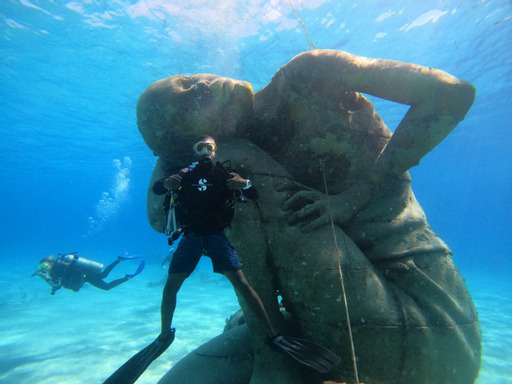
Snorkelling among sculptures at Ocean Atlas
Nassau’s underwater sculpture garden pairs monumental art with coral restoration, though access arrangements can be unpredictable.
Bahamas · Rock Sound
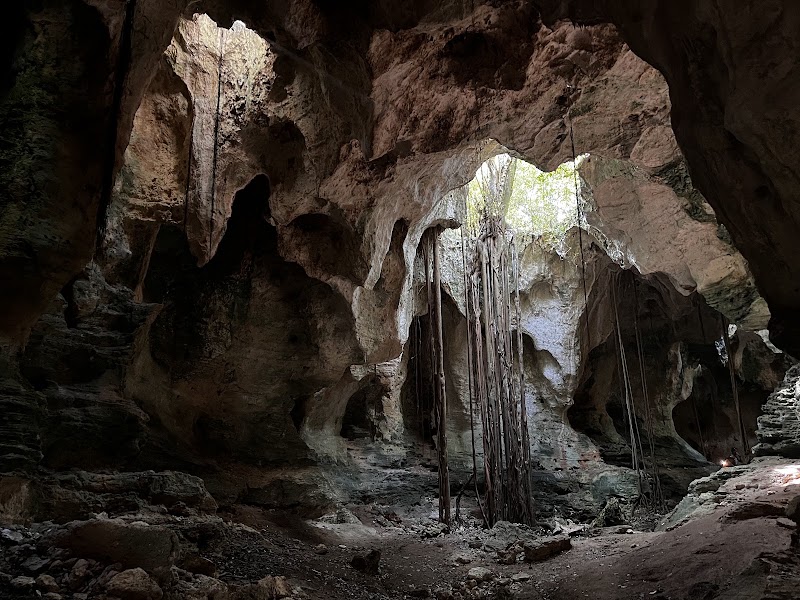
Cathedral Cave: A Striking Detour Near Rock Sound
Sunlit ceiling openings, tree roots and fruit bats make this atmospheric cave a rewarding break from Eleuthera’s beaches and water sports.
Bahamas · Governor's Harbour
Leon Levy Native Plant Preserve: Trails Beyond the Beach
Well-kept trails, native flora, wildlife and clear interpretation make this Governor’s Harbour preserve a rewarding half-day outing.