Balbanera Church: a historic stop beside Laguna de Colta
Ecuador’s first Catholic church draws travellers for its 16th-century history, simple stone interior, devotional atmosphere and Chimborazo views.
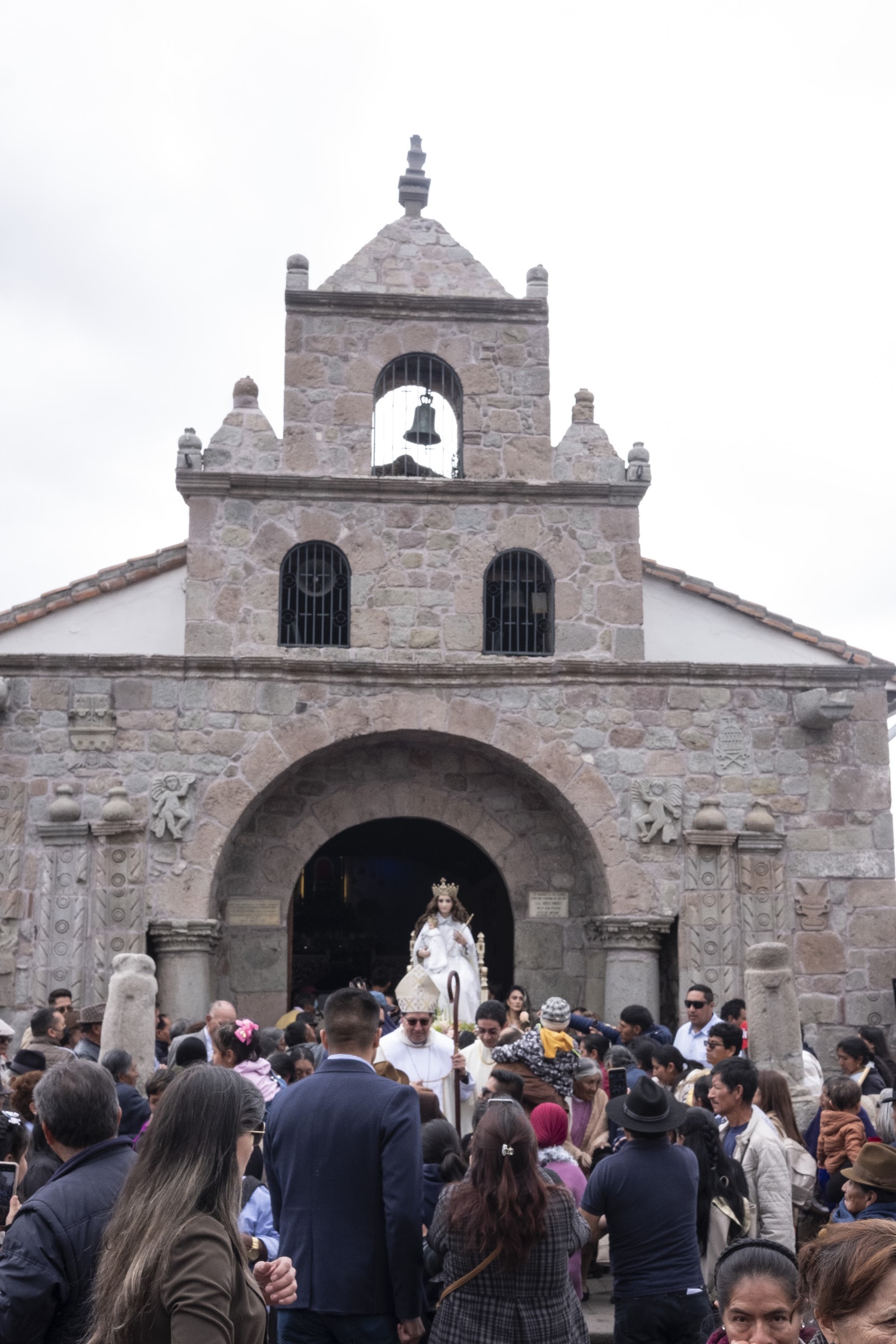
More photos
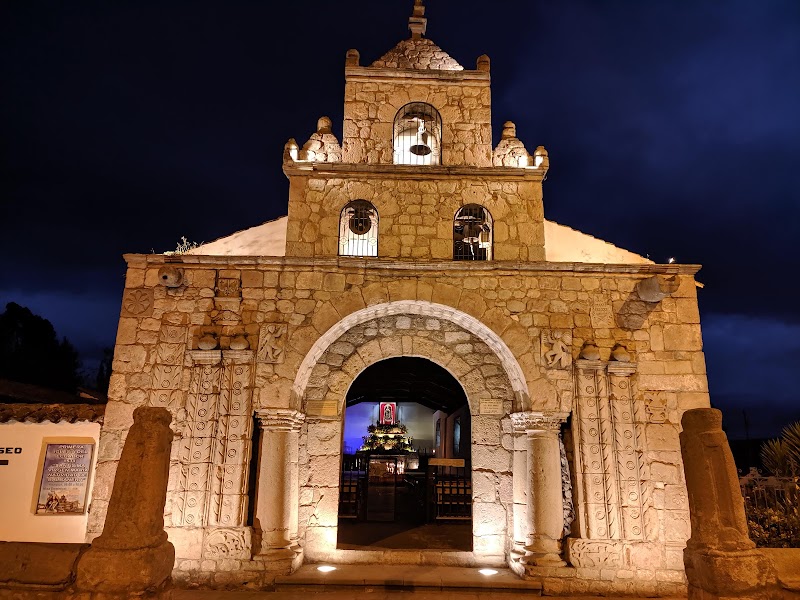
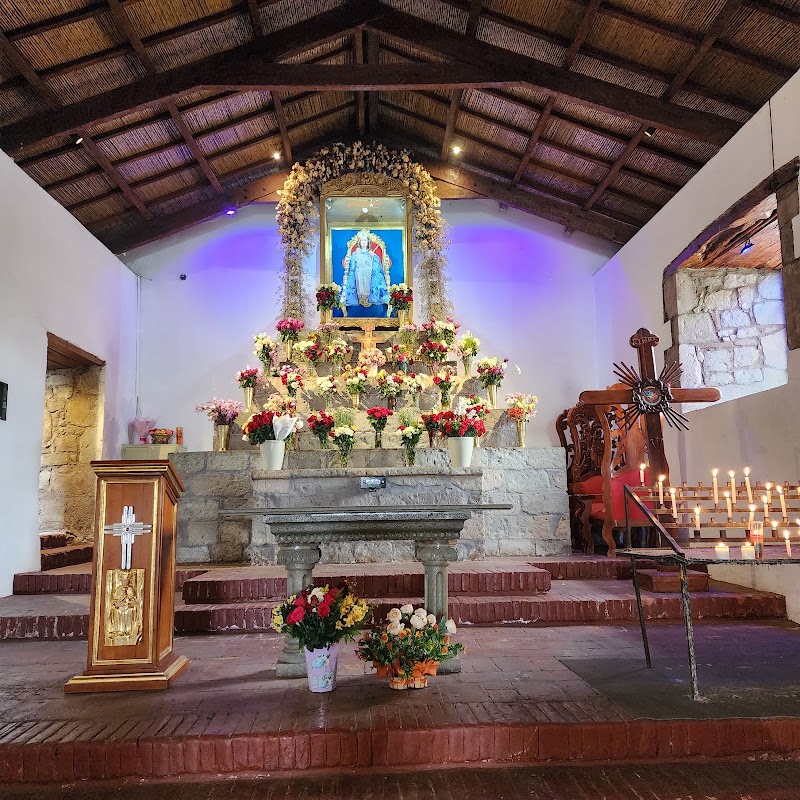
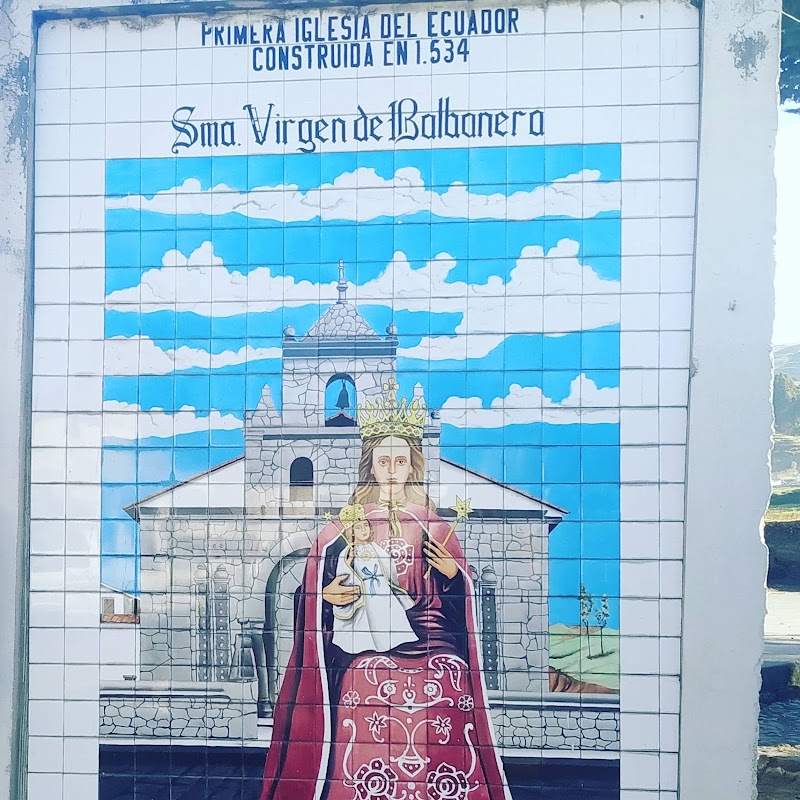
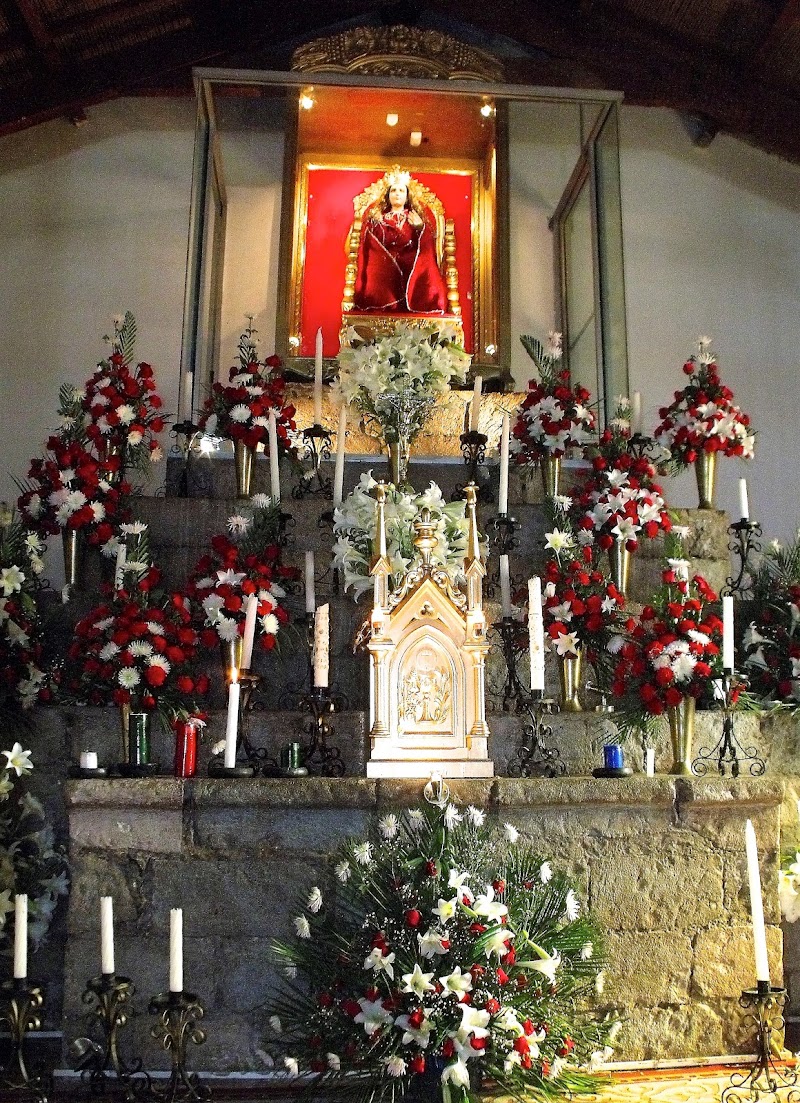
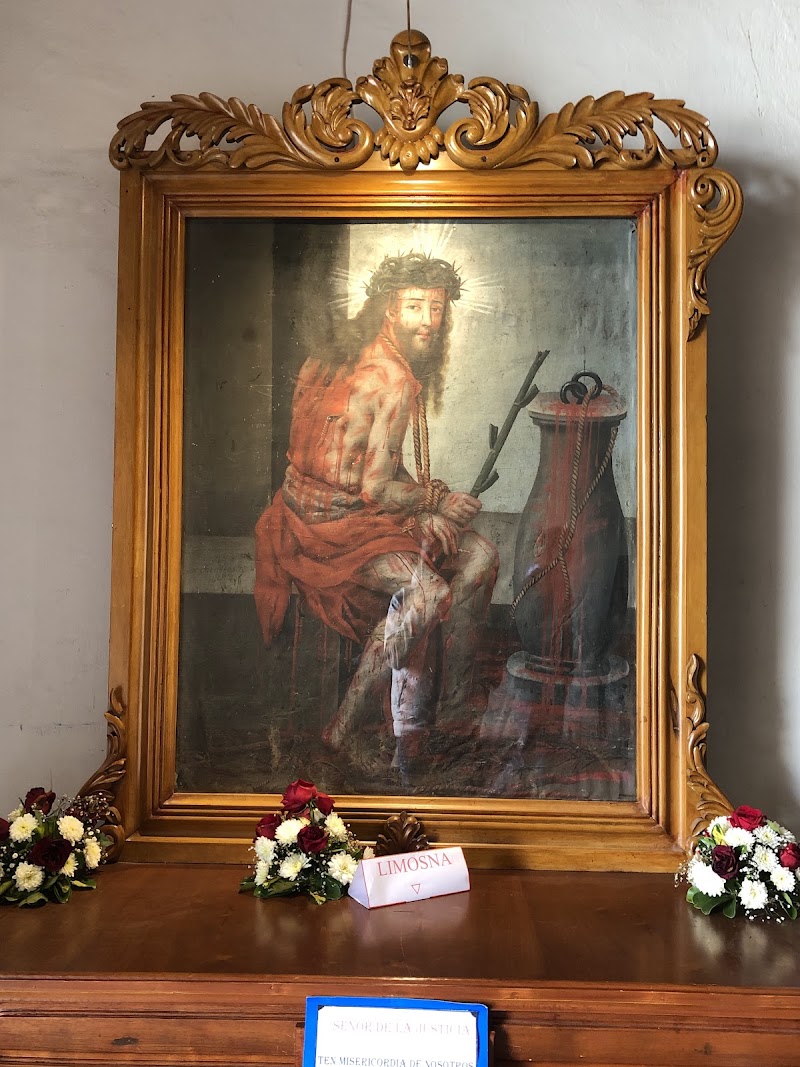
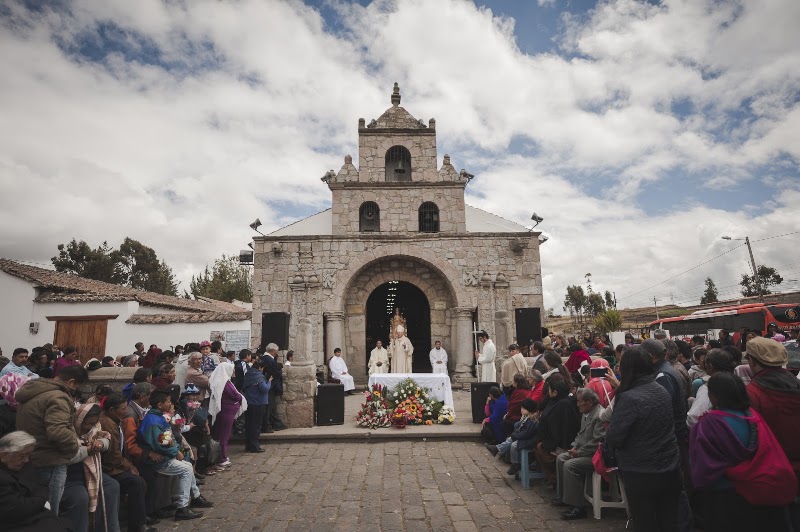
Photos published by travelers on Google, not AI generated.
What stands out
- Early colonial church history
- Simple stone altar with flowers
- Peaceful setting for prayer
- Possible views of Chimborazo
- Religious and volcanic symbolism
Worth knowing
- Public accounts differ on the construction date
- Some interpretation may be in Spanish
- Chimborazo views depend on clear weather
Don't miss
What comes up most in public reviews
- Light a candle near the entrance
- Learn about the church’s 1534 founding history
- Study the hand-worked stone construction
Worth the trip?
Why travellers stop
With a Google rating of 4.7 from 2213 reviews, Primera Iglesia Católica del Ecuador, also known as María Natividad de Balbanera, is consistently presented as a worthwhile historical and religious stop near Laguna de Colta. Public feedback focuses less on grandeur than on the significance of the site, its unassuming architecture and the sense of calm found inside.
Reviewers commonly identify it as Ecuador’s first Catholic church and associate its founding with 1534. Its modest scale appears to be part of the appeal. Travellers describe a building that feels direct and tangible, with hand-worked construction and a restrained facade rather than an elaborate monumental design. It suits visitors interested in colonial history, religious heritage and places that can be appreciated without a long itinerary.
Inside the church
The interior receives some of the strongest emotional responses. Reviews describe a simple stone altar decorated with abundant flowers around a small statue of Mary. Several visitors mention prayer, reflection and lighting candles, with some describing the church as peaceful or deeply moving. Candles are reportedly available near the entrance, making this an easy place to pause for a personal devotion rather than simply photograph the architecture.
The church’s symbolism can be easy to overlook without interpretation. One reviewer found a Spanish-language explanation from a museum staff member especially useful, highlighting angel imagery and shapes connected with volcanoes. That suggests visitors with enough time should look beyond the facade and ask whether contextual information is available. The value of the stop lies as much in understanding the details as in seeing the building itself.
Setting and practical experience
The location just north of Laguna de Colta adds scenic interest. In clear conditions, reviewers report views of Chimborazo’s white summit from the church area. Weather therefore makes a meaningful difference for travellers hoping to combine the cultural visit with mountain scenery. Even without the view, the church remains a convenient pause on a wider journey through the area.
A souvenir shop provides another reason to linger. Public feedback mentions a broad selection that includes worked-design bracelets and even beer. The shop is secondary to the church, but it may appeal to travellers looking for a small keepsake after visiting.
Editorial verdict
Ratings and reviews point to a compact attraction with considerable historical weight. It is best approached as a short, reflective visit rather than a large museum or richly decorated cathedral experience. The recurring strengths are its age, atmosphere, religious importance and the opportunity to light a candle in a setting that many visitors find peaceful.
There is some inconsistency in public accounts of the construction date. Most references, including the attraction’s name, cite 1534, while one sampled review gives 1543. Visitors seeking precise chronology may want to ask staff for clarification. Spanish appears useful for at least some on-site interpretation. Overall, Balbanera earns its strong reputation as a meaningful stop for history-minded travellers, pilgrims and those passing through the Colta area.
Ask anything
Looking for somewhere else?
Keep exploring around Colta
More from Ecuador
Ecuador · Llagos
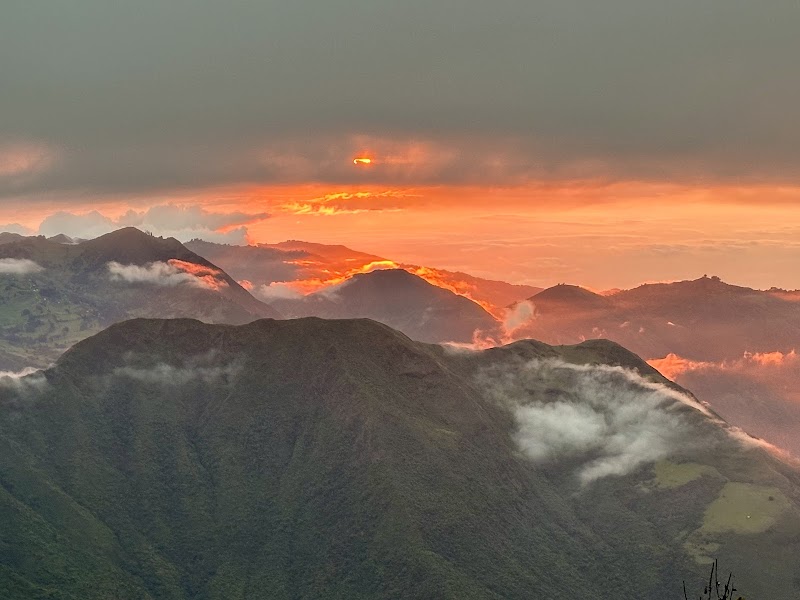
Cerro Puñay: A Demanding Trek With Andean Views
Strong reviews praise Cerro Puñay’s sunsets and mountain panoramas, while warning of a strenuous climb, cold nights and very limited facilities.
Ecuador · Quito · $$
Casa Agave: Ecuadorian agave culture near Quito
Tours, tastings, cocktails and Ecuadorian agave traditions make Casa Agave a worthwhile addition to a Mitad del Mundo outing.
Ecuador · Quito
Casa del Alabado: Pre-Columbian art in a historic home
Thoughtful thematic displays, dramatic lighting and restored architecture make this compact museum a standout in Quito’s historic district.
Ecuador · Guayaquil
El Museo del Cacao: Ecuador’s cacao story in Guayaquil
A compact, well-reviewed museum tracing cacao’s history, cultural importance and global reach, with guides and chocolate treats adding appeal.